HIIT vs LISS Cardio: Which Is Better for Fat Loss? (Science-Backed 2026 Guide)
HIIT vs LISS cardio compared: calorie burn, heart rate zones, fat loss results, and beginner plans. Science-backed 2026 guide to pick the right cardio.
HIIT vs LISS Cardio: Which Is Better for Fat Loss? (Science-Backed 2026 Guide)
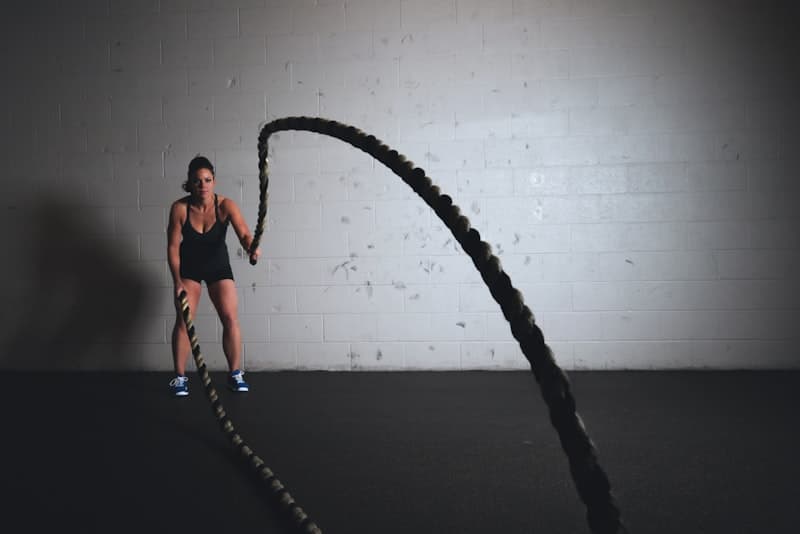
Is HIIT better than LISS for fat loss? Neither is universally superior. HIIT burns more calories per minute and triggers a modest afterburn effect, making it the most time-efficient option. LISS burns a higher percentage of calories from fat during the session, carries far less injury risk, and is easier to sustain long-term. Studies lasting 12 weeks or longer show comparable total fat loss — which means the best cardio for fat loss is the one you will actually do consistently.
One friend swears by 20-minute sprint sessions. Another lost 30 pounds just by walking every morning. The HIIT vs LISS cardio debate is not a zero-sum game, and the science is more nuanced than most fitness influencers let on. I have gone through the meta-analyses, the EPOC research, and the long-term fat loss trials. What follows is an honest breakdown of what each does to your body, how they compare for calorie burn and fat loss, and how to pick the right approach based on your goals, schedule, and fitness level.
What Exactly Are HIIT and LISS?
HIIT (High-Intensity Interval Training)
HIIT alternates between short, all-out bursts of effort and periods of rest or low-intensity recovery. A typical session: 30 seconds of sprinting followed by 60 seconds of walking, repeated for 10 rounds. During work intervals, your heart rate climbs to 80-95% of your maximum.
The exercises can be anything — sprinting, cycling, rowing, kettlebell swings, burpees, jump squats. The defining feature is intensity. You are near your limit during each work bout. Most sessions last 15-30 minutes including warm-up and cool-down. Go much past 30 minutes and you are probably not hitting true HIIT intensity.
LISS (Low-Intensity Steady State)
LISS is sustained, low-to-moderate intensity aerobic exercise maintained at a consistent pace for a longer duration. Think a 45-minute brisk walk, a steady bike ride, or swimming laps at a comfortable pace. Your heart rate sits in the 50-65% range of your maximum — you can hold a conversation without gasping.
The LISS cardio benefits are often underestimated because the workouts do not feel dramatic. But the physiological adaptations — improved mitochondrial density, better fat oxidation, stronger aerobic base — are foundational for long-term fitness and fat loss.
What Happens to Your Body During HIIT
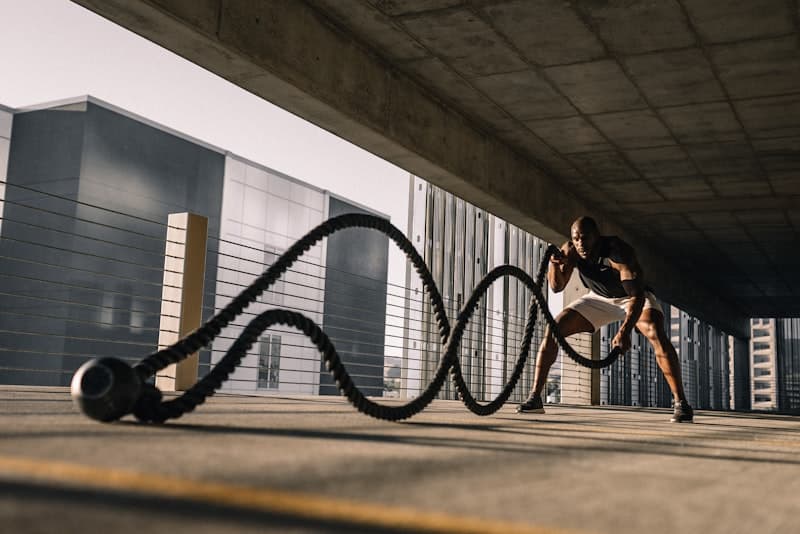
When you push into that 80-95% max heart rate zone, your body makes rapid adjustments to keep up with the energy demand. The result is a cascade of physiological responses that continue well after you stop exercising.
The EPOC Effect (Afterburn)
EPOC stands for Excess Post-exercise Oxygen Consumption — the "afterburn effect." After an intense session, your body continues consuming oxygen at an elevated rate while it restores depleted energy systems and repairs tissue.
A frequently cited review in the Journal of Sports Sciences concluded that EPOC accounts for only 6-15% of the net oxygen cost of the exercise itself — so if you burn 300 kcal during HIIT, the afterburn adds roughly another 18-45 kcal. Meaningful but not magical.
The same review went further: it found that "the earlier research optimism regarding an important role for the EPOC in weight loss is generally unfounded." EPOC also varies a lot between people. It helps, but do not plan your weekly deficit around it.
Heart Rate Response
During a HIIT work interval, your heart rate spikes into Zone 4 or Zone 5 (80-95% of max heart rate). Your body relies on anaerobic glycolysis — burning stored carbohydrates for quick energy because fat oxidation is too slow. That stress drives adaptation: improved VO2 max, better anaerobic capacity, and increased insulin sensitivity. But it also means significant recovery demand.
Muscle Engagement
HIIT recruits many muscle groups simultaneously. Sprinting engages your glutes, hamstrings, quads, calves, and core. Burpees and mountain climbers add upper body involvement. That full-body recruitment is part of why HIIT stimulates muscle retention even in a caloric deficit.
A 12-week trial in the Journal of Diabetes Research found that HIIT meaningfully reduced abdominal visceral fat in obese young women — but the reduction was comparable to (not greater than) prolonged moderate-intensity continuous training (about 9.1 vs 9.2 cm² of visceral fat area). HIIT's advantage was efficiency: it achieved the same result in roughly half the session time.
What Happens to Your Body During LISS

LISS triggers a different set of adaptations. Lower intensity does not mean lower value — it means a different physiological pathway.
The Fat-Burning Zone Explained
At 50-65% of your max heart rate, your body derives a higher proportion of its energy from fat oxidation. That is a measurable fact from respiratory exchange ratio data.
But "higher proportion" does not mean "more total fat burned." During a 45-minute LISS session, you might burn 300 kcal with 50-60% from fat. During a 20-minute HIIT session, you might burn the same 300 kcal but only 30-40% from fat — yet the higher total calorie burn plus EPOC can lead to equal or greater total fat loss over time.
The fat-burning zone is real. It is just not the whole story.
Cardiovascular Base Building
Steady-state cardio strengthens your heart's left ventricle, increases capillary density, and boosts mitochondrial function. These adaptations make every other type of training — including HIIT — more effective.
Heart rate variability (HRV), a marker of recovery capacity, tends to improve more consistently with regular LISS than with HIIT alone. A long walk often improves your next-day reading, while a hard HIIT session can suppress it for 24-48 hours.
Recovery-Friendly Nature
Walking, easy cycling, and swimming place minimal stress on your joints and do not deplete your neuromuscular system the way sprinting does. You can do LISS frequently — even daily — without compromising recovery from strength training. If you are lifting three or four times per week and adding cardio for fat loss, LISS is the path of least resistance.
HIIT vs LISS Cardio: Which Burns More Calories and Fat?
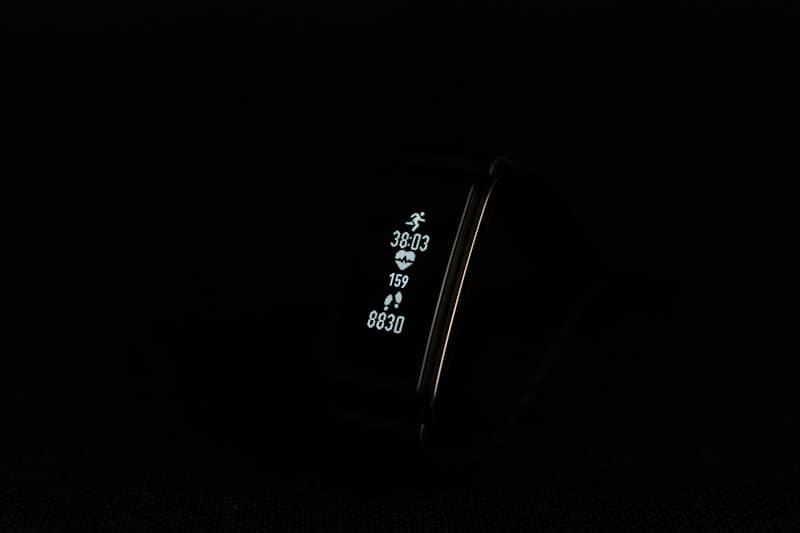
The numbers tell the story.
Calorie Burn Per Session
The following table compares a typical HIIT session and a typical LISS session for a 160-pound (73 kg) adult:
| Metric | HIIT (20 min) | LISS (45 min) |
|---|---|---|
| Total calories burned | 250-400 kcal | 250-350 kcal |
| Calories per minute | 12-16 kcal | 6-10 kcal |
| % from fat during exercise | 30-40% | 50-60% |
| Fat calories during exercise | 75-160 kcal | 125-210 kcal |
| EPOC (afterburn) | 15-60 kcal | 5-15 kcal |
| Total with EPOC | 265-460 kcal | 255-365 kcal |
Notice something interesting? The total calorie burn is closer than you might expect. HIIT wins on a per-minute basis — that is not debatable. But LISS makes up ground by simply lasting longer. When you compare the two session types people actually do (a short HIIT session versus a longer walk), the totals end up in a similar range.
The Afterburn Advantage
As covered earlier, EPOC adds only about 6-15% on top of the calories burned during the session — typically a few dozen kilocalories, not hundreds. HIIT vs LISS which burns more calories? HIIT has a small but real edge when you factor in afterburn — just do not overstate it.
Fat Loss: What the Studies Actually Show
A 2017 meta-analysis in Obesity Reviews (Keating et al.) pooled 31 trials and found no difference between interval training and moderate-intensity continuous training for any body-fat outcome when time or energy expenditure was matched.
A second 2017 Obesity Reviews meta-analysis (Wewege et al.) reached the same conclusion in overweight and obese adults: HIIT and moderate-intensity cardio produced comparable reductions in fat mass and waist circumference — but HIIT got there with roughly 40% less training time.
The takeaway: for total fat loss over time, the approach you can sustain matters far more than the specific modality.
Belly Fat Specifically
There is one area where HIIT has solid support: visceral adipose tissue — the metabolically active fat stored around your abdominal organs. A 2018 meta-analysis in Sports Medicine (Maillard et al.) pooled 39 studies and found HIIT significantly reduced total, abdominal, and visceral fat mass in people with overweight and obesity. Note that head-to-head trials comparing HIIT and steady-state cardio for visceral fat specifically have often found the two comparable rather than HIIT being clearly superior, so treat HIIT's edge here as suggestive rather than settled.
This matters because visceral fat is most strongly linked to insulin resistance, cardiovascular disease, and type 2 diabetes. If reducing belly fat is your goal, the evidence tips toward HIIT — though no form of cardio alone targets belly fat. Diet remains the dominant variable.
HIIT vs LISS Heart Rate Zones — A Visual Breakdown
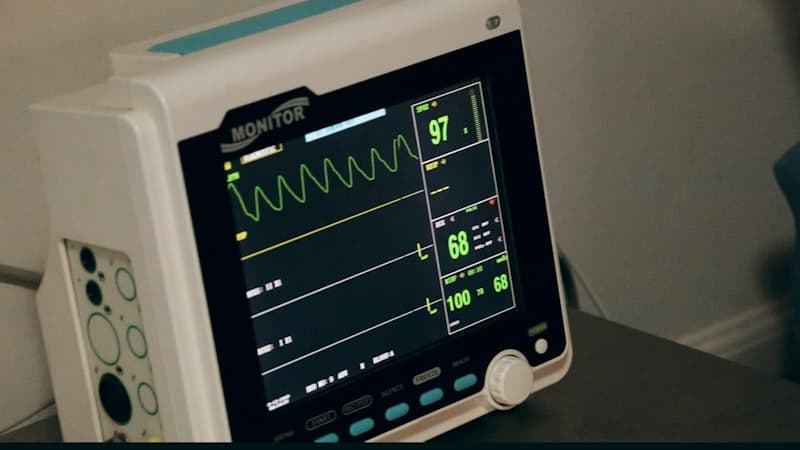
Understanding heart rate zones makes the HIIT vs LISS cardio comparison much more concrete. Here is how the five standard training zones break down and where each cardio type operates:
| Zone | % of Max HR | Intensity | Primary Use | Energy Source |
|---|---|---|---|---|
| Zone 1 | 50-60% | Very light | Warm-up, recovery | Mostly fat |
| Zone 2 | 60-70% | Light | LISS — fat oxidation | Fat dominant |
| Zone 3 | 70-80% | Moderate | LISS upper range | Mixed fat/carbs |
| Zone 4 | 80-90% | Hard | HIIT work intervals | Carb dominant |
| Zone 5 | 90-95% | Maximum | HIIT peak efforts | Anaerobic (glycogen) |
LISS operates primarily in Zones 1-3. You are breathing comfortably, burning a higher proportion of fat, and placing a moderate cardiovascular demand on your system. This is where you build aerobic capacity and mitochondrial density.
HIIT oscillates between Zones 4-5 during work intervals and drops back to Zones 1-2 during rest. The contrast between high and low intensity is what drives the rapid adaptations — improved VO2 max, anaerobic threshold shifts, and EPOC activation.
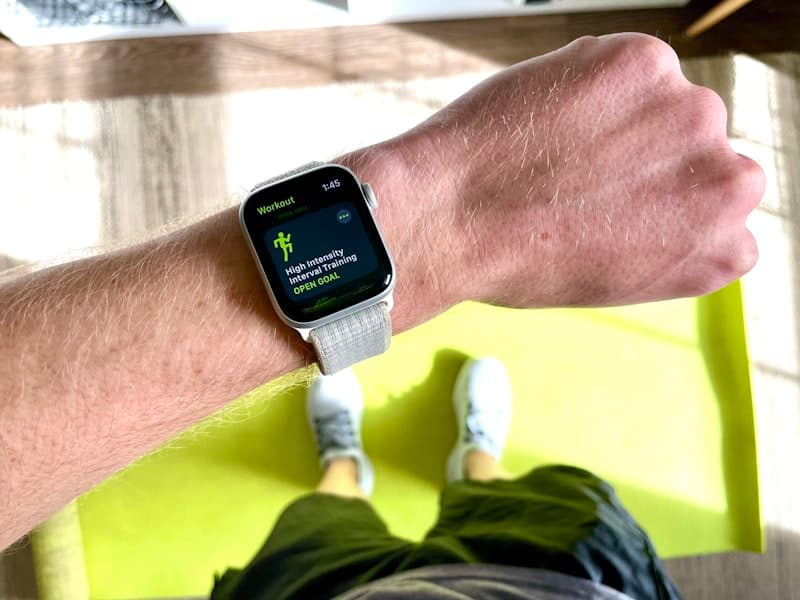
To calculate your approximate max heart rate, the best-known shortcut is 220 minus your age — a 35-year-old would estimate 185 bpm. Be aware this formula is rough and can be off by 10-12 bpm in either direction; research suggests alternatives such as Tanaka's equation (208 − 0.7 × age) track measured values better. Zone 2 for that person would be roughly 111-130 bpm. Zone 4 would be 148-167 bpm. A chest-strap heart rate monitor or a wrist-based fitness tracker makes it much easier to confirm you are training in the right zone. Chest straps tend to be more accurate during high-intensity intervals, while wrist-based wearables are convenient enough for everyday LISS sessions.
Comparison Table — HIIT vs LISS at a Glance
If you want the quick version, this table covers everything at a glance:
| Feature | HIIT | LISS |
|---|---|---|
| Intensity | 80-95% max heart rate | 50-65% max heart rate |
| Session duration | 15-30 minutes | 30-60 minutes |
| Calorie burn per minute | Higher (~12-16 kcal/min) | Lower (~6-10 kcal/min) |
| Afterburn (EPOC) | Yes, 6-15% additional burn | Minimal |
| Fat oxidation during exercise | Lower ratio, higher total | Higher ratio, lower total |
| Impact on joints | High (jumping, sprinting) | Low (walking, cycling) |
| Recovery demand | 24-48 hours | Minimal |
| Weekly frequency | 2-4 sessions | 4-7 sessions |
| Best for | Time-efficient fat loss, metabolic boost | Beginners, recovery days, endurance base |
| Equipment needed | Minimal (bodyweight OK) | Minimal (walking shoes OK) |
The bottom line: HIIT gives you more output per minute. LISS gives you more total volume with less wear and tear. Neither is objectively better — they serve different purposes.
HIIT vs LISS for Beginners — Where Should You Start?

If you are new to cardio or returning after a break, start with LISS. Build a base. Then layer in HIIT.
Why Beginners Should Start with LISS
Jumping straight into HIIT — with its sprinting and jumping — is a fast track to shin splints or knee pain. LISS lets you build infrastructure safely:
- Cardiovascular base: Your heart, lungs, and capillary network adapt progressively.
- Joint preparation: Walking and cycling strengthen tendons and ligaments without high-impact forces.
- Habit formation: A 30-minute walk is approachable. A sprint session is intimidating. The cardio you do beats the cardio you skip.
Building an aerobic base before adding high-intensity intervals is a widely recommended progression: starting with low-impact walking gives your heart, joints, and connective tissue time to adapt, which tends to support better adherence and a lower injury risk than diving straight into sprinting.
How to Transition to HIIT
Once you have been doing LISS consistently for 3-4 weeks, you can start introducing HIIT gradually. Here is a simple progression:
Weeks 1-4: LISS only. Walk 30-45 minutes, 4-5 days per week. Build the habit and the base.
Weeks 5-6: Add one HIIT session. Try 20 seconds of effort (fast walking or light jogging) followed by 40 seconds of easy walking. Repeat for 10 rounds. Total time: ~15 minutes including warm-up.
Weeks 7-8: Increase to two HIIT sessions per week. Extend work intervals to 30 seconds with 30 seconds of rest. Keep LISS on the other days.
Week 9+: You are now doing 2-3 HIIT sessions and 2-3 LISS sessions per week. Adjust based on how your body responds.
Beginner HIIT Mistakes to Avoid
I see these constantly:
- Going too hard too fast. Your first HIIT session should feel challenging, not like you are going to collapse.
- Skipping the warm-up. Five minutes of easy movement before HIIT is non-negotiable.
- Ignoring rest days. HIIT demands 48 hours of recovery. Your body adapts during rest, not during the workout.
How Often Should You Do HIIT? (And How to Combine Both)
The question of how often should I do HIIT comes up constantly. The research is fairly clear: 2-4 HIIT sessions per week produces the best results for body composition and cardiovascular fitness. More than that increases the risk of overtraining without additional benefit. Each session requires roughly 48 hours of recovery. On the days between, LISS keeps you active without interfering with recovery.
The Hybrid Approach — Weekly Cardio Schedule
The most effective approach for most people is not choosing one or the other. It is combining both. Here is a sample weekly schedule that balances HIIT, LISS cardio, strength training, and recovery:
| Day | Workout | Duration | Notes |
|---|---|---|---|
| Monday | HIIT | 20 min | Bodyweight intervals — full effort |
| Tuesday | LISS + Strength | 40 min walk + lifting | Upper body focus |
| Wednesday | Rest or yoga | — | Active recovery |
| Thursday | HIIT | 20 min | Sprints or cycling intervals |
| Friday | LISS + Strength | 45 min cycling + lifting | Lower body focus |
| Saturday | LISS | 60 min hike or long walk | Enjoy it — no heart rate monitor needed |
| Sunday | Rest | — | Full recovery |
This schedule gives you two HIIT sessions, three LISS sessions, two strength days, and two rest days per week. It covers all the bases: fat burning, cardiovascular health, muscle retention, and adequate recovery.
Pairing with Strength Training
If you lift weights — and you should for fat loss — the order can matter. Doing demanding cardio immediately before lifting may leave you fatigued for your working sets, so a common practical recommendation is to lift first. The evidence on acute exercise order is mixed rather than conclusive, but for most people prioritizing strength work makes sense.
The practical rule: lift first, then do LISS. Save HIIT for separate days. If you must combine them, space sessions at least 6 hours apart. Strength training preserves lean muscle during a caloric deficit, keeping your metabolic rate higher. A HIIT workout for weight loss works best when paired with a solid lifting routine — cardio and strength are not competitors, they are a team.
Goal-Based Recommendation — Which Cardio Is Right for You?
Forget the debate. Match the tool to the job. Here is what the evidence supports based on what you are trying to achieve:
| Your Goal | Best Choice | Why |
|---|---|---|
| Maximum fat loss in minimal time | HIIT | Higher calorie burn per minute + EPOC effect |
| Sustainable weight management | LISS | Lower injury risk, easier to maintain long-term |
| Belly fat reduction | HIIT | Studies show greater visceral fat loss |
| Building endurance base | LISS | Strengthens aerobic system progressively |
| Recovery day cardio | LISS | Active recovery without taxing muscles |
| Metabolic health (insulin sensitivity) | Both | HIIT improves glucose uptake; LISS improves lipid profile |
| Beginner starting from zero | LISS then HIIT | Build base first, then add intensity |
| Time-crunched professionals | HIIT | 20 minutes delivers comparable results to 45 minutes of LISS |
| Joint-friendly / low impact | LISS | Walking, swimming, cycling minimize stress on joints |
| Overall best results | Both combined | Hybrid approach covers all bases |
Pick the row that matches your situation. Or better yet, pick two and alternate.
Frequently Asked Questions
Is HIIT better than LISS for fat loss?
HIIT is more time-efficient and produces a small afterburn effect, but long-term fat loss outcomes are remarkably similar between the two. The best choice is whichever one you will do consistently. If you hate sprinting, walking works. If you have 20 minutes and want maximum output, sprint.
Can I do HIIT every day?
No, and you should not try. HIIT places significant stress on your nervous system, muscles, and joints. Most exercise scientists recommend 48 hours between HIIT sessions. Three times per week is plenty. Four is the upper limit for experienced athletes. If you want daily cardio, fill the gap with LISS.
How long should a HIIT session be?
15-30 minutes including warm-up and cool-down. The high-intensity intervals themselves typically total 10-20 minutes of actual work. Going beyond 30 minutes usually means the intensity has dropped enough that you are no longer doing true HIIT — you are doing threshold training or steady state with extra steps.
Does LISS actually burn fat?
Yes. LISS burns a higher proportion of calories from fat during the session compared to HIIT. Over weeks and months, the total fat loss from regular LISS matches or exceeds what most people achieve with HIIT — largely because LISS is easier to stick with and can be done more frequently.
Which is better for belly fat — HIIT or LISS?
Research supports HIIT for reducing visceral (abdominal) fat: a 2018 Sports Medicine meta-analysis found HIIT significantly cut visceral fat mass in people with overweight and obesity. That said, head-to-head trials versus steady-state cardio often show comparable results, and no cardio type can out-train a caloric surplus. The best cardio for belly fat reduction always starts with diet.
Can I combine HIIT and LISS in one session?
Absolutely. A practical format: 10 minutes of LISS as a warm-up, 15 minutes of HIIT intervals, then 10 minutes of LISS to cool down. You get the fat oxidation from the steady-state portions and the metabolic stimulus from the high-intensity block. This is a great option for people who want both benefits in a single gym visit.
Do I need equipment for HIIT?
Nope. Bodyweight exercises — burpees, mountain climbers, jump squats, high knees, plank jacks — are more than enough for an effective HIIT session. A jump rope, kettlebell, or set of dumbbells adds variety but is not required. A good pair of running shoes is the only real equipment investment worth making.
How do I track my heart rate during cardio?
A chest-strap heart rate monitor (like a Polar H10) is the most accurate option, especially during HIIT intervals where wrist-based sensors can lag. Fitness trackers and sports watches (Garmin, Apple Watch, Whoop) are convenient for everyday LISS and give you heart rate zone data without extra gear. For beginners, any wearable that shows real-time heart rate is a solid starting point.
References
- Keating SE, Johnson NA, Mielke GI, Coombes JS. A systematic review and meta-analysis of interval training versus moderate-intensity continuous training on body adiposity. Obesity Reviews, 2017.
- Wewege M, van den Berg R, Ward RE, Keech A. The effects of high-intensity interval training vs. moderate-intensity continuous training on body composition in overweight and obese adults: a systematic review and meta-analysis. Obesity Reviews, 2017.
- Maillard F, Pereira B, Boisseau N. Effect of High-Intensity Interval Training on Total, Abdominal and Visceral Fat Mass: A Meta-Analysis. Sports Medicine, 2018.
- Zhang H, Tong TK, Qiu W, et al. Comparable Effects of High-Intensity Interval Training and Prolonged Continuous Exercise Training on Abdominal Visceral Fat Reduction in Obese Young Women. Journal of Diabetes Research, 2017.
- LaForgia J, Withers RT, Gore CJ. Effects of exercise intensity and duration on the excess post-exercise oxygen consumption. Journal of Sports Sciences, 2006.
- Nikolaidis PT, Rosemann T, Knechtle B. Age-Predicted Maximal Heart Rate in Recreational Marathon Runners: A Cross-Sectional Study on Fox's and Tanaka's Equations. Frontiers in Physiology, 2018.
The Bottom Line
HIIT and LISS are not rivals. They are two tools in the same toolbox.
HIIT gives you efficiency — high calorie burn in a short window, a modest afterburn effect, and strong results for visceral fat. The tradeoff is higher injury risk and significant recovery demand.
LISS gives you sustainability — low impact, easy recovery, and a cardio modality most people can maintain for years. The tradeoff is time.
The hybrid approach — two to three HIIT sessions plus two to three LISS sessions per week — gives you the best of both worlds. Add strength training and you have a complete fat loss program.
The cardio you actually do is infinitely better than the cardio you keep meaning to start. Pick something. Start today. Adjust as you go.
Got a cardio routine that works for you? Drop it in the comments — I read every one.
Anti-Inflammatory Foods: Complete Science-Backed Guide (2026)
Next →High Protein Foods: Complete Science-Backed Guide (2026)


