Dumbbell vs Kettlebell: Which Is Better for Your Home Workout? (Science-Backed 2026 Guide)
Dumbbell vs kettlebell -- which builds more muscle and burns more fat? Compare EMG data, calories, cost, and beginner picks in this 2026 guide.
Dumbbell vs Kettlebell: Which Is Better for Your Home Workout? (Science-Backed 2026 Guide)
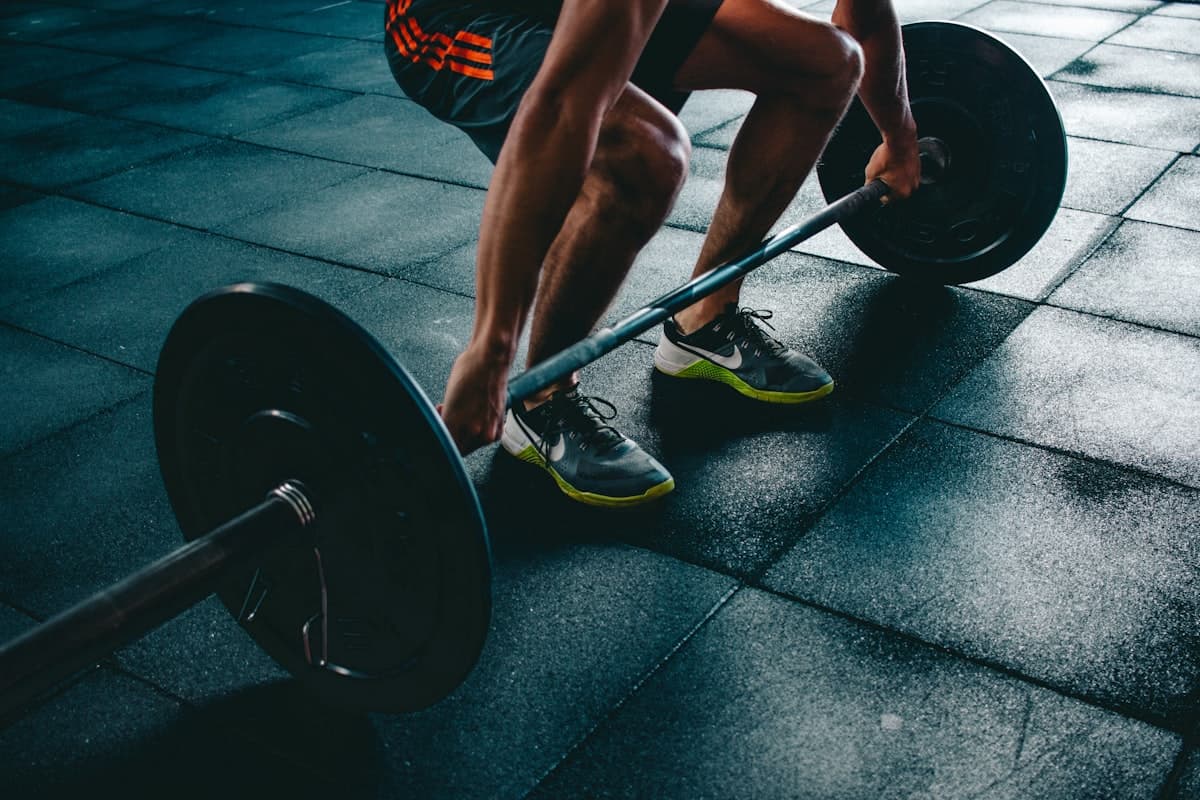
You want to start strength training at home. You have cleared a corner of your living room, watched a few YouTube videos, and now you are staring at an online store trying to decide between dumbbells and a kettlebell. The dumbbell vs kettlebell question seems simple at first, but the more you read, the more confusing it gets. Kettlebell advocates swear you only need one bell. Dumbbell purists insist nothing beats a proper set of iron. And every article you find is either selling you something or written by someone who clearly has never trained a beginner.
I have been lifting for over a decade -- dumbbells, kettlebells, barbells, sandbags, you name it. And I have gone through the biomechanics research, the EMG studies, and the calorie expenditure data so you do not have to. In the dumbbell vs kettlebell comparison, the honest answer is that both are excellent tools, but they excel at fundamentally different things. The right choice depends on your goals, your budget, your space, and honestly, your personality as a lifter.
If you are brand new to resistance training, start with our complete beginner's guide to strength training -- it covers the fundamentals this article builds on. But if you are ready to pick your tool, let me walk you through what the science actually says about the dumbbell vs kettlebell debate.
Quick Answer -- Dumbbell or Kettlebell?
Dumbbells are better for muscle building (hypertrophy), isolation exercises, and progressive overload thanks to their balanced weight distribution and small weight increments. Kettlebells are better for full-body conditioning, fat loss, and functional power because their offset center of mass enables ballistic movements like swings and cleans. For a home gym on a budget, a kettlebell gives you more training variety per dollar. For serious muscle growth, a set of dumbbells is hard to beat. The best home gym has both.
If that quick answer settled it for you, fantastic. But if you want the evidence -- the EMG data, the calorie studies, the design differences that actually matter, and the honest breakdown of which tool fits which goal -- keep reading.
| Dumbbell | Kettlebell | |
|---|---|---|
| Best for | Muscle building, isolation work, progressive overload | Full-body conditioning, fat loss, explosive power |
| Center of mass | Balanced -- evenly distributed | Offset -- below the handle |
| Grip options | Limited -- one grip per hand | Multiple -- top, side, bottom, horn holds |
| Calorie burn | Moderate -- controlled tempo | High -- ballistic movements elevate heart rate |
| Muscle growth | Excellent -- precise loading | Good -- but limited weight increments |
| Beginner friendly | Very -- intuitive movements | Moderate -- some exercises require coaching |
| Home gym cost | $200--$600 (adjustable set) | $25--$200 (1--3 bells) |
| Space needed | Minimal with adjustable set | Minimal -- single bells stack easily |
What Makes Dumbbells and Kettlebells Different? (Design, Grip, and Center of Mass)
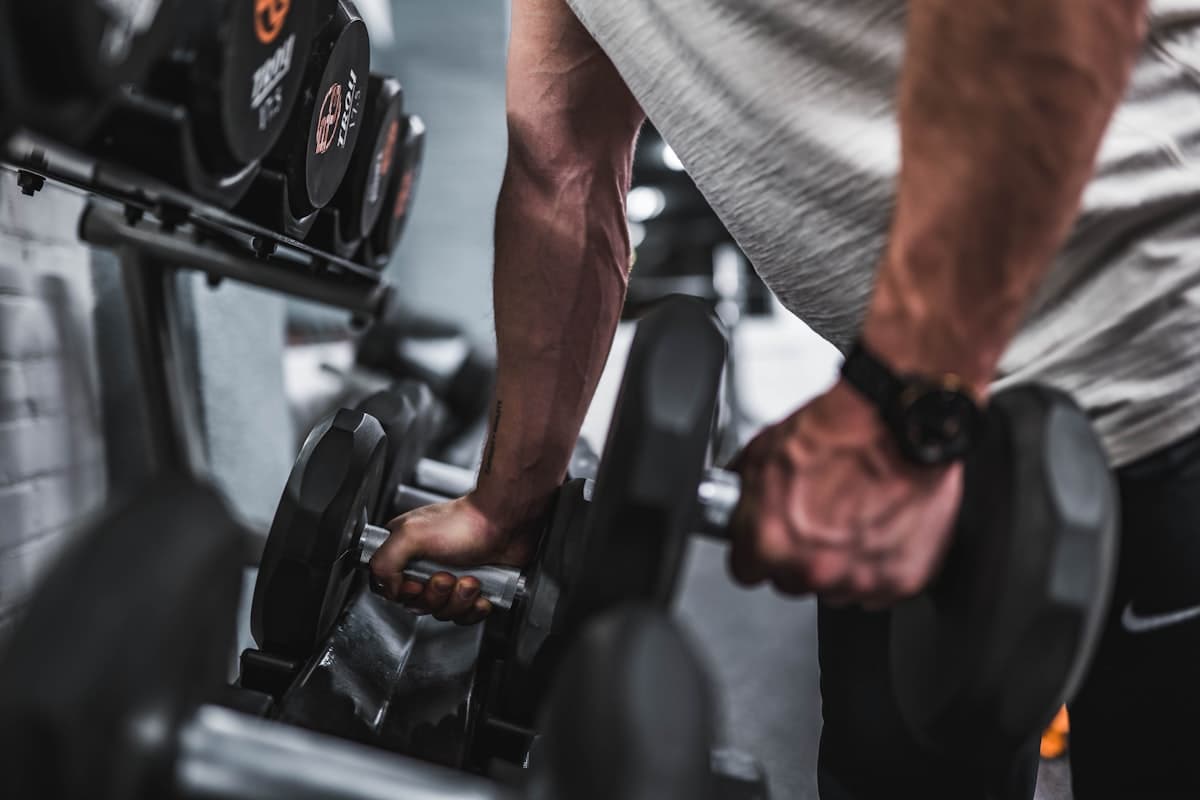
Before we talk about which one builds more muscle or burns more calories, you need to understand why these two tools feel so different in your hands. The answer comes down to physics -- specifically, where the weight sits relative to your grip.
Center of Mass -- The Fundamental Difference
A dumbbell has a symmetrical design. The weight is distributed evenly on both sides of the handle, which means the center of mass sits right in the middle of your grip. When you hold a dumbbell, the weight feels stable and predictable. It moves in a straight line because there is no leverage effect pulling it one way or another.
A kettlebell is a different animal. The weight hangs below a curved handle, like a cannonball with a loop on top. This creates an offset center of mass -- the weight sits several inches below where you grip it. That offset changes everything about how the tool moves and how your muscles respond.
Why does this matter? When you swing a kettlebell, the offset center of mass creates a pendulum effect. The weight wants to keep moving even after your arm stops. This is what makes ballistic exercises like kettlebell swings, cleans, and snatches possible -- and so effective. Your muscles have to work to both accelerate the weight and decelerate it, which is a different stimulus than the controlled pushing and pulling you do with dumbbells.
This center-of-mass difference is the single most important thing to understand in the dumbbell vs kettlebell comparison. It drives every other difference that follows -- grip variety, exercise selection, calorie expenditure, and muscle activation patterns.
Grip Variety
This is an underappreciated difference. A dumbbell gives you essentially one grip: your hand wraps around the handle, and that is it. It works well for what it is designed for.
A kettlebell offers multiple grip positions that change the exercise entirely:
- Top hold (by the horns): Great for goblet squats and presses
- Bottom hold (bell upside down): Challenges grip and stability, excellent for carries
- Rack position (bell rests on forearm): The foundation for kettlebell cleans, presses, and squats
- Overhead hold (through the handle): Used in Turkish get-ups and overhead carries
Each grip position shifts which muscles are working hardest and adds variety without needing a single extra piece of equipment. One kettlebell, five grip options, dozens of exercises.
Design Comparison at a Glance
| Feature | Dumbbell | Kettlebell |
|---|---|---|
| Weight distribution | Symmetrical, centered in hand | Asymmetrical, offset below handle |
| Handle type | Straight bar, fixed width | Curved horn, wide enough for one or two hands |
| Grip options | One primary grip | Multiple (top, side, bottom, rack, overhead) |
| Typical weight range | 1--100+ lbs per hand | 5--100+ lbs (usually sold in 4--8 lb increments) |
| Primary movement type | Slow, controlled, isolation | Fast (ballistic) and slow, compound |
| Resting position | In hand | On forearm (rack) or hanging |
Dumbbell vs Kettlebell for Muscle Building (What EMG Studies Show)
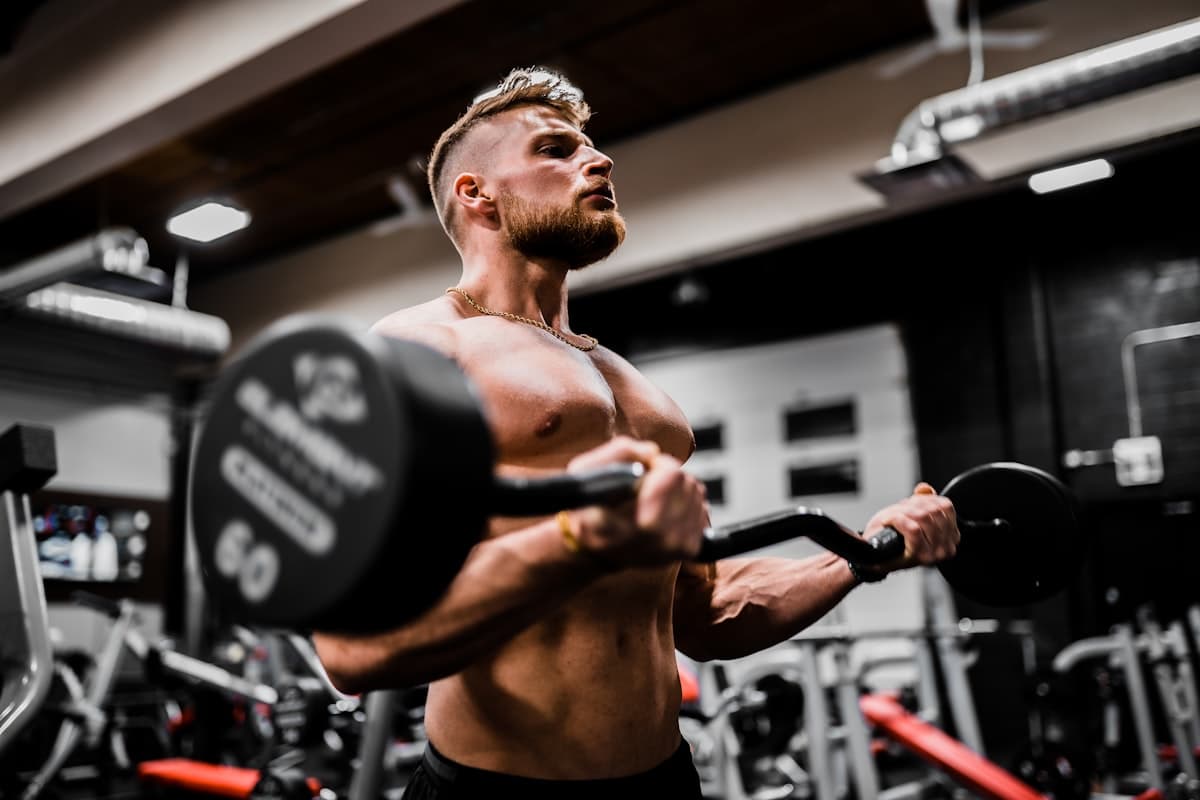
If your primary goal is building visible muscle -- bigger arms, broader shoulders, a more defined chest -- this is the section that matters most.
What the EMG Research Says
Electromyography (EMG) measures the electrical activity in your muscles during exercise. Higher EMG readings mean more muscle fibers are firing, which generally correlates with greater muscle growth potential. Several studies have compared dumbbell and kettlebell exercises using EMG, and the pattern is consistent.
For pressing movements (overhead press, chest press), research published in the Journal of Strength and Conditioning Research has shown that dumbbells produce slightly higher EMG activation in the prime movers -- the pecs during chest press, the deltoids during overhead press. The reason is straightforward: the balanced weight distribution of a dumbbell allows you to focus all your force directly on pushing the weight, with minimal stabilization demand pulling your effort elsewhere.
Kettlebell pressing, particularly the single-arm kettlebell press from the rack position, activates more stabilizer muscles in the core and shoulder. A study by McGill and colleagues in the Journal of Strength and Conditioning Research found that the kettlebell press generated significant activation in the latissimus dorsi and core musculature compared to a dumbbell press at the same load. So while the prime mover (shoulder) may get slightly less direct stimulation, the total-body involvement is higher.
For lower body work, the picture shifts. Kettlebell goblet squats produce comparable quad activation to dumbbell goblet squats at the same load, but the front-loaded position of the kettlebell demands more core engagement. And kettlebell swings -- the exercise most associated with kettlebell training -- produce extremely high EMG activation in the posterior chain (glutes, hamstrings, erector spinae). Research published in the Journal of Strength and Conditioning Research by McGill and Marshall (2012) found that kettlebell swings generated peak muscular activation in the glutes and hamstrings that rivaled or exceeded many traditional barbell and dumbbell exercises.
The Progressive Overload Problem
Here is where dumbbells pull ahead for muscle building. Progressive overload -- gradually increasing the weight you lift over time -- is the single most important driver of muscle growth. Dumbbells make this easy. You can increase by 2.5 or 5 pounds at a time. Adjustable dumbbells like the Bowflex SelectTech or PowerBlock let you dial in the exact weight you need in seconds.
Kettlebells are typically sold in 4-kilogram (about 9-pound) increments. Going from a 16 kg bell to a 20 kg bell is a 25% jump in weight. That is a massive leap, especially for upper body exercises. You either struggle with a weight that is too heavy or plateau with a weight that is too light. There are workarounds -- adding reps, changing tempo, switching to a harder variation -- but none of them are as clean as simply adding 2.5 pounds to a dumbbell.
This is one of the clearest differentiators in the dumbbell vs kettlebell debate for anyone focused on hypertrophy. Small weight increments matter more than most people realize.
Body Part Breakdown: Which Tool Wins Where?
| Body Part | Dumbbell Advantage | Kettlebell Advantage | Winner |
|---|---|---|---|
| Biceps | Curls feel natural, precise loading | Possible but awkward grip | Dumbbell |
| Shoulders | Direct pressing, lateral raises | Overhead stability, core bonus | Dumbbell (slight) |
| Chest | Flat/incline press feels stable | Floor press works, but limited | Dumbbell |
| Back | Rows are excellent | Renegade rows, high pulls | Tie |
| Legs | Lunges, split squats, RDLs | Goblet squats, swings | Tie |
| Core | Some carryover | Nearly every exercise hits core | Kettlebell |
| Posterior chain | RDLs, hip thrusts work well | Swings are unmatched | Kettlebell |
Want to combine your strength training with cardio for maximum results? Our HIIT vs LISS cardio for fat loss guide breaks down how to structure your conditioning alongside resistance training.
Which Burns More Calories: Dumbbells or Kettlebells?
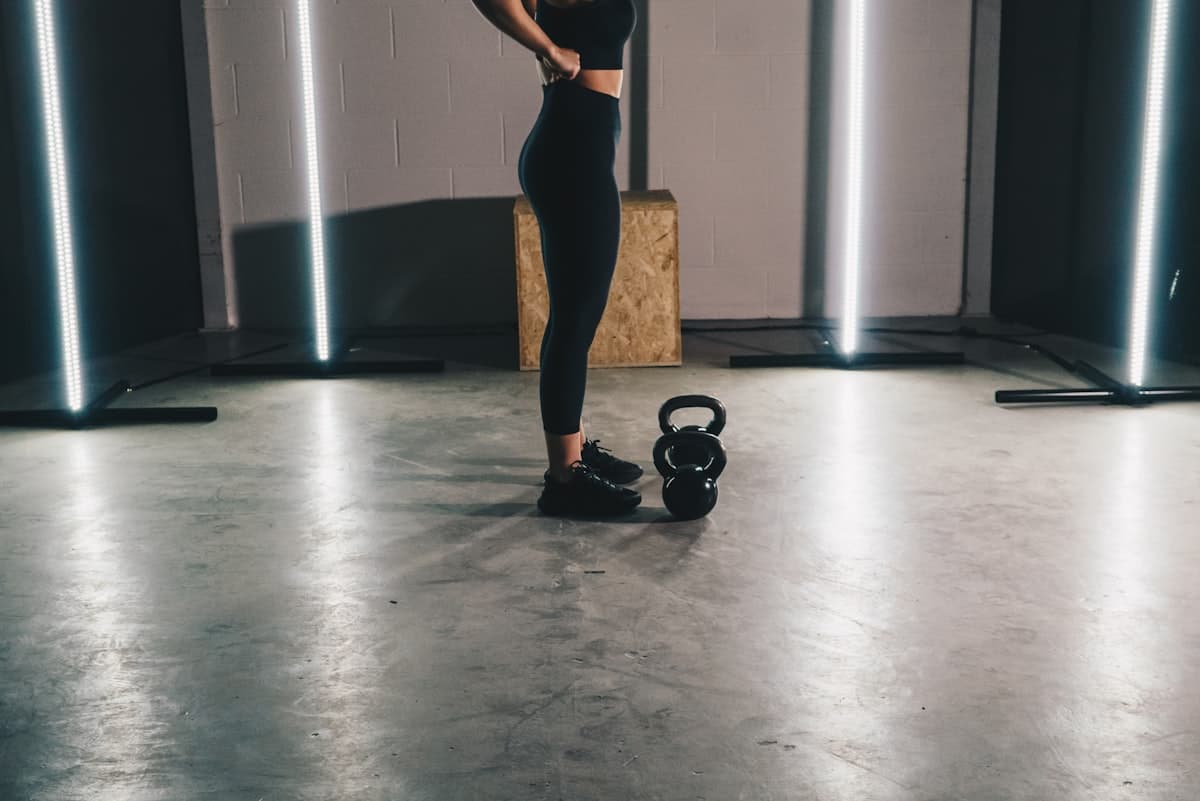
When people ask about the dumbbell vs kettlebell debate for fat loss, this section usually settles it.
The ACE Kettlebell Study
The most widely cited research on kettlebell calorie expenditure comes from a study sponsored by the American Council on Exercise (ACE) and conducted by researchers at the University of Wisconsin, La Crosse. The study found that participants performing kettlebell swings (using a 35 lb kettlebell on average) burned approximately 13.6 calories per minute aerobically and 6.6 calories per minute anaerobically -- roughly 20 calories per minute total during the work intervals.
Over a 20-minute kettlebell workout, that translates to approximately 400 calories. Over 30 minutes, you are looking at 400--600 calories depending on your body weight, fitness level, and the specific exercises you choose. Those numbers are comparable to running at a 6-minute-mile pace. Not bad for standing in one spot with a single piece of iron.
The reason kettlebells burn so many calories comes down to the type of movement they encourage. Ballistic exercises like swings, cleans, and snatches are essentially resistance training performed at cardio intensity. Your heart rate spikes, your legs and hips generate explosive power, and your whole body works as a unit. You get the muscle stimulus of strength training and the calorie burn of cardiovascular exercise simultaneously.
Dumbbell Calorie Expenditure
Dumbbell training tends to burn fewer calories per minute because the exercises are slower and more controlled. A standard dumbbell circuit -- presses, rows, squats, lunges -- burns roughly 5--8 calories per minute, or about 150--240 calories in a 30-minute session. This is still respectable, especially if you keep rest periods short, but it does not match the metabolic demand of a kettlebell swing workout.
The tradeoff is that dumbbell workouts allow you to target specific muscles with greater precision and heavier loads, which means more muscle growth over time. More muscle means a higher resting metabolic rate. So dumbbells may burn fewer calories during the workout but can contribute to burning more calories all day through increased muscle mass.
In the dumbbell vs kettlebell calorie comparison, kettlebells win during the session. Dumbbells may win over the long haul through muscle accumulation.
Goal-Based Calorie Summary
| Goal | Better Choice | Why |
|---|---|---|
| Maximum calorie burn per session | Kettlebell | Ballistic exercises elevate heart rate higher |
| Long-term fat loss through muscle gain | Dumbbell (or both) | More muscle = higher resting metabolism |
| Time-efficient fat loss | Kettlebell | Same calorie burn in less time |
| Sustainable fat loss for beginners | Dumbbell | Easier to learn, lower injury risk |
Best Exercises for Each: 5 Dumbbell Moves and 5 Kettlebell Moves
The best way to understand the dumbbell vs kettlebell difference is to see what each tool does best. Below are five signature exercises for each -- and this dumbbell vs kettlebell exercise breakdown makes the strengths of each tool obvious.
5 Essential Dumbbell Exercises
1. Dumbbell Chest Press
- Target muscles: Chest, triceps, anterior deltoids
- Why dumbbells: The balanced weight lets you press smoothly through a full range of motion. You get a better stretch at the bottom and a stronger squeeze at the top compared to kettlebells.
- Beginner tip: Start light and focus on keeping your shoulder blades pinched together on the bench.
2. Dumbbell Overhead Press
- Target muscles: Shoulders, triceps, upper chest
- Why dumbbells: Each arm works independently, which prevents your stronger side from compensating. You can also adjust your elbow angle to target different parts of the shoulder.
- Beginner tip: Brace your core hard. The press is only as strong as your midsection.
3. Dumbbell Bent-Over Row
- Target muscles: Upper back, lats, biceps, rear deltoids
- Why dumbbells: The rowing motion feels natural with a dumbbell. You can pull your elbow back and squeeze your shoulder blade without the grip complexity of a kettlebell.
- Beginner tip: Keep your back flat. If your lower back rounds, you are using too much weight.
4. Dumbbell Bicep Curl
- Target muscles: Biceps, forearms
- Why dumbbells: This is the exercise where dumbbells win by a landslide. The grip, the range of motion, and the ability to supinate your wrist (rotate your palm up) at the top make dumbbells the gold standard for arm training. You can curl a kettlebell, but it feels awkward and limits your range.
- Beginner tip: Control the lowering phase. The eccentric is where a lot of the growth happens.
5. Dumbbell Reverse Lunge
- Target muscles: Quads, glutes, hamstrings, core
- Why dumbbells: Holding a dumbbell in each hand keeps you balanced. The weight sits naturally at your sides and does not interfere with your leg movement.
- Beginner tip: Step back far enough that your front shin stays vertical at the bottom of the lunge.
5 Essential Kettlebell Exercises
1. Kettlebell Swing
- Target muscles: Glutes, hamstrings, core, grip, cardiovascular system
- Why kettlebells: The swing is the king of kettlebell exercises, and it simply does not work with a dumbbell the way it does with a kettlebell. The offset center of mass creates the pendulum effect that makes the swing a posterior chain powerhouse. Research consistently shows swings produce peak glute and hamstring activation comparable to heavy barbell hip thrusts and deadlifts.
- Beginner tip: The swing is a hip hinge, not a squat. Your hips drive the movement. Your arms are just along for the ride.
2. Kettlebell Goblet Squat
- Target muscles: Quads, glutes, core, upper back
- Why kettlebells: Holding the kettlebell by the horns in front of your chest acts as a counterbalance that naturally improves your squat depth and posture. It is arguably the best squat variation for beginners.
- Beginner tip: Drive your elbows apart with your knees at the bottom of the squat.
3. Kettlebell Clean
- Target muscles: Hips, legs, back, shoulders, grip
- Why kettlebells: The clean teaches you to generate power from your hips and catch the weight smoothly in the rack position. It is a full-body coordination exercise that builds explosive strength and trains timing.
- Beginner tip: The bell should float up, not flip over and slam your forearm. If your forearms are bruised, you are muscling it instead of using your hips.
4. Kettlebell Press
- Target muscles: Shoulders, triceps, core, lats
- Why kettlebells: Pressing from the rack position with the bell resting on your forearm creates a unique stability demand. Your lats and core work overtime to keep you braced. It is a press that trains your entire torso, not just your shoulder.
- Beginner tip: Squeeze your glutes and brace your abs before you press. A wobbly foundation means a weaker press.
5. Turkish Get-Up
- Target muscles: Full body -- shoulders, core, hips, legs, grip
- Why kettlebells: The Turkish get-up is one of the most complete full-body exercises you can do with any piece of equipment. You start lying on the floor holding the bell overhead, and you stand up -- then reverse the sequence -- all while keeping the weight locked out above you. It builds shoulder stability, core strength, hip mobility, and total-body coordination. You can technically do this with a dumbbell, but the kettlebell's handle and offset weight make the movement feel more natural and secure.
- Beginner tip: Learn this shoe-less first. Balance a shoe on your closed fist. If the shoe falls, your arm is drifting. Master the movement pattern before adding weight.
Home Gym Showdown: Space, Cost, and Practicality Compared
Most people reading this are not outfitting a commercial gym. You want to know what fits in your apartment, your budget, and your life. In the dumbbell vs kettlebell home gym matchup, let me break it down.
Cost Comparison
| Setup | Approximate Cost | What You Get |
|---|---|---|
| Single kettlebell | $25--$60 | One weight, dozens of exercises |
| Pair of kettlebells (2 weights) | $50--$150 | Full-body training with some weight variety |
| Fixed dumbbell pair (one weight) | $20--$80 | Limited to one weight per exercise |
| Adjustable dumbbell pair | $200--$600 | Full weight range (5--52.5 lbs or 10--90 lbs each) |
| Fixed dumbbell set (5--50 lb range) | $300--$800+ | Complete set, but requires rack |
| Best budget combo | $100--$200 | Adjustable dumbbells + 1 kettlebell |
Adjustable dumbbells like the Bowflex SelectTech 552 (adjustable from 5 to 52.5 lbs per hand) or PowerBlock Elite (adjustable from 5 to 50 lbs) are the most space-efficient dumbbell option. They replace 15 pairs of traditional dumbbells in the footprint of a single pair. The downside is that they are expensive upfront and some people find them slightly bulky for certain exercises.
Kettlebells are simpler. You buy a weight, and you use it. A single 16 kg (35 lb) kettlebell costs roughly $40--$70 and can provide a lifetime of training. The limitation is that as you get stronger, you will eventually want heavier bells. Three kettlebells (light, medium, heavy) cover most training needs and cost $100--$200 total.
Beginner Weight Recommendations
| Your Body Weight | Recommended Starting Kettlebell | Recommended Starting Dumbbell |
|---|---|---|
| Under 130 lbs | 8--12 kg (18--26 lbs) | 5--15 lb pair |
| 130--170 lbs | 12--16 kg (26--35 lbs) | 10--20 lb pair |
| 170--210 lbs | 16--20 kg (35--44 lbs) | 15--25 lb pair |
| Over 210 lbs | 16--24 kg (35--53 lbs) | 20--30 lb pair |
These are starting weights. You will outgrow them, which is exactly the point. The key is learning form with a weight that is heavy enough to feel like work but light enough that you are not fighting for survival.
Space Requirements
A set of adjustable dumbbells takes up roughly 2 square feet of floor space. A single kettlebell takes up about 1 square foot. Three kettlebells in a corner take up about 3 square feet. Compare that to a traditional dumbbell set with a rack, which requires 8--15 square feet of dedicated floor space and a couple hundred dollars for the rack itself.
For an apartment or small home gym, the winner is clear: adjustable dumbbells or a small set of kettlebells. Both fit in a closet when you are not using them.
Can Kettlebells Replace Dumbbells Entirely? (The Honest Answer)
Can kettlebells replace dumbbells? Partially, yes -- a kettlebell alone can provide a highly effective full-body workout that builds strength, endurance, and cardiovascular fitness. But kettlebells cannot fully replace dumbbells for isolation exercises like bicep curls, lateral raises, and flyes, and the large weight increments make progressive overload harder to manage. For general fitness and fat loss, one or two kettlebells are enough. For serious muscle building, you will want dumbbells too.
This is the question that shows up in every fitness forum, and most answers fall into one of two camps: kettlebell zealots who say you only need one bell for everything, or gym traditionalists who dismiss kettlebells as a fad. Neither is right.
Here is the nuanced truth. A single kettlebell can give you a complete training program. Swings for your posterior chain and conditioning. Goblet squats for your legs. Presses for your shoulders and arms. Rows for your back. Turkish get-ups for everything. That covers 90% of what most people need from a fitness program.
The missing 10% is isolation work. If you want bigger arms, you really do want to curl. And curling a kettlebell is awkward -- the grip is wrong, the weight distribution fights you, and the movement never feels as smooth as a dumbbell curl. The same goes for lateral raises, chest flyes, and tricep extensions. These are not vanity exercises -- they are legitimate tools for balanced muscle development and joint health.
So if you are training for general fitness, fat loss, or functional strength and you are on a tight budget or in a small space, a kettlebell (or two) is genuinely enough. But if you care about maximizing muscle growth or you enjoy the variety of having many exercises at your disposal, you will eventually want dumbbells alongside your kettlebells.
Quick Comparison Table: Dumbbell vs Kettlebell
| Factor | Dumbbell | Kettlebell |
|---|---|---|
| Center of mass | Balanced, centered in hand | Offset, hangs below handle |
| Grip options | One primary grip | Multiple (top, side, bottom, rack, overhead) |
| Best exercises | Presses, curls, rows, lunges | Swings, cleans, get-ups, goblet squats |
| Muscle building efficiency | Excellent -- precise loading | Good -- limited by weight increments |
| Calorie burn per session | Moderate (5--8 cal/min) | High (15--20 cal/min during ballistic work) |
| Beginner friendliness | Very high -- intuitive movements | Moderate -- some exercises need coaching |
| Home gym space | Minimal (adjustable set) | Minimal (1--3 bells) |
| Cost to get started | $20--$80 (basic pair) / $200+ (adjustable) | $25--$70 (single bell) |
| Safety | Very safe -- controlled movements | Generally safe, but ballistic exercises need good form |
| Progressive overload | Excellent -- small weight increments | Limited -- typically 4 kg jumps |
| Unilateral training | Excellent -- natural one-arm work | Good -- but grip can be limiting |
| Full-body workout efficiency | Good | Excellent -- most exercises are compound |
| Skill ceiling | Moderate | High -- many exercises take months to master |
| Durability | Excellent -- virtually indestructible | Excellent -- virtually indestructible |
So, Which Should You Choose? (Purpose-Based Recommendations)
There is no universal winner in the dumbbell vs kettlebell debate. But there is a clear winner for your situation. Here is the breakdown.
| Your Primary Goal | Best Choice | Why |
|---|---|---|
| Fat loss | Kettlebell | Ballistic exercises burn more calories per minute |
| Muscle building | Dumbbell | Progressive overload and isolation work drive hypertrophy |
| Small apartment gym | Adjustable dumbbell set | One pair replaces 15 weights in 2 square feet |
| Tight budget | 1--2 kettlebells | Most training variety per dollar spent |
| Functional fitness / athletic performance | Kettlebell | Explosive power, grip strength, full-body coordination |
| Rehab or muscle imbalances | Dumbbell | Unilateral training corrects left/right asymmetries |
| Total beginner (never lifted) | Dumbbell | More intuitive exercises, lower learning curve |
| Time-efficient workouts | Kettlebell | Full-body conditioning in 15--20 minutes |
| Best of both worlds | Adjustable dumbbells + 1 kettlebell | Covers every training goal for under $300 |
My Honest Recommendation for Beginners
If you are just starting out and can only buy one thing in the dumbbell vs kettlebell decision, get a pair of adjustable dumbbells in the 10--50 lb range. They give you the widest variety of exercises, the most straightforward learning curve, and the best progressive overload. You can train every major muscle group effectively and build a solid foundation of strength.
Once you have been training consistently for a few months and want to add conditioning and power work, buy a single kettlebell. A 16 kg (35 lb) bell for men or a 12 kg (26 lb) bell for women is the standard starting recommendation. Add swings, goblet squats, and Turkish get-ups to your routine and you have a complete home gym setup that covers strength, conditioning, and mobility.
Supporting Your Training Beyond Equipment
Strength training does not happen in a vacuum. Your results depend on what you do outside your workouts too.
Recovery matters as much as the workout itself. If you are training hard with dumbbells or kettlebells, you will be sore. Our foam roller vs massage gun comparison breaks down which recovery tool fits your needs and budget.
Nutrition is the other half of the equation. You cannot build muscle without adequate protein, and the source matters more than most people think. Our plant protein vs whey protein guide covers the science behind both options so you can make an informed choice.
And if you want to balance your strength work with flexibility and core control, our yoga vs Pilates for beginners guide helps you pick the right complement to your lifting routine.
Frequently Asked Questions
Can kettlebells replace dumbbells completely?
Not entirely. Kettlebells can handle the majority of a full-body training program -- pressing, squatting, hinging, pulling, and conditioning are all covered. But isolation exercises like bicep curls, lateral raises, and tricep extensions are awkward or impossible to perform effectively with a kettlebell. If you want complete muscular development or you enjoy arm training, you will want at least a pair of light dumbbells alongside your kettlebells. For general fitness and fat loss, one or two kettlebells are sufficient.
Which burns more calories: dumbbells or kettlebells?
In the dumbbell vs kettlebell calorie comparison, kettlebells burn significantly more calories per minute during the workout. The ACE-commissioned study found kettlebell swings burned approximately 20 calories per minute (combined aerobic and anaerobic), which is comparable to running at a fast pace. A typical dumbbell circuit burns about 5--8 calories per minute. However, dumbbells may contribute to more muscle growth over time, which increases your resting metabolic rate. For immediate calorie burn, kettlebells win. For long-term metabolic benefits through increased muscle mass, dumbbells have an edge.
Are kettlebells better than dumbbells for beginners?
In the dumbbell vs kettlebell debate for beginners, it depends on the beginner. Dumbbells are generally more beginner-friendly because the exercises are intuitive -- you pick them up, you press them, you curl them, you squat with them. The learning curve is short and the injury risk with basic movements is low. Kettlebells require more technique, especially for exercises like swings and cleans. Done incorrectly, a kettlebell swing can stress your lower back. That said, a kettlebell goblet squat is one of the best beginner exercises for any equipment, and it is hard to do wrong. If you are a complete beginner who plans to train alone at home without coaching, start with dumbbells.
What weight kettlebell should a beginner start with?
The standard recommendations are 12--16 kg (26--35 lbs) for men and 8--12 kg (18--26 lbs) for women. These weights are heavy enough to challenge you on swings and squats but manageable enough to learn form safely. A common mistake is starting too light. A 5 kg kettlebell feels easy on day one but becomes useless within a few weeks for most compound exercises. If you are unsure, go slightly heavier rather than lighter -- you can always do fewer reps while you build strength.
Can you build muscle with just kettlebells?
Yes, with caveats. You can build significant muscle with kettlebells, especially in your legs, back, shoulders, and core. Exercises like double kettlebell front squats, presses, rows, and lunges provide more than enough stimulus for muscle growth. The limitation is progressive overload. Because kettlebells jump in 4 kg increments, you may find yourself stuck between weights as you get stronger. You can compensate by adding reps, slowing the tempo, or switching to harder exercise variations, but it is not as straightforward as adding 2.5 lbs to a dumbbell.
Are adjustable dumbbells worth it compared to kettlebells?
For most home gym owners, yes. Adjustable dumbbells give you a wide weight range in a compact package. The Bowflex SelectTech 552, for example, adjusts from 5 to 52.5 lbs per hand in 2.5 lb increments -- that is 15 pairs of dumbbells in one set. The tradeoff is cost ($250--$500) and the fact that adjustable dumbbells are not ideal for ballistic movements. You cannot effectively swing an adjustable dumbbell. If you want both strength training variety and ballistic conditioning, adjustable dumbbells plus a single kettlebell is the most versatile home gym combo.
Which is safer for joints: dumbbells or kettlebells?
Both are safe when used with proper form. Dumbbells have a slight edge for joint safety because the movements are typically slower and more controlled. You are less likely to accidentally hyperextend or jerk a joint during a dumbbell press than during a kettlebell clean. Kettlebell exercises -- particularly swings and snatches -- involve fast, repetitive movements that can aggravate existing shoulder, elbow, or lower back issues if your form breaks down. If you have pre-existing joint problems, start with dumbbells and add kettlebells once you have built a foundation of strength and movement quality.
Can you do kettlebell swings with a dumbbell?
Technically yes, but it is not the same exercise. You can hold a single dumbbell vertically by one end and swing it between your legs. The hip hinge pattern is the same and you will still work your glutes and hamstrings. But the movement feels different -- the dumbbell's balanced center of mass means you do not get the same pendulum effect that makes kettlebell swings so effective. The dumbbell also tends to rotate or slip during the swing, which can be awkward and potentially dangerous at higher speeds. If you only have dumbbells, dumbbell Romanian deadlifts and hip thrusts are better posterior chain alternatives than trying to mimic a kettlebell swing.
The Bottom Line
The dumbbell vs kettlebell debate is not a competition with a single winner. It is a question of matching the right tool to the right job.
Dumbbells are the precision instrument of strength training. They give you exact weights, isolation exercises, and the most straightforward path to building muscle. If you want bigger arms, a broader chest, or you simply want the most versatile tool that covers every exercise you can think of, dumbbells are your foundation.
Kettlebells are the conditioning powerhouse. They torch calories, build explosive power, train your grip and core in ways dumbbells cannot match, and give you a full-body workout in 20 minutes that leaves you gasping. If fat loss, functional strength, or time-efficient training is your priority, kettlebells deliver.
The best answer for most people is both. A pair of adjustable dumbbells and a single kettlebell gives you a complete home gym that fits in a closet, costs less than a single month of a commercial gym membership (spread over years), and covers every training goal from muscle building to fat loss to athletic conditioning.
And if you are still on the fence, just pick one and start. The worst choice you can make is spending another month researching equipment instead of actually lifting it. Your muscles do not care whether the weight is balanced or offset. They care that you are challenging them consistently.
Which did you choose -- dumbbells, kettlebells, or both? Drop a comment and share your setup. I read every one.
Related guides:
- New to lifting? Start with our complete beginner's guide to strength training
- Combine strength with cardio: HIIT vs LISS cardio for fat loss
- Recover faster: Foam roller vs massage gun
- Fuel your training: Plant protein vs whey protein
- Balance strength with flexibility: Yoga vs Pilates for beginners
Brown Rice vs White Rice: Which Is Actually Healthier? What Science Says (2026 Guide)
Next →Epsom Salt Bath vs Ice Bath: Which Is Better for Muscle Recovery? (Science-Backed 2026 Guide)


