Probiotics vs Prebiotics: What's the Difference and Which One Do You Actually Need? (2026)
Probiotics vs prebiotics — learn the key differences, benefits, best food sources, and whether you need one or both for better gut health.
Probiotics vs Prebiotics: What's the Difference and Which One Do You Actually Need?
You're standing in the supplement aisle, and the wall in front of you is a blur of bottles with labels like "50 billion CFU," "multi-strain formula," "prebiotic fiber blend," and "synbiotic complex." Somewhere in that maze is the right product for you — but first, you'd need to know whether you even need probiotics, prebiotics, or something else entirely.
Most people can't answer that. And honestly, it's not their fault. The terms get thrown around interchangeably in marketing, on social media, and even in some health articles. But probiotics vs prebiotics isn't a minor distinction — they're fundamentally different things that do different jobs in your gut.
Here's what this guide covers: the real difference between probiotics and prebiotics, what the science says about their benefits, which foods are richest in each, how synbiotics (the combination of both) work, and — most importantly — which one actually makes sense for your situation.
Quick Answer — What Is the Difference Between Probiotics and Prebiotics?

The difference between probiotics and prebiotics comes down to one sentence: probiotics are living beneficial bacteria, and prebiotics are the specialized plant fibers those bacteria feed on.
Think of your gut like a garden. Probiotics are the seeds you plant — live microorganisms that, when consumed in adequate amounts, provide a health benefit. Prebiotics are the fertilizer — non-digestible fibers that nourish the beneficial bacteria already living in your gut, helping them grow and thrive.
Here's the quick comparison:
| Feature | Probiotics | Prebiotics |
|---|---|---|
| What they are | Live beneficial bacteria & yeasts | Non-digestible dietary fibers |
| What they do | Add good microbes to your gut | Feed the good microbes already there |
| Found in | Yogurt, kefir, kimchi, sauerkraut, supplements | Garlic, onions, bananas, oats, asparagus, supplements |
| Sensitive to | Heat, stomach acid, time | Relatively stable |
| Regulation | Dietary supplements (FDA) | Dietary supplements / food ingredients |
Neither one is "better" than the other. They serve complementary roles, and as you'll see, there are good reasons to consider both.
What Exactly Are Probiotics and Prebiotics?

What Do Probiotics Do?
So what do probiotics do, exactly? According to the widely accepted definition established by the International Scientific Association for Probiotics and Prebiotics (ISAPP) and the World Health Organization, probiotics are "live microorganisms that, when administered in adequate amounts, confer a health benefit on the host."
In plain terms, they're specific strains of bacteria (and occasionally yeasts) that survive the trip through your stomach acid and take up residence in your intestines, where they help maintain a healthy microbial balance. The two most common genera are Lactobacillus and Bifidobacterium, though the yeast Saccharomyces boulardii is also widely used.
The mechanisms are multiple. Probiotics compete with harmful bacteria for space and nutrients, produce antimicrobial substances, strengthen the gut barrier, and modulate immune responses. Some strains also synthesize vitamins — particularly K and certain B vitamins — and help break down compounds your body can't digest on its own.
Here's a snapshot of the most researched strains and what they're known for:
| Strain | Primary Benefit | Evidence Level |
|---|---|---|
| Lactobacillus rhamnosus GG | Diarrhea prevention, immune support | Strong |
| Lactobacillus acidophilus | Digestive health, lactose digestion | Moderate-Strong |
| Bifidobacterium longum | IBS symptom relief, gut barrier function | Moderate |
| Bifidobacterium lactis | Immune function, constipation | Moderate-Strong |
| Saccharomyces boulardii | Antibiotic-associated diarrhea | Strong |
One important caveat: probiotic benefits are strain-specific. That means L. rhamnosus GG and L. rhamnosus HN001 may have different effects, even though they share the same species name. This is why it's hard to make blanket statements about "probiotics" in general — the strain matters more than the category.
What Do Prebiotics Do?
Prebiotics are a class of non-digestible food components — mostly specific types of dietary fiber — that selectively stimulate the growth and activity of beneficial bacteria in your colon. Unlike most nutrients, your body can't break prebiotics down in the stomach or small intestine. Instead, they travel intact to the large intestine, where your gut bacteria ferment them.
That fermentation process is where the magic happens. When beneficial bacteria ferment prebiotic fibers, they produce short-chain fatty acids (SCFAs) — primarily acetate, propionate, and butyrate. These SCFAs are far more than byproducts. Butyrate, for example, is the primary energy source for the cells lining your colon (colonocytes), and it plays a critical role in maintaining gut barrier integrity and reducing inflammation.
The main types of prebiotics include:
- Inulin: Found naturally in chicory root, garlic, onions, and Jerusalem artichokes. The most widely studied prebiotic.
- Fructooligosaccharides (FOS): Shorter-chain relatives of inulin, found in bananas, garlic, and asparagus.
- Galactooligosaccharides (GOS): Produced from lactose; found naturally in legumes and some dairy products.
- Resistant starch: A type of starch that resists digestion in the small intestine, found in cooled potatoes, green bananas, and oats.
Multiple human trials have shown that prebiotic supplementation can meaningfully increase populations of Bifidobacteria, sometimes within a couple of weeks, though exact timelines vary by dose and individual. And because prebiotics feed your existing gut flora rather than introducing new organisms, their effects can be more sustainable over time.
Benefits Compared — What Does the Science Say?

When weighing probiotics vs prebiotics, the evidence for each is strong in certain areas and still developing in others. Here's where the science stands.
Probiotic Benefits
Antibiotic-associated diarrhea. This is the most robustly supported probiotic benefit. A meta-analysis of randomized placebo-controlled trials found that probiotics reduced the incidence of antibiotic-associated diarrhea by about 38% (pooled relative risk 0.62). The strains with the strongest evidence include L. rhamnosus GG and S. boulardii.
Irritable bowel syndrome (IBS). A systematic review and network meta-analysis of 43 randomized controlled trials found that certain probiotic strains — including Bacillus coagulans, Lactobacillus plantarum, and Bifidobacterium species — provided relief from IBS symptoms including bloating, abdominal pain, and global symptom scores, although the most effective strains varied across symptom types.
Immune function. Probiotics influence immune function through the gut-associated lymphoid tissue (GALT). A Cochrane review of 24 trials found that probiotics may reduce both the number of people who experience upper respiratory tract infections and the average duration of episodes, although the certainty of the evidence ranged from low to moderate. If you're interested in a broader approach to immune support through diet, this guide on anti-inflammatory foods that support gut health covers complementary strategies.
The gut-brain axis. This is one of the most exciting frontiers in probiotic research. Studies have found that certain Lactobacillus and Bifidobacterium strains can influence mood and stress responses through the vagus nerve and neurotransmitter production. A 2019 systematic review and meta-analysis (Liu et al., Neuroscience & Biobehavioral Reviews) found that probiotic supplementation had a small but statistically significant effect on depression and anxiety scores, with larger effects in clinically diagnosed samples. The effect sizes were modest, however, and the authors emphasized that larger, higher-quality trials are needed before clinical recommendations can be made.
Prebiotic Benefits
Prebiotic research has expanded significantly in recent years, and the evidence for several health benefits is growing.
Gut barrier strengthening. The SCFAs produced during prebiotic fermentation — especially butyrate — are critical for maintaining the integrity of your intestinal lining. A compromised gut barrier (sometimes called "leaky gut") has been linked to systemic inflammation, autoimmune conditions, and metabolic disorders.
Improved mineral absorption. Research reviews report that inulin-type prebiotic fibers can increase calcium (and, in some studies, magnesium) absorption in the colon, with the strongest human evidence in adolescents for calcium. This makes nutritional sense — if you're also taking magnesium supplements, prebiotics may help your body utilize them more effectively, though the magnesium evidence is more limited than the calcium data.
Blood sugar regulation. A randomized controlled trial in the British Journal of Nutrition found that the prebiotic resistant dextrin improved insulin resistance and inflammatory markers in women with type 2 diabetes, likely through SCFA-mediated effects on metabolism. Results across prebiotic types remain mixed, so this is best described as a promising rather than settled benefit.
Weight management. Prebiotics may support healthy body weight through multiple mechanisms. SCFAs stimulate the release of satiety hormones like GLP-1 and PYY, which help regulate appetite. Pooled analyses suggest prebiotic supplementation is associated with modest reductions in body weight and fat mass, though the effects are generally small and most pronounced in people who are overweight. This remains an area where the evidence is still developing.
Where They Overlap and Where They Differ
Both probiotics and prebiotics ultimately support gut health, but they get there through different pathways. Probiotics are more like a direct intervention — you're introducing specific organisms to address specific issues. Prebiotics are more like infrastructure — you're creating conditions that allow your gut ecosystem to thrive on its own.
| Situation | Probiotics Have the Edge | Prebiotics Have the Edge |
|---|---|---|
| After antibiotics | Direct replacement of lost bacteria | — |
| Acute diarrhea | Faster symptomatic relief | — |
| Chronic constipation | Moderate evidence | Stronger evidence (increases stool bulk) |
| Ongoing gut maintenance | Good | Excellent |
| Blood sugar control | Limited evidence | Growing evidence |
| Immune support during illness | Good evidence for specific strains | Indirect but meaningful |
| Long-term metabolic health | Mixed | Promising |
If you're already focusing on omega-3 fatty acids for inflammation or exploring how collagen peptides support digestive health, adding prebiotics and probiotics to the picture gives you a more complete approach to gut health.
Prebiotic Foods vs Supplements — Which Is Better?
Prebiotic Foods List
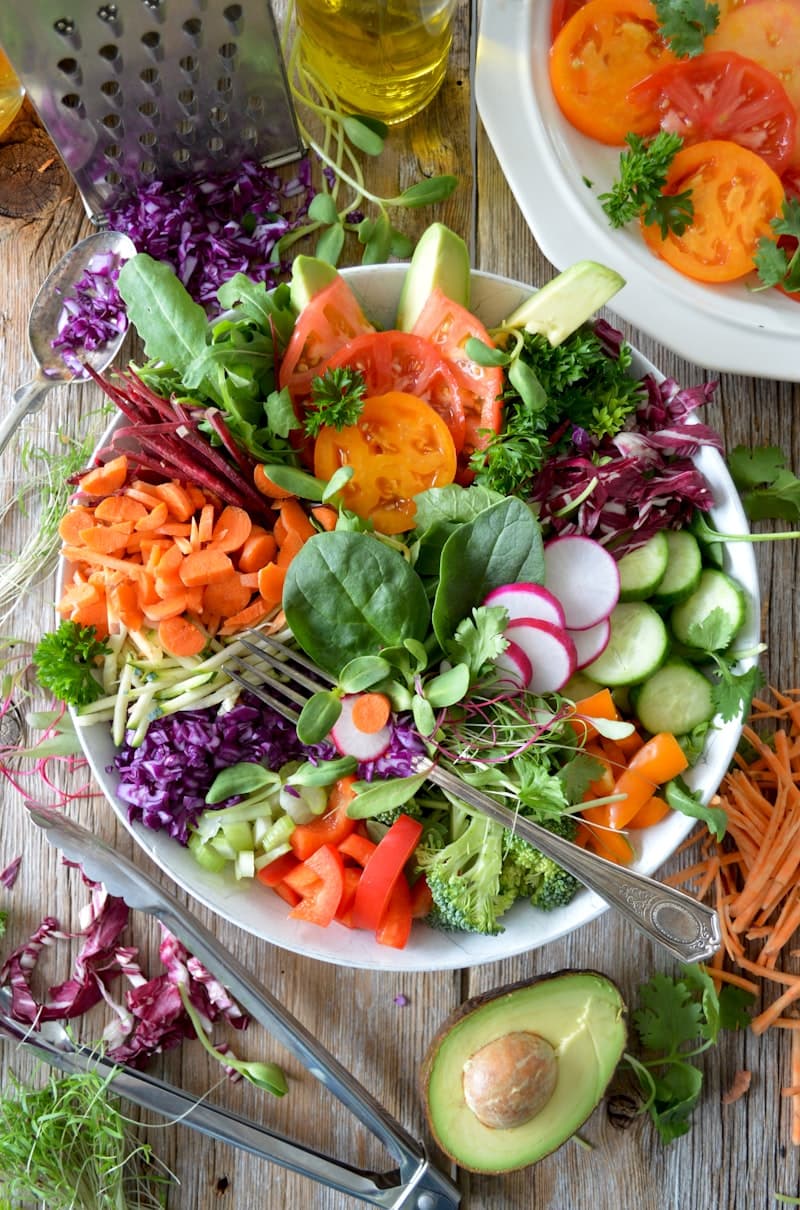
You don't need to buy a supplement to get prebiotics. Some of the most powerful prebiotic foods are probably already in your kitchen. Here are the top sources:
| Food | Key Prebiotic | Approx. Amount per Serving |
|---|---|---|
| Chicory root | Inulin | ~15g per 1/4 cup (root) |
| Garlic | Inulin, FOS | ~1g per clove |
| Onions (raw) | Inulin, FOS | ~2–4g per medium onion |
| Leeks | Inulin, FOS | ~3g per 1/2 cup |
| Asparagus | Inulin, FOS | ~2g per 1/2 cup |
| Bananas (slightly green) | FOS, resistant starch | ~1–2g per banana |
| Oats | Beta-glucan, resistant starch | ~2–3g per 1/2 cup dry |
| Apples | Pectin | ~1–2g per medium apple |
| Flaxseeds | Mucilage fiber | ~2g per 2 tablespoons |
| Kimchi | Multiple fibers + probiotics | Varies by preparation |
A practical note: raw versions of these foods generally contain more intact prebiotics than cooked ones, since heat can break down some of the fiber structure. That said, cooking doesn't eliminate prebiotics entirely — it just reduces them. Eating a mix of raw and cooked is a reasonable approach.
Probiotic-Rich Foods
| Food | Key Strains | Notes |
|---|---|---|
| Yogurt (live-cultured) | L. bulgaricus, S. thermophilus, sometimes L. acidophilus | Look for "live and active cultures" on the label |
| Kefir | Multiple Lactobacillus and Bifidobacterium strains | Typically more diverse than yogurt |
| Kimchi | Various Lactobacillus species | Also contains prebiotic fiber (double benefit) |
| Sauerkraut (unpasteurized) | L. plantarum, L. brevis | Pasteurization kills the bacteria — choose raw |
| Kombucha | Acetobacter, various yeasts and bacteria | Watch for added sugar content |
| Miso | L. acidophilus, various | Rich in enzymes and antioxidants too |
| Tempeh | L. plantarum, B. longum | Also a solid protein source |
| Pickles (naturally fermented) | L. brevis, L. plantarum | Vinegar-pickled versions don't contain probiotics |
Foods vs Supplements — When Each Makes Sense
The "food first" principle is well-supported by nutrition science. Whole foods provide a complex matrix of nutrients, fiber, and beneficial compounds that work together in ways supplements can't fully replicate. Kimchi, for example, gives you prebiotic fiber, probiotic bacteria, vitamins, and bioactive compounds from fermentation all at once.
That said, supplements have legitimate use cases:
| Factor | Food Sources | Supplements |
|---|---|---|
| Strain specificity | Limited — you get what's naturally present | High — you can target specific strains at known doses |
| Dose consistency | Variable | Precise and measurable |
| Cost | Often cheaper (garlic, onions, oats) | Can get expensive for high-quality products |
| Convenience | Requires meal planning | Easy while traveling or during busy periods |
| Best for | General gut health, prevention | Targeted issues, antibiotic recovery, IBS management |
If you're dealing with a specific condition — say, IBS or post-antibiotic gut issues — a supplement with clinically studied strains at effective doses is the more reliable option. For everyday gut maintenance, food sources are usually enough.
Probiotics and Prebiotics Together — What Are Synbiotics?
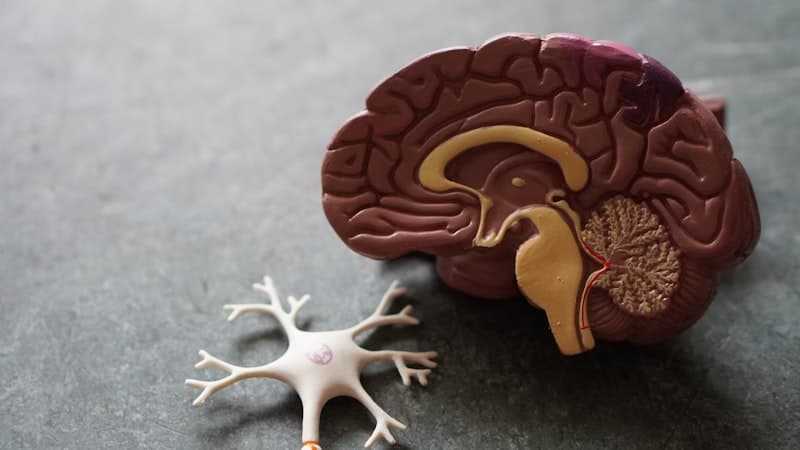
This is where things get interesting. If probiotics are the seeds and prebiotics are the fertilizer, synbiotics are the pre-packaged garden kit — both components combined into a single product.
The ISAPP updated its definition of synbiotics in 2020: a synbiotic is "a mixture comprising live microorganisms and substrate(s) selectively utilized by host microorganisms that confers a health benefit on the host." In simpler terms, it's a combination of probiotics and prebiotics designed to work together, and clinical evidence must show that the combination actually provides a health benefit — not just the individual ingredients on their own.
Why combine them? The logic is straightforward. Probiotic bacteria face a hostile journey through stomach acid and bile before reaching your intestines. Having a prebiotic substrate available can improve the survival and colonization of those bacteria once they arrive. Think of it as sending the seeds along with their own food supply.
Synbiotics vs probiotics alone — is the combination actually better? Some research suggests yes. An umbrella review of meta-analyses in Clinical Nutrition (2024) found that synbiotic formulations were more effective than probiotics alone for improving several cardiometabolic markers, including weight, total cholesterol, and fasting plasma glucose. The effect wasn't dramatic in every study, but the trend was consistent enough to be meaningful.
You can also create your own synbiotic meals without buying a supplement:
- Yogurt + sliced banana — probiotics from the yogurt, prebiotic FOS and resistant starch from the banana
- Kimchi + leeks or garlic stir-fry — probiotics from the kimchi, prebiotic inulin from the allium vegetables
- Miso soup with asparagus — probiotics from the miso, prebiotic FOS from the asparagus
- Kefir smoothie with oats and flaxseed — multiple probiotic strains plus beta-glucan and mucilage fiber
These combinations aren't as precisely dosed as a supplement, but they're effective, affordable, and honestly more enjoyable than swallowing another capsule.
Probiotics Side Effects and Safety
Let's be transparent about this — neither probiotics nor prebiotics are risk-free, even though they're generally safe for healthy adults.
Probiotic side effects are usually mild and temporary. The most common ones are:
- Gas and bloating (especially during the first few days)
- Mild stomach discomfort
- Changes in bowel habits — sometimes looser stools initially
These typically resolve within a few days to two weeks as your gut adjusts. Starting with a lower dose and gradually increasing is the best way to minimize discomfort.
More serious risks are rare but real. People with compromised immune systems — those undergoing chemotherapy, taking immunosuppressant medications, or with HIV/AIDS — are at higher risk for probiotic-related infections. There have been isolated case reports of probiotic bacteremia and fungemia in severely immunocompromised patients. If that describes your situation, talk to your doctor before starting any probiotic.
Prebiotic side effects are dose-dependent. Because prebiotics are fermented by gut bacteria, taking too much too fast produces excess gas. This is the same mechanism behind why some people feel bloated after eating large amounts of beans or cruciferous vegetables. The fix is simple: start with a small dose (1–2g per day) and increase gradually over two to four weeks. Most people tolerate up to 5–10g per day without issues once they've adapted.
Who should be cautious:
- People with SIBO (small intestinal bacterial overgrowth) — prebiotics can feed bacteria in the wrong part of the gut
- People with severe immunocompromise — probiotics pose infection risk
- People with histamine intolerance — certain probiotic strains (especially some Lactobacillus species) produce histamine
- People on immunosuppressant therapy — medical supervision essential
Because most probiotics are regulated as dietary supplements rather than drugs, the FDA does not review them for safety or effectiveness before they are marketed, and labels are not independently verified. This is why third-party testing (from organizations like USP, NSF, or ConsumerLab) is worth looking for.
Should You Take Probiotics or Prebiotics?
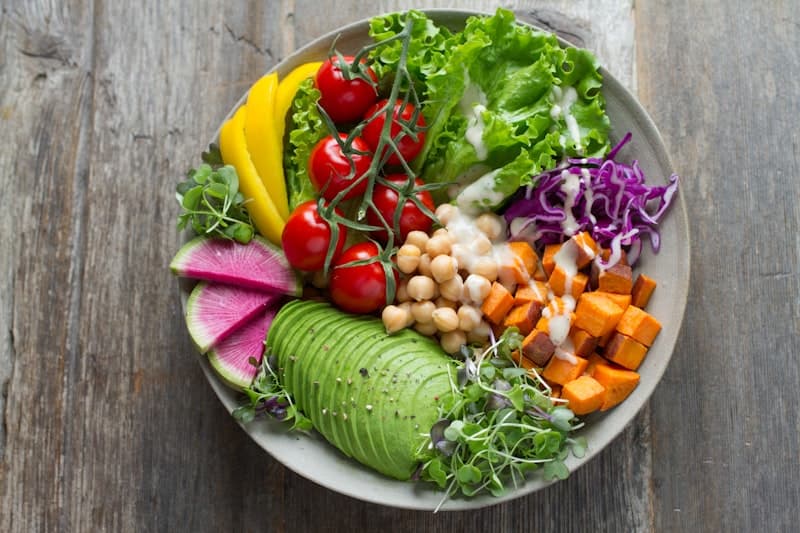
This is the question most people are actually trying to answer when they search for probiotics vs prebiotics. And the honest answer is: it depends on what you're trying to accomplish.
| Situation | Recommendation | Why |
|---|---|---|
| Recovering from antibiotics | Probiotics | Directly replaces beneficial bacteria killed by the antibiotic |
| Chronic constipation | Prebiotics | Increases beneficial bacteria → more SCFAs → improved motility and stool bulk |
| Preventing traveler's diarrhea | Probiotics (S. boulardii) | Specific strain has strong clinical evidence |
| General gut health | Synbiotics (both) | Complementary mechanisms for best overall effect |
| Immune system support | Synbiotics (both) | Gut microbiome diversity is key for immune function |
| IBS symptom management | Probiotics (specific strains) | Bifidobacterium longum, L. rhamnosus GG have clinical backing |
| Weight management | Prebiotics | SCFA production → appetite regulation, metabolic benefits |
| Budget-conscious | Prebiotic foods | Garlic, onions, bananas, oats are among the cheapest gut-friendly foods |
If you had to pick just one? The safest and most practical choice for most people is a synbiotic approach — either through a combination supplement or through food pairings. You're covering both bases: adding beneficial bacteria and giving them the fuel they need to stick around.
That said, if you're dealing with a specific issue (like post-antibiotic recovery or acute diarrhea), targeting that problem with the right probiotic strain makes more sense than a general approach.
How to Choose the Right Probiotic or Prebiotic Supplement
If you decide that a supplement is the right call, here's what to look for.
Probiotic Selection Checklist
- CFU count: Look for 10–50 billion CFU per dose for general gut health. Higher isn't always better — what matters is that the dose matches what was used in clinical studies for your specific concern.
- Strain specificity: Check the label for full strain names (genus, species, and strain designation). "Lactobacillus" alone isn't enough — you want something like Lactobacillus rhamnosus GG.
- Delivery technology: Look for products with enteric coating, delayed-release capsules, or other technology designed to protect bacteria from stomach acid.
- Third-party testing: Products verified by USP, NSF International, or Informed Sport have been independently tested for potency, purity, and label accuracy.
- Storage requirements: Some probiotics require refrigeration. Check the label and follow it — heat-sensitive products lose potency quickly at room temperature.
When searching for the best probiotics for gut health, focus on products that list specific strain names and CFU counts backed by clinical research rather than ones that simply advertise the highest bacterial count.
Prebiotic Selection Checklist
- Type of prebiotic: Inulin is the most studied, but FOS and GOS also have solid evidence. Resistant starch (often sold as "green banana flour" or "raw potato starch") is a good option if you tolerate it well.
- Dose: Start with 2–3g per day and build up to 5–10g. Going straight to a high dose is a recipe for bloating.
- Purity: Some prebiotic powders contain added sugars, fillers, or flavorings. Check the ingredient list — you want just the prebiotic fiber.
- Allergens: If you have food sensitivities, check for common allergens. GOS, for example, is derived from lactose (though the final product is typically lactose-free).
Reading the label: On a probiotic, you want to see specific strain names, CFU count at time of expiration (not just at manufacture), and storage instructions. On a prebiotic, look for fiber type, grams per serving, and a short, recognizable ingredient list.
Frequently Asked Questions

Can you take probiotics and prebiotics at the same time?
Yes, absolutely. Taking them together is the basis of synbiotics, and there's good evidence that prebiotics improve the survival and colonization of probiotic bacteria. You can take separate supplements at the same time, choose a combined synbiotic product, or simply eat probiotic-rich foods alongside prebiotic foods.
How long does it take for probiotics to work?
It depends on what you're taking them for. For acute issues like antibiotic-associated diarrhea, some people notice improvement within 2–3 days. For chronic conditions like IBS or general gut health, the timeline is usually 2–4 weeks of consistent use. For immune or metabolic effects, the research generally measures outcomes over 8–12 weeks. Patience matters here.
Do I need probiotics if I eat a healthy diet?
A healthy diet is the foundation — and many people get enough beneficial bacteria from fermented foods and enough prebiotics from fiber-rich plants. But stress, poor sleep, antibiotics, processed foods, and aging all chip away at gut microbiome diversity. Think of a probiotic supplement as targeted support rather than a replacement for good food choices.
What are synbiotics and are they better than probiotics alone?
Synbiotics combine probiotics and prebiotics in a single product. The ISAPP defines them as mixtures that must demonstrate a health benefit from the combination itself. Some studies show synbiotics outperform probiotics alone for metabolic markers and gut colonization, but the advantage isn't universal — it depends on the specific formulation and what you're trying to achieve.
Can prebiotics cause weight gain?
No, not directly. In fact, the research tends to point in the opposite direction. Prebiotics promote SCFA production, which triggers satiety hormones and may improve metabolic function. That said, if you're taking prebiotic supplements in addition to your normal diet without adjusting calories, the extra fiber does add a small number of calories. But we're talking about 10–30 calories per day from a typical prebiotic dose — not a meaningful contributor to weight gain.
Should I take probiotics on an empty stomach?
For most probiotic supplements, taking them on an empty stomach (30 minutes before a meal) is recommended. Stomach acid is lower between meals, which gives more bacteria a chance to survive the transit to your intestines. However, some products are formulated to be taken with food — always follow the specific instructions on the label.
Are there any probiotics side effects I should worry about?
For healthy adults, probiotics are generally safe. The most common side effects are temporary gas, bloating, and mild changes in bowel habits during the first week. The people who need to be cautious are those with weakened immune systems, critical illness, or those taking immunosuppressant medications. If you fall into any of those categories, talk to your doctor before starting a probiotic.
References
- Hill C, et al. The International Scientific Association for Probiotics and Prebiotics consensus statement on the scope and appropriate use of the term probiotic. Nature Reviews Gastroenterology & Hepatology (2014).
- Swanson KS, et al. The ISAPP consensus statement on the definition and scope of synbiotics. Nature Reviews Gastroenterology & Hepatology (2020) — PMC.
- Blaabjerg S, et al. Probiotics for the Prevention of Antibiotic-Associated Diarrhea in Adults: A Meta-Analysis of Randomized Placebo-Controlled Trials. Antibiotics (2017) — PMC.
- Zhang T, et al. Efficacy of Probiotics for Irritable Bowel Syndrome: A Systematic Review and Network Meta-Analysis. Frontiers in Cellular and Infection Microbiology (2022) — PMC.
- Zhao Y, et al. Probiotics for preventing acute upper respiratory tract infections. Cochrane Database of Systematic Reviews (2022).
- Liu RT, Walsh RFL, Sheehan AE. Prebiotics and probiotics for depression and anxiety: A systematic review and meta-analysis of controlled clinical trials. Neuroscience & Biobehavioral Reviews (2019) — PubMed.
- Parada Venegas D, et al. Short Chain Fatty Acids (SCFAs)-Mediated Gut Epithelial and Immune Regulation. Frontiers in Immunology (2019).
- Whisner CM, Castillo LF. Prebiotics, Bone and Mineral Metabolism. Calcified Tissue International (2018) — PMC.
- Aliasgharzadeh A, et al. Resistant dextrin, as a prebiotic, improves insulin resistance and inflammation in women with type 2 diabetes: a randomised controlled clinical trial. British Journal of Nutrition (2015).
- Hadi A, et al. Effects of probiotics, prebiotics and synbiotics on anthropometric, cardiometabolic and inflammatory markers: An umbrella review of meta-analyses. Clinical Nutrition (2024) — PubMed.
- National Institutes of Health, Office of Dietary Supplements. Probiotics — Health Professional Fact Sheet.
The Bottom Line

Probiotics and prebiotics aren't in competition — they're teammates. Probiotics introduce beneficial bacteria to your gut, while prebiotics feed the beneficial bacteria that are already there (and help the newcomers stick around). For most people, the best approach involves both.
Start with food. Eat yogurt or kefir, add garlic and onions to your cooking, snack on bananas, and cook with oats. If you have a specific concern — post-antibiotic recovery, IBS, chronic constipation — then a targeted supplement makes sense. Choose products with clinically studied strains, appropriate CFU counts, and third-party testing.
Your gut microbiome is one of the most influential systems in your body, affecting everything from digestion to immunity to mood. Whether you focus on probiotics, prebiotics, or both, the key is consistency — small, daily habits matter more than occasional heavy supplementation.
Have you tried probiotics, prebiotics, or both? What worked for you? Let us know in the comments — your experience might help someone else sorting through the same supplement aisle confusion.
This article is for informational purposes only and is not intended as medical advice. Always consult with a qualified healthcare professional before starting any new supplement, especially if you have a medical condition or are taking medications.
Pre-Workout vs Coffee: Which Is Better for Your Workout? (Science-Backed 2026 Guide)
Next →Air Fryer vs Microwave: Which Is Actually Healthier? What Science Says (2026 Guide)