Turmeric vs Curcumin: What's the Real Difference and Which Should You Take? (2026 Guide)
Turmeric vs curcumin -- learn the real difference, which supplement works better for inflammation and joint pain, and why absorption matters most in 2026.
Turmeric vs Curcumin: What's the Real Difference and Which Should You Take? (2026 Guide)
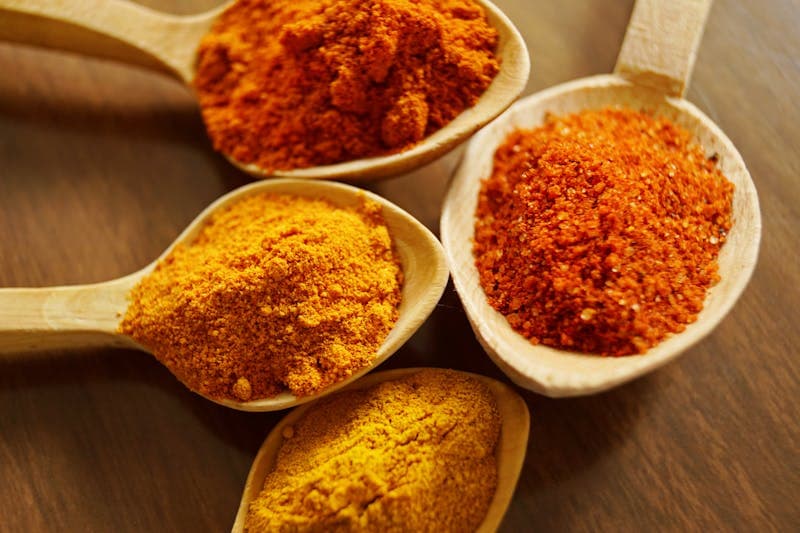
You are standing in the supplement aisle, and there they are -- two rows of golden bottles, some labeled "turmeric," others "curcumin," and a few that say both. The prices range from $12 to $60. The labels make similar claims about inflammation and joint health. And you are left wondering: are these the same thing? Is one better than the other? Did you waste your money last time?
If this sounds familiar, you are in good company. The turmeric vs curcumin confusion is one of the most common questions in the supplement world, and for good reason. The labeling is inconsistent, the marketing is often misleading, and most articles explaining the difference either oversimplify it or bury the answer under layers of biochemistry jargon.
Here is what this guide does differently: I am going to break down exactly what turmeric and curcumin are (they are not the same thing), compare them head-to-head for inflammation, joint pain, and overall health, explain the absorption problem that makes most supplements a waste of money, and give you a clear framework for choosing the right product for your specific situation. Every claim is backed by published research, and I will cite the studies so you can verify them yourself.
Quick Answer: Turmeric is the whole spice -- the golden root ground into powder. Curcumin is the active compound inside turmeric responsible for most of its health benefits. Turmeric contains only 2--5% curcumin by weight. If you want general health benefits, cooking with turmeric is great. If you are targeting inflammation or joint pain, a curcumin supplement with enhanced absorption is the far more effective choice.
Quick Answer -- Turmeric vs Curcumin at a Glance
Let's start with the single most important thing to understand: turmeric is the whole plant, and curcumin is one compound inside that plant.
Think of it like coffee. Turmeric is the coffee bean. Curcumin is the caffeine. The bean contains caffeine, but it also contains hundreds of other compounds. When you want a strong energy boost, you could eat a pile of coffee beans, or you could take a caffeine pill. One delivers the whole package; the other delivers the active ingredient in a concentrated dose.
Here is the quick comparison:
| Turmeric | Curcumin | |
|---|---|---|
| What it is | The whole root/spice (Curcuma longa) | The most active compound found inside turmeric |
| Curcuminoid content | 2--5% by weight | 70--75% of all curcuminoids (when isolated) |
| Anti-inflammatory strength | Moderate (whole-food synergy) | Strong (concentrated active ingredient) |
| Absorption (basic) | Poor | Extremely poor without enhancers |
| Best used for | Cooking, general wellness, mild antioxidant support | Targeted inflammation relief, joint pain, therapeutic doses |
| Typical supplement dose | 500--2,000 mg turmeric extract | 500--1,500 mg curcuminoids |
| Monthly supplement cost | $10--$25 | $20--$60 |
| Taste | Warm, earthy, bitter | Intensely yellow, very bitter |
The key takeaway: turmeric gives you a broad spectrum of plant compounds working together. Curcumin gives you a concentrated dose of the single most powerful compound. Neither is inherently "better" -- they serve different purposes.
What Are Turmeric and Curcumin? (The Science Behind the Spice)

Before we get into comparisons, let's make sure we understand what each one actually is. The confusion between turmeric and curcumin starts at the most basic level, and clearing it up makes every other comparison easier to follow.
What Is Turmeric?
Turmeric (Curcuma longa) is a flowering plant in the ginger family (Zingiberaceae), native to the Indian subcontinent and Southeast Asia. The part we eat and use medicinally is the rhizome -- an underground stem that looks like a knobbier, more orange version of ginger root. People have been using it for thousands of years in Ayurvedic medicine, Traditional Chinese Medicine, and as a cooking spice across South Asia.
When you buy "turmeric powder" at the grocery store, you are getting the dried, ground rhizome. It contains:
- Curcuminoids (2--5% by weight) -- the active compounds that give turmeric its yellow color and most of its health benefits. The three main curcuminoids are curcumin (70--75% of total curcuminoids), demethoxycurcumin (10--25%), and bisdemethoxycurcumin (5--15%).
- Volatile oils (2--7%) -- aromatic compounds including turmerone, atlantone, and zingiberene that contribute to turmeric's smell and have their own anti-inflammatory properties.
- Turmerone -- a specific volatile oil that has shown neuroprotective potential in early research and may enhance curcumin absorption.
- Minerals and vitamins -- small amounts of manganese, iron, potassium, and vitamin C.
One teaspoon of turmeric powder (about 3 grams) contains roughly 60--150 mg of curcumin. That is enough to add flavor and some antioxidant benefit to your food, but it falls well short of the therapeutic doses used in clinical studies.
What Is Curcumin?
Curcumin (diferuloylmethane) is a polyphenol -- a type of chemical compound found in plants that often has strong antioxidant and anti-inflammatory properties. It is the most abundant and most studied curcuminoid in turmeric, and it is responsible for the majority of turmeric's health benefits.
The scientific interest in curcumin has been enormous. A PubMed search returns over 20,000 published papers on curcumin, spanning cancer research, neurology, cardiology, rheumatology, and metabolic disease. That does not mean curcumin is a cure-all -- far from it. But it does mean we have a substantial body of evidence to draw from, more than most natural compounds can claim.
The important distinction: curcumin is one component of turmeric, not the whole thing. When you take a curcumin supplement, you are getting a concentrated extract of the primary active compound. When you eat turmeric, you are getting curcumin plus dozens of other compounds that may work together in ways we do not fully understand yet.
This matters because some researchers argue that whole turmeric extracts may offer benefits beyond isolated curcumin through what scientists call "synergy" -- the idea that multiple plant compounds working together produce effects greater than any single compound alone. Research on turmeric's essential oil has found that its volatile oils -- dominated by ar-turmerone and containing virtually no curcumin -- show independent anti-inflammatory and antioxidant activity, suggesting that the whole spice may do things that curcumin alone cannot. (This synergy hypothesis remains an active area of study rather than a settled conclusion.)
That said, for therapeutic purposes -- meaning measurable, clinically notable anti-inflammatory effects -- the evidence strongly favors concentrated curcumin. You simply cannot eat enough turmeric to match the dose delivered by a standardized curcumin supplement.
Turmeric vs Curcumin -- Full Comparison Table
| Factor | Turmeric | Curcumin |
|---|---|---|
| Definition | Whole root/spice (ground rhizome) | Primary active compound (polyphenol) |
| Curcuminoid content | 2--5% | 70--95% (standardized extracts) |
| Active compounds | Curcuminoids + volatile oils + turmerone + minerals | Curcuminoids primarily |
| Anti-inflammatory potency | Moderate | Strong |
| Absorption without enhancers | Poor | Very poor |
| Effective therapeutic dose | Hard to achieve through food alone | 500--1,500 mg/day (with absorption enhancers) |
| Primary use | Cooking spice, mild wellness support | Targeted anti-inflammatory therapy |
| Supplement form | Powder, capsules, tea | Capsules, liposomal liquids, phytosome |
| Cost per month | $10--$25 | $20--$60 |
| Taste | Warm, earthy, pleasant in food | Very bitter, not food-friendly |
| Best for | General health, cooking, mild antioxidant support | Inflammation, joint pain, therapeutic doses |
A few things deserve extra explanation:
The absorption problem is real for both. Turmeric and curcumin both have notoriously poor bioavailability. Your body struggles to absorb curcumin through the digestive tract, and what little does get absorbed is rapidly metabolized by the liver and excreted. This is not a minor issue -- it is the single biggest factor that determines whether your supplement actually works or just creates expensive urine. We will cover this in detail shortly.
The synergy question is unresolved. Some studies suggest that whole turmeric extracts produce broader anti-inflammatory effects than curcumin alone, thanks to the volatile oils and turmerone. Other studies show that concentrated curcumin delivers stronger, more measurable results for specific conditions like arthritis. The honest answer is that both have merit, and the best choice depends on what you are trying to achieve.
Cost per effective dose favors curcumin. While turmeric supplements are cheaper per bottle, you need much larger amounts to approach therapeutic curcumin levels. When you calculate cost per gram of actual curcuminoids absorbed (accounting for bioavailability differences), a quality curcumin supplement with enhanced absorption is often the better value.
Turmeric vs Curcumin for Inflammation -- Which Works Better?

This is the reason most people are reading this article. Turmeric and curcumin are both marketed as anti-inflammatory heavy hitters, and the global curcumin supplement market surpassed $150 million in 2025, driven largely by demand for natural inflammation relief. But which one actually works better when you look at the science?
How Curcumin Fights Inflammation
Curcumin's anti-inflammatory mechanism is well-documented at the molecular level. It works through multiple pathways simultaneously:
- NF-kB pathway inhibition. NF-kB (nuclear factor kappa-light-chain-enhancer of activated B cells) is a protein complex that acts as a master switch for inflammation in your body. When activated, it turns on genes that produce inflammatory cytokines, chemokines, and adhesion molecules. Curcumin directly inhibits NF-kB activation, effectively cutting the signal that tells your body to mount an inflammatory response. This mechanism is detailed in a 2025 review of curcumin's inflammatory pathways and has been replicated across many studies.
- COX-2 and LOX enzyme suppression. Curcumin inhibits cyclooxygenase-2 (COX-2) and lipoxygenase (LOX) -- the same enzymes targeted by ibuprofen and other NSAIDs. Unlike pharmaceutical COX-2 inhibitors (which were linked to cardiovascular risks and largely pulled from the market), curcumin does not appear to carry the same cardiovascular side effect profile.
- Inflammatory cytokine reduction. Multiple studies have shown that curcumin reduces levels of TNF-alpha, IL-6, IL-1beta, and other pro-inflammatory signaling molecules that drive chronic inflammation.
The clinical evidence is encouraging. A multicenter randomized trial of 367 patients compared a turmeric (Curcuma domestica) extract standardized to curcuminoids (1,500 mg/day) against ibuprofen (1,200 mg/day) in people with knee osteoarthritis. After four weeks, both groups showed similar improvements in pain, stiffness, and joint function -- and the turmeric group reported somewhat fewer gastrointestinal side effects. The researchers concluded the extract was "as effective as ibuprofen" for knee osteoarthritis. (Note that this trial used a curcuminoid-rich turmeric extract rather than isolated curcumin, which underscores how the two categories overlap in practice.)
Whole Turmeric's Anti-Inflammatory Benefits
Whole turmeric has its own anti-inflammatory story, and it is not just about the curcumin content. The volatile oils -- particularly ar-turmerone -- show independent anti-inflammatory activity. A study of turmeric essential oil (which contains virtually no curcumin) found measurable antioxidant, anti-inflammatory, and pain-reducing effects in animal models, suggesting that the non-curcuminoid compounds play a meaningful role. Bear in mind this is preclinical evidence; human trials of turmeric essential oil are limited.
The practical advantage of whole turmeric is that it provides a broader spectrum of anti-inflammatory compounds. Think of it as a team of players, each contributing something different. Curcumin is the star forward, but turmerone and the volatile oils are solid supporting cast members.
However -- and this is important -- the concentration matters. You would need to consume large amounts of turmeric powder daily to match the anti-inflammatory effect of a concentrated, bioavailable curcumin supplement. A teaspoon of turmeric in your golden milk is wonderful, but it is not going to match the dose used in the clinical trials showing real inflammation reduction.
Turmeric vs Curcumin for Joint Pain
Joint pain is where the turmeric vs curcumin comparison becomes most practical. Here is what the research shows:
A clinical review of randomized trials concluded that curcumin extract has benefit in treating osteoarthritic pain compared to placebo, drawing in part on an earlier systematic review and meta-analysis by Daily and colleagues. The reviewers cautioned that larger studies are still needed before curcumin can be recommended as a replacement for conventional therapies, positioning it more as an adjunct.
For whole turmeric extracts, the evidence is positive but less specific. The multicenter trial noted above found a curcuminoid-rich turmeric extract improved osteoarthritis symptoms on par with ibuprofen. Head-to-head comparisons isolating "whole turmeric" against concentrated, enhanced-absorption curcumin are scarce, so claims that one clearly outperforms the other for joint pain should be read with caution.
Bottom line for joint pain: If you are dealing with arthritis or chronic joint inflammation, a standardized curcumin supplement with proven absorption technology (more on this below) is the more evidence-backed choice. The clinical trials showing the strongest results have all used concentrated curcumin, not whole turmeric.
If you are building a well-rounded approach to joint health, curcumin pairs well with other anti-inflammatory strategies. Our guide to omega-3 fish oil benefits covers how EPA and DHA complement curcumin's inflammation-fighting effects.
The Absorption Problem: Why Most Turmeric Supplements Waste Your Money

This is the section that could save you hundreds of dollars. The single biggest factor in the curcumin vs turmeric absorption debate is not which one you choose -- it is whether the supplement you buy actually gets absorbed into your bloodstream. Most do not.
The Bioavailability Challenge
Here is the uncomfortable truth: pure curcumin has nearly zero oral bioavailability. When researchers give subjects plain curcumin by mouth and then measure curcumin levels in their blood, the concentrations are so low they are barely detectable.
Pharmacokinetic research has repeatedly shown that even large oral doses of plain curcumin produce only trace -- sometimes undetectable -- blood concentrations. A widely cited review of curcumin bioavailability summarizes the problem bluntly: despite being safe at doses as high as 12 grams per day, curcumin reaches very low plasma and tissue levels because of poor absorption, rapid metabolism, and rapid elimination. Grams of a promising anti-inflammatory compound, swallowed and largely lost.
The reasons are threefold:
- Poor solubility. Curcumin does not dissolve well in water at the neutral pH of your intestines, which limits how much can pass through the intestinal wall.
- Rapid metabolism. Your liver and intestinal walls quickly convert curcumin into inactive metabolites (glucuronides and sulfates) that lack the biological activity of the parent compound.
- Fast elimination. Whatever curcumin does get absorbed is rapidly cleared from circulation.
This is why turmeric vs curcumin bioavailability is not just an academic question. If the compound does not reach your tissues, the theoretical benefits do not matter. A supplement with 95% curcuminoid content that your body cannot absorb is less effective than a 50% curcuminoid product with excellent absorption technology.
Black Pepper (Piperine) -- The 2,000% Solution
The most well-known solution to the absorption problem is also the simplest: combine curcumin with black pepper extract (piperine).
The classic study on this was published by Shoba and colleagues in Planta Medica in 1998. The researchers gave subjects 2 grams of curcumin alone and then 2 grams of curcumin combined with 20 mg of piperine. The reported result was striking: piperine increased curcumin's bioavailability by 2,000% (20-fold). The mechanism is straightforward -- piperine inhibits the liver and intestinal enzymes that normally break curcumin down before it reaches systemic circulation. One honest caveat: this dramatic 2,000% figure comes from a single small study and has not been independently replicated at that magnitude, so treat it as the upper bound of what piperine can do, not a guaranteed result.
This is why virtually every reputable curcumin supplement on the market includes piperine (often listed as "BioPerine" on labels). It is the cheapest, most studied, and most effective absorption enhancer available.
But there is a catch. Piperine is not selective. It inhibits drug-metabolizing enzymes broadly, which means it can increase the blood levels of other medications you are taking -- not just curcumin. If you take blood thinners, blood pressure medication, diabetes drugs, or any prescription medication, piperine can alter how your body processes those drugs. This is not a hypothetical concern -- it has been documented in pharmacokinetic studies.
If you take prescription medications, talk to your doctor before using a curcumin supplement that contains piperine. If that is not an option, look for curcumin formulations that use alternative absorption technologies (covered next).
Modern Absorption Technologies
The supplement industry has developed several new approaches to solving curcumin's bioavailability problem without relying on piperine:
| Technology | How It Works | Absorption Improvement | Piperine Needed? | Typical Price Range |
|---|---|---|---|---|
| Piperine (BioPerine) | Inhibits drug-metabolizing enzymes | ~20x (2,000%) | It IS piperine | $15--$30/month |
| Meriva (Curcumin Phytosome) | Binds curcumin to phospholipids (soy lecithin) for better cell membrane penetration | ~29x vs standard curcumin | No | $25--$45/month |
| Theracurmin | Nanoparticle-sized curcumin dispersed in colloidal suspension | ~27x vs standard curcumin | No | $30--$50/month |
| BCM-95 (Biocurcumax) | Recombines curcuminoids with turmeric's volatile oils | ~7x vs standard curcumin | No | $20--$40/month |
| Liposomal Curcumin | Encapsulates curcumin in lipid nanospheres | 5--30x (varies by formulation) | No | $30--$60/month |
| NovaSOL | Micellar curcumin in liquid capsule form | ~185x vs standard (manufacturer claim) | No | $25--$45/month |
The absorption improvement numbers come from published pharmacokinetic studies or manufacturer data (in the case of NovaSOL). Independent head-to-head comparisons between these technologies are limited, so treat these figures as approximate rather than definitive rankings.
What matters for you: any of these technologies is dramatically better than plain curcumin or plain turmeric powder. If you are buying a supplement, look for one that specifically mentions its absorption technology on the label. A curcumin supplement without an absorption enhancer is like buying a car without an engine -- it looks fine but it is not going anywhere.
Turmeric Curcumin Dosage -- How Much Should You Take?
Dosage is where the turmeric curcumin dosage question gets practical. The right amount depends on what you are taking it for and what form you are using.
Turmeric Powder Dosage
If you are using turmeric as a food or spice:
- Cooking: 0.5--1 teaspoon (1.5--3 grams) of turmeric powder per day is a healthy and safe amount. This adds flavor and a modest antioxidant boost to your meals.
- Golden milk / turmeric tea: 1--2 cups per day, each containing roughly 0.5--1 teaspoon of turmeric. Add a pinch of black pepper to enhance absorption.
- Therapeutic dose through food alone: Not realistic. To reach the 1,000+ mg of curcumin used in clinical studies, you would need to eat roughly 20--30 teaspoons of turmeric powder daily -- an amount that would be genuinely unpleasant and could cause stomach problems.
The takeaway: cooking with turmeric is a great habit. But do not expect food-level doses to match the effects seen in clinical research.
Curcumin Supplement Dosage
For curcumin supplements, the effective dose depends on the absorption technology:
| Health Goal | Standard Curcumin (with piperine) | Enhanced Absorption Curcumin (Meriva, Theracurmin, etc.) |
|---|---|---|
| General health / antioxidant support | 500--1,000 mg/day | 250--500 mg/day |
| Mild inflammation | 1,000--1,500 mg/day | 500--750 mg/day |
| Joint pain / arthritis | 1,000--2,000 mg/day | 500--1,000 mg/day |
| Exercise recovery | 500--1,000 mg/day | 250--500 mg/day |
The clinical trials showing the strongest anti-inflammatory results typically used 1,000--1,500 mg of curcuminoids per day. With enhanced-absorption formulations, you can achieve similar blood levels at lower doses.
When and How to Take Curcumin
A few practical tips that make a real difference:
- Take it with a fat-containing meal. Curcumin is fat-soluble, meaning it dissolves in fat, not water. Taking curcumin with a meal that contains some dietary fat (olive oil, avocado, nuts, eggs) markedly improves absorption compared to taking it on an empty stomach.
- Split your dose. Taking 500 mg twice per day (morning and evening) maintains more stable curcumin blood levels than taking 1,000 mg all at once. Curcumin has a relatively short half-life in the body, so divided dosing is more efficient.
- Take it after eating, not before. Curcumin can irritate an empty stomach in some people. Taking it with or after food minimizes gastrointestinal discomfort.
- If using a piperine-containing product, add black pepper to your food. More piperine is not necessarily better (the 20 mg in most supplements is sufficient), but it does not hurt to add a pinch of pepper to the meal you take your supplement with.
Curcumin Benefits and Side Effects -- Safety Guide
The curcumin benefits and side effects conversation needs both sides. Curcumin has impressive potential, but it is not risk-free, and the safety considerations matter.
Key Curcumin Benefits
Beyond inflammation and joint pain (which we covered above), curcumin has shown promise in several other areas:
Antioxidant power. Curcumin neutralizes free radicals directly and also appears to raise the activity of your body's own antioxidant enzymes such as superoxide dismutase. A peer-reviewed review of curcumin's effects on human health notes that it can improve systemic markers of oxidative stress and increase serum antioxidant enzyme activity, and that it functions as a chain-breaking antioxidant much like vitamin E. (Claims that it is "stronger than" vitamins C and E are marketing shorthand rather than a settled scientific finding.)
Brain health potential. Curcumin has been studied for cognitive benefits, and one possible mechanism is its effect on brain-derived neurotrophic factor (BDNF), a protein that supports the survival of neurons; low BDNF levels have been linked to depression and cognitive decline. A double-blind, placebo-controlled 18-month trial in the American Journal of Geriatric Psychiatry found that daily bioavailable curcumin (Theracurmin, 90 mg twice daily) improved memory and attention in non-demented adults aged 51--84. It was a small study (40 participants), so the result is promising but not yet definitive.
Cardiovascular support. Some trials suggest curcumin may improve endothelial function (the lining of your blood vessels) and lower markers of inflammation linked to cardiovascular risk. The evidence here is still mixed and mostly from small studies, so this is best described as a plausible benefit under investigation rather than an established one.
Potential metabolic benefits. Some studies suggest curcumin may improve insulin sensitivity and blood sugar control, though the evidence here is more preliminary than for inflammation and joint health.
For a broader look at fighting inflammation through diet, our anti-inflammatory foods guide covers how curcumin fits into a complete anti-inflammatory eating pattern alongside other evidence-based foods.
Potential Side Effects
Curcumin is generally well-tolerated at recommended doses, but side effects can occur, especially at higher intakes:
- Gastrointestinal issues: The most common side effects are stomach upset, nausea, diarrhea, and acid reflux, typically occurring at doses above 1,500 mg per day. Taking curcumin with food usually resolves these issues.
- Blood thinning: Curcumin inhibits platelet aggregation, which means it can slow blood clotting. This is a concern if you are taking anticoagulant medications (warfarin, clopidogrel, aspirin) or if you have a bleeding disorder. Stop taking curcumin at least two weeks before any scheduled surgery.
- Gallbladder issues: Curcumin stimulates bile production, which can aggravate gallbladder problems. If you have gallstones or gallbladder disease, avoid curcumin supplements.
- Blood sugar effects: Curcumin may lower blood sugar, which is generally positive but can be problematic if you are taking diabetes medications. The combination could push your blood sugar too low.
- Iron absorption: High doses of curcumin may interfere with iron absorption. If you have iron-deficiency anemia, take curcumin at a different time of day than your iron supplement.
Who Should Avoid Curcumin Supplements
- People taking blood thinners (warfarin, Plavix, daily aspirin)
- People with gallbladder disease or gallstones
- People scheduled for surgery within two weeks
- Pregnant women (high-dose supplements; cooking with turmeric is safe)
- People with iron-deficiency anemia (without spacing intake from iron supplements)
If you take any prescription medication, especially blood thinners, diabetes drugs, or antacids, consult your doctor before starting curcumin. This is not optional advice -- it is a genuine safety recommendation supported by pharmacokinetic research.
Turmeric vs Curcumin Supplement -- Which Should You Buy?
Now for the purchasing decision. The turmeric vs curcumin supplement question comes down to your goals, your budget, and whether you are looking for general wellness support or targeted relief.
When to Choose Turmeric Supplements
- You want general antioxidant and wellness support without a specific health complaint
- You enjoy adding turmeric to food and drinks but want a more convenient option
- You are on a tighter budget
- You are new to anti-inflammatory supplements and want to start with something gentle
- You want the potential synergy of turmeric's full spectrum of compounds (curcuminoids + volatile oils + turmerone)
What to look for: If you buy a turmeric supplement, check the label for curcuminoid content. A good turmeric extract should be standardized to at least 95% curcuminoids. If the label does not mention curcuminoid percentage, you may be getting mostly filler.
When to Choose Curcumin Supplements
- You want strong, measurable anti-inflammatory effects
- You have joint pain, arthritis, or chronic inflammation
- You want a precise, consistent dose of the active compound
- Your doctor recommended curcumin supplementation
- You want a product with proven absorption technology
Best Curcumin Supplement in 2026 -- Selection Criteria
Do not just grab the cheapest bottle on the shelf. Here is what matters:
| Criteria | What to Look For |
|---|---|
| Curcuminoid content | 95% standardized extract (listed on label) |
| Absorption technology | Piperine/BioPerine, Meriva phytosome, Theracurmin, BCM-95, or liposomal |
| Third-party testing | NSF International, USP, or Informed Sport certification |
| Dose per serving | At least 500 mg curcuminoids per serving |
| Clean label | Minimal artificial colors, flavors, and fillers |
| Price per month | $20--$60 for enhanced-absorption products |
Form matters too. Capsules are the most common and convenient. Liposomal liquid curcumin may absorb slightly faster but has a strong, bitter taste. Powder forms allow flexible dosing but require mixing. Choose whichever form you will actually take consistently.
Price reality check: Standard curcumin with piperine runs $15--$30 per month. Enhanced-absorption formulations (Meriva, Theracurmin, liposomal) cost $25--$60 per month. The more expensive products are not a rip-off -- you are paying for technology that makes the curcumin actually usable by your body. A $15 bottle of curcumin that your body barely absorbs is more expensive than a $40 bottle that delivers real results.
If you are building a supplement routine, our amino acid supplement comparison covers another popular category worth understanding.
Frequently Asked Questions
Is curcumin the same as turmeric?
No. Turmeric is the whole spice -- the golden root ground into powder. Curcumin is the most active compound found inside turmeric, responsible for most of its health benefits. The relationship is similar to an orange and vitamin C. The orange contains vitamin C, but it also contains fiber, potassium, folate, and dozens of other nutrients. Turmeric contains curcumin, but it also contains volatile oils, turmerone, and other compounds. Turmeric powder is only 2--5% curcumin by weight.
Can I just eat turmeric instead of taking a supplement?
You can and should cook with turmeric -- it is delicious and healthy. But for therapeutic effects (measurable anti-inflammatory or joint pain relief), food-level turmeric intake is unlikely to deliver enough curcumin. One teaspoon of turmeric powder contains roughly 60--150 mg of curcumin. The clinical studies showing clear benefits typically used 1,000--1,500 mg of curcumin per day with absorption enhancers. You would need to eat 10--20 teaspoons of turmeric daily to approach those doses, which is neither practical nor pleasant.
Does black pepper really help turmeric absorption?
Yes. The active compound in black pepper, piperine, increases curcumin's bioavailability -- by up to 2,000% in the landmark 1998 study by Shoba and colleagues, though that exact magnitude has not been independently replicated. Piperine works by inhibiting the liver and intestinal enzymes that normally break down curcumin before it reaches your bloodstream. This is why most quality curcumin supplements include piperine (often as BioPerine). Just adding a pinch of black pepper to turmeric-containing food also helps, though the effect is less consistent than a standardized piperine supplement.
How long does it take for curcumin to work for inflammation?
Most clinical studies show meaningful results after 4--8 weeks of consistent daily supplementation. Some report improvements in joint pain and stiffness earlier, particularly with enhanced-absorption formulations. The multicenter knee osteoarthritis trial found notable pain and function improvement after 4 weeks of a curcuminoid-rich turmeric extract at 1,500 mg/day. The key is consistency -- curcumin is not a quick-fix painkiller. It works by gradually modulating inflammatory pathways, and that takes time.
Can I take turmeric or curcumin every day?
For most healthy adults, daily curcumin supplementation is safe and well-tolerated. Curcuminoids have GRAS (Generally Recognized as Safe) status with the FDA, and phase I studies have used daily doses as high as 12 grams without serious adverse effects, though higher doses increase the risk of gastrointestinal side effects. For long-term daily use, 500--1,500 mg of curcuminoids (with absorption enhancers) is the standard recommended range. If you have a medical condition or take prescription medications, check with your doctor first.
Turmeric vs curcumin for joint pain -- which is better?
For joint pain specifically, the research favors standardized curcumin supplements with enhanced absorption. Multiple randomized controlled trials have shown that curcumin at 1,000--1,500 mg/day reduces osteoarthritis pain comparably to ibuprofen, with fewer gastrointestinal side effects. Whole turmeric extracts show positive results too, but the effect sizes tend to be smaller. If joint pain is your primary concern, a bioavailable curcumin supplement is the more evidence-backed choice.
Does curcumin interact with medications?
Yes, and this is important. Curcumin can interact with blood thinners (warfarin, aspirin, clopidogrel), potentially increasing bleeding risk. It may enhance the blood-sugar-lowering effect of diabetes medications. It can interfere with antacids and stomach acid reducers. And if your curcumin supplement contains piperine, the interaction risk increases because piperine broadly inhibits drug-metabolizing enzymes. If you take any prescription medication, consult your healthcare provider before starting curcumin supplementation.
What is the best time of day to take curcumin?
Take curcumin with a meal that contains some fat, since curcumin is fat-soluble and absorbs better in the presence of dietary fat. Breakfast or lunch are the most common choices. If your stomach is sensitive, avoid taking it on an empty stomach. Splitting your dose (half in the morning, half in the evening) may maintain more stable blood levels throughout the day.
References
- Shoba G, et al. Influence of piperine on the pharmacokinetics of curcumin in animals and human volunteers. Planta Medica. 1998;64(4):353-356.
- Anand P, et al. Bioavailability of curcumin: problems and promises. Molecular Pharmaceutics. 2007;4(6):807-818.
- Kuptniratsaikul V, et al. Efficacy and safety of Curcuma domestica extracts compared with ibuprofen in patients with knee osteoarthritis: a multicenter study. Clinical Interventions in Aging. 2014;9:451-458.
- In patients with osteoarthritis, is curcumin, compared to placebo, effective in reducing pain? (clinical inquiry review of randomized trials, citing Daily et al. meta-analysis). 2022.
- Hewlings SJ, Kalman DS. Curcumin: A Review of Its Effects on Human Health. Foods. 2017;6(10):92.
- Small GW, et al. Memory and Brain Amyloid and Tau Effects of a Bioavailable Form of Curcumin in Non-Demented Adults: A Double-Blind, Placebo-Controlled 18-Month Trial. American Journal of Geriatric Psychiatry. 2018;26(3):266-277.
- Liu Q, et al. Regulation mechanism of curcumin mediated inflammatory pathway and its clinical application: a review. Frontiers in Pharmacology. 2025.
- Liju VB, et al. An evaluation of antioxidant, anti-inflammatory, and antinociceptive activities of essential oil from Curcuma longa L. Indian Journal of Pharmacology. 2011;43(5):526-531.
The Bottom Line
The turmeric vs curcumin question has a clear answer once you understand the basics: turmeric is the whole spice, curcumin is the active ingredient inside it, and the difference matters more than most supplement labels suggest.
Turmeric is a wonderful spice with a long history of culinary and medicinal use. Cooking with it adds flavor, color, and a modest antioxidant boost to your meals. Turmeric supplements can provide gentle, broad-spectrum support for general wellness.
Curcumin is the concentrated active compound responsible for turmeric's most powerful effects. For inflammation, joint pain, and therapeutic doses backed by clinical research, curcumin supplements -- specifically those with proven absorption technology -- are the more effective choice.
But the most important lesson from this entire guide is not about turmeric vs curcumin at all. It is about absorption. A supplement that your body cannot absorb is a waste of money, regardless of how much curcuminoid content the label claims. Look for products that use piperine, Meriva phytosome, Theracurmin, BCM-95, or liposomal delivery. These technologies transform curcumin from a poorly absorbed compound into something your body can actually use.
Choose the product that fits your goals, take it consistently with food, and give it 4--8 weeks before judging the results. Your joints (and your supplement budget) will thank you.
Are you currently taking a turmeric or curcumin supplement? Drop a comment below and share what you are using and whether it has made a difference -- your experience could help someone else make the right choice.
Related guides:
- Fight inflammation through food: Anti-inflammatory foods guide
- Pick the right amino acids: BCAAs vs EAAs comparison
- Boost your omega-3 intake: Fish oil benefits guide
- Find the right magnesium: Magnesium supplement comparison
- Manage stress naturally: Ashwagandha benefits guide
This article is for informational purposes only and is not intended as medical advice. Always consult with a qualified healthcare professional before starting any new supplement, especially if you have a medical condition or are taking medications.
Sunrise Alarm Clock vs Phone Alarm: Which Is Better for Your Sleep? (Science-Based 2026 Guide)
Next →White Noise vs Brown Noise for Sleep: Which One Actually Helps You Sleep Better? (2026 Guide)