Ashwagandha Benefits: What Science Actually Says (2026 Guide)
Ashwagandha benefits backed by 137 studies — stress relief, better sleep, testosterone, exercise, and cognition. Here's what the research shows in 2026.
Ashwagandha Benefits: What Science Actually Says (2026 Guide)
Here's a number that surprised me: Examine.com's database on ashwagandha references 137 individual studies, covering 36 clinical trials with a combined 5,139 participants. That is not a niche supplement with a handful of mouse studies behind it. That is a body of research that rivals -- and in some areas exceeds -- what we have for many mainstream pharmaceutical compounds.
And yet, if you've spent any time in the wellness corner of the internet, you've probably seen ashwagandha marketed as a cure-all. Better sleep! Less stress! More testosterone! Bigger muscles! Sharper brain! It sounds like snake oil, and honestly, some of the marketing is snake oil.
I've spent weeks digging through the actual research -- PubMed abstracts, Examine.com's evidence grades, meta-analyses, and the latest 2026 clinical trials -- and what I found is genuinely interesting. Ashwagandha has real, measurable benefits in several areas. It also has areas where the evidence is thin, and a few places where the risks are more significant than most bloggers let on.
This guide covers ashwagandha benefits based on what the science actually shows, organized so you can make an informed decision for yourself. No hype, no affiliate links disguised as advice. By the end, you'll have a clear picture of which ashwagandha benefits are backed by strong evidence and which ones still need more research.
What Is Ashwagandha? (And Why Is Everyone Talking About It?)
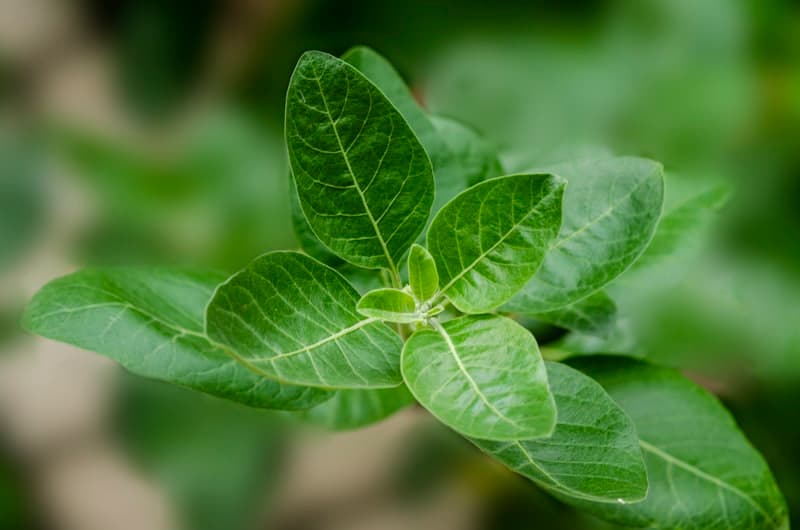
Ashwagandha (Withania somnifera) is a small shrub native to India, North Africa, and parts of the Middle East. Its roots have been used in Ayurvedic medicine for over 3,000 years -- the name itself translates roughly to "smell of a horse," which is either a reference to the root's distinct aroma or its traditional association with strength and vitality, depending on who you ask.
You'll sometimes see it called "Indian ginseng," though it's not botanically related to ginseng at all. The comparison comes from its classification as an adaptogen -- a substance that helps the body manage and adapt to stress. The concept of adaptogens was formalized by Soviet scientist Nikolai Lazarev in the 1940s, but Ayurvedic practitioners were using ashwagandha for exactly this purpose centuries before the term existed.
The active compounds responsible for most of ashwagandha's effects are called withanolides -- a class of steroid lactones found primarily in the root. When you see ashwagandha supplements advertising "standardized to X% withanolides," that percentage is one of the most important numbers on the label. Higher withanolide content generally correlates with more potent ashwagandha benefits, which is why standardized extracts like KSM-66 and Sensoril matter so much (more on those later).
At a glance:
| Detail | Info |
|---|---|
| Scientific name | Withania somnifera |
| Common names | Ashwagandha, Indian ginseng, winter cherry |
| Active compounds | Withanolides (steroid lactones) |
| Primary used part | Root (sometimes leaves) |
| Traditional system | Ayurveda (3,000+ years) |
| Modern research | 137+ studies, 36 clinical trials |
Why the explosion of interest in 2026? A few factors are converging. The global adaptogen supplement market is projected to keep growing at roughly 7-8% annually. Examine.com added four new ashwagandha studies in the first quarter of 2026 alone. And a growing body of evidence -- including some genuinely strong meta-analyses published this year -- is giving researchers and clinicians more confidence in specific, measured claims about the ashwagandha benefits that hold up under scrutiny.
Key takeaway: Ashwagandha is not new. It's one of the most well-documented herbs in Ayurvedic medicine, and modern research is catching up fast. The key differentiator between "marketing fluff" and "real science" comes down to standardized extracts and properly designed clinical trials -- both of which we now have in meaningful numbers.
7 Science-Backed Benefits of Ashwagandha
This is the core of the guide. I'm going to walk through seven areas where ashwagandha benefits have been studied, graded by the strength of the evidence. I'll be upfront about where the data is strong and where it's still preliminary. Of all the ashwagandha benefits researchers have investigated, these seven have the most clinical support.
1. Stress and Anxiety Relief -- The Strongest Evidence for Ashwagandha Benefits

This is where ashwagandha shines. Examine.com gives it a Grade A for anxiety and stress reduction -- their highest confidence level, meaning there are multiple well-designed clinical trials showing clear benefits. If you take only one thing away from this guide, let it be this: ashwagandha for anxiety and stress has the most robust evidence of any benefit the herb offers.
The mechanism: Ashwagandha appears to modulate the hypothalamic-pituitary-adrenal (HPA) axis -- the system that governs your body's stress response. When you're stressed, your adrenal glands pump out cortisol. Chronic elevation of cortisol is linked to anxiety, weight gain, sleep disruption, and a cascade of other problems. Ashwagandha helps normalize cortisol levels, bringing them back toward a healthy baseline.
The evidence: A 2025 systematic review and meta-analysis in BJPsych Open pooled 15 randomized controlled trials covering 873 participants. Ashwagandha produced a statistically significant reduction in serum cortisol at 8 weeks (mean difference -2.36 µg/dL; 95% CI: -3.26 to -1.46), alongside significant drops in Perceived Stress Scale and Hamilton Anxiety scores versus placebo. (Worth noting: a separate 2025 meta-analysis found the cortisol reduction held up but did not detect a significant change in perceived stress, so the picture isn't perfectly uniform across analyses.)
A separate 2026 randomized trial in Medicine (Baltimore) by Thanawala et al. tested a sustained-release ashwagandha extract at 150mg and 300mg doses over 60 days. Participants saw their Perceived Stress Scale (PSS) scores drop by 38.6% to 41.6% -- a substantial reduction -- and serum cortisol fell significantly in the higher-dose group.
Typical protocols in the research use 120-600mg of standardized extract per day, with benefits becoming noticeable within 4 to 12 weeks. The effects appear comparable to some pharmaceutical anxiolytics in mild-to-moderate anxiety, though with a much gentler side effect profile. That's not medical advice to replace your medication -- it's an observation about what the data shows.
Dose range for stress/anxiety: 120-600mg/day of standardized extract (KSM-66 or Sensoril) for 4-12 weeks.
2. Ashwagandha for Sleep and Insomnia

If you've been struggling with sleep, ashwagandha benefits for sleep quality are worth a serious look. Several clinical trials have found that supplementation improves sleep quality -- and I'm not talking about subjective "I feel like I slept better" reports, though those exist too. I'm talking about measurable improvements in sleep parameters.
A 2021 systematic review and meta-analysis in PLoS One pooled five RCTs (400 participants) and found small but statistically significant improvements in sleep onset latency, total sleep time, and sleep efficiency -- with the largest benefits in people with diagnosed insomnia taking 600mg+ daily for at least 8 weeks. Some individual trials also suggest ashwagandha may increase the proportion of deep sleep, though that finding is less consistently replicated.
A typical effective dose for sleep is 300-600mg of standardized extract, taken in the evening.
For sleep specifically, the Sensoril extract (which we'll compare in detail shortly) may have a slight edge over KSM-66 because of its higher withanolide concentration and more calming, sedating profile. But both have shown sleep benefits in clinical trials.
Here's something worth considering: ashwagandha pairs well with magnesium for sleep support. Our magnesium comparison guide covers which type of magnesium works best for sleep -- glycinate is the standout -- and combining it with ashwagandha is a strategy several functional medicine practitioners recommend.
Dose range for sleep: 300-600mg/day (up to 1,250mg in some studies), evening dosing preferred, 4-12 weeks for full effect.
3. Ashwagandha Benefits for Men: Testosterone and Fertility
This is one of the most searched ashwagandha topics, and the evidence is more nuanced than most headlines suggest. Ashwagandha testosterone and fertility benefits have been studied specifically in male populations, and the results are encouraging -- with caveats.
The testosterone evidence is real but modest and mixed. A 2025 systematic review of sex-specific reproductive outcomes in Phytotherapy Research found that ashwagandha tends to raise testosterone in men but not in women, with the clearest effects in men who started with stress-related or below-normal levels. Notably, a 2026 randomized, placebo-controlled trial in Frontiers in Reproductive Health found that testosterone rose numerically in the ashwagandha group but the between-group difference was not statistically significant (p = 0.223) -- so the "testosterone booster" framing should be taken with caution.
For sperm quality, the data is more convincing. That same Frontiers trial reported statistically significant improvements in semen volume, sperm concentration, total sperm count, and motility (all p ≤ 0.015) in men taking ashwagandha root extract. The mechanism appears to be both direct (withanolides may support Leydig cell function in the testes) and indirect (by reducing cortisol, which can suppress testosterone production).
Here's the honest caveat: if your testosterone is already in the normal range, ashwagandha is unlikely to send it soaring. The biggest benefits appear in men with stress-related testosterone suppression or subclinical deficiency. It's not a replacement for TRT or a treatment for diagnosed hypogonadism. What it is is a reasonable option for men who suspect stress is dragging their hormones down -- and the cortisol data we covered earlier suggests that's a plausible mechanism.
Dose range for hormonal health: 600-5,000mg/day (higher doses often use non-standardized root powder), 8-12 weeks.
4. Exercise Performance -- Should You Take Ashwagandha Before or After Workout?

This is where things get interesting -- and where the evidence is solid but not quite at the "Grade A" level. Examine.com gives ashwagandha a Grade B for exercise performance metrics, meaning there's good evidence but the researchers would like to see more studies before calling it conclusive.
A 2026 randomized trial in Nutrients provides some of the most nuanced data we have. In a study of 56 sub-elite team-sport athletes taking 600mg/day of KSM-66 for six weeks, researchers observed sex-specific patterns: male athletes saw significant improvements in countermovement jump (CMJ) performance -- a key measure of explosive power -- while in female athletes the supplement appeared to blunt the rise in salivary cortisol seen in the placebo group and improve perceived recovery. The authors caution the study wasn't powered to test sex differences directly, so treat this as suggestive rather than definitive.
Across the broader research, a 2025 systematic review and meta-analysis in the Turkish Journal of Sports Medicine pooled eight RCTs and found ashwagandha significantly improved VO2max (by about 4.09 mL/min/kg) along with strength and recovery measures. Other exercise-related effects reported across trials include:
- Strength gains when combined with resistance training -- ashwagandha appears to enhance the training effect
- Reduced muscle damage markers (CPK, LDH) after intense exercise -- meaning faster recovery
- Body composition shifts -- slight reductions in body fat percentage in some trials (evidence here is weaker and effect sizes are small)
The comparison to creatine is worth making, because they work through entirely different mechanisms. Creatine directly replenishes the ATP energy system in muscles (our creatine for women guide covers this in depth). Ashwagandha works more indirectly -- by reducing stress hormones, modulating inflammation, and supporting recovery. They're complementary rather than competing supplements. Some athletes stack both.
As for timing -- whether to take ashwagandha before or after workout -- most studies administered it at a consistent time of day rather than specifically pre- or post-workout. The benefits come from daily accumulation, not acute timing. That said, if you find it energizing (more common with KSM-66), pre-workout works. If you find it calming (more common with Sensoril), post-workout or evening may be better.
Dose range for exercise: 300-1,250mg/day, typically for 2-8 weeks in studies, KSM-66 preferred.
5. Cognitive Function and Memory
This is an area where the research is genuinely promising but still developing. A 2021 randomized, double-blind, placebo-controlled trial in Evidence-Based Complementary and Alternative Medicine gave 300mg of sustained-release ashwagandha daily to healthy, stressed adults for 90 days and found significant improvements in recall memory, visual memory, and sustained attention versus placebo. Several other studies have reported gains in working memory and information processing speed.
The mechanisms are multifaceted. Withanolides have demonstrated neuroprotective properties in lab studies, including inhibition of amyloid plaque formation (relevant to long-term brain health) and antioxidant activity that protects neurons from oxidative stress. Among the cognitive ashwagandha benefits, researchers have also observed that it appears to promote the growth of axons and dendrites -- the branching structures neurons use to communicate with each other.
That said, the individual trial sizes for cognitive outcomes are generally smaller than for stress and anxiety, and much of the neuroprotective mechanism data (amyloid inhibition, axon/dendrite growth) comes from lab and animal studies rather than humans -- so the long-term brain-health framing is mechanistic, not yet clinically proven.
If cognitive health is a priority, you might also want to look into NMN supplements. Our NMN guide covers how NMN supports cellular energy production through the NAD+ pathway -- a completely different mechanism from ashwagandha, but relevant to brain health and longevity.
Dose range for cognition: 300-1,000mg/day, 4-12 weeks.
6. Blood Sugar Regulation
This benefit flies under the radar compared to stress and testosterone, but the evidence is worth knowing about. Among the lesser-known ashwagandha benefits, several studies have found that it can improve insulin sensitivity and reduce fasting blood glucose levels.
The proposed mechanisms include enhanced cellular glucose uptake and modulation of insulin secretion. For people with prediabetes or metabolic syndrome, this could be one of the more practical ashwagandha benefits -- though it's absolutely not a replacement for dietary changes, exercise, or medication prescribed by your doctor.
The effect sizes in most studies have been modest, and the human trial base here is small and of variable quality -- a review of ashwagandha in insulin resistance and metabolic syndrome describes the glucose-lowering and insulin-sensitizing mechanisms (AMPK activation, reduced gluconeogenesis) but notes the clinical evidence is still preliminary. Treat this as a possible minor add-on, not a proven blood-sugar treatment.
7. Inflammation and Immune Support
The final piece of the puzzle. Ashwagandha has been shown to reduce inflammatory markers like C-reactive protein (CRP) and interleukin-6 (IL-6) in some studies. It also appears to activate natural killer (NK) cells and T-cells -- key components of your immune system. These immune-related ashwagandha benefits are promising but come with an important caveat.
Here's the important nuance: ashwagandha's effect on the immune system is biphasic. At normal doses, it appears to support healthy immune function. But for people with autoimmune conditions (rheumatoid arthritis, lupus, Hashimoto's, etc.), immune activation can potentially worsen symptoms. This is one of those "natural does not mean risk-free" situations, and we'll cover the contraindications in detail in the side effects section.
KSM-66 vs Sensoril: Which Ashwagandha Extract Should You Choose?
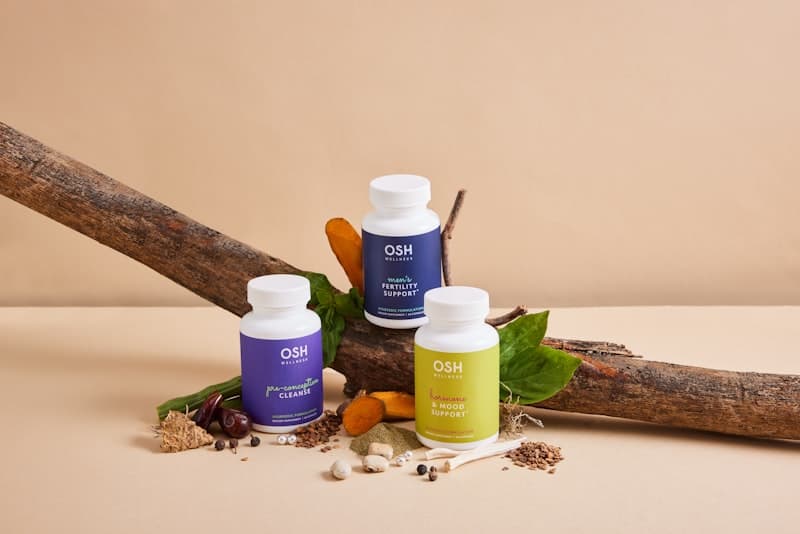
If you've gotten this far, you understand that not all ashwagandha supplements are created equal. The two extracts that dominate the clinical research on ashwagandha benefits are KSM-66 and Sensoril, and choosing between them is one of the most important decisions you'll make.
Here's the breakdown:
| Feature | KSM-66 | Sensoril |
|---|---|---|
| Source | Root only | Root + leaves |
| Withanolides | 5% | 10% |
| Typical dose | 300-600mg | 125-250mg |
| Best for | Exercise, testosterone, energy, general stress | Deep relaxation, sleep, anxiety, chronic stress |
| Research volume | Most studied extract | Growing evidence base |
| Feel | More energizing, stimulating | More calming, sedating |
| Key certification | USDA Organic, Non-GMO, GRAS | GRAS, multiple safety studies |
The key difference: KSM-66 is made exclusively from the root, which is the part used in traditional Ayurvedic practice. Sensoril uses both root and leaves, and its double the withanolide concentration means you need a smaller dose for similar effects. But more withanolides isn't automatically "better" -- it depends on what you're trying to achieve.
If your primary goal is stress relief, anxiety reduction, or sleep, Sensoril's more calming profile makes it the better choice. The higher withanolide concentration per gram and the inclusion of leaf compounds appear to produce a more sedating effect.
If you're looking for exercise performance, testosterone support, or an energizing adaptogen, KSM-66 has more clinical data backing those specific outcomes. Its slightly lower withanolide concentration seems to translate into a more balanced, stimulating effect rather than drowsiness.
Key takeaway: Don't just grab whatever ashwagandha is cheapest. Check the label for KSM-66 or Sensoril certification, and choose based on your primary goal. The extract type matters more than the milligram count on the front of the bottle.
Ashwagandha Dosage Per Day: How Much Should You Take?
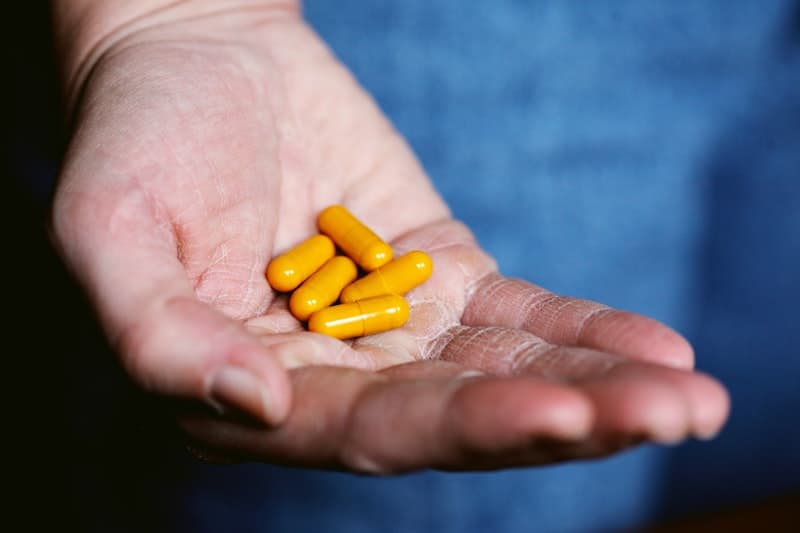
Dosage for ashwagandha isn't one-size-fits-all. It depends on what you're taking it for, which extract you're using, and your individual response. Here's a practical reference:
| Goal | Daily Dose | Duration | Extract Recommendation |
|---|---|---|---|
| Stress / Anxiety | 120-600mg | 4-12 weeks | KSM-66 or Sensoril |
| Sleep improvement | 300-600mg (up to 1,250mg) | 4-12 weeks | Sensoril (more calming) |
| Hormonal / Male health | 600-5,000mg | 8-12 weeks | KSM-66 |
| Exercise performance | 300-1,250mg | 2-8 weeks | KSM-66 |
| Cognitive function | 300-1,000mg | 4-12 weeks | KSM-66 or Sensoril |
| Blood sugar support | 250-600mg | 8+ weeks | Either |
A few notes on timing and usage:
When to take ashwagandha -- morning or night? This is one of the most common questions about ashwagandha benefits, and the answer depends on your goal and which extract you're using. If you're taking ashwagandha for stress resilience and daytime energy, take it in the morning with breakfast. If you're taking it primarily for sleep and relaxation, take it 30-60 minutes before bed. Some people split their dose -- half in the morning, half in the evening -- and that works too. Sensoril tends to be more sedating, so it's generally better suited for evening use. KSM-66 is more versatile.
Do you need a loading phase? Unlike creatine, ashwagandha doesn't require a loading phase. You can start at your target dose from day one. Some people prefer to start at the lower end of the range and work up over a week or two, mostly to assess tolerance and minimize any initial stomach discomfort.
With food or empty stomach? Most clinical trials administered ashwagandha with food. Taking it with a meal (particularly one containing some fat) may improve absorption of the fat-soluble withanolides and reduce the chance of mild gastrointestinal discomfort.
Should you cycle it? Most experts recommend taking ashwagandha for 8-12 weeks, then taking a 2-4 week break before resuming. The reasoning isn't that your body builds a tolerance -- there's no strong evidence for that. It's more about long-term safety, as most clinical trials have been relatively short (3-6 months). We simply don't have robust data on continuous daily use for years, so a conservative cycling approach makes sense.
Ashwagandha Side Effects and Interactions: What You Need to Know

Ashwagandha is generally well-tolerated in clinical trials, but "generally well-tolerated" is not the same as "risk-free." Understanding ashwagandha side effects and interactions is critical before you start supplementing.
Common Side Effects
Most side effects are mild and tend to resolve as your body adjusts:
- Stomach discomfort -- mild nausea, bloating, or loose stools, especially in the first week or at higher doses. Taking it with food usually helps.
- Drowsiness -- particularly at higher doses or with Sensoril. If it makes you too groggy during the day, switch to evening dosing or reduce the dose.
- Headaches -- reported in a small percentage of trial participants, usually mild and transient.
Who Should NOT Take Ashwagandha
This is the section that many supplement blogs gloss over. The following groups should avoid ashwagandha entirely or consult a healthcare provider first:
- Pregnant women -- Ashwagandha has been associated with a risk of premature labor. This is one of the clearest contraindications in the research.
- Breastfeeding women -- Insufficient safety data. Avoid.
- People with prostate cancer -- Ashwagandha's potential testosterone-modulating effects make it inadvisable for anyone with androgen-sensitive cancers.
- People with thyroid disorders -- Ashwagandha can increase thyroid hormone levels, which is potentially beneficial for hypothyroidism but dangerous for hyperthyroidism. If you're on thyroid medication like levothyroxine, this interaction needs medical supervision.
- People with autoimmune conditions -- Because ashwagandha stimulates immune activity, it may worsen conditions like rheumatoid arthritis, lupus, multiple sclerosis, and Hashimoto's thyroiditis. The evidence here is mostly theoretical and based on mechanism, but the caution is warranted.
- People with liver disease -- The NIH LiverTox database rates ashwagandha as a probable cause of clinically apparent liver injury, typically appearing 2-12 weeks after starting and usually resolving after stopping -- but rare cases requiring liver transplantation have been reported, especially in people with pre-existing liver disease. LiverTox advises avoiding it in cirrhosis or advanced chronic liver disease. (See also a 2021 case series from Iceland and the US DILIN.)
Drug Interactions
Ashwagandha can interact with several classes of medication:
- Sedatives and anti-anxiety drugs (benzodiazepines, barbiturates, etc.) -- Ashwagandha has CNS-depressant properties that can compound the effects of these medications. This includes over-the-counter sleep aids.
- Thyroid medications -- Can amplify the effect of levothyroxine and other thyroid hormone replacements, potentially pushing levels too high.
- Immunosuppressants -- Since ashwagandha stimulates immune function, it may counteract drugs designed to suppress immune activity (e.g., post-transplant medications, autoimmune disease treatments).
- Diabetes medications -- Ashwagandha's blood sugar-lowering effects could compound the effects of insulin or oral hypoglycemics, potentially causing hypoglycemia.
Long-Term Safety
Here's the honest answer: we don't have great long-term safety data. Most clinical trials run for 8-12 weeks. A few extend to 6 months. Very few go longer than that. The available evidence suggests ashwagandha is safe for most healthy adults in the short-to-medium term, but the recommendation to cycle off periodically (8-12 weeks on, 2-4 weeks off) is a reasonable precaution.
I want to be direct about this: "natural" does not mean "harmless." Ashwagandha is a biologically active compound with real effects on hormones, the immune system, and the central nervous system. That's exactly why it works -- and exactly why it deserves the same respect you'd give any other biologically active substance.
Best Ashwagandha Supplements in 2026
Looking for the best ashwagandha supplement in 2026? Not all products are worth your money. Here's how to separate the good from the garbage.
What to Look For
- Standardized extract -- Look for KSM-66 or Sensoril on the label. If the supplement just says "ashwagandha root powder" without specifying the extract type or withanolide percentage, you're likely getting a low-potency product.
- Third-party testing -- NSF, USP, or Informed Sport certification means an independent lab verified the contents match the label. This matters in an industry with notoriously loose quality control.
- Withanolide content listed -- The best products tell you the withanolide percentage. KSM-66 is standardized to 5%, Sensoril to 10%.
- No proprietary blends -- You should know exactly how much ashwagandha you're getting per serving.
Form Comparison: Capsules vs Powder vs Gummies
| Form | Pros | Cons |
|---|---|---|
| Capsules | Convenient, precise dose, no taste | More expensive per mg, may contain gelatin |
| Powder | Cheapest per mg, adjustable dose, can mix into smoothies | Earthy/bitter taste, less precise dosing |
| Gummies | Tasty, easy to remember | Lowest dose per serving, added sugar, most expensive per effective dose |
For most people, capsules are the sweet spot. Powder is the best value if you don't mind the taste (it mixes reasonably well into a smoothie with stronger flavors like cacao or peanut butter). Gummies are fine as a gateway, but be aware that most only deliver 150-300mg per serving -- you'd need several to match a clinical dose.
Price Reality Check
A quality ashwagandha supplement typically costs $0.30 to $1.50 per day, depending on the brand, extract type, and form. KSM-66 products tend to be slightly cheaper than Sensoril. Gummies are almost always the most expensive option per effective dose. If you're paying less than $10 per month, check the label carefully -- you might be getting unstandardized root powder instead of a clinically studied extract.
References
- Bachour et al. (2025). Effects of Ashwagandha Supplements on Cortisol, Stress, and Anxiety Levels in Adults: A Systematic Review and Meta-Analysis. BJPsych Open.
- Albalawi et al. (2025). Dual impact of Ashwagandha: Significant cortisol reduction but no effects on perceived stress — A systematic review and meta-analysis. Nutrition and Health.
- Thanawala et al. (2026). Efficacy and safety of Ashwagandha root extract sustained-release (AshwaSR) capsules in healthy adult, stressed subjects: A randomized, double-blind, placebo-controlled trial. Medicine (Baltimore).
- Cheah et al. (2021). Effect of Ashwagandha (Withania somnifera) extract on sleep: A systematic review and meta-analysis. PLoS One.
- Khanna et al. (2026). Efficacy and safety of ashwagandha root extract on sexual health in healthy men: a prospective, randomized, double-blind, placebo-controlled study. Frontiers in Reproductive Health.
- Effects of Ashwagandha on Reproductive Health: A Systematic Review of Sex-Specific Hormonal and Fertility Outcomes (2025). Phytotherapy Research.
- Ashwagandha Root Extract Stabilises Physiological Stress Responses in Male and Female Team Sports Athletes During Pre-Season Training (2026). Nutrients, 18(2):230.
- Jayawardena et al. (2025). The effect of Ashwagandha (Withania somnifera) on sports performance: a systematic review and meta-analysis. Turkish Journal of Sports Medicine.
- Gopukumar et al. (2021). Efficacy and Safety of Ashwagandha Root Extract on Cognitive Functions in Healthy, Stressed Adults: A Randomized, Double-Blind, Placebo-Controlled Study. Evidence-Based Complementary and Alternative Medicine.
- Ashwagandha (Withania somnifera) in insulin resistance and metabolic syndrome: A literature review on mechanisms. PMC.
- NIH LiverTox. Ashwagandha — Drug Record. LiverTox: Clinical and Research Information on Drug-Induced Liver Injury.
- Björnsson et al. (2021). Ashwagandha-Induced Liver Injury: A Case Series from Iceland and the U.S. Drug-Induced Liver Injury Network. Liver International.
Final Takeaway

Let's boil this down to what actually matters:
Ashwagandha is one of the most well-researched adaptogenic herbs available, with a large and growing clinical literature behind it. That's not nothing. Recent meta-analyses -- including a 2025 pooled analysis of 15 RCTs and 873 participants -- have strengthened the evidence for its stress and cortisol benefits considerably.
The strongest evidence for ashwagandha benefits is in stress and anxiety relief (Examine.com Grade A). If that's your primary concern, ashwagandha is one of the best-studied natural options available.
Sleep, testosterone, exercise, and cognitive function all have meaningful evidence behind them, though not quite at the same confidence level as stress reduction.
The extract matters enormously. KSM-66 for energy and performance. Sensoril for relaxation and sleep. Choose based on your goal, not based on whichever bottle is on sale.
Safety is not optional. Ashwagandha interacts with thyroid medications, sedatives, immunosuppressants, and diabetes drugs. It's contraindicated in pregnancy. "Natural" does not mean you can ignore precautions.
My practical recommendation: If you're a generally healthy adult looking to experience ashwagandha benefits for yourself -- whether that's stress relief, better sleep, or exercise recovery -- start with 300mg of KSM-66 or 125mg of Sensoril daily. Take it with food. Give it 4-6 weeks before judging the results. Cycle off after 8-12 weeks.
Which ashwagandha benefit surprised you the most? Drop a comment below -- I'd love to hear what brought you here.
And if you know someone who's been curious about ashwagandha benefits but wasn't sure if it actually works, share this with them. The science is better than most people think.
You might also like:
- Creatine for Women: The Complete Science-Backed Guide (2026)
- Magnesium Glycinate vs Threonate vs Citrate: Which Is Best? (2026)
- Best NMN Supplements in 2026: Science-Backed Guide
Frequently Asked Questions
What is ashwagandha good for?
The strongest evidence supports ashwagandha benefits for stress and anxiety relief (Examine.com Grade A). Other well-documented ashwagandha benefits include sleep improvement, testosterone support in men, exercise recovery, cognitive function, blood sugar regulation, and inflammation reduction. Not all of these have the same level of evidence -- stress and anxiety are the most well-established.
How long does ashwagandha take to work?
Most clinical trials show benefits emerging between 4 and 12 weeks of consistent daily supplementation. Some people notice subtle effects (calmer mood, slightly better sleep) within the first 1-2 weeks, but the full effects typically take a month or more to develop. Patience and consistency matter more than dose.
Can I take ashwagandha every day?
Yes, daily use is what the clinical trials tested. The standard approach is to take it daily for 8-12 weeks, then take a 2-4 week break before starting again. There's no evidence that daily use causes problems in healthy adults over these timeframes, though long-term continuous use beyond 6 months hasn't been well studied.
Should I take ashwagandha in the morning or at night?
When deciding when to take ashwagandha -- morning or night -- it depends on your goal and which extract you're using. For stress resilience during the day, take it in the morning. For sleep, take it 30-60 minutes before bed. KSM-66 is more versatile for any time of day. Sensoril is more sedating and better suited for evening use.
Can women take ashwagandha?
Yes. Most clinical trials have included both men and women, and the stress, sleep, and cognitive benefits apply regardless of sex. The testosterone and fertility research is specific to men, obviously. Women who are pregnant or breastfeeding should avoid ashwagandha entirely.
Does ashwagandha make you sleepy?
It can, especially at higher doses or with Sensoril extract. This is why timing matters -- if it makes you drowsy, take it in the evening. If you find KSM-66 too stimulating at night, switch to morning dosing. The sedating effect is part of why it helps with sleep, but it shouldn't leave you groggy the next day at appropriate doses.
Is KSM-66 better than Sensoril?
Neither is universally "better." KSM-66 has more clinical research behind it, is made from root only (traditional), and has a more energizing profile. Sensoril is more concentrated with 10% withanolides (vs. 5%), requires a lower dose, and is more calming. Choose KSM-66 for daytime energy and exercise. Choose Sensoril for anxiety, sleep, and deep relaxation.
Can I take ashwagandha with other supplements?
Generally yes. Ashwagandha stacks well with magnesium for sleep, creatine for exercise performance, and various other supplements. The main thing to watch for is stacking it with other sedating compounds (valerian, melatonin, kava) if you need to be alert. If you take prescription medications, check the drug interaction section above and talk to your doctor.
What is the best ashwagandha supplement in 2026?
The best ashwagandha supplement in 2026 is one that uses a standardized extract -- either KSM-66 or Sensoril -- with third-party testing and transparent labeling. Avoid products that list only "ashwagandha root powder" without specifying withanolide content. For most people, a KSM-66 capsule at 300-600mg per serving from a reputable brand is the most practical starting point.
This article is for informational purposes only and does not constitute medical advice, diagnosis, or treatment. Always consult a qualified healthcare professional before starting any new supplement regimen, especially if you are pregnant, nursing, taking medication, or have a chronic health condition.
Dehumidifier vs Clothes Dryer: Complete Comparison Guide (2026)
Next →Cold Plunge Benefits: What Science Actually Says (Complete 2026 Guide)


