Almond Milk vs Oat Milk: Which Is Healthier? Nutrition, Taste & Environmental Impact (2026 Guide)
Almond milk vs oat milk — which is healthier? Compare calories, protein, carbs, taste, environmental impact, and best uses in this 2026 guide.
Almond Milk vs Oat Milk: Which Is Healthier? Nutrition, Taste & Environmental Impact (2026 Guide)
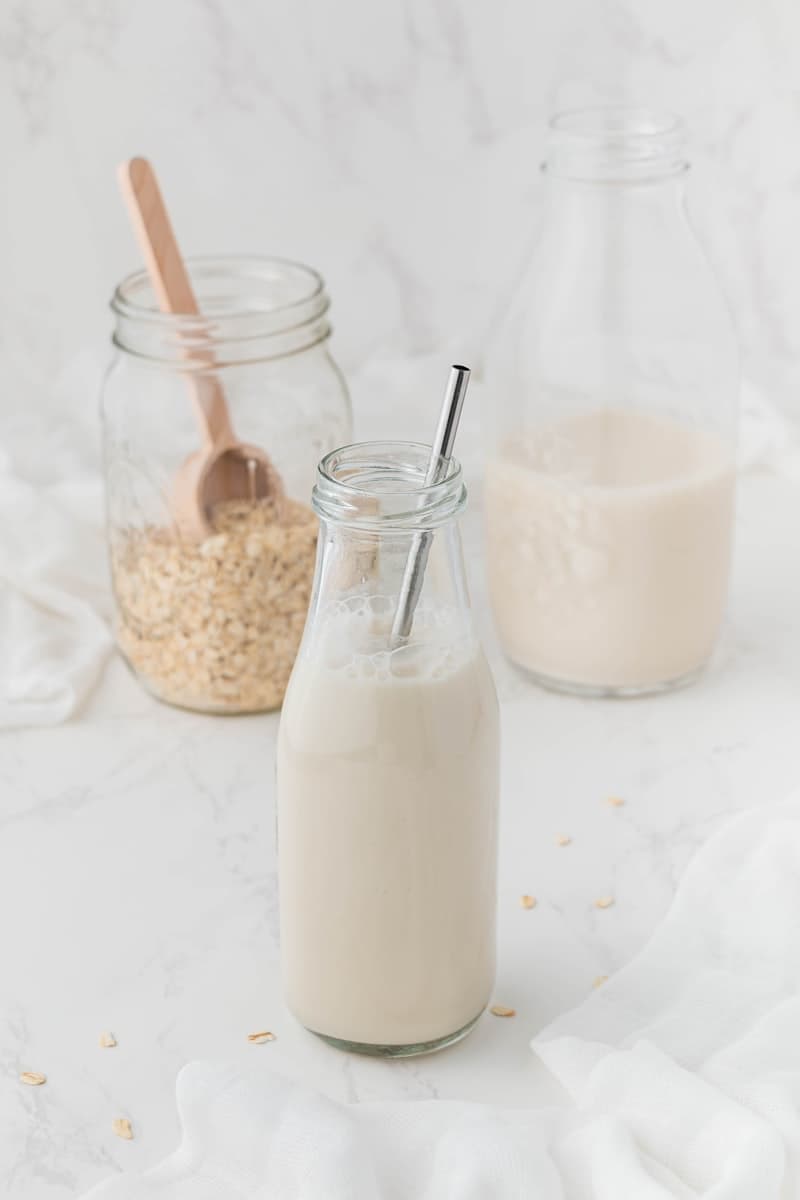
Walk into any coffee shop in 2026 and you will see it: oat milk lattes on the menu, almond milk as a default option, and a row of plant-based cartons in the refrigerator case. Between 2020 and 2026, the global plant-based milk market blew past $14 billion, and almond milk and oat milk have become the two dominant players. One is light, nutty, and practically calorie-free. The other is creamy, satisfying, and eerily close to real dairy.
But here is the problem. Most comparison articles slap down a nutrition table, declare one the winner, and move on. That misses the real story. The almond milk vs oat milk question cannot be answered by looking at calories alone. The differences run through nutrition (calories, protein, carbs, fiber, vitamins), practical use (coffee, baking, smoothies), health goals (weight loss, keto, heart health, diabetes), and environmental impact (water usage, carbon footprint, sustainability). I went through the USDA nutrition data, FDA health claims on beta-glucan, water footprint research from the Water Footprint Network, and the clinical studies behind oat fiber's cholesterol-lowering effects. What I found is that neither milk wins across the board. They are both solid choices, but they excel in completely different situations.
This guide is part of our Nutrition series. We have already covered carbohydrates in our brown rice vs white rice comparison, protein in our plant protein vs whey protein guide, inflammation-fighting foods in our anti-inflammatory foods guide, and healthy fats in our avocado oil vs olive oil comparison. This time we are tackling plant-based beverages — the dairy-free alternatives that have reshaped how millions of people start their morning.
Quick Answer — Which Is Healthier, Almond Milk or Oat Milk?
Both are popular plant-based milk alternatives, but they serve different needs. Almond milk wins for low-calorie diets and vitamin E, while oat milk wins for creaminess, fiber, and environmental sustainability.
If you only buy one, unsweetened almond milk is the lower-calorie choice that fits almost any diet. But the smartest move is to keep both in your fridge — almond milk for low-calorie drinks and baking, oat milk for coffee and heart health.
Think of it this way: almond milk is the lightweight — refreshing, nearly calorie-free, packed with vitamin E. Oat milk is the heavyweight — creamy, satisfying, loaded with cholesterol-lowering fiber. They complement each other rather than compete.
| Almond Milk (Unsweetened) | Oat Milk (Unsweetened) | |
|---|---|---|
| Best for | Low-calorie diets, keto, baking, vitamin E | Coffee, lattes, heart health, sustainability |
| Calories (1 cup) | 30–40 | 120–140 |
| Protein | 1 g | 3 g |
| Carbohydrates | 1–2 g | 16–20 g |
| Fiber | 0–1 g | 2–4 g (beta-glucan) |
| Vitamin E | 50% DV | ~0% DV |
| Calcium (fortified) | 25–35% DV | 25–35% DV |
| Taste / Texture | Light, thin, nutty | Creamy, thick, mild oat flavor |
| Water footprint | ~371 L per L of milk | ~48 L per L of milk |
If that answers your question, great. But if you want the science behind those numbers — the beta-glucan research, the environmental data, the honest trade-offs for weight loss and keto — the details below are worth your time.
What Makes Almond Milk and Oat Milk Different? (Source, Processing, and Flavor)

Before we compare nutrition labels, it helps to understand what each milk actually is, how it gets made, and why they taste so different from each other.
How Each Milk Is Made
Almond milk starts with raw almonds that are soaked in water, blended into a fine slurry, and then strained to remove the solid almond pulp. The ratio of almonds to water determines the thickness and nutritional density. Commercial almond milk typically uses about 2% almonds by weight — which is why the protein and calorie content end up so low. Most brands fortify their products with calcium, vitamin D, vitamin E, and vitamin B12 to bring the nutritional profile closer to dairy milk.
You will find three main versions on store shelves:
- Unsweetened: No added sugar. This is the version all the nutrition numbers in this article refer to. 30–40 calories per cup.
- Original / Sweetened: Added sugar or natural sweeteners. Typically 60–90 calories per cup, with 7–16g of sugar.
- Flavored (vanilla, chocolate): Additional flavorings and sweeteners. Can range from 90 to 150+ calories per cup depending on the brand.
Oat milk follows a similar process — oats are soaked in water, blended, and strained. The key difference is that oats contain starch, which breaks down into natural sugars during processing. That is why even unsweetened oat milk tastes mildly sweet and contains 4–7g of naturally occurring sugar per cup. Oats also contain beta-glucan, a soluble fiber that dissolves into the milk during blending and provides genuine heart health benefits.
Commercial oat milk often includes a small amount of oil (usually rapeseed or sunflower) to improve texture and mouthfeel. The "barista edition" versions are specifically formulated with additional oils and stabilizers so the milk froths well and does not separate when steamed — a detail that matters enormously for coffee drinks.
| Almond Milk | Oat Milk | |
|---|---|---|
| Source | Whole almonds (soaked, blended, strained) | Whole oats (soaked, blended, strained) |
| Key natural component | Healthy fats, vitamin E | Starch, beta-glucan fiber |
| Added ingredients (commercial) | Calcium, vitamins D/E/B12, sometimes carrageenan | Calcium, vitamins D/B12, rapeseed/sunflower oil, salt |
| Natural sugar content | 0 g (unsweetened) | 4–7 g (from oat starch) |
| Texture | Thin, light, watery | Thick, creamy, smooth |
| Barista version | Less common, does not froth as well | Widely available, froths excellently |
One thing to keep in mind: homemade versions of both milks are more nutrient-dense because you control the ingredient ratio. A homemade almond milk with a higher almond-to-water ratio will have more calories, protein, and healthy fat than the commercial version. But it will also spoil faster and costs more to make.
Taste and Texture — Why They Feel So Different
This is not a minor detail. The texture of your milk changes the entire experience of your coffee, cereal, or smoothie.
Oat milk has a creamy, thick consistency that closely mimics whole dairy milk. The mouthfeel is smooth and velvety — almost indulgent. The flavor is mildly sweet with a subtle oat-y undertone. Some people describe it as tasting like "the milk at the bottom of a cereal bowl" in the best possible way. This creaminess is the main reason oat milk has taken over coffee shops worldwide.
Almond milk is much thinner. The consistency is closer to skim milk or even water, depending on the brand. The flavor is distinctly nutty — light and refreshing if you like that profile, but noticeably different from dairy milk. In coffee, almond milk can sometimes taste a bit watery compared to oat milk, which is why it has not caught on as a barista favorite.
If texture and creaminess matter to you — especially in hot drinks — oat milk is the clear winner. If you prefer a lighter, more refreshing drink, almond milk has the edge.
Almond Milk vs Oat Milk Nutrition Facts (Calories, Protein, Carbs, and More)
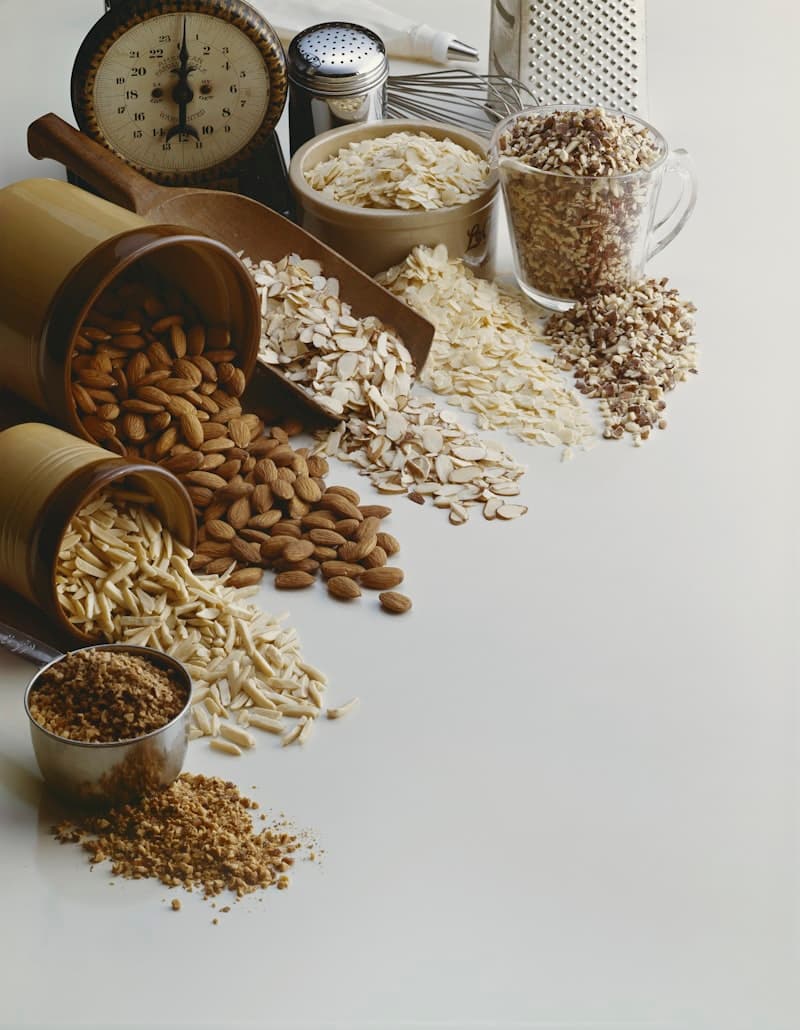
Time for the numbers. All values below are for 1 cup (240 ml) of unsweetened, commercially fortified products, based on USDA FoodData Central data. Exact values vary by brand and fortification, so ranges are used throughout.
In the almond milk vs oat milk comparison, five things jump out from the nutrition data:
| Nutrient | Unsweetened Almond Milk (1 cup) | Unsweetened Oat Milk (1 cup) | Difference |
|---|---|---|---|
| Calories | 30–40 | 120–140 | Almond milk: 3–4x fewer |
| Total fat | 2–3 g | 3–5 g | Similar |
| Saturated fat | 0 g | 0–0.5 g | Both very low |
| Carbohydrates | 1–2 g | 16–20 g | Oat milk: 10x higher |
| Dietary fiber | 0–1 g | 2–4 g | Oat milk higher (beta-glucan) |
| Sugar (natural) | 0 g | 4–7 g | Oat milk naturally sweeter |
| Protein | 1 g | 3 g | Both low; oat milk slightly higher |
| Calcium (fortified) | 25–35% DV | 25–35% DV | Equal when fortified |
| Vitamin D (fortified) | ~25% DV | 20–25% DV | Similar |
| Vitamin E | ~50% DV | ~0% DV | Almond milk dominant |
| Vitamin B12 (fortified) | 25–50% DV | 25–50% DV | Similar when fortified |
| Riboflavin (B2) | 0–20% DV | 20–45% DV | Oat milk higher |
| Phosphorus | ~10% DV | 15–20% DV | Oat milk slightly higher |
1. The calorie gap is enormous. One cup of unsweetened almond milk contains 30–40 calories. One cup of unsweetened oat milk contains 120–140 calories. That is a 3–4x difference. If you drink two cups a day, switching from oat milk to almond milk saves you roughly 160–200 calories daily — about 1,120–1,400 calories per week. That is nearly a full day of eating, saved just by swapping your milk. For anyone counting calories or trying to lose weight, this is the single most important number in this entire comparison.
2. Carbohydrates are a 10x difference. Oat milk has 16–20g of carbs per cup compared to almond milk's 1–2g. Most of that comes from oat starch, which breaks down into natural sugars during processing. For low-carb and keto dieters, this makes almond milk the obvious (and really only) choice. One cup of oat milk would use up most of your daily carb allowance on a strict keto diet.
3. Protein is low in both — do not rely on either for protein. Oat milk has slightly more (3g vs 1g per cup), but both are trivial protein sources compared to dairy milk (8g per cup) or soy milk (7–9g per cup). If protein intake is a priority — and it should be for most active people — neither almond nor oat milk moves the needle. For a deep dive into getting enough protein from whole foods and supplements, our plant protein vs whey protein guide covers the full picture.
4. Vitamin E is almond milk's superpower. A fortified cup of unsweetened almond milk typically delivers roughly 20–50% of your daily vitamin E, depending on the brand. That is a meaningful amount of a nutrient many people do not get enough of. Vitamin E is a fat-soluble antioxidant that protects cell membranes from oxidative damage and supports immune function. Oat milk contains essentially zero vitamin E. If you want to boost your antioxidant intake through your daily milk choice, almond milk is the clear winner.
5. Fiber and beta-glucan are oat milk's superpower. Oat milk contains 2–4g of dietary fiber per cup, including beta-glucan — a soluble fiber with strong clinical evidence for lowering LDL cholesterol and supporting heart health. The FDA has authorized a health claim stating that 3g or more of beta-glucan per day (from oats or barley) may reduce the risk of coronary heart disease. A couple cups of oat milk can get you most of the way there. Almond milk has virtually no fiber. This is one of the most meaningful nutritional differences between the two milks.
For more on foods that fight chronic inflammation — including why antioxidant-rich foods like vitamin E sources matter — check out our anti-inflammatory foods guide.
Almond Milk vs Oat Milk for Coffee, Lattes, and More — Which Works Best for Each Use?

Numbers are useful, but real life is practical. Here is how each milk performs in the situations you will actually use them.
Coffee and Lattes — The Oat Milk Dominance
Oat milk has taken over coffee culture for a reason. Its creamy texture and natural sweetness make it the closest plant milk to whole dairy in a latte. Barista-formulated oat milks — like Oatly Barista Edition and similar products — are designed with added enzymes and stabilizers that create stable microfoam when steamed. You can pour latte art with them. They do not separate when mixed with hot espresso. The result is a latte that looks, feels, and tastes remarkably close to the dairy version.
Almond milk works in coffee, but with more compromises. It can curdle when mixed with highly acidic coffee — you have probably seen those unappetizing floating flakes. It froths, but the foam is thinner and less stable. The thin texture means your latte will feel more watery. Some brands make barista almond milk formulations, but even those do not match oat milk's performance.
The one exception: iced coffee and cold brew. Here almond milk's lighter consistency works in its favor. It adds a refreshing, clean quality without weighing down the drink. If you drink your coffee cold, almond milk is a solid choice.
Hot lattes and cappuccinos: oat milk. Iced coffee: either works, almond milk for lightness.
Smoothies and Shakes
This comes down to what you want from your smoothie.
Almond milk is ideal when you want a low-calorie base that lets the other ingredients — fruit, vegetables, protein powder, nut butter — take center stage. It adds liquid without adding calories, sugar, or competing flavors. If your smoothie is already packed with bananas, berries, and protein powder, almond milk keeps the calorie count reasonable.
Oat milk turns a smoothie into something richer and more filling. The creamy texture gives it a milkshake quality, and the natural sweetness means you can skip added honey or maple syrup. For a meal-replacement smoothie that actually keeps you full until lunch, oat milk is the better base.
A practical tip from our protein guide: blend protein powder with oat milk and a banana for a 400-calorie post-workout shake that actually tastes good. Swap to almond milk if you want the same protein hit for half the calories.
Baking and Cooking
Almond milk is the better baking milk. Its thin, neutral-flavored consistency incorporates smoothly into batter without adding density or unwanted flavor. Muffins, pancakes, cakes, quick breads — almond milk works as a near-perfect 1:1 substitute for dairy milk in most recipes.
Oat milk has more starch, which acts as a natural thickener. That makes it excellent for savory applications — macaroni and cheese, cream soups, bechamel sauce, mashed potatoes. But it can make baked goods denser, and its mild oat flavor can come through in delicate desserts where you want a neutral taste.
Baking and desserts: almond milk. Creamy savory dishes: oat milk.
Cereal and Oatmeal
Almond milk works well with cereal because it does not make the flakes soggy as quickly — its thin consistency soaks in slowly. Granola, cornflakes, bran flakes all pair nicely.
Oat milk on oatmeal is... a lot of oat. But oat milk works beautifully with granola, muesli, and cold cereal where you want that extra creaminess. Just be aware that oat milk's natural sweetness might make sweetened cereals taste overly sugary.
Almond Milk vs Oat Milk for Weight Loss, Keto, and Special Diets

Different diets have different demands. Here is how the two milks stack up for the most common dietary goals.
Weight Loss
This is not close. Unsweetened almond milk contains 30–40 calories per cup. Unsweetened oat milk contains 120–140 calories per cup. Over the course of a day, if you drink two cups — one in your morning coffee, one in an afternoon smoothie — that is an 80–200 calorie swing depending on your choice. Over a week, that is 560–1,400 calories. Over a month, 2,400–6,000 calories.
To put that in perspective: a pound of body fat is roughly 3,500 calories. Switching from oat milk to almond milk alone — changing nothing else in your diet — could theoretically contribute to an extra pound of weight loss every 2–3 weeks. That is meaningful.
Almond milk is the clear winner for weight loss.
Keto and Low-Carb Diets
Again, the gap is substantial. Almond milk has 1–2g of carbohydrates per cup. Oat milk has 16–20g. On a standard keto diet (20–50g of carbs per day), a single cup of oat milk could use up most of your daily allowance. Almond milk fits effortlessly into keto, with room to spare.
For keto: almond milk only.
Vegan and Plant-Based Diets
Both milks are entirely plant-based with no animal-derived ingredients. Both are vegan-friendly. Neither has an advantage here.
Diabetes and Blood Sugar Management
Almond milk's extremely low carbohydrate content (1–2g per cup) means it has minimal impact on blood sugar. It is an easy choice for anyone monitoring glucose levels.
Oat milk's 16–20g of carbohydrates per cup will raise blood sugar more than almond milk. However, the beta-glucan fiber in oat milk helps slow glucose absorption, which moderates the spike compared to what you might expect from the carb count alone. Still, for strict blood sugar management, almond milk is the safer bet.
Heart Health
This is where oat milk shines. The beta-glucan fiber in oats is one of the most well-studied cholesterol-lowering nutrients in existence. The FDA authorized a health claim in 1997, now codified in 21 CFR 101.81, stating that 3g or more per day of beta-glucan soluble fiber from whole oats or barley — as part of a diet low in saturated fat and cholesterol — may reduce the risk of coronary heart disease. A 2014 meta-analysis of 28 randomized controlled trials by Whitehead and colleagues in the American Journal of Clinical Nutrition found that consuming at least 3g of oat beta-glucan daily lowered LDL cholesterol by about 0.25 mmol/L and total cholesterol by about 0.30 mmol/L, with no significant effect on HDL cholesterol or triglycerides.
Two cups of oat milk per day can provide a meaningful portion of that 3g daily beta-glucan target. Almond milk has no beta-glucan and essentially no fiber.
For heart health: oat milk has a clear evidence-based advantage.
Diet-by-Diet Summary
| Diet / Goal | Best Choice | Why |
|---|---|---|
| Weight loss | Almond milk | 30–40 kcal vs 120–140 kcal per cup |
| Keto / low-carb | Almond milk | 1–2g carbs vs 16–20g carbs per cup |
| Vegan | Both | Both are 100% plant-based |
| Diabetes / blood sugar | Almond milk | Minimal carbs, no sugar spike |
| Heart health | Oat milk | Beta-glucan lowers LDL cholesterol (FDA-recognized) |
| Athletic / muscle building | Neither alone (add protein) | Both are low in protein — consider soy milk instead |
Environmental Impact — Water Usage, Carbon Footprint, and Sustainability

In the almond milk vs oat milk debate, the environmental angle surprises a lot of people. Here is where the conversation gets genuinely unexpected.
Water Usage
This is oat milk's clearest environmental advantage. The most-cited dataset comes from the Oxford University meta-analysis by Poore and Nemecek (2018), published in Science, which pooled data from roughly 38,000 farms across 119 countries:
- Almond milk: Approximately 371 liters of water to produce 1 liter of almond milk
- Oat milk: Roughly one-eighth of almond milk's water footprint — oats are a low-water crop
- Dairy milk: The highest water footprint of the milks, though published estimates vary widely by region and methodology
Oat milk uses far less water than almond milk requires. That gap is hard to ignore. And the issue with almonds goes beyond volume — about 80% of the world's almonds are grown in California, a state that has experienced severe, multi-year droughts. Almond orchards require consistent, large-scale irrigation in a region where water is already scarce. The concentration of almond farming in a drought-prone area amplifies the environmental concern beyond what the raw numbers capture.
Carbon Footprint
Here the comparison is closer:
- Almond milk: Approximately 0.7 kg CO2 per liter
- Oat milk: Approximately 0.9 kg CO2 per liter
- Dairy milk: Approximately 3.2 kg CO2 per liter
Almond milk has a roughly comparable carbon footprint to oat milk per liter. Based on the Poore and Nemecek dataset, plant-based milks on average generate about one-third or less of the greenhouse gas emissions of cow's milk. So regardless of which plant milk you choose, you are making a significantly more climate-friendly choice than dairy. (Exact per-liter figures vary by brand, farm, and processing, so treat the numbers above as approximate.)
Land Use and Biodiversity
Oat farming uses less land per unit of output compared to almonds. Oats are also grown in more diverse geographic regions (Scandinavia, Canada, the US Midwest, Northern Europe), reducing the concentrated environmental pressure that almond farming creates in California's Central Valley.
One concern specific to almond farming: pollination. More than 70% of commercial honeybee colonies in the United States are deployed to California's almond orchards each winter for pollination season, with colonies trucked in from across the country. The sheer scale of this operation — and the pesticide and pathogen exposure that can come with concentrating so many colonies in one place — has raised concerns about pollinator health. The evidence here is nuanced, however: a 2017 PLOS One study of migratory colonies involved in almond pollination actually found that operations pollinating almonds lost, on average, about the same number of colonies as those that did not. The concentration of honeybees in one region is a legitimate biodiversity discussion point, but the claim that almond pollination directly causes higher colony losses is not well supported by that research.
The Bottom Line on Environment
For water usage and land use: oat milk wins clearly. For carbon emissions: they are comparable. On balance, most environmental assessments rate oat milk as the more sustainable choice overall — primarily because of the water footprint difference and the concentration of almond farming in drought-prone California.
Both plant milks are dramatically better for the environment than dairy milk. That is worth emphasizing. If your choice is between any plant milk and dairy, pick the plant milk.
Almond Milk vs Oat Milk — Complete Comparison Table

For those who want everything in one place:
| Feature | Almond Milk (Unsweetened) | Oat Milk (Unsweetened) |
|---|---|---|
| Calories (1 cup / 240 ml) | 30–40 | 120–140 |
| Total fat | 2–3 g | 3–5 g |
| Saturated fat | 0 g | 0–0.5 g |
| Carbohydrates | 1–2 g | 16–20 g |
| Dietary fiber | 0–1 g | 2–4 g |
| Sugar (natural) | 0 g | 4–7 g |
| Protein | 1 g | 3 g |
| Calcium (fortified) | 25–35% DV | 25–35% DV |
| Vitamin D (fortified) | ~25% DV | 20–25% DV |
| Vitamin E | ~50% DV | ~0% DV |
| Vitamin B12 (fortified) | 25–50% DV | 25–50% DV |
| Riboflavin (B2) | 0–20% DV | 20–45% DV |
| Taste / Texture | Light, thin, nutty | Creamy, thick, mild oat |
| Coffee frothing | Fair | Excellent (barista blends) |
| Water footprint | ~371 L / L milk | ~48 L / L milk |
| Carbon footprint | ~0.7 kg CO2 / L | ~0.9 kg CO2 / L |
| Price (per carton) | $3–$6 | $4–$7 |
| Nut allergies | Not safe (tree nut) | Safe |
| Gluten sensitivity | Safe | Check label (cross-contamination risk) |
A few notes:
- Fortification varies by brand. The calcium, vitamin D, and B12 numbers assume fortified products. Always check the label — some specialty or organic brands skip fortification, and those products will have lower micronutrient content.
- Sweetened versions change everything. Vanilla almond milk can contain 13–16g of added sugar per cup. Flavored oat milks can contain even more. If you buy anything other than "unsweetened," read the nutrition label carefully.
- Price varies by region and brand. Oat milk tends to cost $0.50–$1.00 more per carton than almond milk. Barista editions and premium organic brands run higher. Store brands are usually the best value.
- Protein reality check. Neither milk is a meaningful protein source. If you need protein — and most active adults do — you should be getting it from food or a dedicated protein supplement, not from your milk choice.
Which Plant Milk Should You Choose? (Purpose-Based Recommendations)

There is no single winner. But there is a clear winner for your specific situation.
| Your Situation | Best Choice | Why |
|---|---|---|
| Weight loss / low-calorie | Almond milk (unsweetened) | 30–40 kcal per cup — almost calorie-free |
| Coffee / hot lattes | Oat milk (barista blend) | Creamy texture, stable foam, latte art possible |
| Keto / low-carb | Almond milk (unsweetened) | 1–2g carbs — fits keto macros effortlessly |
| Heart health | Oat milk | Beta-glucan lowers LDL cholesterol (FDA-recognized) |
| Baking and desserts | Almond milk | Light texture, neutral flavor, does not add density |
| Smoothies (low-cal) | Almond milk | Keeps calories down while providing liquid base |
| Smoothies (meal-replacement) | Oat milk | Creamy, filling, natural sweetness |
| Environmental sustainability | Oat milk | 8x less water usage, no bee colony concerns |
| Vegan / dairy-free | Both | Both are 100% plant-based |
| Nut allergy | Oat milk | Almond milk is unsafe for tree nut allergies |
| Gluten sensitivity | Almond milk | Oats carry cross-contamination risk (look for certified GF) |
| Best taste / closest to dairy | Oat milk | Creamy mouthfeel closely mimics whole milk |
| Overall best strategy | Both | Oat milk for coffee, almond milk for everything else |
My Practical Recommendation
The best approach is the one many plant-based milk drinkers have already landed on: keep both in your fridge. Use oat milk for your morning latte — it is the one application where the difference is genuinely dramatic. Use almond milk for everything else — smoothies, baking, cereal, cooking, or just drinking a glass.
They are not competitors. They are complementary tools. Almond milk gives you the low-calorie, vitamin E-rich base for your recipes and beverages. Oat milk gives you the creamy, satisfying, heart-healthy addition to your coffee routine.
If you are building a balanced diet and want to learn more about complementary nutrition choices, our guides on high-protein foods and omega-3 benefits round out the picture.
Frequently Asked Questions
Which is healthier, almond milk or oat milk?
The almond milk vs oat milk question cannot be answered by declaring one the winner. Almond milk is dramatically lower in calories (30–40 vs 120–140 per cup) and carbohydrates, making it better for weight loss and keto diets. It also provides roughly 50% of your daily vitamin E per cup, supporting antioxidant defense and skin health. Oat milk provides more fiber — specifically beta-glucan, which the FDA recognizes for lowering LDL cholesterol — and has a much lower environmental water footprint. The healthier choice depends on your priorities: calorie control and vitamin E equal almond milk; heart health and sustainability equal oat milk.
Is oat milk better than almond milk for coffee?
Yes, oat milk is significantly better for hot coffee drinks like lattes and cappuccinos. Its creamy texture closely mimics whole milk, and barista-formulated versions produce stable microfoam that works for latte art. Almond milk can curdle when mixed with acidic coffee and produces thinner, less stable foam. For iced coffee and cold brew, almond milk works well and adds a lighter, refreshing quality that some people actually prefer.
Can you drink almond milk or oat milk if you have nut allergies?
People with tree nut allergies should avoid almond milk entirely — almonds are tree nuts, and even trace amounts can trigger serious reactions. Oat milk is safe for nut allergy sufferers since it contains no nuts. However, people with celiac disease or gluten sensitivity should choose certified gluten-free oat milk. Standard oats are frequently cross-contaminated with wheat during farming and processing, which can cause reactions in sensitive individuals. Always check the label for gluten-free certification if this applies to you.
Is almond milk or oat milk better for weight loss?
Almond milk is clearly better for weight loss. Unsweetened almond milk contains just 30–40 calories per cup, compared to 120–140 calories in unsweetened oat milk. If you drink two cups per day, switching from oat milk to almond milk saves about 160–200 calories daily — roughly 1,120–1,400 calories per week. That calorie difference alone can contribute to meaningful weight loss over time without any other dietary changes. Over a month, we are talking about 4,800–6,000 fewer calories consumed just from your milk choice.
Does oat milk have more protein than almond milk?
Oat milk has slightly more protein — about 3g per cup versus 1g in almond milk. But both are low compared to cow's milk (8g per cup) or soy milk (7–9g per cup). If protein intake is your main concern, neither almond nor oat milk is a significant protein source. You would need to drink 8 cups of oat milk to get the same protein as one cup of dairy milk — which would also cost you 960–1,120 calories and 128–160g of carbohydrates. Consider soy milk or a dedicated protein supplement instead.
Is oat milk or almond milk more environmentally friendly?
Oat milk has a clear environmental advantage in water usage. It takes approximately 48 liters of water to produce one liter of oat milk, compared to about 371 liters for almond milk — roughly 8 times less. Almond farming is concentrated in drought-prone California and raises concerns about water stress and commercial honeybee colony health. Both plant milks have a significantly lower environmental footprint than dairy milk (about 628 liters of water and 3.2 kg CO2 per liter), so either choice is substantially better than dairy from an environmental perspective.
Can I use almond milk and oat milk interchangeably in recipes?
In most recipes, yes, but the results will differ. Oat milk's higher starch content makes it a natural thickener in soups, sauces, and mac and cheese — it adds body that almond milk cannot replicate. Almond milk's lighter consistency works better in baking, where you want the liquid to incorporate without adding density. For coffee, oat milk froths better and creates a creamier drink. For smoothies where you want to keep calories down, almond milk is the smarter choice. Neither will ruin a recipe, but understanding how each behaves helps you get the result you want.
Which plant milk tastes most like regular milk?
Oat milk is widely considered the closest plant milk to cow's milk in taste and texture. Its creamy mouthfeel, mild sweetness, and smooth consistency closely replicate the experience of drinking dairy milk. This is the main reason oat milk has become the default plant milk in coffee shops worldwide. Almond milk has a thinner, more watery texture and a distinct nutty flavor that some people enjoy but that tastes noticeably different from dairy. If mimicking the dairy milk experience is your priority, oat milk is the clear winner.
References
- Whitehead A, Beck EJ, Tosh S, Wolever TMS. "Cholesterol-lowering effects of oat β-glucan: a meta-analysis of randomized controlled trials." American Journal of Clinical Nutrition, 2014.
- U.S. FDA. "Health claims: Soluble fiber from certain foods and risk of coronary heart disease (CHD)." 21 CFR § 101.81.
- Poore J, Nemecek T. "Reducing food's environmental impacts through producers and consumers." Science, 2018.
- FoodUnfolded. "Plant-Based Milk Alternatives | Environmental Footprints" (citing Poore & Nemecek, 2018).
- Clarke S, et al. "Which 'milk' is best for the environment? We compared dairy, nut, soy, hemp and grain milks." The Conversation, 2020.
- USDA Economic Research Service. "Thousands of commercial honey bee colonies are transported long distances to pollinate California almonds."
- Glenny W, et al. "Honey bee (Apis mellifera) colony health and pathogen composition in migratory beekeeping operations involved in California almond pollination." PLOS One, 2017.
- National Institutes of Health, Office of Dietary Supplements. "Vitamin E — Health Professional Fact Sheet."
- U.S. Department of Agriculture. FoodData Central.
The Bottom Line
Almond milk and oat milk are not competitors. They are complementary choices that excel in different situations.
Almond milk is the lightweight champion — nearly calorie-free, rich in vitamin E, low in carbs, and versatile enough for baking, smoothies, and everyday drinking. If you are counting calories, managing blood sugar, or eating keto, unsweetened almond milk is the obvious choice.
Oat milk is the creamy, satisfying option — rich in beta-glucan fiber that lowers cholesterol, textured like real dairy, and far more sustainable in terms of water usage. If heart health is a priority, or if you want a plant milk that actually works in a latte, oat milk is the answer.
The best strategy is the simplest one: keep both in your fridge. Make your morning latte with oat milk. Use almond milk for everything else. That combination gives you the heart-healthy fiber and creaminess of oat milk when it matters most, and the low-calorie, vitamin E-rich lightness of almond milk for the rest of the day. Pair whichever milk you choose with high-protein foods and a balanced diet, and you are in good shape.
Which plant milk do you use and why? Drop a comment — I read every one.
Related guides:
- Pick the right grain: Brown rice vs white rice
- Pick the right protein: Plant protein vs whey protein
- Fight inflammation through food: Anti-inflammatory foods guide
- Round out your healthy fats: Avocado oil vs olive oil
- Heart-healthy omega-3s: Omega-3 fish oil benefits
This article is for informational purposes only and is not intended as medical advice. Always consult a qualified healthcare professional before making changes to your diet, especially if you have diabetes, cardiovascular conditions, nut allergies, celiac disease, or other medical concerns.
Sweet Potato vs White Potato: How Cooking Completely Changes the Glycemic Index (Boiled, Baked, Cooled — Actual GI Numbers)
Next →Avocado Oil vs Olive Oil: Which Is Healthier for Cooking, Salads & More? (2026 Science-Based Guide)
Related Posts

Matcha vs Coffee: Which Is Healthier? Caffeine, L-Theanine, Antioxidants & Energy Compared (2026 Guide)

Brown Rice vs White Rice: Which Is Actually Healthier? What Science Says (2026 Guide)
