Plant Protein vs Whey Protein: Which Is Actually Better? (Science-Backed 2026)
Plant protein vs whey protein — which is better for muscle, weight loss, and digestion? Compare amino acids, absorption, taste, and price (2026).
Plant Protein vs Whey Protein: Which Is Actually Better? (Science-Backed 2026)
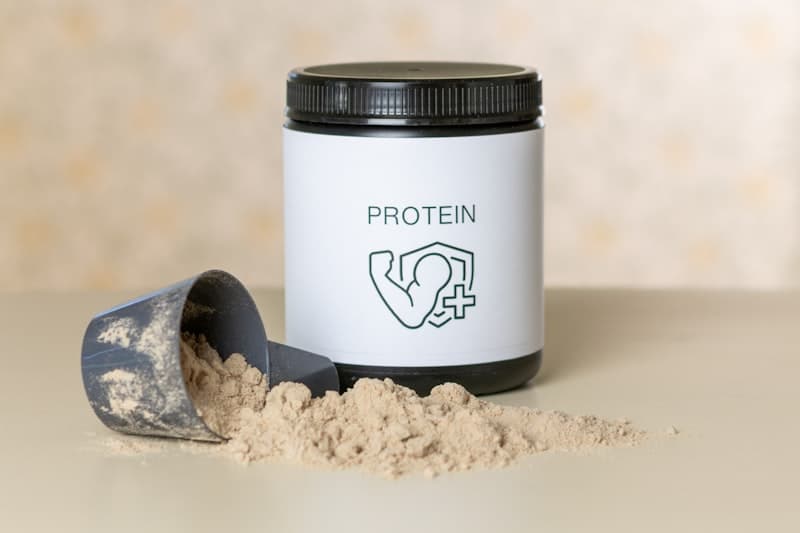
One friend swears by whey. Another went fully plant-based and says they will never go back. You are standing in the supplement aisle staring at two dozen tubs, each one claiming to be the best protein powder on the market. All you want to know is which one actually works.
It is a fair question. The global protein supplement market surpassed $85 billion, and plant-based protein powders are the fastest-growing segment. More people than ever are eating flexitarian, vegan, or just trying to cut back on dairy. That means the plant protein vs whey protein question is not going away.
The problem is that most of the information out there has an agenda. Whey advocates point to higher leucine and faster absorption. Plant-based advocates talk about clean ingredients and sustainability. Both sides cherry-pick studies. I have gone through the clinical research — the amino acid data, the muscle protein synthesis trials, the digestion studies, and the head-to-head comparisons. What I found is that neither is universally better. They work through different amino acid profiles, different absorption rates, and different digestive pathways. The right choice depends on your diet, your goals, and your gut.
Quick Answer — Is Plant Protein as Good as Whey?
Is plant protein as good as whey? For most people, yes — with one caveat. Whey protein has a higher concentration of leucine and absorbs faster, giving it a measurable edge for post-workout muscle building. But research shows that when total daily protein intake is adequate (1.6–2.2 g per kg of body weight), plant and whey protein produce similar results for muscle growth and fat loss over time.
Here is the side-by-side at a glance:
| Whey Protein | Plant Protein | |
|---|---|---|
| Protein per scoop | 20-25g | 15-25g |
| Leucine per scoop | ~2.5g | ~1.2-1.8g |
| DIAAS score | 1.09-1.18 | 0.63-1.00 (varies by source) |
| Absorption speed | Fast (1-2 hrs) | Moderate (2-3 hrs) |
| Lactose | Yes (Concentrate) / Trace (Isolate) | None |
| Vegan-friendly | No | Yes |
| Mixability | Excellent | Varies (improving) |
| Taste | Creamy, milky | Earthy, varies by source |
| Price per gram protein | $$ | $$$ |
| Best for | Post-workout MPS, value | Vegans, food sensitivities |
The short version: whey wins on speed and leucine. Plant protein wins on digestibility and dietary flexibility. Most people would be fine with either one. The rest of this guide explains why — and helps you figure out which one fits your situation.
What Exactly Are Plant Protein and Whey Protein?
Before comparing them, it helps to understand what you are actually drinking.
Whey Protein — The Gold Standard?
Whey protein comes from milk. During cheese production, milk separates into solid curds (casein) and liquid whey. That liquid gets filtered, purified, and dried into the powder you recognize. It has been the default protein supplement for decades, and for good reason — it has a complete amino acid profile, high bioavailability, and absorbs rapidly.
You will typically see three forms on the shelf:
- Whey Concentrate (WPC): 70-80% protein by weight. Contains some lactose, fat, and carbohydrates. The most affordable option and the most common.
- Whey Isolate (WPI): 90%+ protein by weight. Most of the lactose and fat are filtered out. Better if you are sensitive to dairy, but more expensive.
- Whey Hydrolysate (WPH): Pre-digested (partially broken down into peptides) for even faster absorption. Often used in clinical settings or high-end sports nutrition. Pricier and not necessary for most people.
Whey is called the "gold standard" because it scores near the top on every protein quality metric — PDCAAS of 1.0, DIAAS above 1.09, and a biological value (BV) around 104. That is not marketing hype. It is genuinely one of the highest-quality protein sources available.
Plant Protein — More Than Just a Vegan Alternative
Plant protein powders are extracted from several plant sources. The most common ones you will see are pea, soy, hemp, and rice — either sold individually or as blends. The idea is straightforward: isolate the protein component from plants the same way whey is isolated from milk.
Each source has its own amino acid profile, taste, and texture. That is why many of the best plant-based protein powders on the market today use a blend — combining pea and rice, for instance, to create a more complete amino acid profile than either could achieve alone.
Plant protein used to be the "niche" option. Not anymore. The quality has improved dramatically over the past five years, and the current crop of products mixes better, tastes better, and delivers protein content that rivals whey scoop for scoop.
The key difference is not quality — it is composition. Whey and plant protein provide the same fundamental building blocks (amino acids), but in different ratios and with different digestion kinetics. Those differences matter, and the rest of this guide explains exactly how much.
Amino Acid Profiles — Does Plant Protein Have What You Need?
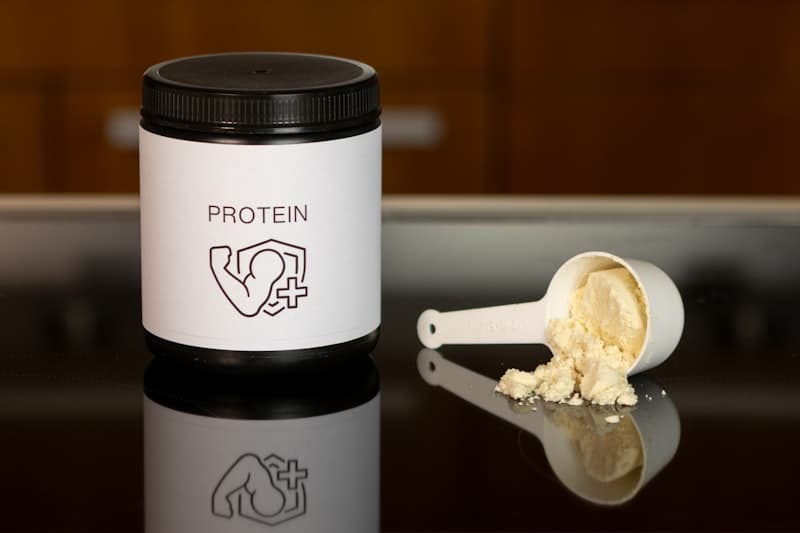
This is where the plant protein vs whey protein comparison gets interesting. Your body needs nine essential amino acids (EAAs) from food because it cannot make them on its own. The amount and ratio of those EAAs determines how "complete" a protein source is.
Whey's Amino Acid Advantage
Whey protein contains all nine EAAs in generous amounts. It is particularly rich in the branched-chain amino acids (BCAAs) — leucine, isoleucine, and valine — which play a direct role in muscle protein synthesis. A single scoop of whey typically delivers about 2.5g of leucine, which matters because leucine is the primary trigger for muscle building.
There is a concept in sports nutrition called the "leucine threshold" — the idea that you need roughly 2-3g of leucine in a single feeding to maximally stimulate muscle protein synthesis. The exact figure is debated, and a 2021 systematic review in Frontiers in Nutrition found the "leucine trigger" hypothesis holds more consistently in younger adults than older ones, so treat the threshold as a useful rule of thumb rather than a hard cutoff. Whey hits that range easily with one standard scoop.
Where Plant Protein Stands
Individual plant protein sources often fall short on one or two amino acids. Pea protein is lower in methionine. Rice protein is lower in lysine. Hemp protein is lower across the board in total EAA content. This is one of the reasons people used to dismiss plant proteins as "incomplete."
But that view is outdated for two reasons. First, soy protein is a genuine complete protein — it contains all nine EAAs in ratios comparable to animal protein, with a PDCAAS of 1.0. Second, blending plant sources fixes the gaps. A pea-and-rice blend gives you a complete amino acid profile because rice provides the methionine that pea lacks, and pea provides the lysine that rice lacks. A 2015 review by van Vliet and colleagues in the Journal of Nutrition examined the muscle anabolic response to plant- versus animal-based protein and noted that blending or fortifying plant sources is one strategy to close the gap with animal protein.
The practical takeaway: a well-formulated plant protein blend delivers the EAAs you need. You just might need a slightly larger scoop to hit the same leucine threshold — about 1.5 scoops of most plant proteins compared to one scoop of whey.
BCAA Comparison at a Glance
| Amino Acid | Whey (per scoop) | Pea (per scoop) | Soy (per scoop) |
|---|---|---|---|
| Leucine | ~2.5g | ~1.5-1.8g | ~1.7-2.0g |
| Isoleucine | ~1.5g | ~1.0g | ~1.1g |
| Valine | ~1.4g | ~1.1g | ~1.2g |
| Total BCAA | ~5.4g | ~3.6-3.9g | ~4.0-4.3g |
The gap is real but manageable. If you are using plant protein and want to maximize muscle protein synthesis, either use a slightly larger serving or add a leucine supplement. Most people do not need to bother — but competitive athletes might notice the difference.
Protein Quality and Absorption — How Do They Compare?
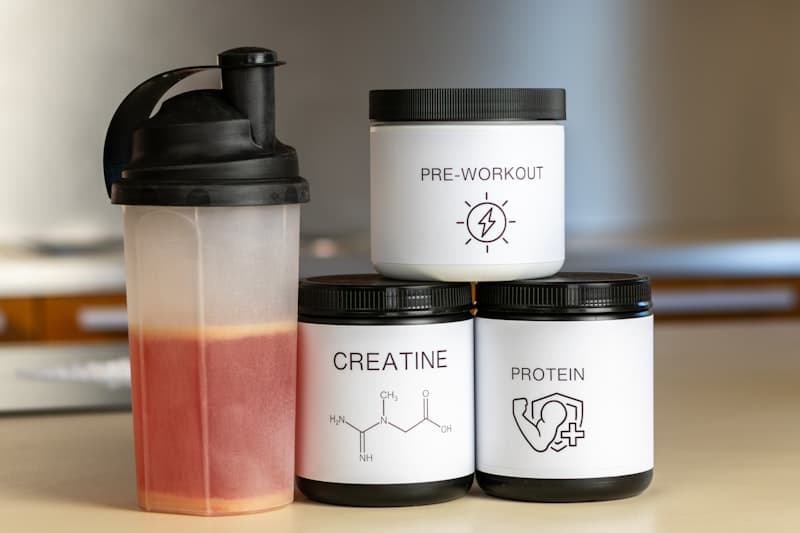
Amino acid content tells you what is in the powder. Absorption tells you how much of it your body actually uses. Both matter.
DIAAS: The Current Gold Standard for Protein Quality
The Digestible Indispensable Amino Acid Score (DIAAS) replaced the older PDCAAS system because it measures amino acid digestibility at the end of the small intestine — where most absorption happens — rather than fecal digestibility, which can overestimate true absorption. The FAO recommended this shift in 2013, and most researchers now consider DIAAS the more accurate metric — though PDCAAS is still the standard legally required for protein claims on US labels.
Here is how the main protein sources compare:
| Protein Source | DIAAS Score | Quality Rating |
|---|---|---|
| Whey Isolate | 1.09-1.18 | Excellent |
| Whey Concentrate | 1.00-1.09 | Excellent |
| Soy Protein Isolate | 0.90-1.00 | Good to Excellent |
| Pea Protein | 0.82-0.90 | Good |
| Hemp Protein | 0.63-0.66 | Fair |
| Rice Protein | 0.59-0.67 | Fair to Good |
Whey scores at the top. Soy comes close. Pea is solid. Hemp and rice lag behind on their own — which is another reason blends make sense.
Absorption Speed: Fast vs. Sustained
Whey protein is digested and absorbed rapidly. Peak amino acid levels in the blood occur within 60-90 minutes after consumption. A study by Tang et al. (2009) in the Journal of Applied Physiology showed that whey protein stimulates muscle protein synthesis more strongly than casein, and more than soy after resistance exercise, in the hours immediately after ingestion.
Plant proteins digest more slowly, generally peaking at 2-3 hours. That sounds like a disadvantage, but it depends on context. Faster absorption is ideal right after a workout when your muscles are primed for nutrients. But slower, sustained amino acid delivery has its own benefits — it keeps muscle protein synthesis elevated over a longer window and may help with satiety.
Think of it this way: whey is a sprint. Plant protein is a jog. Both get you to the same destination.
Bioavailability
Biological Value (BV) and Net Protein Utilization (NPU) are older metrics, but they still provide useful context:
- Whey: BV ~104, NPU ~92
- Soy: BV ~74, NPU ~61
- Pea: BV ~65-70, NPU ~55-60
Whey's bioavailability is among the highest of any dietary protein. Plant sources are lower, but when you account for the fact that most people eat multiple protein sources throughout the day, the real-world impact is modest.
Muscle Building — Can Plant Protein Match Whey?

This is the question most people actually care about. If I drink plant protein instead of whey, am I leaving gains on the table?
The Short Answer: Probably Not — If Your Total Protein Is High Enough
A landmark meta-analysis by Morton et al. (2018), published in the British Journal of Sports Medicine, analyzed 49 studies and found that protein supplementation significantly increased muscle strength and size during resistance training. The key finding? Total daily protein intake was the dominant factor, with gains plateauing beyond roughly 1.62g of protein per kg of body weight per day (about 120g for a 75 kg / 165 lb person). The analysis did not find protein source to be a significant moderator of muscle outcomes.
That is a big deal. It means the whey vs plant protein for muscle building debate matters less than most people think, provided you are hitting your daily target.
The Head-to-Head Evidence
The most directly relevant study is Babault et al. (2015), published in the Journal of the International Society of Sports Nutrition. Researchers ran a 12-week randomized, double-blind, placebo-controlled trial comparing pea protein to whey protein in 161 men doing upper-body resistance training. The result? Both protein groups gained muscle thickness, and there was no statistically significant difference between the pea and whey groups at the end of the study.
That said, when researchers dig into the acute muscle protein synthesis response (what happens in the hours immediately after drinking a shake), whey consistently outperforms plant proteins. Whey's higher leucine content and faster absorption create a sharper, more pronounced spike in muscle protein synthesis. Over a single session, whey wins. But acute spikes do not always translate into greater long-term muscle growth — and the 12-week data confirms that.
The Leucine Fix
If you want the muscle-building benefits of whey while using plant protein, the solution is straightforward: take a slightly larger serving. One and a half scoops of most plant-based proteins will get you to the same leucine threshold as one scoop of whey. Some newer plant protein products are even fortified with added leucine or use higher-leucine sources to close the gap at a standard serving size.
One more thing worth mentioning: if you are serious about maximizing muscle growth, combining protein supplementation with creatine is one of the most researched and effective stacks available. Protein plus creatine works better than either alone for strength and muscle gains, regardless of whether your protein comes from whey or plants.
Digestion, Allergies, and Sensitivities
This is the section where plant protein pulls ahead for a lot of people. Digestion is personal. What works perfectly for one person causes bloating, gas, or worse in another. The protein powder you choose can make a big difference in how you feel day to day.
Lactose Intolerance
Here is the reality: an estimated 65-70% of the global adult population has some degree of lactose malabsorption (prevalence varies widely by region, reaching well over 90% in parts of East Asia). If you are in that group — and you might not even realize it — whey concentrate can cause bloating, gas, stomach cramps, and diarrhea. Not exactly what you want from a health supplement.
Whey isolate is a better option because the additional filtration removes most of the lactose (typically leaving less than 1%). Many people with mild lactose intolerance can tolerate isolate without issues. But if your sensitivity is more severe, even trace amounts can trigger symptoms.
Plant protein contains zero lactose. None. If dairy and your digestive system do not get along, this decision is essentially made for you.
Soy Allergies and Concerns
Soy protein is one of the top eight food allergens, so it is off the table for anyone with a soy allergy. But there is also a lingering concern about soy isoflavones and hormones — specifically, the idea that soy "feminizes" men or disrupts estrogen.
This has been thoroughly debunked. A 2010 meta-analysis in Fertility and Sterility (Hamilton-Reeves, Messina, and colleagues), along with multiple analyses since, found no significant effect of soy protein or isoflavones on testosterone or estrogen levels in men at normal consumption levels. The fear comes from one or two extreme case studies where people were consuming massive amounts (think 12+ servings per day). At normal serving sizes — one or two scoops of soy protein per day — there is no hormonal concern.
That said, if you prefer to avoid soy, pea protein is an excellent alternative with no allergen issues for the vast majority of people.
Whey Protein Side Effects — What to Watch For
Beyond lactose intolerance, there are a few other whey protein side effects worth knowing about. Some users report acne flare-ups, which may be linked to whey's effect on insulin-like growth factor (IGF-1). Others experience bloating or gas even with isolate, which can happen if the powder contains added fiber or sugar alcohols. In rare cases, people develop an actual whey allergy — distinct from lactose intolerance — involving hives, swelling, or respiratory symptoms. If you notice any of those reactions, stop using whey and talk to your doctor.
Plant Protein and Digestion
Plant protein powders sometimes get a reputation for causing gas and bloating too. This can happen for a few reasons. Some plant proteins retain small amounts of fiber and oligosaccharides that can ferment in the gut. Pea protein, in particular, can cause bloating in people who are sensitive to legumes.
On the flip side, some people find plant protein gentler on their stomach overall compared to whey. It varies by individual. If you try one and it does not sit well, try a different plant source — rice and hemp tend to be the easiest to digest.
Dietary Restrictions at a Glance
| Restriction | Whey | Plant Protein |
|---|---|---|
| Vegan | Not suitable | Suitable |
| Lactose-free | Isolate only | All varieties |
| Gluten-free | Usually yes (check label) | Usually yes (check label) |
| Soy-free | Yes | Choose pea/rice/hemp |
| Halal/Kosher | Check certification | Usually yes (check label) |
Plant Protein vs Whey Protein — Quick Comparison Table
For those who want the full picture in one place:
| Feature | Whey Protein | Plant Protein |
|---|---|---|
| Protein per scoop | 20-25g | 15-25g |
| Leucine per scoop | ~2.5g | ~1.2-1.8g |
| DIAAS score | 1.09-1.18 | 0.63-1.00 (varies by source) |
| Absorption speed | Fast (1-2 hrs) | Moderate (2-3 hrs) |
| Lactose | Yes (Concentrate) / Minimal (Isolate) | None |
| Vegan-friendly | No | Yes |
| Mixability | Excellent | Varies (improving) |
| Taste | Creamy, milky | Earthy, varies by source |
| Price per gram protein | $$ (more affordable) | $$$ (often pricier) |
| Best for | Quick MPS, post-workout, value | Vegans, food sensitivities, sustainability |
| Sustainability | Lower (dairy industry) | Higher (plant crops) |
A few notes on the table:
- Protein per scoop varies by brand, but most quality whey products land at 22-25g and most quality plant products at 20-24g. Some budget plant proteins dip below 15g due to added fillers — read the label.
- DIAAS reflects the quality of the protein itself, not the powder. A plant protein blend can achieve a higher effective DIAAS than any single plant source.
- Sustainability is not a small factor. Dairy production requires significantly more water, land, and greenhouse gas emissions per gram of protein compared to peas, soy, or rice. If environmental impact matters to you, plant protein has a clear advantage.
Taste, Mixability, and Practical Experience
Let me be honest about something: taste matters. A lot. The best protein powder in the world is useless if it sits in your pantry because you dread drinking it.
Whey Protein: The Easier Sell
Whey protein has been around for decades, and flavoring technology has had time to mature. Most whey products mix smoothly in water or milk with a shaker cup — no blender required. The texture is creamy and familiar, especially in milk-based flavors like chocolate, vanilla, and cookies and cream.
If you are new to protein powder and just want something that tastes like a milkshake, whey is the easier starting point. It is the best protein powder for beginners in the taste department, hands down.
Plant Protein: Better Than It Used to Be
Five years ago, most plant protein powders tasted like dirt. That is not an exaggeration — earthy, gritty, and difficult to choke down. The texture was often chalky or grainy, and mixing required a blender.
Things have changed. The current generation of plant proteins uses improved extraction and processing methods that remove much of the bitter and earthy flavor. Popular products now mix reasonably well in a shaker cup and come in flavors that actually taste good. Not quite whey-level creamy, but close enough that most people can drink it daily without complaint.
Pea protein tends to be the most neutral-tasting of the bunch. Hemp has a distinct nutty flavor that some people love and others do not. Rice protein can be slightly chalky. If taste is a priority, start with a pea-based or pea-rice blend.
Using Both in Recipes
Both types of protein powder work well beyond the shaker cup. You can add them to:
- Oatmeal: Stir in half a scoop for a protein-packed breakfast
- Smoothies: Blend with fruit, nut butter, and milk
- Pancakes: Replace some flour with protein powder
- Protein balls: Mix with oats, peanut butter, and honey
Whey tends to bake better (it holds moisture and creates a fluffier texture). Plant protein can make baked goods slightly denser, but it still works. Experiment and see what you prefer.
Price and Value — Which Gives You More for Your Money?
Protein powder is a recurring expense. Over months and years, the price difference adds up. Here is how the math breaks down.
Cost per Gram of Protein
The most useful way to compare protein powder prices is cost per gram of protein — not cost per serving, not cost per tub, but how much you pay for the actual protein content.
- Whey Concentrate: Typically $0.03-$0.05 per gram of protein. A 5 lb tub (roughly 75 servings at 24g protein each) costs around $40-60.
- Whey Isolate: $0.04-$0.07 per gram of protein. More expensive due to additional processing, but worth it if you need low lactose.
- Plant Protein (pea-based or blend): $0.04-$0.10 per gram of protein. A 2 lb tub (about 30 servings at 22g each) typically runs $30-50.
Whey concentrate is the clear winner on value. It delivers more protein per dollar than almost any other source, plant or animal. That is partly because whey is a byproduct of cheese manufacturing — the dairy industry produces enormous volumes of it, keeping costs down.
Plant proteins cost more because the extraction process is more involved. Isolating protein from peas, rice, or soy requires additional steps, and the supply chains are newer and less optimized.
How to Compare for Yourself
Next time you are shopping, flip the tub around and do this quick calculation:
- Find the protein per serving (in grams)
- Find the number of servings per container
- Multiply them to get total grams of protein per container
- Divide the price by that total
This gives you cost per gram of protein — the only number that actually matters for comparison. A $30 tub with 1,500g of total protein is a better deal than a $25 tub with 900g, even though the sticker price is lower.
Individual Plant Proteins Compared — Pea, Soy, Hemp, and Rice
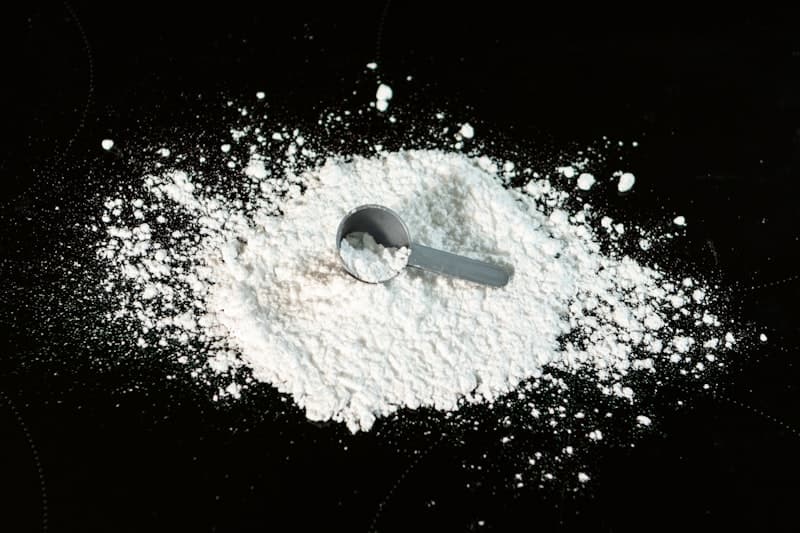
The plant protein category is not monolithic. Each source has distinct characteristics, and understanding them helps you pick the right product — or the right blend.
| Source | Protein/scoop | Strengths | Weaknesses | Best For |
|---|---|---|---|---|
| Pea | 20-24g | High arginine, good BCAA profile, closest to whey overall | Lower in methionine | Most people, general use |
| Soy | 20-25g | Complete amino acids, highest DIAAS among plants | Common allergen, some avoid isoflavones | General use, women |
| Hemp | 10-15g | Omega-3/6 fats, fiber, minerals, whole-food feel | Low protein density, lower DIAAS | Nutrition boost, not primary source |
| Rice | 15-20g | Hypoallergenic, easy to digest | Low lysine | Allergy-sensitive users, blend component |
Pea Protein — The Standout
Pea protein has become the most popular single-source plant protein, and for good reason. It has the closest amino acid profile to whey of any plant source, mixes reasonably well, and is rarely allergenic. The Babault et al. (2015) study that showed pea protein matching whey for muscle growth? That was pure pea protein, not a blend.
If you are comparing pea protein vs whey protein directly, the main difference is leucine content (pea delivers about 1.5-1.8g per scoop vs whey's 2.5g). Taking a slightly larger serving closes that gap.
Soy Protein — The Misunderstood One
Soy protein isolate is technically the highest-quality plant protein by DIAAS score, reaching up to 1.0 in some assessments. In a direct soy protein vs whey protein comparison, soy comes closer than any other single plant source to matching whey's amino acid profile and bioavailability. It is a complete protein with all nine essential amino acids in adequate amounts.
But soy gets a lot of unwarranted criticism because of the isoflavone conversation I addressed earlier. For the vast majority of people, soy protein is a safe and effective option.
The main concern is practical: soy is a common allergen, and some people simply prefer to avoid it. If that is you, pea is the natural alternative.
Hemp Protein — The Whole-Food Option
Hemp is less of a protein supplement and more of a nutritional supplement that happens to contain protein. At 10-15g per scoop, it does not compete with pea or soy on protein density. But it brings omega-3 and omega-6 fatty acids, fiber, magnesium, and iron to the table. I think of hemp protein as something you add to a smoothie for overall nutrition, not something you rely on as your primary protein source after a workout.
Rice Protein — The Hypoallergenic Choice
Rice protein is the gentlest option for people with multiple food sensitivities. It is extremely rare to be allergic to rice protein. The downside is a lower lysine content and a slightly chalky texture. Most brands use rice protein as a blend component rather than a standalone — mixing it with pea protein to round out the amino acid profile.
The Blend Advantage
If you are going the plant route, a blend is almost always the best choice. A pea-and-rice combination gives you complementary amino acids. Adding soy further boosts the EAA profile. Look for products that list multiple protein sources on the ingredient label and deliver at least 20g of protein per serving.
Which Should You Choose? Goal-Based Recommendation

Forget the tribalism. Match the tool to the job. Here is what the evidence supports based on your situation:
| Your Situation | Best Choice | Why |
|---|---|---|
| Building maximum muscle | Whey (or high-dose plant blend) | Higher leucine per scoop, faster MPS trigger |
| Vegan or plant-based diet | Plant protein blend | Meets dietary needs without animal products |
| Lactose intolerant | Whey Isolate or Plant protein | Isolate has trace lactose; plant has zero |
| Weight loss / calorie control | Either (Whey Isolate or low-cal plant) | Both work — focus on total protein intake |
| Sensitive digestion (bloating) | Whey Isolate or Rice/Pea protein | Easier on the gut, avoids common triggers |
| Best value for money | Whey Concentrate | Most protein per dollar spent |
| Environmental sustainability | Plant protein | Lower carbon footprint, less water usage |
| Beginner, not sure where to start | Whey (if dairy-tolerant) or Pea protein | Simple, well-studied, easy to find |
| Overall best results | Either, based on diet & preference | When total protein is adequate, source matters less |
| Mixing both | Combine whey + plant | Post-workout whey + daytime plant shake |
Pick the row that matches your situation. Or better yet, use both — whey after training, plant protein during the day. There is no rule that says you have to choose just one.
How to Use Protein Powder Effectively — Practical Tips
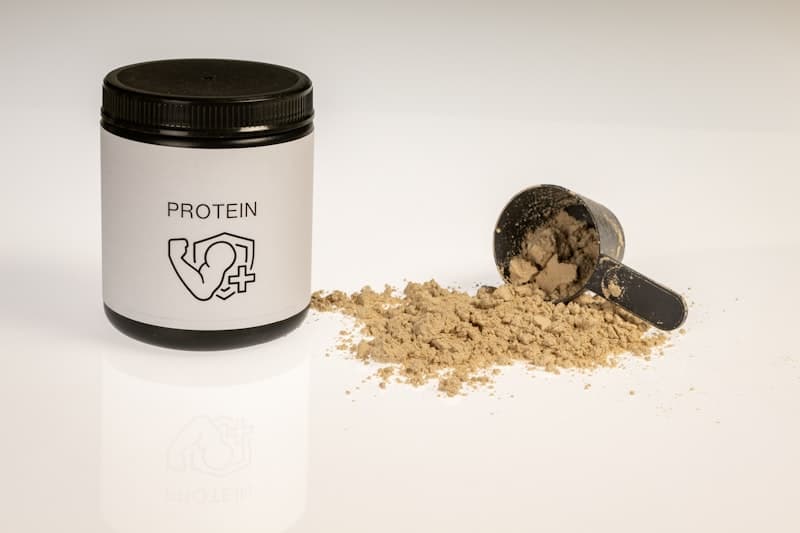
Choosing the right protein powder is only half the equation. Using it correctly is what actually drives results.
How Much Protein Do You Actually Need?
For active adults and anyone doing resistance training, the research-supported range is 1.6-2.2g of protein per kg of body weight per day. For a 75 kg (165 lb) person, that is roughly 120-165g per day.
Protein powder should supplement your food intake, not replace it. One or two scoops per day (20-50g of protein) is plenty for most people. The rest should come from whole food sources. For a complete guide to high protein whole foods and how they complement supplementation, check out our science-backed high protein foods guide.
Timing: The "Anabolic Window" Is Wider Than You Think
You have probably heard that you need to drink protein within 30 minutes of finishing your workout or you will "miss the window." The actual science is less rigid.
A review by Aragon and Schoenfeld (2013) in the Journal of the International Society of Sports Nutrition concluded that the "anabolic window" for protein consumption is far wider than 30 minutes — likely several hours around a training session. What matters most is your total protein intake across the entire day, not whether you hit some arbitrary post-workout deadline.
That said, if it has been more than 3-4 hours since your last meal and you just finished training, having a protein shake makes sense. Your muscles are primed for nutrients. But do not stress if your shake comes 45 minutes after your last set instead of 15.
Supplement Stacking
Protein powder works well on its own, but combining it with a few other supplements can enhance results:
- Protein + Creatine: One of the most researched supplement stacks in sports nutrition. Creatine boosts strength and power output, while protein supports muscle repair and growth. Our guide to creatine covers the full benefits, dosage, and myths.
- Protein + Omega-3: Omega-3 fatty acids support recovery and reduce exercise-induced inflammation. Here is our complete omega-3 guide with EPA and DHA breakdown.
Practical Dos and Don'ts
- Do track your total daily protein from all sources (food + supplements)
- Do drink plenty of water — higher protein intake increases hydration needs
- Don't rely on protein powder for more than 50% of your daily protein
- Don't worry about exact timing — just spread your intake across 3-5 meals or snacks
- Don't assume more is better — your body can only utilize so much protein at once (roughly 25-40g per sitting for muscle protein synthesis)
Frequently Asked Questions
Is plant protein as good as whey protein?
For most people, yes — provided total daily protein intake is adequate. Whey has higher leucine content and absorbs faster, giving it an edge for acute muscle protein synthesis. But studies lasting 8-12 weeks show that when total protein intake is matched (1.6-2.2g/kg/day), the differences in muscle growth, fat loss, and body composition between plant and whey protein are minimal. The source matters less than the total amount.
Can you build muscle with plant protein?
Absolutely. The Babault et al. (2015) randomized controlled trial found that pea protein produced muscle thickness gains comparable to whey protein over 12 weeks of resistance training. The key factors are consistent training, adequate total protein intake (1.6-2.2g/kg/day), and progressive overload. The protein source is secondary to those fundamentals.
What is the best plant-based protein powder?
There is no single "best" product, but pea protein is the most well-rounded single-source option, and a pea-and-rice blend gives you the most complete amino acid profile. Look for products that are third-party tested (Informed Choice, NSF Certified for Sport), deliver at least 20g of protein per serving, and have minimal added sugar. Avoid products with long ingredient lists full of fillers.
Is whey protein bad for lactose intolerant people?
Whey concentrate can cause significant digestive issues — bloating, gas, cramps, diarrhea — for anyone with lactose intolerance. Whey isolate is a different story. The additional filtration removes most of the lactose, typically leaving less than 1%. Many people with mild to moderate lactose intolerance tolerate isolate without problems. If even isolate causes issues, plant protein is the safe bet — it contains zero lactose.
Which protein powder is best for weight loss?
Both whey and plant protein work for weight loss. The mechanism is the same: protein increases satiety (you feel fuller), preserves lean muscle during a caloric deficit, and has a higher thermic effect than carbohydrates or fat (your body burns more calories digesting protein). A meta-analysis by Wycherley et al. (2012) in the American Journal of Clinical Nutrition found that energy-restricted higher-protein diets produced greater fat loss and better lean-mass retention than standard-protein diets. The best protein powder for weight loss is whichever one you will consistently use while maintaining a caloric deficit.
Does plant protein have all essential amino acids?
Soy protein contains all nine essential amino acids in adequate amounts — it is a complete protein. Pea protein has plenty of leucine but is slightly lower in methionine and cysteine. Rice protein is adequate in most EAAs but low in lysine. Hemp is lower across several EAAs. This is why blends are popular: combining pea and rice, for example, creates a complete amino acid profile where each source fills in the gaps of the other.
Is whey protein safe for kidneys?
For people with healthy kidney function, whey protein at normal doses (1-2 scoops per day) is completely safe. A study by Poortmans and Dellalieux (2000) in the International Journal of Sport Nutrition and Exercise Metabolism found that protein intakes up to roughly 2.8g/kg/day were not associated with impaired kidney function markers in healthy, well-trained athletes. Among the most commonly asked whey protein side effects, kidney damage ranks high — but the concern applies primarily to people with pre-existing kidney disease. If that is you, talk to your doctor before significantly increasing protein intake from any source.
Can I mix plant and whey protein together?
Yes, and it is actually a smart strategy. You get the fast absorption and high leucine from whey plus the sustained amino acid delivery and fiber from plant protein. Some people find the taste and texture improve too — whey adds creaminess while plant protein adds thickness. Try a half scoop of each in a smoothie and see how it works for you.
References
- Morton RW, et al. "A systematic review, meta-analysis and meta-regression of the effect of protein supplementation on resistance training-induced gains in muscle mass and strength in healthy adults." British Journal of Sports Medicine, 2018.
- Babault N, et al. "Pea proteins oral supplementation promotes muscle thickness gains during resistance training: a double-blind, randomized, placebo-controlled clinical trial vs. whey protein." Journal of the International Society of Sports Nutrition, 2015.
- Tang JE, et al. "Ingestion of whey hydrolysate, casein, or soy protein isolate: effects on mixed muscle protein synthesis at rest and following resistance exercise in young men." Journal of Applied Physiology, 2009.
- van Vliet S, Burd NA, van Loon LJC. "The skeletal muscle anabolic response to plant- versus animal-based protein consumption." The Journal of Nutrition, 2015.
- Aragon AA, Schoenfeld BJ. "Nutrient timing revisited: is there a post-exercise anabolic window?" Journal of the International Society of Sports Nutrition, 2013.
- Hamilton-Reeves JM, et al. "Clinical studies show no effects of soy protein or isoflavones on reproductive hormones in men: results of a meta-analysis." Fertility and Sterility, 2010.
- Wycherley TP, et al. "Effects of energy-restricted high-protein, low-fat compared with standard-protein, low-fat diets: a meta-analysis of randomized controlled trials." American Journal of Clinical Nutrition, 2012.
- Poortmans JR, Dellalieux O. "Do regular high protein diets have potential health risks on kidney function in athletes?" International Journal of Sport Nutrition and Exercise Metabolism, 2000.
- Zaromskyte G, et al. "Evaluating the leucine trigger hypothesis to explain the post-prandial regulation of muscle protein synthesis in young and older adults: a systematic review." Frontiers in Nutrition, 2021.
- Wolfe RR, et al. "Digestible indispensable amino acid score (DIAAS): 10 years on." Frontiers in Nutrition, 2024.
- Catanzaro R, et al. / StatPearls. "Lactose Intolerance." NCBI Bookshelf.
The Bottom Line
Whey and plant protein are not rivals. They are two tools for the same job.
Whey gives you speed and efficiency — more leucine per scoop, faster absorption, better protein quality scores, and a lower price point. It is hard to beat if you tolerate dairy and want the most researched, cost-effective option.
Plant protein gives you flexibility and inclusivity — zero lactose, vegan-friendly, easier on sensitive stomachs, and a smaller environmental footprint. The quality gap has narrowed dramatically, and current research shows it works just as well for muscle building when total protein intake is sufficient.
The science is clear on one point: when total daily protein intake is adequate (1.6-2.2g/kg), the source matters far less than most people think. Hit your daily target. Train hard. Eat mostly whole foods. The protein powder you choose is a detail, not a deciding factor.
For a complete guide to high protein whole foods that pair perfectly with supplementation, check out our science-backed guide. And if you want to learn more about how plant-based eating patterns reduce inflammation, that guide covers the research in depth. For a different angle on fitness nutrition, our HIIT vs LISS cardio comparison explains how your training style affects your protein needs.
Which protein powder do you use and why? Drop a comment — I read every one.
Yoga vs Pilates for Beginners: Which Is Better for You? (Science-Backed Guide 2026)
Next →Side Sleeper vs Back Sleeper: Which Is Actually Better for You? (Science-Backed 2026)