Brown Rice vs White Rice: Which Is Actually Healthier? What Science Says (2026 Guide)
Brown rice vs white rice -- which is better? Compare glycemic index, fiber, calories, and arsenic in this science-backed 2026 guide.
Brown Rice vs White Rice: Which Is Actually Healthier? What Science Says (2026 Guide)
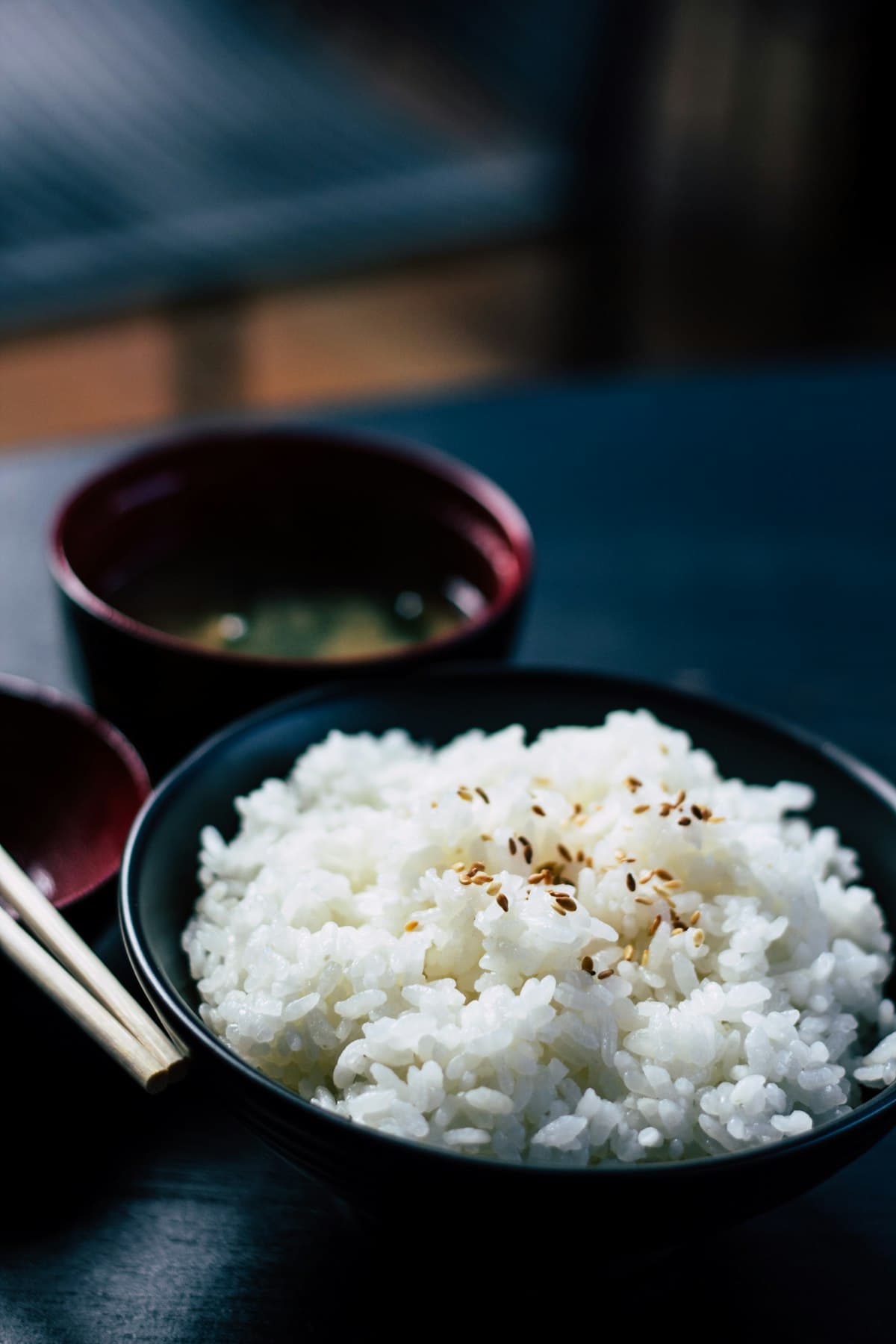
You have heard it a hundred times. "Swap white rice for brown rice and you will be healthier." It is one of the most common pieces of nutrition advice floating around -- from doctors, fitness influencers, your mom, and that one coworker who always brings a quinoa salad to lunch. But is brown rice really that much better than white rice? Or is this another case of nutrition advice being oversimplified to the point of being misleading?
Rice feeds more than half the world's population every single day. For billions of people, it is not a side dish -- it is the foundation of every meal. So when someone tells you that the rice you grew up eating is "wrong," that claim deserves a closer look. I went through the clinical research, the USDA nutrition data, the glycemic index studies, the arsenic reports from the FDA and EFSA, and the gut microbiome research. What I found is more nuanced than the usual "brown good, white bad" narrative. Both types of rice have legitimate strengths, and the right choice depends on your health goals, your digestion, and honestly, what you are eating the rice with.
Pairing whichever rice you choose with high-protein foods makes a real difference -- balanced meals with adequate protein and complex carbohydrates do more for your body than swapping one grain ever will.
Quick Answer -- Is Brown Rice Actually Healthier Than White Rice?
Brown rice is nutritionally superior to white rice in most categories -- it has more fiber, more magnesium, more selenium, more B vitamins, and a lower glycemic index. But white rice is not unhealthy. It digests faster (which is an advantage after workouts), it is gentler on sensitive stomachs, and it carries less arsenic than brown rice. For everyday eating, brown rice is the better choice for most people. For post-workout meals and digestive issues, white rice has a legitimate edge.
If that settles it, great. But if you want to understand the science behind those claims -- the nutrition numbers, the blood sugar research, the arsenic concern, and the honest trade-offs -- keep reading. The details matter.
| Brown Rice | White Rice | |
|---|---|---|
| Best for | Fiber, minerals, blood sugar control, gut health | Post-workout recovery, sensitive digestion, budget meals |
| Fiber (1 cup cooked) | 3.5 g | 0.6 g |
| Glycemic index | 50--55 (medium) | 70--89 (high) |
| Magnesium | 84 mg (21% DV) | 19 mg (5% DV) |
| Cooking time | 40--50 minutes | 15--20 minutes |
| Shelf life | 3--6 months (oils in germ go rancid) | Indefinite (essentially) |
| Arsenic risk | Higher (arsenic concentrates in bran) | Lower (bran removed) |
What Makes Brown Rice and White Rice Different? (Milling, Grain Structure, and Processing)
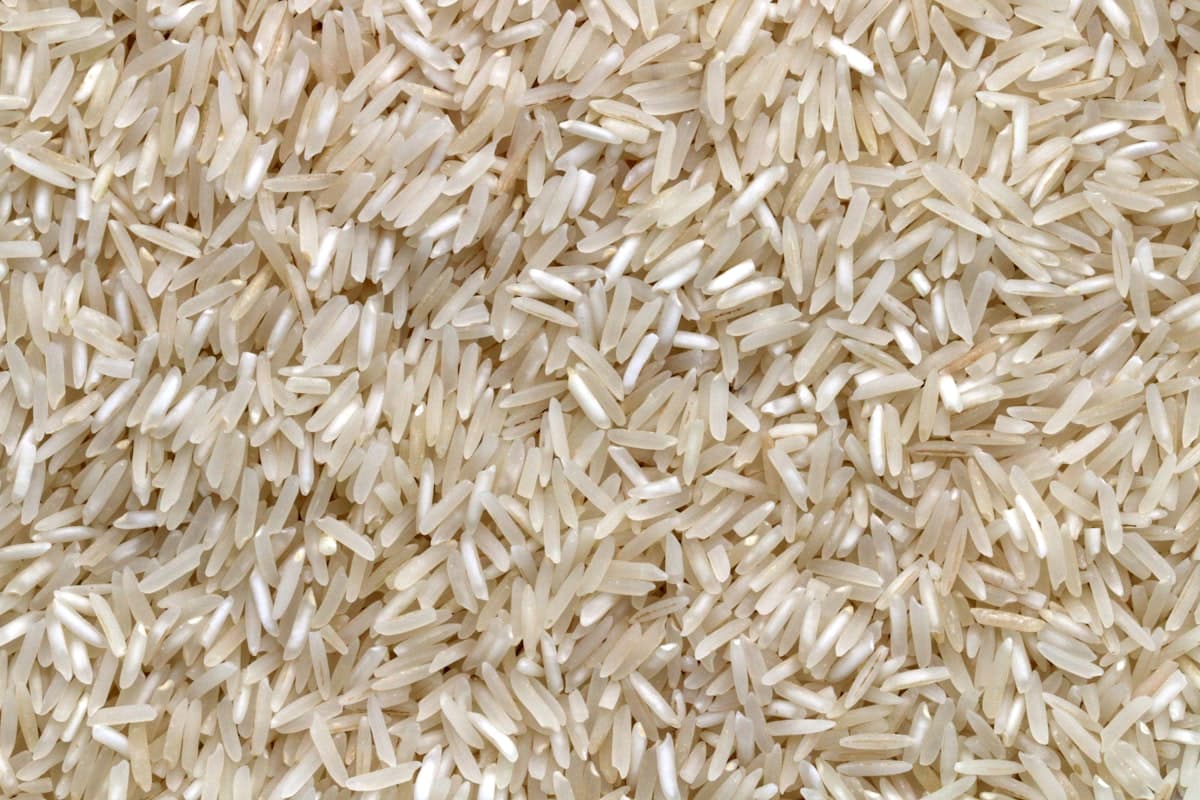
Before we get into nutrition numbers and health claims, you need to understand the single process that separates brown rice from white rice: milling.
Every grain of rice has three parts:
- Bran -- the outer layer, rich in fiber, B vitamins, and minerals
- Germ -- the tiny embryo that can sprout into a new plant, packed with healthy fats, vitamin E, and more minerals
- Endosperm -- the starchy interior, mostly carbohydrates with some protein
Brown rice is the whole grain with all three parts intact. The only processing it receives is the removal of the inedible outer husk. That is it. The bran and germ stay right where they are.
White rice goes further. After the husk is removed, the grain is milled to strip away the bran and germ, leaving only the endosperm. Then it is typically polished to give it that bright, uniform appearance. The result is a grain that is softer, fluffier, and faster to cook -- but one that has lost most of its fiber, healthy fats, and micronutrients in the process.
Here is what that means in practical terms:
| Grain Component | Brown Rice | White Rice |
|---|---|---|
| Bran (outer layer) | Present | Removed |
| Germ (nutrient core) | Present | Removed |
| Endosperm (starchy center) | Present | Present |
| Fiber | High | Low |
| Natural oils | Present (goes rancid faster) | Removed (long shelf life) |
| B vitamins & minerals | Full amount | Significantly reduced |
| Texture when cooked | Chewy, nutty | Soft, fluffy |
Some white rice sold in stores is "enriched," meaning synthetic B vitamins (thiamin, niacin, folic acid) and iron are added back after milling. This practice became widespread in the United States starting in the 1940s to combat beriberi and other deficiency diseases. Enriched white rice is better than unenriched white rice from a vitamin standpoint, but it still lacks the fiber, healthy fats, and phytochemicals that the whole grain provides.
Brown Rice vs White Rice Nutrition Facts (Calories, Carbs, Fiber, and More)
Let us get into the numbers. All values below are for 1 cup of cooked rice (approximately 158 grams), based on USDA FoodData Central data.
| Nutrient | Brown Rice (1 cup cooked) | White Rice (1 cup cooked) | Difference |
|---|---|---|---|
| Calories | 216 | 206 | Brown +10 |
| Carbohydrates | 45 g | 45 g | Nearly identical |
| Protein | 5.0 g | 4.3 g | Brown +0.7 g |
| Fat | 1.8 g | 0.4 g | Brown +1.4 g |
| Dietary fiber | 3.5 g | 0.6 g | Brown +2.9 g |
| Vitamin B1 (thiamin) | 0.19 mg (16% DV) | 0.03 mg (2% DV)* | Brown much higher |
| Vitamin B3 (niacin) | 3.0 mg (19% DV) | 0.4 mg (3% DV)* | Brown much higher |
| Vitamin B6 | 0.28 mg (17% DV) | 0.05 mg (3% DV) | Brown much higher |
| Magnesium | 84 mg (20% DV) | 19 mg (5% DV) | Brown +65 mg |
| Selenium | 19.1 mcg (35% DV) | 11.8 mcg (22% DV) | Brown +7.3 mcg |
| Manganese | 1.8 mg (78% DV) | 0.7 mg (30% DV) | Brown +1.1 mg |
| Phosphorus | 162 mg (13% DV) | 68 mg (5% DV) | Brown +94 mg |
| Iron | 0.8 mg (4% DV) | 1.9 mg (11% DV)* | White higher (enriched) |
| Zinc | 1.2 mg (11% DV) | 0.8 mg (7% DV) | Brown +0.4 mg |
*White rice values marked with an asterisk assume enriched white rice, which is the standard in the United States. Unenriched white rice has even lower values for B vitamins and iron.
A few things stand out from this data:
The calorie and carb difference is negligible. Brown rice has 10 more calories per cup. That is nothing. If you are choosing between them purely for calorie counting, it does not matter. Both have about 45 grams of carbohydrates per cup.
The fiber gap is enormous. Brown rice has nearly six times more fiber than white rice. That 3.5 grams per cup might not sound like a lot, but it represents about 12% of the daily recommended intake for men and 14% for women. Fiber slows digestion, stabilizes blood sugar, feeds your gut bacteria, and helps you feel full longer. This single difference drives many of the health advantages attributed to brown rice.
Magnesium is where brown rice really shines. One cup of brown rice provides 84 mg of magnesium -- roughly 20% of your daily needs. White rice gives you only 19 mg. Magnesium is involved in over 300 biochemical reactions in your body, including muscle function, nerve signaling, blood pressure regulation, and yes, sleep quality. If you want to understand how important magnesium is beyond just nutrition, our magnesium for sleep vs melatonin guide breaks down how this mineral affects your rest.
Manganese is the sleeper nutrient here. One cup of brown rice delivers 78% of your daily manganese needs. Manganese supports bone formation, blood clotting, and metabolism. It is not a nutrient most people think about, but it matters.
Glycemic Index: Why Brown Rice Wins for Blood Sugar Control

This is where the brown rice vs white rice debate gets serious for anyone managing blood sugar -- whether you have diabetes, prediabetes, or are just trying to avoid the afternoon energy crash.
The glycemic index (GI) measures how quickly a carbohydrate-containing food raises your blood glucose on a scale of 0 to 100. Pure glucose is 100. The higher the GI, the faster and higher your blood sugar spikes after eating.
| Rice Type | Glycemic Index | Glycemic Load (per cup) | Classification |
|---|---|---|---|
| Brown rice (medium-grain) | 50 | 23 | Medium GI |
| Brown rice (long-grain) | 55 | 25 | Medium GI |
| White rice (long-grain) | 70 | 32 | High GI |
| White rice (short-grain) | 83--89 | 38--40 | High GI |
| White rice (jasmine) | 80--89 | 36--40 | High GI |
| Quinoa (for reference) | 53 | 13 | Medium GI |
| Oatmeal (for reference) | 55 | 13 | Medium GI |
The difference is meaningful. White rice -- especially short-grain and jasmine varieties -- has a GI comparable to table sugar (GI 65) or a baked potato (GI 85). Brown rice sits in the medium range, closer to sweet potatoes or whole wheat bread.
The fiber in brown rice is the main reason for this gap. Fiber forms a gel-like barrier in your digestive tract that slows down the breakdown and absorption of glucose. Instead of a sharp blood sugar spike followed by a crash, you get a gradual rise and a gentle decline. Your insulin response follows the same pattern -- less dramatic peaks, less stress on your pancreas.
The research backs this up with hard numbers. A large-scale Harvard analysis published in Archives of Internal Medicine (now JAMA Internal Medicine) in 2010 pooled three cohorts totaling roughly 200,000 participants and found that eating two or more servings of brown rice per week was associated with an 11% lower risk of type 2 diabetes compared to eating less than one serving per month (pooled relative risk 0.89). Conversely, eating five or more servings of white rice per week was associated with a 17% higher risk of developing type 2 diabetes (pooled relative risk 1.17). The same researchers estimated that replacing just 50 grams of white rice (about one-third of a cooked cup) daily with brown rice could be associated with an approximately 16% lower diabetes risk -- and replacing it with whole grains as a group with a 36% lower risk.
Now, a critical caveat. These are observational studies, not controlled trials. They show association, not causation. People who eat brown rice also tend to exercise more, eat more vegetables, and smoke less. The researchers adjusted for these confounders, but observational data always carries some uncertainty. What we can say with confidence is that the lower GI and higher fiber content of brown rice make it a better choice for blood sugar management, and the epidemiological evidence supports that conclusion.
Brown Rice vs White Rice for Weight Loss (What the Research Shows)
Here is a truth that might surprise you: brown rice and white rice have almost the same number of calories per cup. The 10-calorie difference we noted earlier is not going to move the needle on your waistline. If you eat too much of either one, you will gain weight. Rice is calorie-dense, period.
So why does brown rice get the weight loss recommendation? It comes down to three things:
1. Satiety -- brown rice keeps you full longer.
The extra 2.9 grams of fiber per cup sounds small, but fiber slows gastric emptying, and higher-fiber meals tend to feel more filling. Be careful with the strength of this claim, though: in a controlled satiety study comparing brown rice, white rice, and a glucose beverage, both rices were far more satiating than glucose, and brown rice showed a tendency toward higher fullness ratings -- but that did not translate into measurably lower calorie intake at the following meal. So while brown rice's fiber may help you feel full, do not assume it automatically makes you eat less.
2. Blood sugar stability prevents cravings.
When your blood sugar spikes and crashes (as it does after eating high-GI white rice), your body craves more quick energy -- usually in the form of sugary or starchy snacks. Brown rice's lower GI helps keep your blood sugar on an even keel, which reduces the impulse to snack between meals.
3. Magnesium supports metabolic function.
The 84 mg of magnesium in a cup of brown rice plays a role in glucose metabolism and insulin signaling. A systematic review and meta-analysis of double-blind randomized controlled trials found that oral magnesium supplementation improved fasting glucose and the HOMA-IR insulin-resistance index, with the strongest effects when supplementation lasted at least four months. That said, this evidence comes from supplement doses well above what a serving of rice provides, so brown rice's magnesium is best viewed as one contributor to overall intake rather than a standalone metabolic intervention.
But let me be direct about something: eating brown rice instead of white rice will not cause weight loss on its own. If you are already eating in a caloric surplus, switching grains does nothing. Portion control matters far more than grain type. A heaping plate of brown rice is still a lot of calories.
For weight loss specifically, protein intake matters at least as much as your carb source. If you are building a fat-loss meal plan, our plant protein vs whey protein comparison can help you choose the right protein to pair with your rice.
The Arsenic Question: Is Brown Rice Safe to Eat Every Day?
This is the concern that does not get talked about enough in the "brown rice is perfect" narrative, and it deserves an honest discussion.
Rice absorbs more arsenic from soil and water than most other crops. This is partly because rice is grown in flooded paddies, and the water-saturated conditions make arsenic more available for the plant roots to take up. Arsenic exists in two forms: organic (less harmful) and inorganic (the type linked to cancer and other health problems). The inorganic form is what we worry about.
Here is the problem for brown rice: arsenic concentrates in the bran layer. Since brown rice keeps the bran intact and white rice has it milled away, brown rice contains meaningfully more inorganic arsenic than white rice from the same source. A 2025 US study published in Risk Analysis measured roughly 48% higher inorganic arsenic in brown rice than white rice in the US food supply, while older same-type comparisons have reported differences closer to 80%. Either way, the direction is consistent: more arsenic in brown rice.
The FDA's 2016 Arsenic in Rice and Rice Products Risk Assessment estimated the lifetime lung and bladder cancer risk from inorganic arsenic in rice to be small for the general population (about four extra cases per 100,000 people over a lifetime), and noted that low-arsenic non-rice foods are widely available to round out the diet. The FDA has been most concerned about the youngest eaters, setting an action level of 100 ppb inorganic arsenic for infant rice cereals and advising that infants, children, and pregnant women vary their grains rather than relying exclusively on rice.
The European Food Safety Authority (EFSA) has been more cautious, setting stricter benchmarks for inorganic arsenic in rice products, particularly those intended for young children.
So should you stop eating brown rice? No. Here is what the evidence supports:
- Vary your grains. Alternating between brown rice, quinoa, barley, farro, oats, and other whole grains limits arsenic exposure from any single source.
- Rinse your rice thoroughly before cooking. This can reduce arsenic by 10--25%.
- Cook rice in excess water (6:1 ratio) and drain it. Research in Food Additives & Contaminants: Part A found that cooking rice like pasta -- using plenty of water and draining the excess -- reduced inorganic arsenic by roughly 40% in long-grain polished rice and about 50% in brown rice. You lose some water-soluble nutrients this way (in enriched white rice, iron and B vitamins drop too), but the arsenic reduction is significant.
- Soak brown rice for 6--12 hours before cooking. This reduces phytic acid (more on that next) and may also help lower arsenic slightly.
- Be cautious with daily consumption for children. Kids are more vulnerable to arsenic exposure due to their smaller body weight. If you are feeding rice to young children, white rice or alternative grains are the safer daily choice.
For a healthy adult eating a varied diet, a cup or two of brown rice per day is not a health risk. The fiber, mineral, and antioxidant benefits far outweigh the arsenic concern. But if brown rice is the only grain you eat, day in and day out, it is worth diversifying.
Digestion, Gut Health, and Phytic Acid (The Overlooked Trade-Off)
This section covers the aspect of the brown rice vs white rice debate that most articles skip entirely -- and it matters more than you might think.
Brown Rice and Gut Health
The fiber in brown rice acts as a prebiotic. That means it feeds the beneficial bacteria in your large intestine, which then produce short-chain fatty acids (SCFAs) like butyrate. Butyrate has been linked to reduced gut inflammation, improved intestinal barrier function, and protective effects on the colon. A randomized controlled cross-over trial in Frontiers in Nutrition found that a wholegrain-rich diet increased fecal butyrate compared to a refined-grain diet, supporting the idea that whole grains shift colonic fermentation in a favorable direction.
Brown rice also contains phenolic compounds and antioxidants in the bran layer that have anti-inflammatory properties. If you are building an anti-inflammatory eating pattern, brown rice fits right in -- check out our anti-inflammatory foods guide for more foods that fight chronic inflammation.
The Phytic Acid Problem
Here is the catch. That same bran layer that contains fiber and antioxidants also contains phytic acid (phytate). Phytic acid is what plants use to store phosphorus, and it has a well-documented ability to bind to minerals -- particularly iron, zinc, calcium, and magnesium -- and reduce their absorption in your digestive tract.
This means that while brown rice contains more iron and zinc than white rice, your body may absorb a smaller percentage of those minerals because the phytic acid gets in the way. It is a frustrating paradox. The food has more nutrients, but those nutrients are partly locked away.
For people who eat a varied diet with plenty of mineral-rich foods, this is not a major concern. But for vegetarians, vegans, or anyone already at risk for iron or zinc deficiency, the phytic acid in brown rice can be a real issue.
How to reduce phytic acid in brown rice:
- Soak it. Soaking brown rice in warm water for 8--12 hours before cooking can reduce phytic acid by 20--50%.
- Sprout it. Germinating brown rice activates enzymes that break down phytic acid. Sprouted brown rice (sometimes sold as GABA rice) has lower phytic acid and higher levels of gamma-aminobutyric acid (GABA), a neurotransmitter that may promote relaxation.
- Add an acid. A splash of lemon juice or apple cider vinegar in the soaking water helps further break down phytate.
When White Rice Is the Better Choice for Digestion
If you have a sensitive stomach, irritable bowel syndrome (IBS), or you are recovering from illness, white rice is genuinely easier on your digestive system. The lower fiber content means less work for your gastrointestinal tract. This is why white rice is a staple of the BRAT diet (bananas, rice, applesauce, toast) recommended for people with gastroenteritis and diarrhea.
It is also why many traditional healing systems -- from Ayurveda to Traditional Chinese Medicine -- recommend white rice for people who are sick, elderly, or convalescing. The idea that white rice is universally "bad" ignores the reality that some bodies need food that is gentle and easy to process.
White Rice Has a Surprising Advantage: Post-Workout Nutrition
Here is where white rice gets to shine, and where the fitness community's preference for it actually makes scientific sense.
After an intense workout -- particularly strength training or high-intensity interval training -- your muscles are depleted of glycogen (stored carbohydrate). Your body is primed to rapidly replenish those glycogen stores, and it needs fast-digesting carbohydrates to do so efficiently.
This is exactly what white rice provides. Its high glycemic index, which is a drawback at your desk job, becomes an asset after the gym. The rapid glucose delivery spikes insulin, and insulin is not just a fat-storage hormone -- it is also the most powerful signal your body has to drive glucose and amino acids into muscle cells.
That is why competitive bodybuilders and strength athletes have been eating white rice post-workout for decades. It works. The fast digestion means the carbohydrates reach your muscles quickly, and the soft texture means zero gastrointestinal discomfort when you are eating a substantial meal after training hard.
Brown rice post-workout is not wrong, but it is slower. The fiber and fat content delay gastric emptying, which means a more gradual release of glucose. For endurance athletes or people doing moderate exercise, this is fine. For someone who just finished a heavy squat session and needs to kickstart recovery as fast as possible, white rice is the better tool.
The optimal post-workout meal pairs fast-digesting carbs (white rice) with a quality protein source (chicken, fish, eggs, or whey protein) consumed within 1--2 hours of training. The carbs replenish glycogen; the protein provides amino acids for muscle repair.
Quick Comparison Table: Brown Rice vs White Rice at a Glance
| Factor | Brown Rice | White Rice |
|---|---|---|
| Calories (1 cup cooked) | 216 | 206 |
| Carbohydrates (1 cup) | 45 g | 45 g |
| Protein (1 cup) | 5.0 g | 4.3 g |
| Dietary fiber (1 cup) | 3.5 g | 0.6 g |
| Glycemic index | 50--55 (medium) | 70--89 (high) |
| Magnesium (1 cup) | 84 mg (21% DV) | 19 mg (5% DV) |
| Selenium (1 cup) | 19.1 mcg (35% DV) | 11.8 mcg (22% DV) |
| Manganese (1 cup) | 1.8 mg (78% DV) | 0.7 mg (30% DV) |
| Vitamin B1 (1 cup) | 0.19 mg (16% DV) | 0.03 mg (2% DV) |
| Phytic acid | Higher (reduces mineral absorption) | Lower |
| Arsenic content | Higher (concentrates in bran) | Lower |
| Digestion speed | Slower (higher fiber) | Faster (low residue) |
| Cooking time | 40--50 minutes | 15--20 minutes |
| Shelf life | 3--6 months | Indefinite (dry) |
| Taste/texture | Nutty, chewy | Mild, fluffy |
| Cost | Slightly higher | Slightly lower |
So, Which Rice Should You Choose? (Purpose-Based Recommendations)
There is no single winner. But there is a clear winner for your specific situation.
| Your Situation | Best Choice | Why |
|---|---|---|
| Weight loss | Brown rice | Higher fiber keeps you full; lower GI prevents cravings |
| Blood sugar / diabetes management | Brown rice | Medium GI prevents dangerous spikes; fiber slows glucose absorption |
| Post-workout recovery | White rice | Fast digestion replenishes glycogen quickly |
| Sensitive digestion / IBS | White rice | Low fiber is gentler on the gut; easy to digest |
| Gut health / microbiome | Brown rice | Prebiotic fiber feeds beneficial gut bacteria |
| Budget-conscious eating | White rice | Cheaper per pound; longer shelf life means less waste |
| Pregnancy / breastfeeding | Brown rice | More folate, iron, magnesium, and B vitamins per serving |
| General health (no specific concerns) | Either, or mix both | Both are fine as part of a varied, balanced diet |
My Practical Recommendation
If you are generally healthy and do not have specific blood sugar concerns, the best approach is what many Asian cultures have done for generations: eat a mix. A ratio of roughly 70% brown rice to 30% white rice gives you most of the fiber and mineral benefits of brown rice while maintaining the softer texture that makes meals more enjoyable. You can also alternate -- brown rice on weekdays, white rice on weekends.
For anyone building a balanced diet, the grain you choose matters less than what you put next to it. A plate of white rice with grilled salmon and roasted vegetables is a better meal than a plate of brown rice with nothing else. If you want to round out your nutrition, our anti-inflammatory foods guide has a full list of foods that complement any type of rice.
And if you are eating a primarily plant-based diet, the combination of brown rice with plant protein sources creates a more complete amino acid profile than either one alone.
How Much Brown Rice Per Day Is Healthy?
For most adults, 1--2 cups of cooked brown rice per day is a perfectly healthy amount. That provides a solid serving of whole grains without overdoing calories or arsenic exposure. The USDA Dietary Guidelines recommend at least 3 ounces of whole grains per day, and one cup of brown rice satisfies most of that target. If you are active and need more carbohydrates, you can go higher -- just be mindful of total caloric intake.
Frequently Asked Questions
Is brown rice really healthier than white rice?
In most nutritional categories, yes. Brown rice has significantly more fiber, magnesium, selenium, manganese, and B vitamins than white rice. It also has a lower glycemic index, which makes it better for blood sugar control. However, "healthier" depends on context. White rice digests more easily, contains less arsenic, and is a better choice after intense exercise. Neither rice is inherently unhealthy. The healthiest choice is the one that fits your specific goals and digestive needs.
Can I eat white rice every day and still be healthy?
Absolutely. Billions of people eat white rice daily and maintain good health. The key is what you eat with it. White rice paired with vegetables, lean protein, and healthy fats is a perfectly healthy meal. The concerns about white rice center on its high glycemic index and low fiber content, not on the rice itself being harmful. If your overall diet is rich in fiber from other sources -- vegetables, fruits, legumes, and other whole grains -- eating white rice daily is not a problem for most people.
Why do bodybuilders eat white rice instead of brown rice?
Bodybuilders prefer white rice for two reasons. First, the fast digestion and high glycemic index make white rice ideal for post-workout nutrition, when athletes need rapid glycogen replenishment. Second, white rice is easier on the digestive system during high-calorie bulking phases, when bodybuilders consume large volumes of food. Brown rice's fiber content can cause bloating and discomfort when eaten in very large quantities. For competitive athletes who need precise nutrient timing, white rice is simply a more practical tool.
Does brown rice have arsenic?
Yes, brown rice does contain arsenic -- and typically about 80% more than white rice from the same source, because arsenic concentrates in the bran layer that brown rice retains. The FDA has concluded that the levels found in most rice products are low enough that the health benefits of eating rice outweigh the risks for adults. You can reduce your arsenic exposure by rinsing rice thoroughly, cooking it in excess water (like pasta), and varying your grain choices throughout the week rather than eating rice exclusively.
How much brown rice should I eat per day?
One to two cups of cooked brown rice per day is a healthy amount for most adults. This provides a meaningful serving of whole grains, fiber, and minerals without excessive caloric intake or arsenic exposure. If you are very active, you may eat more. The key is to include other grains in your diet too -- quinoa, oats, barley, and farro all offer different nutritional profiles and help diversify your mineral intake.
Can diabetics eat brown rice safely?
Yes. In fact, brown rice is recommended over white rice for people with diabetes or prediabetes because of its medium glycemic index and higher fiber content. The fiber slows glucose absorption and helps prevent post-meal blood sugar spikes. A randomized crossover trial in Diabetes Care found that less-processed whole grains improved glycemic measures in adults with type 2 diabetes compared with the same grains finely milled, and the American Diabetes Association includes whole grains like brown rice in its recommended eating patterns. That said, portion size still matters -- even brown rice will raise blood sugar if eaten in large quantities. One cup per meal is a reasonable guideline.
Does soaking brown rice remove arsenic?
Soaking brown rice helps, but it is not a complete solution. Research suggests that soaking rice for 6--12 hours before cooking can reduce arsenic by approximately 10--20%. The most effective cooking method for arsenic reduction is the "excess water" method -- cooking rice in a large amount of water (6:1 ratio) and draining the excess, similar to how you cook pasta. This combined approach (rinsing plus excess-water cooking) can reduce inorganic arsenic by roughly 40--50% in brown rice, according to research in Food Additives & Contaminants: Part A.
Which rice is best for weight loss?
Brown rice is the better choice for weight loss because its higher fiber content (3.5 g vs 0.6 g per cup) increases satiety and helps control appetite throughout the day. Its lower glycemic index also prevents the blood sugar spikes and crashes that trigger cravings. However, the calorie difference between the two is minimal (about 10 calories per cup), so portion control matters far more than which type of rice you choose. Eating too much brown rice will still lead to weight gain. Focus on total caloric intake and pair your rice with adequate protein and vegetables.
References
- Sun Q, et al. White Rice, Brown Rice, and Risk of Type 2 Diabetes in US Men and Women. Archives of Internal Medicine (now JAMA Internal Medicine), 2010.
- Scott NR, et al. Arsenic content and exposure in brown rice compared to white rice in the United States. Risk Analysis, 2025.
- FDA. Arsenic in Rice and Rice Products Risk Assessment. U.S. Food and Drug Administration, 2016.
- FDA. Action Level for Inorganic Arsenic in Rice Cereals for Infants. U.S. Food and Drug Administration.
- Gray PJ, et al. Cooking rice in excess water reduces both arsenic and enriched vitamins in the cooked grain. Food Additives & Contaminants: Part A, 2016.
- Veronese N, et al. Oral Magnesium Supplementation for Treating Glucose Metabolism Parameters in People with or at Risk of Diabetes: A Systematic Review and Meta-Analysis of Double-Blind Randomized Controlled Trials. Nutrients, 2021.
- Roager HM, et al. Effects of a wholegrain-rich diet on markers of colonic fermentation and bowel function: a randomised controlled cross-over trial. Frontiers in Nutrition, 2023.
- Kondo K, et al. White and Brown Rice are Equally Satiating and More Satiating than Glucose Beverage. Journal of Obesity & Weight Loss Therapy, 2014.
- Åberg S, et al. Whole-Grain Processing and Glycemic Control in Type 2 Diabetes: A Randomized Crossover Trial. Diabetes Care, 2020.
- USDA FoodData Central. U.S. Department of Agriculture, Agricultural Research Service.
The Bottom Line
The brown rice vs white rice question does not have a single right answer. It has a right answer for you, based on what your body needs.
Brown rice wins on nutrition density -- more fiber, more minerals, more antioxidants, better blood sugar control. If you are focused on long-term health, weight management, or metabolic health, brown rice is the smarter daily choice.
White rice wins on convenience, digestibility, and post-workout performance. If you are a competitive athlete, if you have digestive issues, or if brown rice is not available or affordable, white rice is a perfectly healthy staple.
The worst thing you can do is stress about it. Rice -- any rice -- is not the enemy. Ultra-processed foods, added sugars, and trans fats are the dietary villains. Whole grains and refined grains are both perfectly acceptable components of a balanced diet when consumed in reasonable portions alongside protein, healthy fats, and plenty of vegetables.
Pick the rice that fits your goals, cook it well, eat it with good company, and move on with your life.
Which rice do you reach for more often -- brown or white? Or do you mix them like we suggested? Drop a comment and share how rice fits into your healthy diet.
Related guides:
- Build a balanced plate: High-protein foods backed by science
- Fight inflammation through food: Anti-inflammatory foods guide
- Pick the right protein: Plant protein vs whey protein
- Sleep better tonight: Magnesium for sleep vs melatonin
Air Fryer vs Microwave: Which Is Actually Healthier? What Science Says (2026 Guide)
Next →Dumbbell vs Kettlebell: Which Is Better for Your Home Workout? (Science-Backed 2026 Guide)
Related Posts

Sweet Potato vs White Potato: How Cooking Completely Changes the Glycemic Index (Boiled, Baked, Cooled — Actual GI Numbers)

Himalayan Pink Salt vs Sea Salt: Does It Actually Lower Blood Pressure? (Minerals Per Teaspoon, Science-Based)
