Yoga vs Pilates for Beginners: Which Is Better for You? (Science-Backed Guide 2026)
Yoga vs pilates for beginners — which should you choose? Compare flexibility, core strength, stress relief, calories, and back pain relief in this guide.
Yoga vs Pilates for Beginners: Which Is Better for You? (Science-Backed Guide 2026)
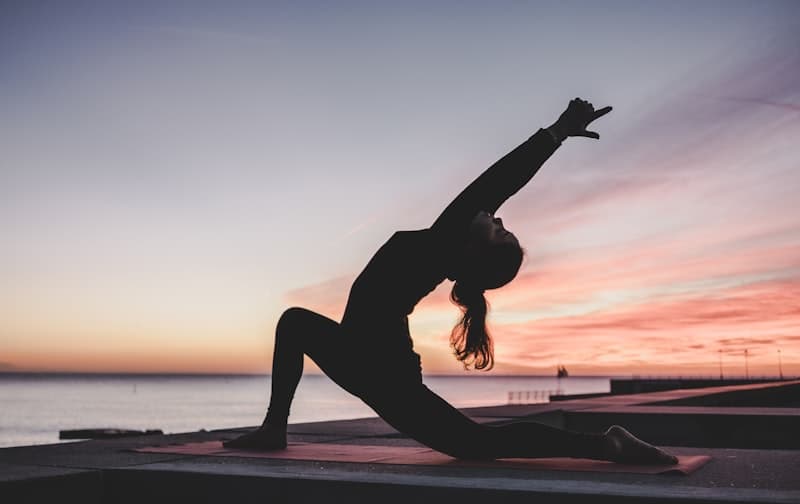
One friend lost 20 pounds doing pilates three times a week. Another swears yoga cured her anxiety. Your Instagram feed is full of both — serene yoga poses and core-shaking pilates moves. So which one should you actually try, especially if you are a complete beginner?
The yoga vs pilates for beginners question is one of the most googled fitness queries out there, with over 100,000 monthly searches for related keywords. And most answers online just list the benefits of each without actually comparing them head-to-head. The global yoga market is now worth over $115 billion (Statista, 2026), while pilates has surpassed $140 billion (Grand View Research). On TikTok and Instagram, #yoga and #pilates each rack up billions of views. Both practices have been growing steadily since the pandemic — but they are not the same thing, and choosing the wrong one for your goals can mean months of effort with disappointing results.
The problem? The internet is full of articles that call yoga a "spiritual awakening" and pilates the "king of core." Most comparisons lack scientific evidence and lean on personal anecdotes or product recommendations. They do not give you the head-to-head data on what actually matters: flexibility, core strength, calories burned, back pain relief, and stress reduction.
I have gone through the clinical research — the RCTs on flexibility, the EMG studies on core activation, the cortisol and GABA data, the chronic low back pain trials, and the calorie comparisons using MET values. What I found is that yoga and pilates are not really competitors. They work through different mechanisms, excel at different things, and the right choice depends on your specific goals.
This guide is part of a three-part fitness series. We have already covered strength training (the resistance pillar) and cardio (the endurance pillar). This post tackles the third pillar of fitness: mind-body exercise — specifically, yoga vs pilates for beginners.
Quick Answer: What Is the Difference Between Yoga and Pilates?
What is the difference between yoga and pilates? Yoga is a 5,000-year-old mind-body practice focused on flexibility, breathwork, and mental stillness through held poses. Pilates is a modern exercise system developed by Joseph Pilates that targets core strength, spinal alignment, and controlled movement. Both improve posture and reduce stress, but yoga emphasizes flexibility and mindfulness while pilates emphasizes core stability and muscular control.
For anyone weighing yoga vs pilates for beginners, the short version is this: if you want flexibility and stress relief, start with yoga. If you want core strength and postural correction, start with pilates. Now let me walk you through what the science actually says.
| Yoga | Pilates | |
|---|---|---|
| Origin | Ancient India (~5,000 years) | Joseph Pilates (1920s) |
| Primary focus | Flexibility, breath, mindfulness | Core strength, spinal alignment |
| Key mechanism | Held poses + breathwork | Controlled dynamic movements |
| Flexibility gains | Excellent (sustained stretching) | Good (dynamic range of motion) |
| Core activation | Moderate (some styles) | Very high (primary target) |
| Calories/session (avg) | 200–400 (Hatha) to 400–600 (Vinyasa) | 300–500 (Mat) to 400–700 (Reformer) |
| Stress relief | Excellent (meditative component) | Good (mindful movement) |
| Equipment needed | Mat (blocks/strap optional) | Mat or reformer (ring/ball optional) |
| Learning curve | Gentle — easy to start | Moderate — form matters more |
| Back pain relief | Strong evidence | Strong evidence |
| Best for beginners who want | Flexibility + stress relief | Core strength + postural correction |
How Yoga Works: Flexibility, Breath, and the Stress Response
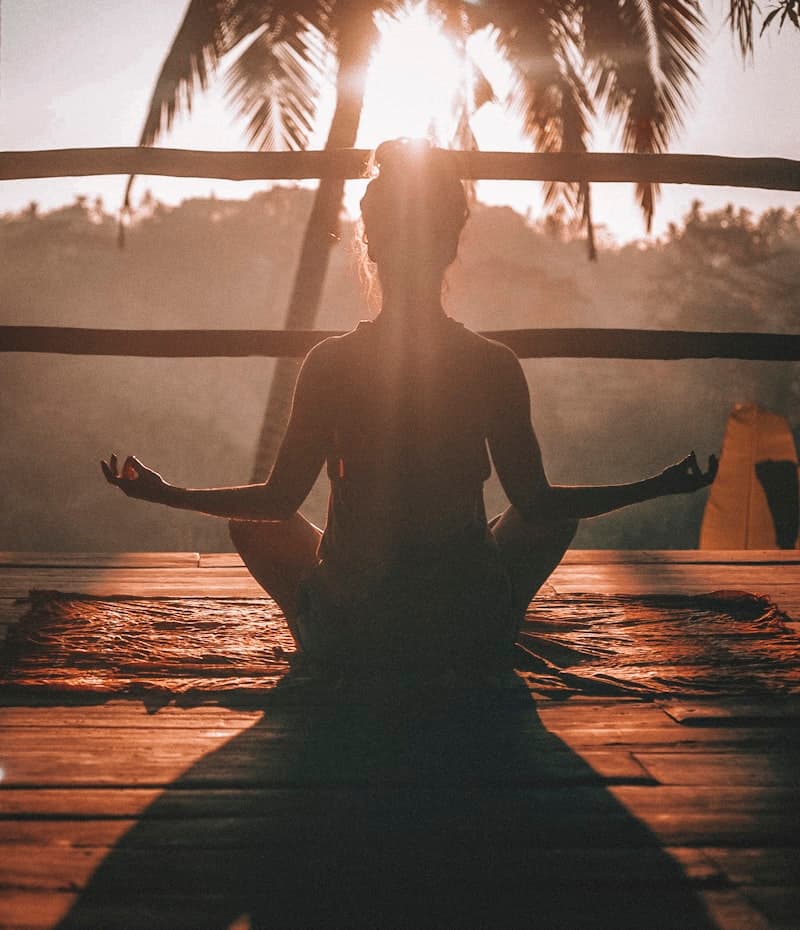
Yoga works through three interconnected mechanisms: physical (flexibility and strength), respiratory (breath-driven nervous system regulation), and mental (meditation and mindfulness). Understanding how these systems interact is key to knowing when yoga is the right choice for you.
Flexibility: How Held Poses Change Your Body
The physical postures in yoga — called asanas — rely primarily on static stretching. When you hold a pose for 30 seconds to several minutes, you place sustained, gentle tension on your muscles, tendons, and fascia. Over time, this teaches your stretch reflex (the myotatic reflex) to tolerate greater range of motion.
A comprehensive review by Woodyard (2011) published in the International Journal of Yoga found that regular yoga practice consistently improves flexibility, balance, and muscular strength. The key mechanism is that sustained stretches actually increase the length of muscle tissue and connective structures — not just your tolerance to stretching, but real structural adaptation.
This is why yoga vs pilates for flexibility almost always tips toward yoga. Pilates involves dynamic movement through ranges of motion, which improves mobility. But yoga's long-held stretches create more lasting flexibility gains — a critical distinction for beginners deciding between the two.
Breath and the Autonomic Nervous System
Here is where yoga diverges from almost every other form of exercise. The breathing techniques — called pranayama — are not just rhythmic breathing. Slow, deep diaphragmatic breathing directly stimulates the vagus nerve, activating the parasympathetic nervous system (your "rest and digest" mode).
This has measurable physiological effects: heart rate slows, blood pressure drops, and cortisol — your primary stress hormone — decreases. A meta-analysis by Pascoe et al. (2017) in the Journal of Psychiatric Research reviewed 25 studies and found that yoga practice significantly reduces cortisol levels across diverse populations.
The Neuroscience of Stress Reduction
Perhaps the most striking research on yoga involves GABA — gamma-aminobutyric acid, your brain's primary inhibitory neurotransmitter. Low GABA levels are associated with anxiety and depression.
A landmark study by Streeter et al. (2010) at Boston University, published in the Journal of Alternative and Complementary Medicine, found that a single 60-minute yoga session increased GABA levels by 27% in experienced practitioners. Magnetic resonance spectroscopy directly measured the change. That is not a subjective mood report — it is a measurable neurochemical shift.
Research on heart rate variability (HRV), a marker of autonomic nervous system health, also supports yoga's stress-reduction effects. Tyagi and Cohen (2016), writing in the International Journal of Yoga, reviewed evidence that regular yoga practice improves HRV, indicating better balance between sympathetic and parasympathetic nervous system activity.
This is why the yoga vs pilates for anxiety and stress comparison tips toward yoga. Pilates does reduce stress through focused movement, but yoga's explicit breathing and meditation tools give it a more direct pathway for anxiety relief.
Yoga Styles for Beginners
Not all yoga is the same, and choosing the right style matters:
- Hatha Yoga — The gentlest style. Slow-paced, held poses. Best entry point for complete beginners. A typical class moves through 15–20 poses with plenty of rest between.
- Vinyasa Yoga — Flowing sequences linking breath to movement. More dynamic and calorie-burning. Good once you know basic poses.
- Yin Yoga — Long holds (3–5 minutes) targeting deep connective tissue. Excellent for flexibility but intense in a different way.
- Restorative Yoga — Supported poses using bolsters and blankets. Maximum relaxation. Minimal physical demand.
If you are starting from zero, Hatha is your friend. You can always explore other styles later.
How Pilates Works: Core Stability, Alignment, and Muscular Control
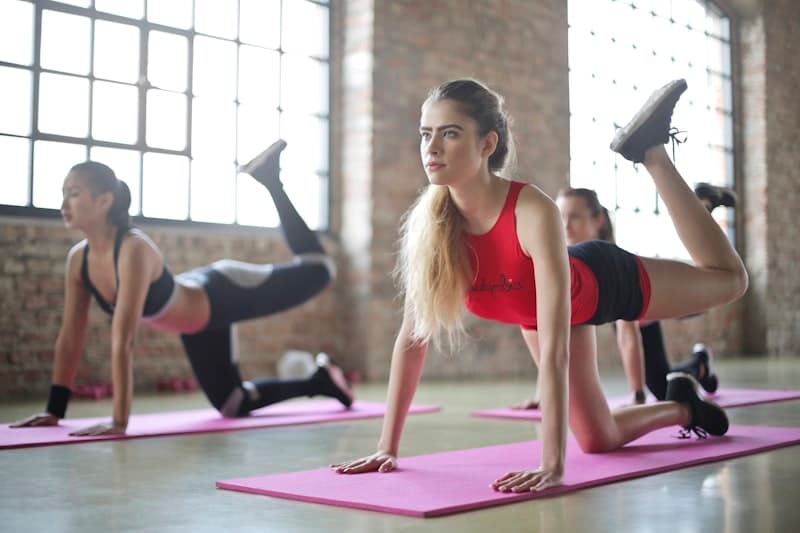
Pilates approaches the body from a completely different angle. Where yoga leads with flexibility and breath, pilates leads with core stability and precision. Developed by Joseph Pilates in the 1920s, it was originally called "Contrology" — the art of control — and that name tells you everything about its philosophy.
Core Activation: The "Powerhouse"
The defining feature of pilates is its focus on what Joseph Pilates called the "powerhouse" — the deep core muscles including the transversus abdominis, pelvic floor, multifidus (deep back muscles), and diaphragm. These are not the six-pack muscles you see in the mirror. They are the deep stabilizers that support your spine, control your posture, and transfer force through your body.
EMG (electromyography) research — which measures actual electrical activity in muscles — consistently shows that pilates activates the transversus abdominis at significantly higher levels than traditional abdominal exercises. A study by Muscolino and Cipriani (2005) in the Journal of Bodywork and Movement Therapies found that pilates exercises produced 20–30% greater transversus abdominis activation than standard crunches and sit-ups.
This is why yoga vs pilates for core strength is not really a contest. Pilates was built for this purpose. Yoga engages your core in many poses, but core strength is a side benefit, not the primary goal.
A 12-week RCT by Kloubec (2010), published in the Journal of Strength and Conditioning Research, demonstrated that healthy adults who performed pilates twice weekly showed significant improvements in core muscular endurance, flexibility, and postural alignment compared to a control group.
Spinal Alignment and Posture
Every pilates exercise begins from a neutral pelvis and organized spine. You learn to find and maintain proper alignment before you move, and you maintain that awareness throughout each exercise. This trains your body to default to better posture in daily life — sitting at a desk, standing in line, carrying groceries.
For anyone dealing with posture-related pain from sitting all day, this focus on spinal alignment is arguably more immediately useful than flexibility work alone.
Mat Pilates vs Reformer Pilates
Pilates comes in two main flavors for beginners:
- Mat Pilates — Performed on a mat using bodyweight resistance. Exercises like the Hundred, roll-ups, single-leg circles, and planks. All you need is a thicker mat (10–15mm is ideal — standard yoga mats at 3–5mm are too thin for pilates spine work). This is where most beginners should start.
- Reformer Pilates — Uses a sliding carriage with springs for resistance. The reformer adds hundreds of exercise variations and provides more full-body resistance training. It is excellent but significantly more expensive ($40–$80 per class at a studio, or $200–$5,000+ to buy one for home).
The Six Principles of Pilates
Joseph Pilates built his method on six principles that still guide practice today: Concentration (full attention on each movement), Control (no sloppy, uncontrolled motions), Centering (initiate all movement from the core), Flow (smooth, continuous movement), Precision (every placement matters), and Breathing (coordinated breath patterns).
These principles are why pilates has a steeper learning curve than yoga for some beginners. Form really matters. Your first few sessions may feel slow and overly technical, but that precision is what makes pilates so effective for core strength and postural correction.
Pelvic Floor Benefits
One area where pilates has particularly strong evidence is pelvic floor strengthening. Research by Kalaiselvi et al. (2016) in the International Journal of Physiotherapy found that pilates-based exercises significantly improved pelvic floor muscle strength in women. This makes pilates especially relevant for postpartum recovery and for women dealing with stress urinary incontinence — topics that connect to our guide on creatine for women, which covers performance and recovery considerations for active women.
Head-to-Head Comparison: Yoga vs Pilates
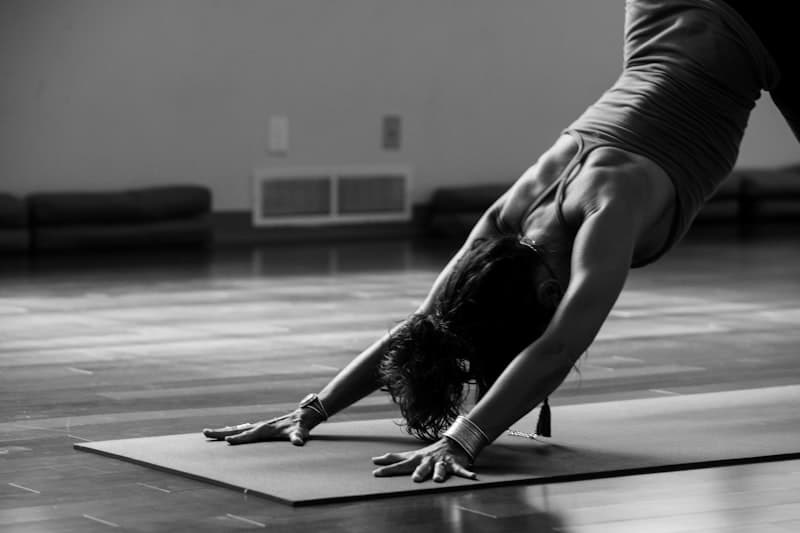
Here is the detailed comparison you came for. I have broken down yoga and pilates across 16 categories based on the available research.
| Feature | Yoga | Pilates |
|---|---|---|
| Flexibility | Excellent (primary benefit) | Good (dynamic range) |
| Core strength | Moderate (style-dependent) | Excellent (primary benefit) |
| Balance | Excellent (single-leg poses) | Good (stability challenges) |
| Muscle tone | Moderate | High (especially core/legs) |
| Stress / anxiety relief | Excellent (meditative focus) | Good (mindful movement) |
| Back pain relief | Strong evidence (multiple RCTs) | Strong evidence (multiple RCTs) |
| Calories burned (30 min) | 120–250 (Hatha) / 200–400 (Vinyasa) | 150–300 (Mat) / 200–450 (Reformer) |
| Weight loss potential | Low–Moderate | Moderate |
| Equipment needed | Mat only (blocks/strap optional) | Mat or reformer (ring/ball optional) |
| Learning curve | Gentle — easy start | Moderate — form is critical |
| Cost (classes) | $15–$30/group, free online | $20–$40/group, reformer $40–$80 |
| Home practice | Very accessible (mat only) | Mat accessible, reformer expensive |
| Injury risk | Low (modify as needed) | Low–Moderate (form matters) |
| Pregnancy-safe | Yes (modified, with approval) | Yes (modified, with approval) |
| Senior-friendly | Yes (gentle styles) | Yes (mat-based) |
| Mental health benefit | Excellent (meditation + movement) | Good (body awareness) |
A few things worth highlighting:
Flexibility goes to yoga. The sustained holds in yoga poses create real structural lengthening in muscles and connective tissue. Pilates improves dynamic range of motion but does not match yoga's flexibility gains.
Core strength goes to pilates. The entire method is built around deep core activation. EMG studies consistently show pilates produces greater transversus abdominis engagement than yoga or traditional ab exercises.
Stress relief goes to yoga, but not by as much as you might think. Pilates requires intense concentration that functions as a form of moving meditation. But yoga's explicit breathing techniques and meditation components give it more direct tools for anxiety and stress.
Back pain relief is a tie. Both have strong evidence from multiple randomized controlled trials. The best choice depends on the cause of your pain — more on that in the next section.
Cost and accessibility favor yoga. You can start with a $20 mat and free YouTube classes. Mat pilates is similarly accessible, but if you want reformer work, the cost jumps significantly.
Flexibility vs Core Strength: Which Matters More for Beginners?
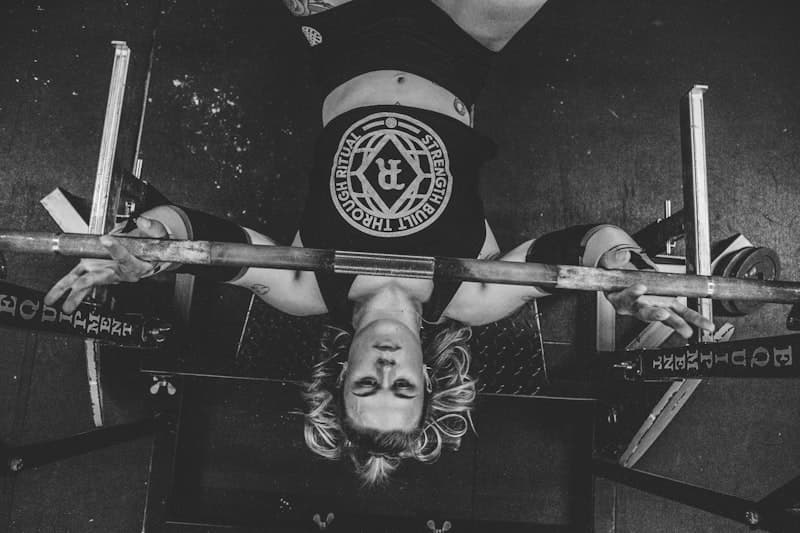
The biggest practical difference between yoga and pilates for beginners comes down to this: flexibility versus core strength. Understanding which one you need more is the fastest way to pick the right practice.
When Flexibility Is Your Priority
You should lean toward yoga if you:
- Sit at a desk for 6+ hours a day (tight hip flexors, shortened hamstrings)
- Cannot touch your toes without bending your knees
- Wake up feeling stiff and achy
- Have poor posture from muscle tightness, not weakness
- Feel like your range of motion limits your other workouts
Yoga's static holds target the specific tissues that shorten from sitting. Poses like forward folds, lunges, and spinal twists directly address the hip flexors, hamstrings, and thoracic spine — the three areas most affected by desk work. The research consistently shows that yoga produces greater range-of-motion improvements than pilates, because sustained stretching creates actual structural changes in muscle and fascia.
When Core Strength Is Your Priority
You should lean toward pilates if you:
- Experience lower back pain from weak core muscles
- Have been told your posture needs correction
- Feel unstable during other exercises (wobbling during squats, running, etc.)
- Have had pregnancies or abdominal surgery
- Want to improve athletic performance in other sports
Pilates targets the deep stabilizers — transversus abdominis, pelvic floor, multifidus — that most people never consciously engage. The EMG data is clear: pilates activates these muscles at higher levels than yoga or traditional core exercises. If your lower back aches at the end of the day, or your hips shift when you run, weak deep core muscles are likely part of the problem.
Why You Probably Need Both
Here is the honest truth: flexibility without core strength creates instability. Core strength without flexibility creates stiffness. They are complementary, not competing.
A stiff person with a strong core is like a stiff tree — strong but prone to snapping under unusual loads. A flexible person with a weak core is like a rubber band — mobile but unsupported. The ideal is a body that is both strong through the midline and mobile through the joints.
This is why many physical therapists and sports medicine doctors recommend combining both practices. More on that in the "Can You Do Both?" section below.
Yoga vs Pilates for Back Pain and Stress Relief
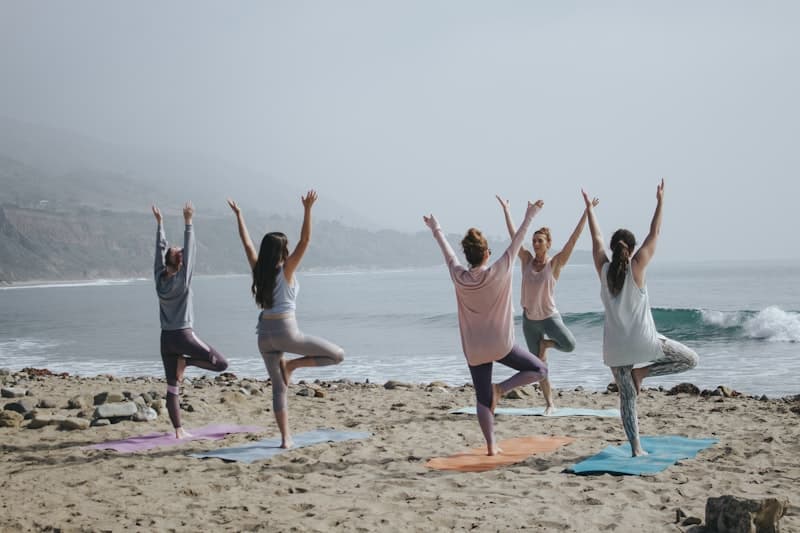
If you are dealing with back pain or chronic stress, this is probably the section that matters most to you. The good news is that both yoga and pilates have strong clinical evidence for both conditions. The right choice depends on the underlying cause.
Back Pain: Two Different Approaches
Chronic low back pain affects roughly 80% of adults at some point in their lives. Both yoga and pilates have been studied extensively for this condition, and both show meaningful results.
A Cochrane Review by Cramer et al. (2013) — one of the highest levels of medical evidence — analyzed 10 randomized controlled trials and found that yoga produced short-term relief from chronic low back pain, with improvements in both pain intensity and back-specific function. The styles most commonly studied were Iyengar and Viniyoga, which use props and modifications to make poses accessible for people in pain.
On the pilates side, Rydeard et al. (2006) published a landmark RCT in the Journal of Orthopaedic & Sports Physical Therapy showing that a 4-week pilates program significantly reduced pain and disability in chronic low back pain patients compared to a control group receiving standard medical care.
When it comes to yoga vs pilates for back pain specifically, the best choice depends on what is causing your pain:
- Flexibility-related back pain (tight hamstrings pulling on your pelvis, stiff spine, muscle tension from stress) — Yoga is likely more helpful. The stretching and relaxation components directly address muscle tightness and tension.
- Weakness-related back pain (core muscles failing to support your spine, poor posture from muscular imbalance, instability during movement) — Pilates is likely more helpful. Core strengthening and spinal alignment directly address weakness and instability.
Many people have elements of both. If that sounds like you, alternating between yoga and pilates is a reasonable approach.
After a yoga or pilates session, recovery tools like foam rollers and massage guns can help reduce muscle soreness — see our head-to-head comparison of both for post-workout recovery.
Stress and Anxiety: Yoga Has the Edge
For stress relief, the research tips clearly toward yoga. This is not because pilates is bad for stress — it is not. The focused, precise movements in pilates require present-moment attention that functions as a form of mindfulness. But yoga has explicit tools that pilates lacks.
Yoga's meditative component, pranayama breathing techniques, and relaxation practices (like savasana) directly target the nervous system. The GABA research from Boston University, the cortisol meta-analysis, and the HRV studies all point to yoga having a more direct pathway to stress reduction.
If anxiety, insomnia, or chronic stress is a primary concern — not just a nice side benefit — yoga is the stronger choice based on the available evidence.
Stress management extends beyond exercise, too. Cold plunge and sauna therapy offer complementary recovery benefits — our guide breaks down the science behind both approaches to relaxation and nervous system regulation.
Which Burns More Calories: Yoga vs Pilates for Weight Loss?
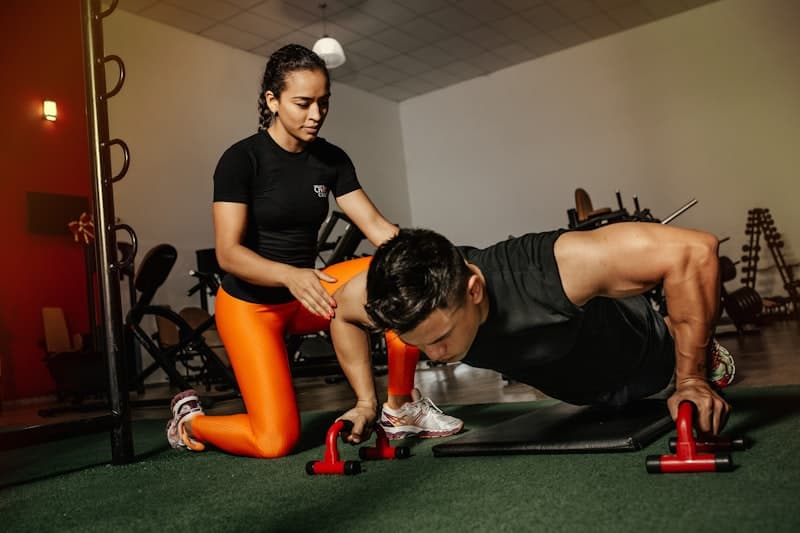
Let me be upfront: neither yoga nor pilates is a weight loss powerhouse. If fat loss is your primary goal, you should pair either one with strength training or cardio. But the calorie question still matters, so here are the numbers.
Which burns more calories, yoga or pilates? It depends on the style. Vinyasa/Power yoga burns more than mat pilates. Reformer pilates is comparable to or slightly higher than Vinyasa yoga. Hatha and restorative yoga burn the fewest calories.
The calorie estimates come from MET (Metabolic Equivalent of Task) values compiled by Ainsworth et al. (2011) in the Compendium of Physical Activities, published in Medicine & Science in Sports & Exercise. Here is the breakdown for a 155-pound (70 kg) adult:
| Practice | MET Value | Calories/30 min |
|---|---|---|
| Hatha Yoga | 2.5–3.5 | 120–180 kcal |
| Vinyasa / Power Yoga | 4.0–6.0 | 200–300 kcal |
| Mat Pilates | 3.0–4.0 | 150–200 kcal |
| Reformer Pilates | 4.0–5.5 | 200–280 kcal |
The takeaway: Vinyasa yoga and reformer pilates are roughly comparable in calorie burn. Both outperform their gentler counterparts (Hatha yoga, mat pilates) by a meaningful margin. But none of these approach the calorie expenditure of a HIIT session or a vigorous strength training workout.
In the yoga vs pilates for weight loss debate, neither has a decisive advantage. Where both practices help with weight management is indirectly — by reducing stress-induced eating, improving sleep quality, and building a sustainable movement habit. A 2016 study in Evidence-Based Complementary and Alternative Medicine found that long-term yoga practitioners had lower BMI and better eating behaviors than non-practitioners, even after controlling for other physical activity. These indirect effects are hard to quantify but real.
If calorie burn and fat loss are your top priorities, our HIIT vs LISS cardio comparison covers the most effective cardio approaches — yoga and pilates complement cardio rather than replace it. For the biggest impact on metabolism and body composition, add strength training to your routine — our beginner's guide covers everything you need to start.
Beginner Getting Started: Equipment, Cost, and Accessibility
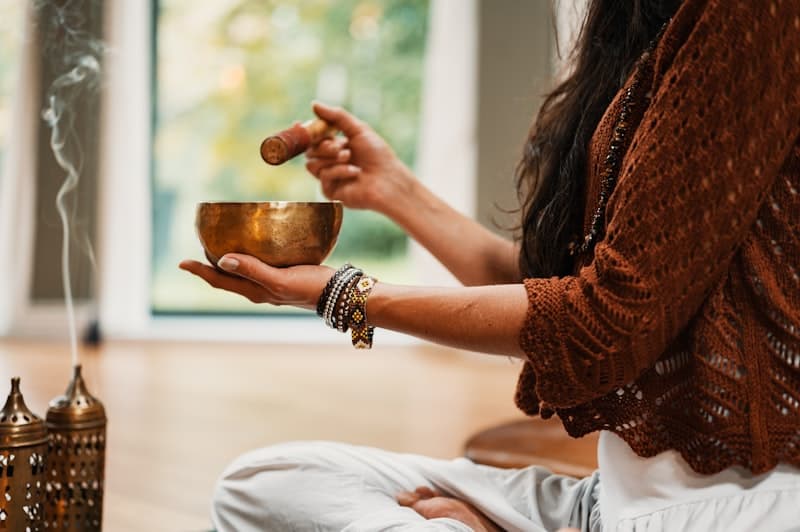
One of the best things about both yoga and pilates is how accessible they are for beginners. You do not need a gym membership, expensive equipment, or prior fitness experience. Here is what you actually need to get started.
Starting Yoga
Equipment: A yoga mat. That is genuinely it. TPE, rubber, and cork mats are all fine — pick whatever fits your budget ($15–$40). Yoga blocks and straps are optional but helpful for beginners ($5–$15 each).
Cost: This is yoga's biggest advantage. There is an enormous amount of free, high-quality content on YouTube — Yoga with Adriene alone has billions of views. Paid apps like Alo Moves, Glo, and Peloton offer structured programs for $10–$20 per month. Studio classes run $15–$30 per group session.
Starting difficulty: Very low. You can roll out a mat in your living room and begin with a 20-minute beginner video today. No instructor needed for your first few sessions, though a class or two helps with form.
Starting Pilates
Equipment: For mat pilates, you need a mat — but choose one that is thicker than a standard yoga mat (10–15mm is ideal for spine comfort). A pilates ring (magic circle) and resistance bands are useful add-ons ($10–$20 each). For reformer pilates, you need access to a reformer machine — either at a studio or by purchasing one ($200–$5,000+ depending on quality). When weighing the best yoga mat vs best pilates reformer for home use, consider your budget and space: a quality yoga mat runs $15–$40 and stores in a closet, while a reformer costs $200–$5,000+ and needs dedicated floor space. Most beginners should build a foundation with mat-based practice before investing in a reformer.
Cost: Mat pilates classes run $20–$40 per group session. Reformer classes are pricier at $40–$80. Online platforms like Pilates Anytime offer extensive libraries for $15–$25 per month. YouTube has growing free content, though the selection is smaller than for yoga.
Starting difficulty: Moderate. Pilates form matters more than yoga form in the beginning. The precise engagement of deep core muscles is hard to learn from a video alone. I strongly recommend taking 2–3 in-person or live virtual sessions with a qualified instructor before transitioning to solo practice. This investment pays off for months.
My Honest Recommendation for Beginners
Start with whichever one feels more appealing. Try 3 sessions of each. Your body will tell you.
Some people fall in love with the calm, meditative flow of yoga immediately. Others find it boring and prefer the structured, challenging precision of pilates. There is no wrong answer. Both will improve your body and your health within weeks of consistent practice.
Women combining mind-body exercise with proper nutrition and supplementation see the best results — our creatine for women guide covers an often-overlooked performance booster for active women. And post-workout protein supports recovery from any exercise — our plant vs whey protein comparison helps you choose the right source.
Can You Do Both Yoga and Pilates?
Yes, and I would argue you should consider it. Yoga and pilates are complementary, not redundant. Yoga gives you flexibility and stress relief. Pilates gives you core strength and postural alignment. Together, they create a well-rounded mind-body foundation.
A common question beginners ask is: can yoga replace pilates, or do you need both? The answer depends on your goals. If you only have time for one, pick the one that addresses your biggest need (flexibility = yoga, core strength = pilates). But for optimal results, combining both practices gives you a more complete foundation than either one alone.
A Complete Weekly Fitness Routine
If you want to build a balanced fitness plan that covers all the bases, here is a sample weekly schedule that integrates yoga, pilates, strength training, cardio, and recovery:
| Day | Activity | Links to |
|---|---|---|
| Monday | Strength Training | Strength Training for Beginners |
| Tuesday | Yoga (flexibility + stress) | This guide |
| Wednesday | Pilates (core + alignment) | This guide |
| Thursday | Strength Training | Strength Training for Beginners |
| Friday | Yoga or Pilates (alternate) | This guide |
| Saturday | Cardio (HIIT or LISS) | HIIT vs LISS Cardio |
| Sunday | Active recovery (foam rolling / stretching) | Foam Roller vs Massage Gun |
This schedule gives you two strength days, two to three mind-body sessions, one cardio day, and one dedicated recovery day per week. It covers the three pillars of fitness — resistance, endurance, and mind-body — plus recovery.
You do not need to follow this exactly. Even two to three yoga or pilates sessions per week on their own will produce meaningful improvements in flexibility, core strength, and stress levels. The full routine is for people who want a complete program.
Which Should You Choose? Goal-Based Recommendation
Forget the debate. Match the practice to your situation. Here is what the evidence supports:
| Your Situation | Best Choice | Why |
|---|---|---|
| Total beginner, never exercised | Yoga (Hatha) | Gentlest entry point, no equipment, free online classes |
| Flexibility / stiff muscles | Yoga | Primary benefit — sustained stretching increases range of motion |
| Core strength / weak abs | Pilates | EMG studies show superior core muscle activation |
| Back pain (flexibility-related) | Yoga | Stretching + relaxation reduces muscle tension |
| Back pain (core weakness-related) | Pilates | Core stabilization supports spinal alignment |
| Stress / anxiety / poor sleep | Yoga | Meditative component reduces cortisol, increases GABA |
| Posture correction | Pilates | Focus on spinal alignment and muscular balance |
| Weight loss (modest) | Pilates (Reformer) or Vinyasa Yoga | Higher calorie burn styles, but combine with cardio/diet |
| Pregnancy (with doctor approval) | Prenatal Yoga | More research on safety; gentler modifications |
| Seniors / limited mobility | Gentle Yoga or Chair Yoga | Easiest to modify, lowest barrier to entry |
| Desk worker / sitting all day | Both — Yoga for flexibility, Pilates for core | Alternate both for best results |
| Athletic performance | Pilates | Core stability improves performance in other sports |
| Tight budget / home practice | Yoga | Only a mat needed, massive free content available |
| Want to try both | Alternate — 2x yoga + 2x pilates per week | Complementary benefits — see weekly routine above |
There is no universal winner. Pick the row that matches your situation — or try three sessions of each and let your body decide.
Frequently Asked Questions
What is the main difference between yoga and pilates?
Yoga is a 5,000-year-old practice from ancient India focused on flexibility, breathwork, and meditation through held poses. Pilates was developed by Joseph Pilates in the 1920s as a system for core strength, spinal alignment, and controlled movement. Their fundamental purposes and mechanisms are different — yoga leads with flexibility and mindfulness, pilates leads with core stability and precision.
Which is better for weight loss, yoga or pilates?
Neither is optimal for weight loss on its own. Vinyasa/Power yoga and reformer pilates burn the most calories of their respective practices (200–300+ kcal per 30 minutes), but both fall short of what you can achieve with cardio or strength training. Where yoga and pilates help with weight management is indirectly — by reducing stress-induced eating, improving sleep quality, and building a sustainable movement habit. If weight loss is your primary goal, pair either one with strength training or cardio and focus on nutrition.
Can yoga help with back pain or should I try pilates?
Both are effective. A Cochrane Review by Cramer et al. (2013) found strong evidence for yoga in chronic low back pain, and Rydeard et al. (2006) demonstrated similar results for pilates. The best choice depends on the cause: if your pain comes from tight muscles and tension, yoga's stretching and relaxation will likely help more. If your pain comes from weak core muscles and poor spinal support, pilates' focus on deep core stabilization is probably the better fit. Many people benefit from both.
Is pilates better for core strength than yoga?
Yes, and the research is fairly clear on this. EMG studies consistently show that pilates activates the deep core muscles — particularly the transversus abdominis — at higher levels than yoga or traditional abdominal exercises. Pilates was designed around core engagement as its central principle. Yoga does involve core work (plank pose, boat pose, chaturanga), but core strength is a secondary benefit rather than the primary goal.
Can I do both yoga and pilates?
Absolutely, and they complement each other well. Yoga develops flexibility and parasympathetic nervous system balance. Pilates develops core strength and postural awareness. Alternating 2–3 sessions of each per week gives you the benefits of both without redundancy. See the weekly routine in the "Can You Do Both?" section above for a sample schedule.
Which burns more calories, yoga or pilates?
It depends entirely on the style. Vinyasa yoga (MET 4.0–6.0) burns more calories than mat pilates (MET 3.0–4.0). Reformer pilates (MET 4.0–5.5) is roughly comparable to Vinyasa. Hatha and restorative yoga burn the fewest calories. For context, a 155-pound person burns about 200–300 kcal per 30 minutes of Vinyasa yoga or reformer pilates, compared to 300–450 kcal for 30 minutes of moderate-intensity cardio.
Can yoga replace pilates?
Not entirely. While there is overlap — both improve posture, body awareness, and reduce stress — they target different physical qualities. Yoga is hard to beat for flexibility and stress reduction. Pilates is hard to beat for core strength and spinal alignment. If you only have time for one, pick the one that addresses your biggest need. For the most well-rounded results, combining both is the ideal approach for beginners and experienced practitioners alike.
Do I need equipment for yoga or pilates?
For yoga, a mat is all you need. Blocks and straps are helpful but optional ($5–$15). For pilates, mat pilates requires only a thicker mat (10–15mm recommended). Reformer pilates requires a reformer machine, which costs $200–$5,000+ for home use or $40–$80 per session at a studio. Most beginners should start with mat-based versions of either practice before investing in equipment.
Is yoga or pilates better for stress and anxiety?
Yoga has stronger research support for direct stress and anxiety reduction. The combination of slow pranayama breathing, meditation, and restorative poses produces measurable increases in GABA (up to 27% after a single session in one study) and decreases in cortisol. Pilates does reduce stress through focused, mindful movement, but it lacks the explicit meditation and breathing components that make yoga particularly effective for anxiety.
Is yoga or pilates better for seniors?
Both can work well for older adults. Gentle yoga and chair yoga have the lowest barrier to entry and the most research on fall prevention in seniors. A review by Youkhana et al. (2016) in BMJ Open found that yoga-based interventions improved balance and mobility in adults over 60. Mat pilates is also senior-safe and particularly effective for core strength, which supports stability and reduces fall risk. If mobility is very limited, chair yoga is the most accessible starting point. For the yoga vs pilates for seniors question specifically, both are valid — yoga edges ahead for balance and flexibility, while pilates is stronger for core stability.
Can I do yoga or pilates during pregnancy?
Both are generally safe during uncomplicated pregnancies with your doctor's approval, per ACOG guidelines (2020). Prenatal yoga has been more extensively studied and has a wider availability of specialized classes. It also includes breathing techniques that are directly useful for labor. Pilates can be beneficial for pelvic floor strengthening and core support during pregnancy, but should be modified as the pregnancy progresses. If you were doing either practice before pregnancy, continuing with modifications is usually fine. If you are starting fresh, prenatal yoga is the more studied and accessible option.
The Bottom Line
Yoga and pilates are not rivals. They are two different tools for two different jobs.
Yoga excels at flexibility, stress reduction, and mindfulness. If your muscles are tight, your mind is racing, or you just want a gentle practice you can start today with nothing but a mat, yoga is your answer.
Pilates excels at core strength, postural correction, and movement precision. If your back aches from weak stabilizers, your posture needs work, or you want to build a stronger foundation for other activities, pilates is your answer.
Both have strong scientific evidence for back pain relief, stress reduction, and overall health improvement. Neither is a weight loss solution on its own, but both support long-term weight management through stress reduction, better sleep, and sustainable movement habits.
The three pillars of fitness: strength training for resistance, cardio for endurance, and this guide for mind-body exercise. Together, they form a complete foundation for lifelong fitness.
Try three sessions of each. Your body will tell you which one it needs. Or better yet — keep doing both.
Have you tried yoga, pilates, or both? What worked for you as a beginner? Drop a comment — I read every one.
Weighted Blanket vs Regular Blanket: Which Actually Helps You Sleep Better? (Science-Backed 2026)
Next →Plant Protein vs Whey Protein: Which Is Actually Better? (Science-Backed 2026)


