Air Purifier vs Humidifier: Complete Comparison Guide (2026)
Air purifier vs humidifier — which do you need? Our 2026 guide compares how they work, health benefits, energy costs, and room-by-room recommendations.
Air Purifier vs Humidifier: Complete Comparison Guide (2026)
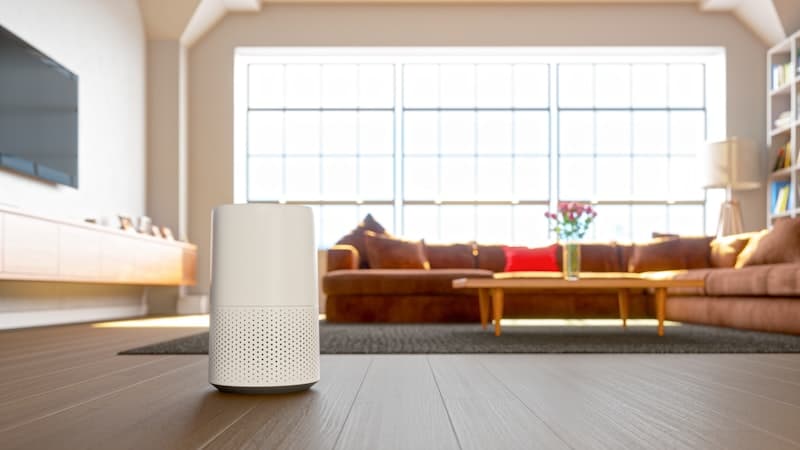
You wake up with a dry throat. Your allergies are acting up again. The air in your home feels stuffy, and you can't quite figure out why. Sound familiar?
Many people assume that one device can solve all their indoor air problems. But here's the thing: air purifiers and humidifiers do completely different jobs. An air purifier cleans the air. A humidifier adds moisture to it. Two devices, two problems, two solutions.
In this air purifier vs humidifier guide, we'll break down how each one works, who benefits most from each, how much they cost to run, and which rooms they belong in. By the end, you'll know exactly which one your home needs — or whether you should get both.
What's the Fundamental Difference?
How Does an Air Purifier Work?
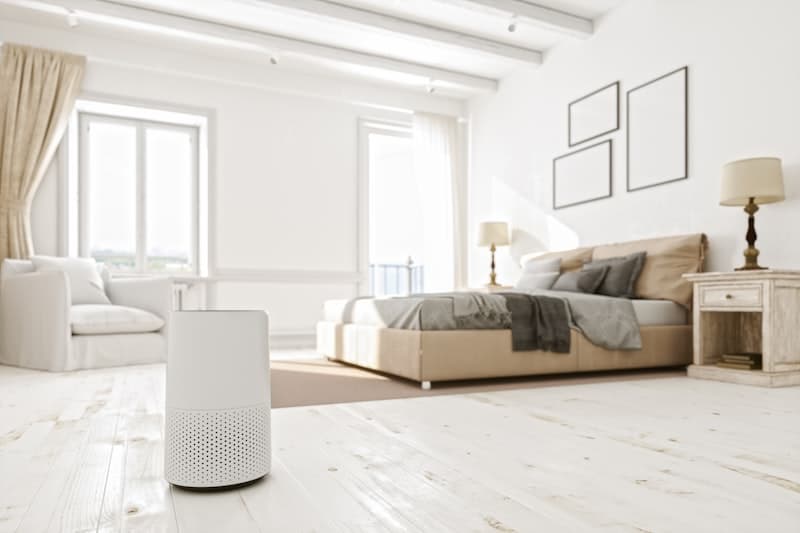
An air purifier draws in dirty air, passes it through a series of filters, and releases clean air back into your room. That's it. It removes things from the air — it does not add anything.
Here are the main filter types you'll find:
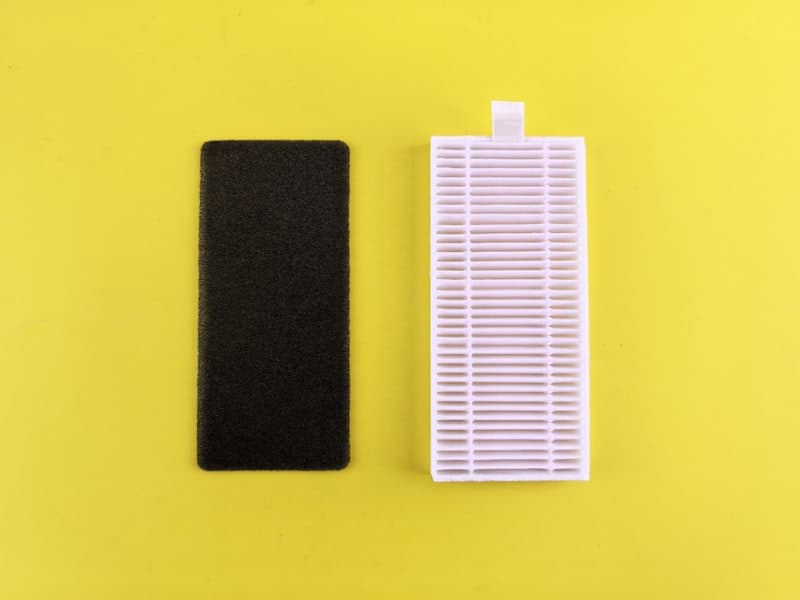
- HEPA Filter: The gold standard. Captures 99.97% of airborne particles down to 0.3 microns — think dust, pollen, pet dander, and even some bacteria. If you're buying an air purifier, make sure it has a True HEPA filter.
- Activated Carbon Filter: Removes odors, smoke, and volatile organic compounds (VOCs) by trapping gas molecules in its porous surface. Essential if you have pets, cook often, or live near traffic.
- Pre-filter: Catches larger particles like hair and lint before they reach the HEPA filter, extending its life.
Some models also include UV-C light to kill airborne bacteria and viruses, or ionizers that charge particles so they stick to surfaces. These are supplementary — HEPA and activated carbon do the heavy lifting.
Think of it this way:
Air Purifier: Dirty air IN → Filters trap contaminants → Clean air OUT
How Does a Humidifier Work?
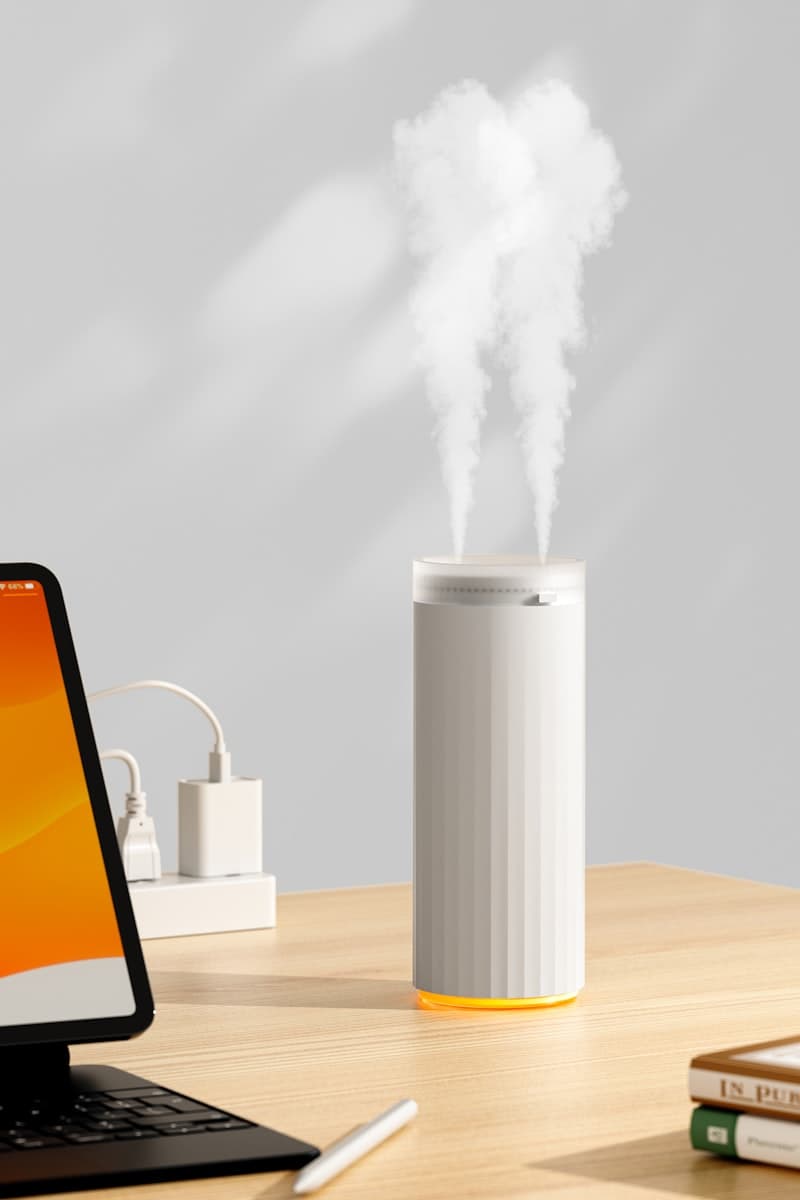
A humidifier takes water from a tank, converts it into moisture, and releases it into the air as vapor or mist. It adds something to the air — it does not clean anything.
The three most common types:
- Evaporative: A fan blows air over a wet wick or filter. Simple, reliable, and self-regulating — as humidity rises, evaporation naturally slows down.
- Ultrasonic: A vibrating diaphragm creates a fine water mist. Very quiet and energy-efficient, but can produce white dust if you use hard water.
- Warm Mist: Heats water to create steam. Feels warm and is germ-free (boiling kills bacteria), but uses more electricity and poses a burn risk around children.
Humidifier: Water IN → Converted to vapor/mist → Moist air OUT
The key takeaway: an air purifier removes pollutants; a humidifier adds moisture. They solve entirely different problems.
Air Purifier vs Humidifier: Pros and Cons
Air Purifier Pros and Cons
Pros
- Removes allergens: Captures dust, pollen, pet dander, and mold spores before they reach your lungs
- Eliminates odors and VOCs: Activated carbon filters absorb cooking smells, smoke, and chemical fumes
- Reduces airborne germs: UV-C models can neutralize bacteria and viruses
- Helps allergy and asthma sufferers: Cleaner air means fewer triggers and less medication reliance
- Quiet on low settings: Many models run at 24-30dB — barely audible
Cons
- Does not add moisture: If dry air is your problem, an air purifier won't help
- Filter replacement costs: HEPA filters cost $20-80 and need replacing every 6-12 months
- Limited room coverage: One unit typically covers one room — not your whole home
- Noise on high fan speeds: Turbo mode can hit 50-60dB, which is noticeable
Humidifier Pros and Cons
Pros
- Relieves dry skin and chapped lips: Proper humidity keeps your skin hydrated
- Eases sinus congestion: Moist air thins mucus and soothes irritated nasal passages
- Protects wooden furniture: Prevents cracking and warping in dry conditions
- Makes rooms feel warmer: Moist air retains heat better, potentially lowering heating costs
- Low running cost: Most humidifiers use very little electricity
Cons
- Does not clean air: Humidifiers add moisture but don't remove dust, allergens, or pollutants
- Over-humidification risk: Humidity above 60% promotes mold growth and dust mites
- Requires regular cleaning: Stagnant water breeds bacteria — weekly cleaning is essential
- Mineral buildup: Hard water causes white dust (ultrasonic) or scale buildup (warm mist)
Still wondering air purifier vs humidifier — which is better? It depends entirely on what problem you're trying to solve. Let's dig deeper.
Comparison Table: Air Purifier vs Humidifier at a Glance
| Feature | Air Purifier | Humidifier |
|---|---|---|
| Primary purpose | Remove airborne pollutants | Add moisture to the air |
| What it changes | Air cleanliness | Air humidity |
| Key technology | HEPA / activated carbon filters | Evaporative / ultrasonic / steam |
| Best for | Allergies, dust, smoke, pet dander | Dry air, dry skin, sinus issues |
| Ideal humidity impact | None (does not change humidity) | Raises humidity to 40-60% |
| Maintenance | Filter replacement every 6-12 months | Regular cleaning, water refills |
| Energy cost | ~$0.05-0.15/hour | ~$0.02-0.05/hour |
| Price range | $80-$800+ | $20-$300 |
| Year-round use? | Yes | Seasonal (mainly winter) |
| Noise level | 24-55 dB | 20-40 dB |
See the pattern? If your air is dirty, get an air purifier. If your air is dry, get a humidifier. Simple — but let's look at specific health situations where the choice gets more nuanced.
Air Purifier vs Humidifier for Allergies, Asthma & Dry Air: Which Is Better?

For Allergies
If seasonal allergies make you miserable, the air purifier is your first pick. It physically removes pollen, dust mites, and pet dander from the air before you breathe them in. A HEPA filter captures particles as small as 0.3 microns — that covers the vast majority of common allergens.
A humidifier can offer indirect relief by keeping your nasal passages moist, which helps your body's natural defense against allergens. But it doesn't remove the allergens themselves. If you're sneezing and congested because of pollen, adding moisture won't solve the root problem.
Recommendation: Allergy sufferers should prioritize an air purifier with a True HEPA filter.
For Asthma
Asthma is more complex. An air purifier with a HEPA filter reduces common asthma triggers — dust, smoke, pollen, and pet dander. For many asthma patients, cleaner air means fewer attacks and less reliance on rescue inhalers.
But dry air can also trigger asthma symptoms. If you live in a dry climate or run heating all winter, keeping humidity between 40-50% can soothe irritated airways. The catch? Over-humidification is dangerous for asthma — dust mites thrive above 50% humidity, and mold grows above 60%.
Recommendation: Air purifier first, humidifier as a supplement. Monitor your humidity levels carefully.
For Dry Air
This is where the humidifier shines. If you're dealing with cracked skin, dry throat, static electricity shocks, or nosebleeds, the air in your home is too dry. An air purifier won't address this at all — it's simply not designed to.
Dry air is most common during winter when heating systems strip moisture from indoor air. A humidifier can bring your room back to the comfortable 40-60% range.
Recommendation: For dry air problems, a humidifier is the clear answer.
Health Condition Quick Reference
Not sure which one matches your situation? Here's a quick-reference table:
| Health Concern | Recommended Device | Why |
|---|---|---|
| Allergies | Air Purifier | Removes allergens from the air |
| Asthma | Air Purifier (primary) + Humidifier (support) | HEPA removes triggers; proper humidity soothes airways |
| Dry skin / Dry throat | Humidifier | Adds needed moisture to the air |
| Sinus congestion | Humidifier (primarily) | Moist air thins mucus and soothes nasal passages |
| Smoke / VOCs | Air Purifier | Activated carbon filters remove smoke particles and chemicals |
| Pet allergies | Air Purifier | Captures pet dander and hair before you breathe it |
Air Purifier vs Humidifier for Baby Room, Bedroom & Every Room
Bedroom
An air purifier in the bedroom helps you sleep better by removing allergens that cause nighttime congestion and coughing. Many people don't realize that dust mites in bedding are a major sleep disruptor.
A humidifier, on the other hand, is a winter essential for many sleepers. Dry air dries out your throat and nasal passages overnight, leading to that scratchy morning feeling. Adding moisture can make a noticeable difference in sleep quality.
Tip: Look for sub-30dB models of either device if you're a light sleeper. Many air purifiers have a dedicated sleep mode.
Baby Room / Nursery
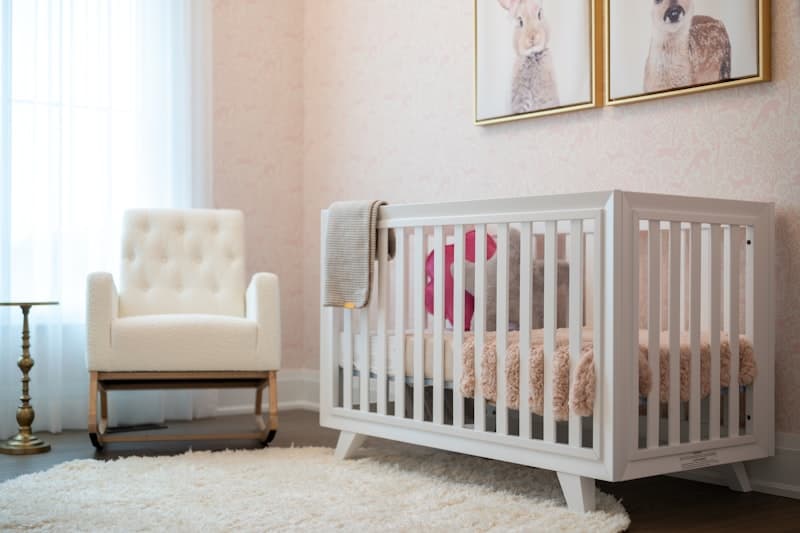
For babies, a humidifier is usually the first recommendation. Infants are more susceptible to dry air because their nasal passages are smaller and more easily congested. Proper humidity (40-50%) helps prevent dry skin and eases cold symptoms.
An air purifier adds value if you have pets, if someone in the home smokes, or if you live in an area with poor outdoor air quality. Babies breathe faster than adults, so cleaner air matters more for them.
Safety note: Use only cool mist humidifiers in a nursery. Warm mist models pose a burn risk if a child touches the unit or knocks it over.
Living Room
The living room is usually the largest space in your home, and it's where cooking odors, pet dander, and dust from open windows tend to collect. An air purifier handles all of these effectively — just make sure to check the CADR (Clean Air Delivery Rate) rating to ensure adequate coverage for the room size.
A humidifier is less critical in the living room unless your entire home is dry. In that case, a console-style humidifier with a large tank can cover 1,000+ sq ft.
Home Office
If you work from home, you spend 8+ hours a day in one room. An air purifier reduces stuffy air and allergens that can cause afternoon brain fog. A humidifier prevents dry eyes and skin during long sessions, especially in air-conditioned or heated rooms.
Tip: A compact desktop air purifier or a small humidifier can make your workspace much more comfortable without taking up much room.
Can You Use an Air Purifier and Humidifier Together?
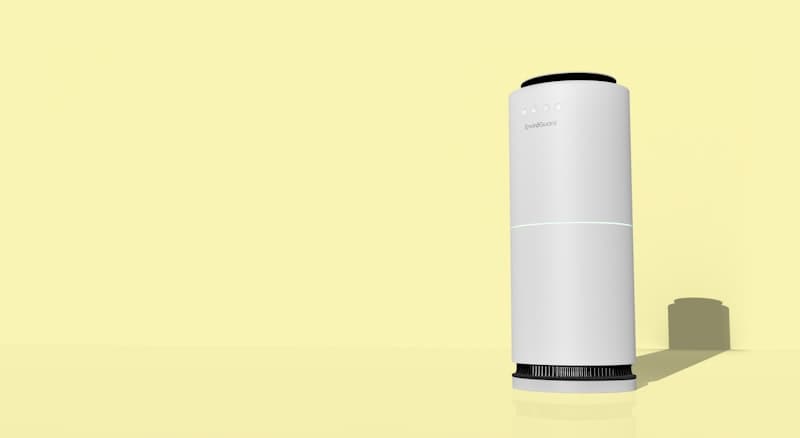
Yes — and many households should.
Since an air purifier and a humidifier solve different problems, there's no conflict in running them together. Your air purifier cleans the air while your humidifier adds moisture. Think of it like running a water filter and a heater at the same time: one purifies, the other adjusts the temperature.
Here are a few guidelines for using both:
- Keep them at least 3 feet apart: If the humidifier's mist reaches the air purifier's intake, the moisture can clog the HEPA filter and reduce its effectiveness.
- Place the humidifier lower and the air purifier higher: Moisture naturally sinks, while pollutants circulate throughout the room. This positioning lets each device work at its best.
- Monitor humidity: Use a hygrometer to keep humidity between 40-50%. The air purifier can't do its job well if the air is too damp — excess moisture helps mold and dust mites thrive.
Air Purifier Humidifier Combo Devices
If you want both functions but don't have room for two devices, combo units exist. These combine HEPA filtration with humidification in one appliance.
Pros: Saves space, one power outlet, unified controls. Cons: Compromise on both functions, harder to maintain, filter replacements are more expensive, and if one function breaks, the whole unit needs service.
Combo devices work best in small spaces where you genuinely need both functions but can't fit two separate units. For most homes, we recommend two dedicated devices instead.
If you're also dealing with excess moisture in your home, check out our dehumidifier vs clothes dryer guide for another practical comparison on managing home humidity.
Energy Cost & Maintenance Comparison

Air Purifier Running Costs
Air purifiers are relatively efficient appliances. On low speed, most units draw 20-40W. On high speed, that jumps to 60-100W.
| Cost Factor | Air Purifier |
|---|---|
| Power consumption | 20-100W |
| Hourly electricity cost | $0.05-0.15 |
| Monthly cost (12 hours/day) | $18-54 |
| Annual filter replacement | $40-160 |
The real ongoing cost is filter replacement. A True HEPA filter typically lasts 6-12 months and costs $20-80 depending on the brand. Activated carbon filters may need more frequent replacement if you're dealing with heavy odors or smoke.
Humidifier Running Costs
Humidifiers are cheaper to run. Evaporative and ultrasonic models draw just 10-30W. Warm mist models use more (200-400W) because they heat water.
| Cost Factor | Humidifier |
|---|---|
| Power consumption | 10-40W (evaporative/ultrasonic), 200-400W (warm mist) |
| Hourly electricity cost | $0.02-0.05 (evaporative/ultrasonic) |
| Monthly cost (8 hours/day) | $5-12 |
| Annual maintenance | $40-80 (wicks + cleaning supplies) |
The main ongoing cost is wick or filter replacement ($10-20 every 2-3 months for evaporative models) and distilled water if you have hard water.
Energy-Saving Tips
For your air purifier:
- Use auto mode with a built-in air quality sensor — it ramps up only when needed
- Run on low or medium at night — most rooms don't need turbo speed while you sleep
- Size it correctly for your room — an oversized unit wastes energy
For your humidifier:
- Use a model with a built-in humidistat to maintain 40-50% automatically
- Use distilled water to reduce mineral buildup and extend filter life
- Don't over-run it — once your target humidity is reached, turn it off or let the humidistat handle it
Cost Comparison at a Glance
| Cost Factor | Air Purifier | Humidifier |
|---|---|---|
| Power consumption | 20-100W | 10-40W (cool), 200-400W (warm mist) |
| Hourly electricity cost | $0.05-0.15 | $0.02-0.05 (cool) |
| Monthly running cost | $18-54 | $5-12 |
| Annual maintenance | $40-160 (filters) | $40-80 (wicks + cleaning) |
Overall, humidifiers are cheaper to operate, but air purifiers provide year-round value while humidifiers are typically seasonal.
Best Air Purifier Humidifier Combo & Top Picks (2026)
Top 3 Air Purifiers
1. Levoit Core 300 (Best Value)
Features:
- True HEPA + activated carbon filter
- 300 sq ft coverage
- Whisper-quiet at 24dB on low
- Price: $80-100
The best budget pick for bedrooms and small rooms. It's affordable, effective, and quiet enough to run while you sleep. The three-stage filtration handles dust, pollen, odors, and pet dander without breaking the bank.
2. Coway Airmega 400 (Best Performance)
Features:
- True HEPA + smart air quality sensor
- 1,560 sq ft coverage
- Auto mode adjusts fan speed in real time
- Price: $400-500
If you need to cover a large open-plan living area, the Airmega 400 is hard to beat. The smart sensor detects air quality changes and adjusts automatically — you set it and forget it.
3. Dyson Purifier Cool (Premium / Multi-function)
Features:
- HEPA H13 filtration + cooling fan
- Air quality monitoring via app
- Oscillating design circulates purified air
- Price: $500-650
Part air purifier, part fan, part design statement. The Dyson app gives you real-time air quality data, and the bladeless design is safe around children and pets. Premium price, but you're getting three functions in one device.
Top 3 Humidifiers
1. Levoit Classic 300S (Best Value)
Features:
- Ultrasonic, top-fill design
- 6-liter tank runs up to 60 hours
- App-controlled + voice assistant compatible
- Price: $35-50
Easy to fill, runs for days, and you can control it from your phone. The top-fill design means no flipping tanks or spilling water. A solid choice for bedrooms and medium rooms.
2. Honeywell HCM-350 (Best for Large Rooms)
Features:
- Evaporative — no white dust
- Germ-free moisture (UV-treated)
- 2-gallon tank, up to 24-hour runtime
- Price: $60-80
The evaporative design means zero white dust, even with hard water. The UV treatment kills bacteria in the water before it enters your air. A workhorse for larger rooms and open areas.
3. Stadler Form Oskar (Premium Design)
Features:
- Evaporative, ultra-quiet
- Built-in hygrostat for automatic humidity control
- Compact, modern design
- Price: $130-160
If you want a humidifier that looks as good as it performs, the Oskar delivers. The built-in hygrostat maintains your target humidity automatically, and it's quiet enough for any bedroom.
Top Combo Device (Bonus)
Sharp KC-850U Plasmacluster Air Purifier & Humidifier
Features:
- True HEPA + humidification in one unit
- Plasmacluster ion technology
- Best for small spaces that need both functions
- Price: $250-350
If you need both air purification and humidification in a small room and don't have space for two units, the Sharp KC-850U is the best air purifier humidifier combo option available. It handles both functions reasonably well, though dedicated devices will always outperform it.
Conclusion
Air purifier vs humidifier — by now, the answer should be clear for your situation.
To sum it up:
- If your problem is dust, allergens, smoke, pet dander, or odors → Air Purifier
- If your problem is dry air, dry skin, static electricity, or sinus discomfort → Humidifier
- If you deal with both → Get both — they work together without conflict
For most households, an air purifier is a year-round investment in cleaner breathing, while a humidifier is a seasonal tool for dry winter months. Many people end up needing both — and that's perfectly fine.
Do you need an air purifier or humidifier? Think about what bothers you most: what's in the air, or how dry the air feels. That answer tells you which device to buy first.
If this guide helped you decide, share your situation in the comments — we'd love to hear which one you chose and how it's working out!
Related Articles:
- Dehumidifier vs Clothes Dryer: Complete Comparison Guide (2026)
- [Complete Guide to Indoor Air Quality Improvement]
- [10 Ways to Reduce Allergens in Your Home]
Magnesium for Sleep vs Melatonin: Which Actually Works? (Science-Backed 2026 Guide)
Next →Anti-Inflammatory Foods: Complete Science-Backed Guide (2026)


