Cold Plunge Benefits: What Science Actually Says (Complete 2026 Guide)
Science-backed cold plunge benefits — from muscle recovery and inflammation to mood and weight loss. Temperature, duration, and safety guide included.
Cold Plunge Benefits: What Science Actually Says (Complete 2026 Guide)
You have probably seen athletes, celebrities, and your neighbor down the street climbing into freezing water and swearing it changed their life. Cold plunging has gone from a niche recovery habit to something you spot on Instagram at least twice a day. Wim Hof is doing it. Andrew Huberman talks about it. Joe Rogan has a cold plunge in his garage. Your CrossFit-obsessed coworker will not shut up about it.
But here is the question most people are quietly asking: is this actually backed by real science, or is it just another wellness trend that will fade in a year?
I get the skepticism. The wellness industry has a habit of taking something with modest evidence and inflating it into a miracle cure. Cold plunge benefits are no exception -- some of the claims you see online are wildly overstated, while others are genuinely supported by published research.
So here is what this guide does differently. I am going through the actual studies -- the PubMed-indexed, peer-reviewed research on CWI -- and laying out what the evidence supports, what is still uncertain, and what is flat-out nonsense. No hype, no sales pitch for a $5,000 tub. Just the science behind cold plunge benefits, explained in plain language, with enough practical detail that you can decide for yourself whether it is worth trying.
What Is Cold Plunging? (And How Is It Different From an Ice Bath?)
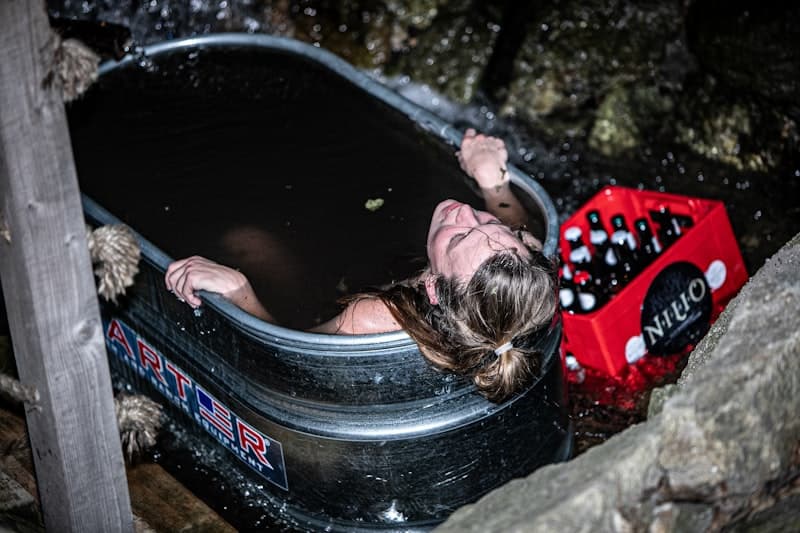
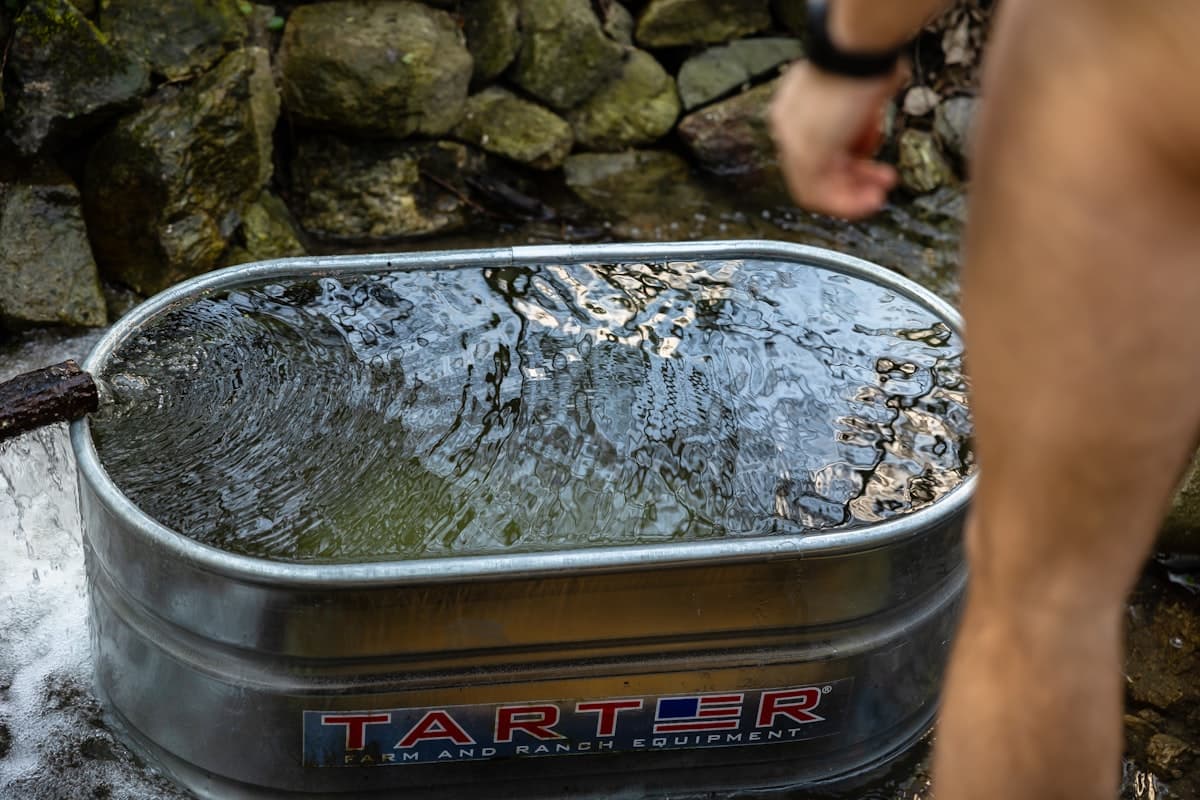
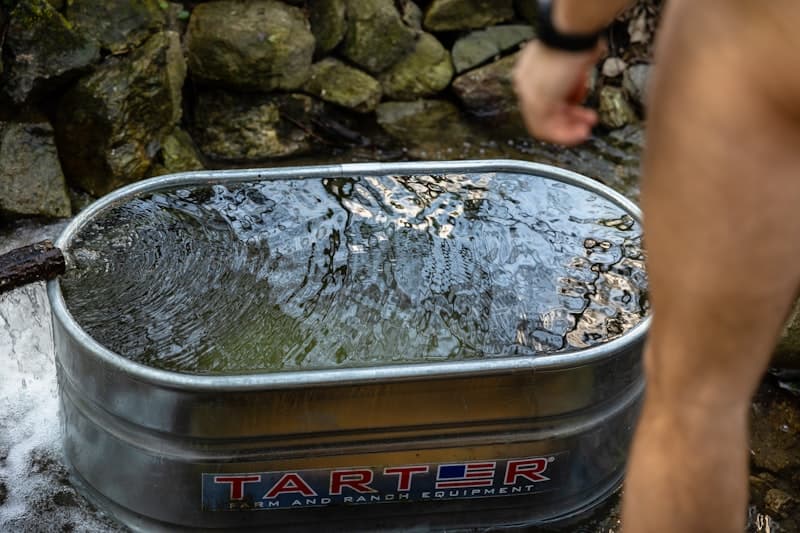
Cold plunging is a form of cold water immersion (CWI) therapy where you submerge your body -- typically from the waist or chest down -- in water between 39 and 59 degrees Fahrenheit (4 to 15 degrees Celsius) for a short period of time, usually between one and ten minutes.
It sounds simple, and in practice it is. The complexity comes from the growing mountain of research behind what happens to your body when you do it.
Cold Plunge vs Ice Bath: What Is the Difference?
People use these terms interchangeably, but they are not quite the same thing. Here is the breakdown:
| Feature | Cold Plunge | Ice Bath |
|---|---|---|
| Temperature | 39-59 degrees F (4-15 degrees C) | Typically 50-59 degrees F (10-15 degrees C) with ice added |
| Method | Purpose-built tub with active cooling/chilling | Regular tub filled with cold water and bags of ice |
| Temperature Control | Precise digital thermostat | Manual -- depends on how much ice you add |
| Convenience | Set it and forget it; always ready | 30-60 min prep each time; ice delivery needed |
| Cost | $2,000-$10,000+ for a dedicated unit | $0 (your bathtub) plus ice costs ($5-15 per session) |
| Best For | Consistent daily practice | Occasional recovery, budget-conscious users |
A cold plunge is essentially the upgraded, more convenient version of an ice bath. The cold plunge vs ice bath difference comes down to convenience and temperature control. With a dedicated cold plunge tub, you get precise, consistent temperatures without the hassle of buying and dumping ice every time. With an ice bath, you get a similar effect but more effort and less precision.
Cold showers are a third option worth knowing about, but they operate at warmer temperatures -- usually around 50-60 degrees F -- and only expose part of your body. They are a great entry point, which we will cover in detail later.
A Brief History
This is not new. Cold water therapy has been around for thousands of years. Ancient Greek physicians Hippocrates and Galen prescribed cold water treatments for a wide range of ailments. Roman bathhouses included frigidariums -- cold rooms with cold plunge pools -- right next to the hot baths. Scandinavian cultures have practiced winter swimming and ice hole plunging for centuries. The practice has deep roots across many cultures.
What is new is the scientific attention. Over the past two decades, sports medicine researchers, neuroscientists, and physiologists have published hundreds of studies on cold therapy, giving us a much clearer picture of what actually happens in the human body when you get into freezing water.
Key takeaway: Cold plunging is a specific form of cold water immersion with controlled temperatures between 39-59 degrees F. It differs from an ice bath in convenience and temperature precision, but both deliver similar physiological effects.
9 Science-Backed Cold Plunge Benefits for Your Body and Brain

This is the heart of the guide. There are a lot of claims floating around about cold plunge benefits -- some solid, some questionable. Below are nine areas where the scientific evidence is strong enough to take seriously, along with honest notes about where the research is still catching up.
1. Reduces Inflammation and Speeds Up Muscle Recovery
This is the most studied and best-supported benefit of cold water immersion. When you submerge your body in cold water, your blood vessels constrict (vasoconstriction). This reduces blood flow to the immersed areas, which limits inflammation and swelling. When you get out, your blood vessels dilate again, and the rush of fresh blood helps flush out metabolic waste products that build up during intense exercise.
A 2025 network meta-analysis published in Frontiers in Physiology, pooling 55 randomized controlled trials, found that cold water immersion significantly reduces creatine kinase (a marker of muscle damage) and delayed-onset muscle soreness while improving jump performance compared to passive recovery. The same analysis suggests moderate-temperature protocols (11-15 degrees C for 10-15 minutes) are best for soreness, while colder protocols (5-10 degrees C) work better for biochemical and neuromuscular recovery.
The practical takeaway: if you train hard and want to recover faster, cold plunging works. Athletes across virtually every sport use it for this reason.
But here is the nuance most people miss.
If your primary goal is building muscle (hypertrophy), cold plunging immediately after a strength training session may actually blunt the muscle-building response. A 2015 study in The Journal of Physiology by Roberts and colleagues found that cold water immersion after resistance training attenuated muscle fiber growth and anabolic signaling over 12 weeks compared to active recovery. The proposed mechanism: the cold reduces the inflammation and cellular stress signals that your body needs to trigger muscle growth.
This does not mean cold plunges are bad for muscle growth. It means timing matters. We will get into the specifics in the next section.
2. Boosts Dopamine and Norepinephrine (Mental Health)
This is where cold plunge mental health benefits get genuinely interesting.
A 2000 study by Srámek and colleagues in the European Journal of Applied Physiology found that one-hour head-out immersion in 57 degree F (14 degrees C) water increased plasma dopamine concentrations by about 250% and noradrenaline by 530%. Those are not typos.
For context, dopamine is your brain's primary motivation and reward molecule. It affects your mood, drive, focus, and sense of well-being. Norepinephrine sharpens attention and alertness. These are the same neurotransmitters targeted by many antidepressant medications -- just triggered naturally through cold exposure.
Andrew Huberman has discussed this research extensively on his podcast, noting that even modest cold exposure (around 60 degrees F) can produce a sustained dopamine elevation without the crash associated with stimulants like caffeine or sugar.
A 2008 hypothesis paper by Shevchuk in Medical Hypotheses proposed that adapted cold showers may help relieve depressive symptoms by sending a strong stream of impulses from peripheral cold receptors to the brain. Importantly, this was framed as a hypothesis supported only by a small, uncontrolled pilot observation -- not a controlled clinical trial -- so the evidence here is preliminary.
The honest caveat: We need more large-scale, controlled trials specifically measuring CWI for clinical depression and anxiety. The existing evidence is promising but preliminary.
3. May Support Weight Loss and Metabolism
Let's be direct: cold plunge benefits for weight loss are real, but they are modest. This is a supporting tool, not a magic solution.
The mechanism is brown adipose tissue (BAT), also called brown fat. Unlike white fat (which stores energy), brown fat burns energy to generate heat through a process called thermogenesis. When you expose your body to cold, brown fat activates to keep you warm -- and it burns calories in the process.
A 2013 study by Yoneshiro and colleagues in the Journal of Clinical Investigation demonstrated that repeated cold exposure (about 63 degrees F / 17-19 degrees C for 2 hours daily over 6 weeks) increased brown fat activity and cold-induced energy expenditure in human subjects. A related line of research involves shivering thermogenesis: work published in Nature shows that cold-activated thermogenesis is driven in part by accumulation of succinate, which helps activate brown fat -- though note this mechanistic work was largely conducted in mice.
What this means in practice:
The cold can increase your daily energy expenditure. Some estimates suggest 50-200 extra calories burned per cold plunge session, depending on temperature, duration, and your individual metabolism. Over time, this can contribute to a calorie deficit -- but it is not going to replace a sensible diet and regular exercise.
If weight management is your goal, think of cold plunging as one piece of the puzzle, not the whole picture.
4. Strengthens Immune System Response
This is one of those areas where the evidence is encouraging but still developing.
Several studies have looked at cold exposure and immune function. The most commonly cited is a 2016 Dutch randomized controlled trial in PLOS ONE (Buijze et al.), which found that people assigned to routine cold showers reported 29% fewer sick days from work compared to a control group. Worth noting: the study found a reduction in self-reported sickness absence but no significant difference in the number of actual illness days -- so this may reflect feeling more able to function rather than getting sick less often. The proposed mechanism involves a mild stress response: cold exposure triggers a temporary increase in stress hormones, which may in turn stimulate immune cell activity.
Some research suggests regular cold therapy may transiently raise levels of certain immune cells, though direct evidence in humans linking cold plunging to fewer infections remains limited.
The bottom line: It appears to give your immune system a mild, beneficial stress stimulus. It is not going to prevent you from ever catching a cold, but it may reduce how often you get sick and how quickly you recover.
5. Improves Sleep Quality
If you have ever taken a cold plunge and then slept like a rock that night, there is a physiological reason for it.
Cold exposure affects sleep through two main mechanisms. First, it lowers your core body temperature -- and a drop in core temperature is one of the key biological signals that initiates sleep. Your body naturally cools down in the evening as part of your circadian rhythm, and cold water immersion accelerates that process.
Second, cold plunging triggers a shift from your sympathetic nervous system (fight-or-flight mode) to your parasympathetic nervous system (rest-and-digest mode) after you get out. That transition promotes relaxation and makes it easier to fall and stay asleep.
The key is timing. Most experts recommend doing your cold plunge at least 1-2 hours before bed. The immediate effect of cold water is stimulating, but the rebound relaxation response is what helps with sleep. Give your body time to transition.
If sleep is a priority, you might also want to check out our magnesium supplement comparison guide -- magnesium glycinate is one of the most evidence-backed natural sleep aids, and it pairs well with cold therapy for a more complete sleep routine.
6. Enhances Circulation and Cardiovascular Health
When you get into cold water, your blood vessels constrict, pushing blood toward your core and vital organs. When you get out, they dilate, and blood rushes back to your extremities. This cycle of constriction and dilation acts like a pump for your vascular system.
Over time, this repeated stress may improve vascular elasticity -- the ability of your blood vessels to expand and contract efficiently. Some research has found that regular cold water immersion can modestly improve blood pressure regulation and overall cardiovascular function.
Think of it as exercise for your blood vessels. Just as resistance training strengthens your muscles, the thermal stress of cold exposure may condition your vascular system.
A word of caution: if you have any cardiovascular condition (high blood pressure, heart disease, arrhythmia), cold water immersion can place acute stress on your heart. This is discussed in detail in the Safety section below.
7. Builds Mental Resilience and Stress Tolerance
This benefit is harder to measure in a lab, but it may be the one that matters most.
Getting into freezing water is uncomfortable. Your first instinct is to get out. Your mind screams at you to get out. Choosing to stay -- controlled breathing, staying calm, accepting the discomfort -- is a form of intentional stress exposure, a concept scientists call hormesis.
Hormesis is the idea that small, controlled doses of stress make you more resilient to larger, uncontrolled stresses. By voluntarily subjecting yourself to the acute stress of cold water, you practice managing your nervous system's panic response. Many people report that this carries over into daily life: stressful meetings, difficult conversations, and anxiety-inducing situations feel more manageable after weeks of cold plunge practice.
There is no single study that perfectly quantifies this, but the psychological literature on stress inoculation and exposure therapy supports the general principle. And the thousands of people who report life-changing mental resilience from cold plunging are not all making it up.
8. May Improve Skin and Hair Health
The evidence here is mostly anecdotal and mechanistic, but the logic is sound.
Cold water causes your pores to constrict and your blood vessels near the skin surface to tighten. When you exit the cold, blood rushes back to the skin, potentially improving circulation and nutrient delivery to skin cells. Some dermatologists suggest this may help with skin tone and reduce puffiness.
For hair, cold water may help seal the hair cuticle, making hair appear smoother and shinier. There is also some suggestion that improved scalp circulation could support hair health, though direct clinical evidence is thin.
If you struggle with skin inflammation (acne, eczema), the anti-inflammatory effects of cold exposure discussed earlier may provide some benefit. But this should not replace actual dermatological treatment for skin conditions.
9. Supports Longevity and Cellular Health
This is the most speculative benefit on the list, but also one of the most exciting areas of research.
Cold exposure has been shown to activate cold shock proteins (CSPs) -- a family of proteins that your cells produce in response to sudden temperature drops. One of the most studied is RBM3 (RNA-binding motif protein 3), which has been shown in animal studies to protect neurons and support brain cell regeneration.
There is also emerging evidence that this kind of thermal stress may promote autophagy -- your body's cellular cleanup process, where damaged or dysfunctional cellular components are broken down and recycled. Autophagy is a key mechanism in aging research, and anything that supports it is worth paying attention to.
Research published in Nature (Mills et al., 2018) found that cold-activated thermogenesis is driven in part by accumulation of succinate, which activates brown fat and improves glucose tolerance -- linking cold exposure to metabolic health in ways that may be relevant to longevity. As with much of this mechanistic work, the strongest data come from animal models, so the longevity implications for humans remain speculative.
For more on cellular health and longevity, our guide to NMN supplements covers another major pathway for supporting cellular energy production and healthy aging. The two approaches -- cold exposure and NAD+ supplementation -- target different but complementary longevity mechanisms.
Benefits at a Glance
| Benefit | Evidence Strength | Key Mechanism | Time to Notice |
|---|---|---|---|
| Muscle recovery | Strong | Vasoconstriction, reduced inflammation | Immediate to days |
| Dopamine / mood boost | Strong | Dopamine +250%, norepinephrine +530% | Within hours |
| Weight loss support | Moderate | Brown fat activation, thermogenesis | Weeks to months |
| Immune function | Moderate | Stress hormesis, immune cell activation | Weeks |
| Sleep improvement | Moderate | Core temperature regulation, parasympathetic shift | Days to weeks |
| Circulation | Moderate | Vascular conditioning | Weeks |
| Mental resilience | Moderate (mostly anecdotal) | Hormesis, stress inoculation | Weeks |
| Skin / hair health | Preliminary | Improved circulation, pore constriction | Weeks |
| Longevity / cellular health | Early / theoretical | Cold shock proteins, autophagy | Unknown (long-term) |
Cold Plunge Before or After Workout? (Timing Matters)
This is one of the most searched questions about cold plunging, and the answer has real implications for your training results. The short version: it depends on your goal.
After Your Workout: Best for Recovery
If your priority is recovering from a hard training session -- reducing soreness, bringing down inflammation, getting back to training sooner -- cold plunging after your workout is the way to go.
The research here is reasonably strong. Cold water immersion after exercise reduces creatine kinase levels (a marker of muscle damage), decreases perceived muscle soreness, and helps restore jump performance. The 2025 Frontiers in Physiology network meta-analysis of 55 randomized trials supports this across a range of protocols.
For endurance athletes, team sport players, and anyone training at high volume, post-workout cold plunging is strongly supported by the evidence.
Before Your Workout: Not Recommended for Strength Goals
If your goal is building muscle or gaining strength, do not cold plunge right before your workout, and ideally not within 4 hours before resistance training. Here is why:
Cold exposure reduces blood flow to your muscles and may blunt the acute inflammatory response that your body needs to trigger muscle protein synthesis. The Roberts et al. (2015) study in The Journal of Physiology found that participants who used cold water immersion after resistance training gained less muscle fiber size over a 12-week period compared to those who did active recovery.
Andrew Huberman has specifically addressed this, noting that cold water immersion within 4 hours after strength training can limit hypertrophy adaptations. The inflammatory signals you are suppressing with the cold are the same signals telling your body to build bigger, stronger muscles.
Timing Guide by Training Goal
| Goal | When to Cold Plunge | Why |
|---|---|---|
| Muscle recovery (endurance/team sports) | Immediately after training or within 1 hour | Reduces inflammation, speeds recovery |
| Muscle building (hypertrophy) | 4+ hours after training, or on rest days | Avoids blunting the muscle-building inflammatory response |
| General fitness / mixed training | On rest days, or at least 4 hours post-workout | Safe middle ground |
| Mental clarity / energy | Morning, before any training | Dopamine boost carries through the day |
| Sleep improvement | Evening, 1-2 hours before bed | Parasympathetic rebound promotes sleep |
Key takeaway: The biggest mistake people make is cold plunging right after a strength workout and wondering why their muscle gains have stalled. If you are lifting for size or strength, save the cold plunge for later in the day or your rest days. If you are training for endurance or general recovery, go right ahead after your session.
Cold Plunge Temperature Guide: What Temperature Is Best?
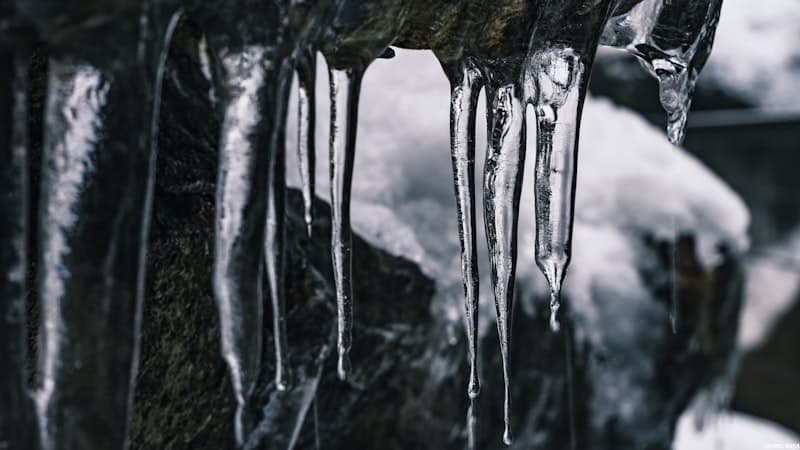
Temperature is one of the most important variables in cold plunging, and the right number depends entirely on your experience level and what you are trying to achieve.
Beginner Guidelines
If you are new to cold plunging, start at 55-60 degrees F (13-15 degrees C). This is cold enough to trigger the physiological benefits but not so cold that it feels unbearable. Many beginners expect they need to be in near-freezing water from day one. You do not. In fact, starting too cold is the fastest way to hate the experience and quit.
Intermediate and Advanced
As you adapt over weeks and months, you can gradually lower the temperature:
- Intermediate (2-4 weeks of practice): 50-55 degrees F (10-13 degrees C)
- Advanced (2+ months of regular practice): 39-50 degrees F (4-10 degrees C)
Huberman's research review suggests that significant dopamine increases occur even at 60 degrees F, while epinephrine and norepinephrine spikes are more pronounced at colder temperatures (around 40 degrees F). So you do not need to go to the extremes to get meaningful benefits.
Purpose-Based Temperature Recommendations
| Purpose | Recommended Temperature | Duration |
|---|---|---|
| Muscle recovery | 50-59 degrees F (10-15 degrees C) | 10-15 min |
| Mental health / dopamine boost | 55-60 degrees F (13-15 degrees C) | 2-5 min |
| Weight loss / metabolism | 50-59 degrees F (10-15 degrees C) | 5-10 min |
| Immune support | 50-59 degrees F (10-15 degrees C) | 2-5 min |
| Beginner introduction | 55-60 degrees F (13-15 degrees C) | 30 sec-2 min |
| Advanced practice | 39-50 degrees F (4-10 degrees C) | 2-5 min |
Temperature Adaptation Schedule
If you want to work your way down gradually, here is a safe progression:
| Week | Temperature | Duration |
|---|---|---|
| Week 1 | 60 degrees F (15 degrees C) | 30 seconds - 1 minute |
| Week 2 | 58 degrees F (14 degrees C) | 1-2 minutes |
| Week 3 | 55 degrees F (13 degrees C) | 2-3 minutes |
| Week 4 | 52 degrees F (11 degrees C) | 2-4 minutes |
| Week 5 | 50 degrees F (10 degrees C) | 3-5 minutes |
| Week 6+ | 45-50 degrees F (7-10 degrees C) | 3-5 minutes |
Do not rush this. Your body adapts over time, and there is no prize for getting to 39 degrees faster than someone else. Consistency at a comfortable temperature beats occasional heroics at an extreme one.
How Long Should You Cold Plunge? (Duration Guide)
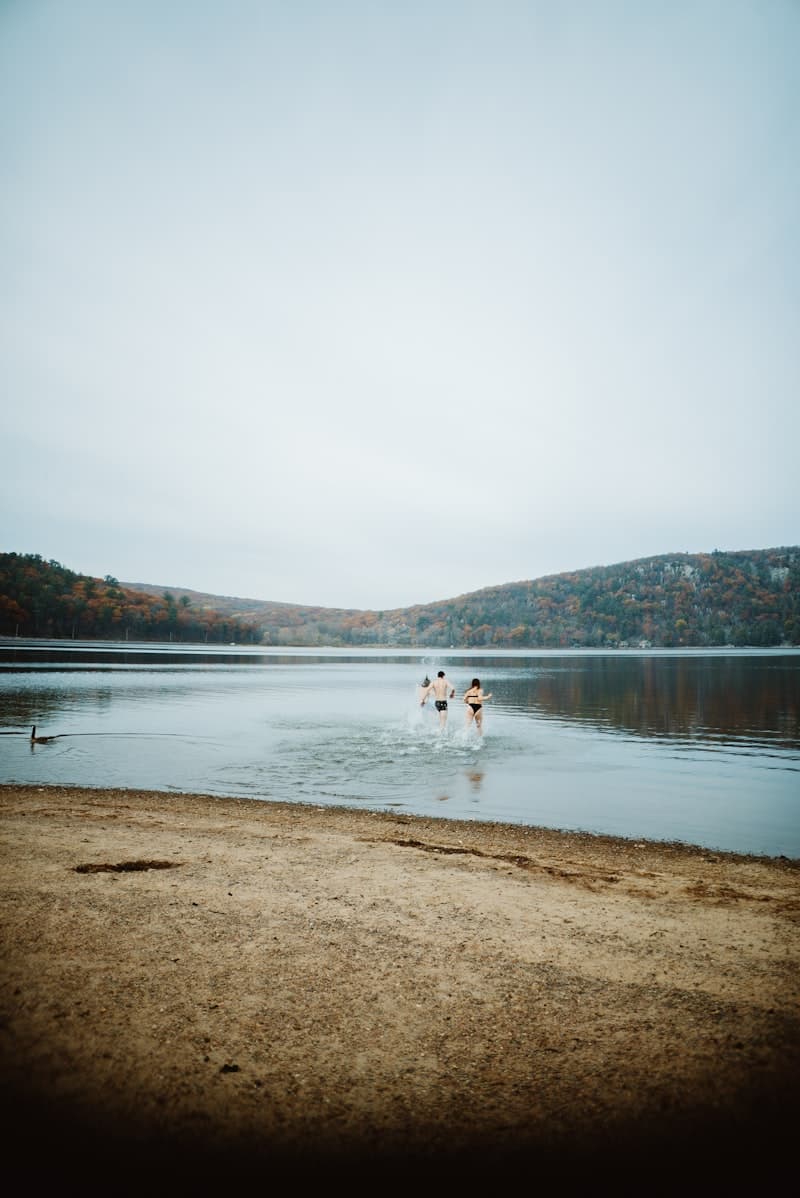
Duration is the other half of the cold plunge equation, and the philosophy here is straightforward: less is more.
Duration by Experience Level
| Experience Level | Recommended Duration | Notes |
|---|---|---|
| Beginner | 30 seconds - 2 minutes | Focus on controlled breathing. Getting in is the hardest part. |
| Intermediate | 2-5 minutes | This is the sweet spot for most benefits. |
| Advanced | 5-10 minutes | Only for well-adapted individuals. Not necessary for benefits. |
| Maximum | Do not exceed 10 minutes | Risk of hypothermia increases significantly beyond this. |
The Huberman Protocol
Andrew Huberman's recommended cold exposure protocol, based on the research he has reviewed, is roughly 11 minutes total per week, spread across 2-4 sessions. That is it. You do not need long sessions to get meaningful cold plunge benefits.
A typical breakdown might be:
- 3 sessions per week, 3-4 minutes each, or
- 4 sessions per week, 2-3 minutes each
This aligns with the research showing that brief, repeated cold exposure is more effective than infrequent, prolonged sessions. Your body adapts through consistent practice, not marathon sessions.
Warning Signs to Watch For
If you experience any of the following during a cold plunge, get out immediately:
- Numbness that does not go away after you warm up
- Shivering that becomes violent or uncontrollable
- Confusion, dizziness, or difficulty speaking clearly
- Skin turning white or waxy (early sign of frostnip)
- Sharp or radiating chest pain
These are signs that your body is struggling to maintain core temperature. Listen to your body. Always. No cold plunge session is worth risking hypothermia.
Key takeaway: You do not need to suffer for long periods. Two to five minutes at a moderate temperature, done consistently, delivers the vast majority of cold plunge benefits. The people doing 15-minute ice baths are not getting twice the results -- they are just getting twice as cold.
How to Start Cold Plunging: A Beginner's Step-by-Step Routine

You do not need to spend thousands of dollars to start cold plunging. In fact, you can start today with what you already have. Here is a realistic, progressive approach.
Step 1: Start With Cold Showers (Week 1-2)
This is the easiest entry point. No equipment, no cost, no excuses.
How to do it:
- Take your normal warm shower
- In the last 30 seconds, turn the water to cold
- Stand under it. Breathe. Do not gasp.
- Each day, add 15-30 seconds of cold time
The goal here is not to become immune to cold. It is to train your mind to stay calm when your body wants to panic. That controlled breathing response is the foundation of everything that comes after.
Step 2: Transition to an Ice Bath (Week 3-4)
If cold showers feel manageable, the next step is a standard bathtub with ice.
How to do it:
- Fill your bathtub with cold water
- Add 1-2 bags of ice (available at most gas stations or grocery stores for $3-5 each)
- Wait 10-15 minutes for the water to cool
- Aim for 55-60 degrees F (use a thermometer if you can)
- Get in for 1-3 minutes
A simple thermometer from Amazon ($10-15) takes the guesswork out of the temperature. Knowing your actual water temperature makes the experience less intimidating and more controlled.
Step 3: Explore a Dedicated Cold Plunge Setup (Month 2+)
If you are consistently doing ice baths and want to make this a daily practice, a dedicated cold plunge tub becomes worth considering. Options range from affordable DIY setups (a livestock stock tank + a small chiller, around $200-500) to premium units with precise temperature control ($2,000-10,000+).
You do not need to rush this step. Many people get excellent results from cold showers and ice baths alone.
Week-by-Week Progression Plan
| Week | Method | Temperature | Duration | Frequency |
|---|---|---|---|---|
| Week 1 | Cold shower (last 30 sec) | ~55-60 degrees F | 30 seconds | Daily |
| Week 2 | Cold shower (last 1-2 min) | ~55-60 degrees F | 1-2 minutes | Daily |
| Week 3 | Ice bath | 57-60 degrees F | 1-2 minutes | 3x per week |
| Week 4 | Ice bath | 55-57 degrees F | 2-3 minutes | 3x per week |
| Week 5 | Ice bath or cold plunge | 52-55 degrees F | 3-4 minutes | 3-4x per week |
| Week 6 | Ice bath or cold plunge | 50-55 degrees F | 3-5 minutes | 3-4x per week |
| Week 7+ | Cold plunge | 45-50 degrees F | 3-5 minutes | 3-4x per week |
Breathing Technique
How you breathe during a cold plunge makes a huge difference. Here is a simple framework:
Before you get in:
- Take 5-10 slow, deep breaths
- Inhale through your nose for 4 counts, exhale through your mouth for 6 counts
- This activates your parasympathetic nervous system before the cold hits
While you are in:
- Expect an initial gasp reflex -- that sharp inhale is normal
- Fight the urge to hyperventilate. Slow your breathing down
- Inhale through your nose, exhale slowly through your mouth
- Focus on making your exhale longer than your inhale
After you get out:
- Do not jump into a hot shower immediately. Let your body warm up naturally
- Light movement (walking, arm circles) helps restore circulation
- Warm clothes, a hot drink, and 10-15 minutes is usually enough
The Søeberg Principle, discussed by Huberman, suggests that letting your body warm up naturally after cold exposure (rather than using external heat) may enhance the metabolic and resilience benefits. Resist the urge to immediately jump into a hot shower.
Building This Into a Routine
If you are looking for a simple way to combine cold therapy with your fitness routine, check out our creatine guide for women -- it covers another evidence-backed tool that complements cold plunging for recovery, performance, and overall wellness. Together, creatine supplementation and regular cold exposure address different aspects of recovery and performance.
Cold Plunge Safety: Who Should Avoid It and Why

Cold plunging is safe for most healthy people, but it is not safe for everyone. Here is what you need to know before you start.
Who Should NOT Cold Plunge
Talk to your doctor before trying cold plunging if you have any of the following conditions:
- Cardiovascular disease -- Cold water immersion causes a sudden spike in heart rate and blood pressure. If you have heart disease, arrhythmia, or uncontrolled hypertension, this stress can be dangerous.
- Raynaud's disease -- This condition causes exaggerated blood vessel constriction in response to cold. Cold water immersion can trigger severe episodes.
- Hypotension (low blood pressure) -- Cold exposure raises blood pressure initially, then it drops as your blood vessels dilate after you get out. This can cause fainting in people who already have low blood pressure.
- Pregnancy -- The stress of cold immersion on the cardiovascular system is not well studied in pregnant women. Most healthcare providers recommend avoiding it.
- Open wounds or recent surgery -- Cold exposure impairs wound healing and increases infection risk for open skin.
- Cold urticaria -- A condition where cold triggers hives and allergic-type reactions. Obviously incompatible with cold plunging.
Common Side Effects
Even for healthy people, cold plunging can produce temporary side effects:
- Cold shock response -- Gasping, hyperventilation, and a spike in heart rate during the first 30-60 seconds. This is normal and subsides as you adapt.
- Skin redness -- Your skin may be red and tingly for 10-30 minutes after. This is blood returning to the surface and is harmless.
- Temporary numbness -- Fingers and toes may feel numb for a short while. If numbness persists for more than 30 minutes, consult a doctor.
- Mild headache -- Some people experience a brief headache from the sudden cold. Usually resolves quickly.
Five Safety Rules
-
Never cold plunge alone -- Always have someone nearby, especially when you are just starting out. If something goes wrong (fainting, extreme cold reaction), you need someone who can help.
-
Set a timer -- It is easy to lose track of time in cold water. Set a timer on your phone before you get in. Do not rely on how you "feel" to judge duration.
-
Enter gradually -- Do not jump in. Ease yourself in feet first, then legs, then waist, then chest. Give your body time to adjust at each level.
-
Listen to your body -- If something feels wrong (extreme pain, chest tightness, confusion), get out. Immediately. No cold plunge session is worth risking your health.
-
Avoid alcohol before and after -- Alcohol impairs your body's ability to regulate temperature and masks the warning signs of hypothermia. This combination is genuinely dangerous.
When in doubt, ask your doctor. If you have any chronic health condition, take medication, or are unsure whether cold plunging is safe for you, a 10-minute conversation with your healthcare provider is worth more than any article on the internet -- including this one.
Cold Shower vs Cold Plunge: Which Is Better?

This comes up a lot. If cold showers are free and easy, why would anyone invest time and money into cold plunging?
The honest answer: cold showers are a great starting point, but cold plunges deliver a stronger physiological stimulus. Here is how they compare:
Cold Shower vs Cold Plunge
| Feature | Cold Shower | Cold Plunge |
|---|---|---|
| Temperature | ~50-60 degrees F | 39-59 degrees F |
| Body coverage | Partial (water hits certain areas) | Full immersion from waist/chest down |
| Convenience | Very high -- you already have a shower | Lower -- requires setup, ice, or equipment |
| Cost | Free (included in your water bill) | $0 (bathtub + ice) to $10,000+ (premium tubs) |
| Dopamine response | Moderate | Strong |
| Muscle recovery benefit | Mild | Significant |
| Time commitment | 1-3 minutes | 2-10 minutes plus setup |
| Best for | Daily practice, beginners, mental resilience | Recovery, deeper cold adaptation, consistent practice |
My Recommendation
Start with cold showers. Build the habit. Prove to yourself that you can handle the discomfort regularly. Then, when you want more -- colder temperatures, full-body immersion, better recovery benefits -- transition to ice baths or a cold plunge.
You do not need to choose one or the other permanently. Many experienced practitioners use both: cold showers on days when time is tight, and cold plunges on training days or weekends when they have more time.
The best cold exposure method is the one you will actually do consistently. A daily 2-minute cold shower beats a cold plunge you do once a month.
Final Takeaway

Cold plunging is not just a trend. The research supports it as a legitimate health practice with measurable benefits for muscle recovery, mood, inflammation, and possibly much more. The dopamine increase alone -- sustained for hours from just a few minutes of cold exposure -- is one of the most reliable and accessible mood-enhancing tools available.
Here is what the science supports most strongly:
- Muscle recovery and inflammation reduction -- The most researched benefit, with strong evidence across multiple sports and populations
- Dopamine and norepinephrine elevation -- A 250% dopamine increase from cold water immersion, sustained for hours
- Improved recovery timing for endurance athletes -- Post-workout cold plunging consistently outperforms passive recovery
And here is what is still uncertain:
- The degree of weight loss support (real but modest)
- Long-term immune system effects (promising but needs more data)
- Longevity and cellular health claims (exciting but largely theoretical at this point)
The most important thing I can tell you is this: you do not need to be extreme to get benefits. You do not need a $5,000 tub. You do not need to sit in 39-degree water for 15 minutes. Two to five minutes in moderately cold water, done consistently, delivers the vast majority of cold plunge benefits that the research supports. Consistency beats intensity, every time.
If you have been on the fence, start with a cold shower tomorrow morning. Thirty seconds at the end of your normal shower. See how you feel. That is genuinely enough to begin.
Have you tried cold plunging? Drop your experience in the comments below -- I would love to hear what worked (or did not work) for you.
And if you know someone who still thinks cold plunging is just a fad, share this article with them. The science might surprise them.
You might also like:
- Magnesium Glycinate vs Threonate vs Citrate: Which Is Best? (2026)
- Best NMN Supplements in 2026: Science-Backed Guide
- Creatine for Women: The Complete Science-Backed Guide (2026)
Frequently Asked Questions
How cold does a cold plunge need to be?
Most research uses temperatures between 39 and 59 degrees F (4-15 degrees C). Beginners should start at 55-60 degrees F and work their way down. You do not need to be at the extreme end to get benefits. Even 60-degree water produces meaningful dopamine increases.
How long should a beginner cold plunge?
Start with 30 seconds to 2 minutes. That is genuinely enough for your first few sessions. Gradually increase duration as your body adapts. Most people find their sweet spot at 3-5 minutes after a few weeks of regular practice.
Can I cold plunge every day?
Yes, for most healthy people, daily cold exposure is safe. Huberman's protocol suggests 11 minutes total per week spread across multiple sessions, which amounts to roughly 3-4 sessions per week. Daily practice is fine if you enjoy it, but you do not need to do it every day to see benefits.
Does cold plunging burn fat?
It can contribute to fat loss through brown fat activation and increased thermogenesis, but the effect is modest. Cold plunging might burn an extra 50-200 calories per session. It is a supporting tool for weight management, not a replacement for diet and exercise.
Should I cold plunge before or after a workout?
It depends on your goal. For recovery (endurance, team sports), plunge after your workout. For muscle building (hypertrophy, strength gains), wait at least 4 hours after resistance training, or plunge on rest days. Plunging immediately after lifting may blunt the muscle-building response.
Is cold plunging safe during pregnancy?
Most healthcare providers recommend avoiding cold water immersion during pregnancy due to the cardiovascular stress it places on the body. The research on cold exposure during pregnancy is essentially nonexistent. Talk to your OB-GYN before trying it.
What is the best time of day to cold plunge?
Morning is the most popular time because the dopamine boost carries through the day. If your goal is better sleep, try cold plunging 1-2 hours before bed -- the parasympathetic rebound after cold exposure promotes relaxation. Avoid cold plunging right before bed, as the initial stimulation can make it harder to fall asleep.
Do I need a cold plunge tub, or can I just use my bathtub?
Your bathtub with ice works perfectly well. Add 1-2 bags of ice to cold water, wait 10-15 minutes, and you have an effective cold plunge setup for a few dollars. Dedicated tubs offer convenience and precise temperature control but are not necessary to get started.
Can children or teenagers cold plunge?
There is limited research on cold water immersion in pediatric populations. Cold plunging places significant stress on the cardiovascular system, and children's bodies regulate temperature differently than adults. Consult a pediatrician before allowing anyone under 18 to practice cold water immersion.
How is cold plunging different from cryotherapy?
Whole-body cryotherapy (WBC) uses extremely cold air (around -200 to -300 degrees F) in a specialized chamber for 2-3 minutes. Cold plunging uses cold water at 39-59 degrees F for 2-10 minutes. Both trigger similar physiological responses, but cryotherapy is drier, shorter, and typically more expensive per session. Some research suggests water conducts cold more efficiently than air, meaning cold plunging may deliver a more effective thermal stimulus at a less extreme temperature.
References
- Han Z, et al. Impact of different doses of cold water immersion on recovery from acute exercise-induced muscle damage: a network meta-analysis. Frontiers in Physiology, 2025.
- Roberts LA, et al. Post-exercise cold water immersion attenuates acute anabolic signalling and long-term adaptations in muscle to strength training. The Journal of Physiology, 2015.
- Šrámek P, et al. Human physiological responses to immersion into water of different temperatures. European Journal of Applied Physiology, 2000.
- Shevchuk NA. Adapted cold shower as a potential treatment for depression. Medical Hypotheses, 2008.
- Yoneshiro T, et al. Recruited brown adipose tissue as an antiobesity agent in humans. Journal of Clinical Investigation, 2013.
- Mills EL, et al. Accumulation of succinate controls activation of adipose tissue thermogenesis. Nature, 2018.
- Buijze GA, et al. The Effect of Cold Showering on Health and Work: A Randomized Controlled Trial. PLOS ONE, 2016.
This article is for informational purposes only and does not constitute medical advice, diagnosis, or treatment. Always consult a qualified healthcare professional before starting any new health practice, especially if you are pregnant, nursing, taking medication, or have a chronic health condition.
Ashwagandha Benefits: What Science Actually Says (2026 Guide)
Next →Cold Plunge vs Sauna: Science-Backed Benefits, Risks & How to Choose (2026 Guide)
Related Posts

Cold Plunge vs Sauna: Science-Backed Benefits, Risks & How to Choose (2026 Guide)

Epsom Salt Bath vs Ice Bath: Which Is Better for Muscle Recovery? (Science-Backed 2026 Guide)