Dehumidifier vs Clothes Dryer: Complete Comparison Guide (2026)
Confused between a dehumidifier and clothes dryer? Our 2026 guide breaks down the key differences, pros and cons, energy costs, and recommendations to help you choose the right appliance.
Dehumidifier vs Clothes Dryer: Complete Comparison Guide (2026)
When humid season approaches, many of us struggle with moisture problems. Condensation on windows, clothes that won't dry, and the constant worry about mold growth... At times like these, you might find yourself torn between choosing a dehumidifier or a clothes dryer.
Dehumidifier vs clothes dryer — both deal with moisture, but they actually serve completely different purposes. In this guide, we'll break down everything you need to know about these two appliances: how they work, their pros and cons, energy cost comparisons, and recommendations based on your specific situation. By the end, you'll know exactly which one is right for you.
What's the Fundamental Difference?
How Does a Dehumidifier Work?
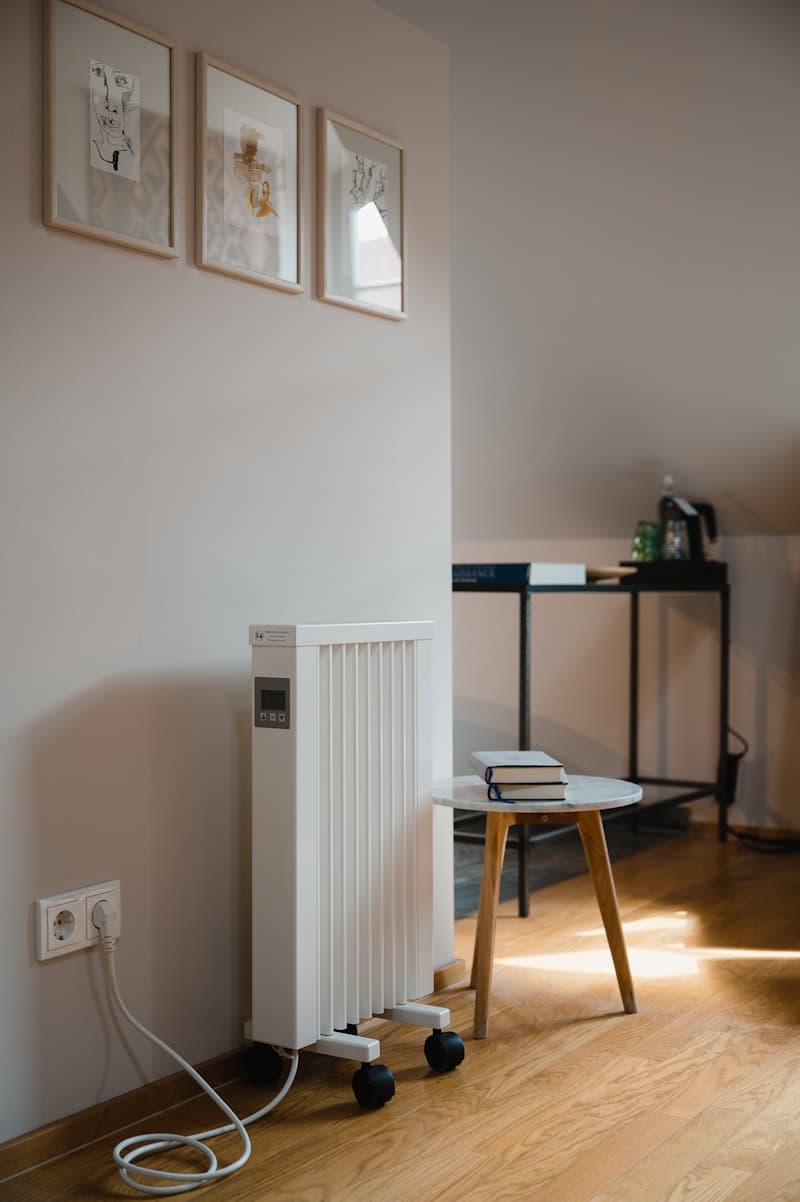
A dehumidifier removes excess moisture from the air and converts it into water. Simply put, it sucks humid air from your room and releases dry air back.
There are two main types of dehumidifiers:
- Compressor (Refrigerant) Dehumidifiers: These use refrigerant to cool the air and condense water droplets. They're efficient at room temperature and consume less power, making them the most popular choice.
- Desiccant Dehumidifiers: These use moisture-absorbing materials that are heated to release the trapped water. They work well in low temperatures and are lightweight, but tend to be noisier and consume more power.
The primary purpose of a dehumidifier is indoor humidity control. It excels at managing humidity during rainy seasons, preventing mold growth, and eliminating condensation.
How Does a Clothes Dryer Work?
A clothes dryer (also called a tumble dryer) uses heated air to evaporate moisture from wet clothes quickly. After spinning clothes in your washing machine, you transfer them to the dryer, and within 1-2 hours, you have completely dry clothes.
Clothes dryers also come in different types:
- Gas Dryers: Use gas combustion to generate heat. They're fast and economical but require complex installation.
- Electric Dryers: Use electric heaters to produce heat. Easy to install but higher electricity costs.
- Heat Pump Dryers: The latest technology with excellent energy efficiency and gentle fabric care, but with a higher upfront cost.
The primary purpose of a clothes dryer is laundry drying. You can dry clothes anytime, regardless of the weather.
Dehumidifier vs Clothes Dryer: Pros and Cons
Dehumidifier Pros and Cons
Pros
- Indoor humidity control: Lowers humidity throughout the entire room for a comfortable environment
- Mold prevention: Keeping humidity below 60% prevents mold growth
- Condensation solution: Solves window condensation problems in winter
- Air purification: Many modern models include air purification features
- Portable: Wheels allow you to move it from room to room
- Affordable: Available from around $100
Cons
- Slow laundry drying: Takes 4-8 hours to dry clothes
- Noise: Compressor models produce 40-50dB of noise
- Water tank maintenance: Stops automatically when the tank is full, requiring regular emptying
- Inefficient for large loads: Difficult to dry large items like bedding
Clothes Dryer Pros and Cons
Pros
- Fast laundry drying: Clothes are completely dry in 1-2 hours
- Weather-independent: Dry clothes regardless of rain or winter weather
- Sanitization: High-temperature drying eliminates bacteria and dust mites
- Wrinkle reduction: Clothes come out soft with fewer wrinkles
- Lint removal: Lint filters trap dust and pet hair from clothes
Cons
- Indoor humidity increase: Venting indoors can raise humidity (except heat pump models)
- High power consumption: Significantly higher electricity costs than dehumidifiers
- Installation space: Requires permanent space next to your washing machine
- Higher price: Ranges from $300 to $1,500
- Not portable: Difficult to move once installed
Comparison Table: Dehumidifier vs Clothes Dryer at a Glance
| Feature | Dehumidifier | Clothes Dryer |
|---|---|---|
| Primary purpose | Indoor humidity control, mold prevention | Laundry drying |
| Laundry drying speed | 4-8 hours (slow) | 1-2 hours (fast) |
| Indoor humidity impact | Lowers humidity | May increase humidity (except heat pump) |
| Energy cost | Lower (~$0.10-0.20/hour) | Higher (~$0.30-0.50/hour) |
| Installation space | Small (portable) | Large (fixed installation) |
| Price range | $100-500 | $300-1,500 |
| Additional features | Air purification, sanitization | Sanitization, wrinkle reduction |
| Best for | Humidity concerns, apartment living | Large families, busy households |
See the difference? If humidity control is your main goal, go with a dehumidifier. If laundry drying is your priority, choose a clothes dryer.
Energy Cost Comparison: Which is More Economical?
Dehumidifier Energy Costs
Dehumidifiers typically consume 200W-500W of power. Running one hour costs approximately $0.10-0.20 in electricity.
Monthly estimated cost (8 hours daily use):
- Daily: ~$0.80-1.60
- Monthly: ~$24-48
Costs vary based on capacity and usage environment. For studio apartments, a 6-10 liter capacity is sufficient and more economical to operate.
Clothes Dryer Energy Costs
Clothes dryers consume significantly more power: 1,500W-3,000W. One drying cycle (about 1.5 hours) costs approximately $0.30-0.50 in electricity.
Monthly estimated cost (3 uses per week):
- Per cycle: ~$0.45-0.75
- Monthly: ~$5.40-9.00
While clothes dryers cost more per use, dehumidifiers often run continuously during humid seasons, so total monthly costs may be similar.
Energy-Saving Tips
Dehumidifier Tips
- Switch to auto mode once optimal humidity (40-60%) is reached
- Close doors and windows for better efficiency
- Connect a continuous drainage hose to avoid frequent tank emptying
Clothes Dryer Tips
- Spin clothes thoroughly before drying to reduce time
- Don't overload — fill to about 70% capacity
- Consider heat pump models — higher upfront cost but half the energy consumption
Situation-Based Recommendations

When to Choose a Dehumidifier
- Studio/1-bedroom apartment living: Limited space makes portable dehumidifiers ideal
- Serious humidity concerns: If condensation and musty odors are urgent problems, a dehumidifier is essential
- Limited budget: Available from around $100
- Light laundry needs: Occasional clothes drying can be handled by a dehumidifier
- Basement/semi-basement living: Essential for naturally humid spaces
When to Choose a Clothes Dryer
- Family with children: Daily laundry piles make dryers much more efficient
- Working couples: Dry laundry at night regardless of weather
- No outdoor drying space: If you only have indoor drying racks, a dryer is the answer
- Sanitization priority: Recommended for baby clothes and allergy sufferers
- Laundry drying is the main goal: If you need dry clothes more than humidity control
Should You Use Both?
Yes, using both together creates a synergistic effect. Clothes dryers can increase indoor humidity, but running a dehumidifier simultaneously maintains a comfortable environment.
This combination is especially optimal during rainy seasons: dry clothes with the dryer while managing indoor humidity with the dehumidifier. Just consider your budget and available space.
Top 3 Dehumidifier Recommendations (2026)
1. Winix Dehumidifier (Best Value)
Features:
- 10-liter capacity, ideal for studios
- Compressor type with quiet operation
- Built-in air purification
- Price: $150-200
The most popular choice for singles and studio apartments. Great balance of value and performance.
2. Xiaomi Mijia Dehumidifier (Smart Features)
Features:
- Smartphone app control for remote operation
- 22-liter capacity covers larger spaces
- Strong performance even at low temperatures
- Price: $200-300
Great choice if you want IoT features. Turn it on before you get home to arrive at a comfortable environment.
3. LG PuriCare Dehumidifier (Premium)
Features:
- 30-liter large capacity
- AI drying for optimal dehumidification
- Low-noise inverter motor
- Price: $400-500
Recommended for larger homes or those wanting high performance. Quiet and powerful.
Top 3 Clothes Dryer Recommendations (2026)
1. Samsung Grande Dryer (Best Value)
Features:
- 9kg capacity, suitable for families of 4
- Heat pump technology with 1st grade energy efficiency
- Sanitizing dry cycle
- Price: $500-700
The Samsung Grande series is popular for its value and reliability.
2. LG Trom Dryer (Premium)
Features:
- 10kg large capacity
- AI DD motor for quiet operation
- Steam sanitization function
- Price: $700-1,000
Great choice if you want premium features and performance. Gentle on fabrics too.
3. Winia All-in-One Washer Dryer (Space Saver)
Features:
- Combined washer + dryer unit
- Significant space savings
- Drum type for wash and dry in one go
- Price: $800-1,200
The answer for homes with limited space. Wash and dry in a single cycle.
Usage Tips
Efficient Dehumidifier Use
- Close doors: Closing room doors more than doubles dehumidification efficiency
- Set optimal humidity: 40-60% is comfortable and energy-efficient
- Continuous drainage: Connect a hose to your drain for hassle-free operation
- Filter cleaning: Clean filters every two weeks to maintain performance
Efficient Clothes Dryer Use
- Spin first: Thoroughly spin clothes before drying to reduce time
- Optimal load: Fill to about 70% capacity for best results
- Lint filter: Clean the lint filter after every use
- Shake before loading: Give clothes a quick shake to reduce wrinkles
Frequently Asked Questions
Q1. Can I dry clothes with a dehumidifier? Yes, you can. Place the dehumidifier near your clothes and use "laundry dry" mode. However, it takes longer than a clothes dryer — typically 4-8 hours, so plan accordingly.
Q2. Can I use both a dehumidifier and clothes dryer together? Yes, this is actually effective. The dehumidifier removes the moisture produced by the clothes dryer. This is especially helpful in small spaces to prevent humidity spikes.
Q3. What dehumidifier capacity do I need for a studio apartment? For a studio, 6-10 liters capacity is appropriate. Under 300 sq ft: 6 liters. 300-500 sq ft: 10 liters. Too large is wasteful; too small won't be effective.
Q4. How often do I need to empty the dehumidifier tank? During humid seasons, you may need to empty it 1-2 times daily. Humidity levels affect how quickly the tank fills. Connect a continuous drainage hose for hassle-free operation.
Q5. What's the electricity cost difference between clothes dryers and dehumidifiers? Clothes dryers cost about 2-3 times more per hour. Dehumidifiers: ~$0.10-0.20/hour. Clothes dryers: ~$0.30-0.50/hour. However, clothes dryers are used less frequently while dehumidifiers run longer, so monthly costs may be similar.
Conclusion
Dehumidifier vs clothes dryer — is your decision clearer now?
To summarize:
- If humidity control, mold prevention, and space efficiency matter most → Dehumidifier (recommended for studios, singles)
- If fast laundry drying regardless of weather matters most → Clothes dryer (recommended for families, heavy laundry loads)
Consider your budget, space, and primary purpose to choose the right product. And if needed, using both is also a great option.
If this guide helped you, share your situation in the comments for personalized recommendations!
Related Articles:
- [Complete Guide to Indoor Mold Removal]
- [10 Ways to Save on Summer Electricity Bills]
- [Air Fryer vs Oven Comparison: Which is Better?]
Strength Training for Beginners: Complete Science-Backed Guide (2026)
Next →Ashwagandha Benefits: What Science Actually Says (2026 Guide)