Does Vitamin C Help Collagen Absorption? The Synthesis Myth, Explained
Vitamin C does not help collagen absorption — it helps build it. Learn the absorption vs. synthesis science and how to take collagen correctly.
Does Vitamin C Help Collagen Absorption? The Synthesis Myth, Explained

Pick up any collagen supplement at the store and there is a solid chance you will see "Vitamin C Added!" splashed across the front. It has practically become a marketing standard. Head over to Reddit's r/Supplements and you will find the same question posted over and over: "Do I need to take vitamin C with my collagen?" The answers are all over the place.
Most people assume vitamin C helps your body absorb collagen. It sounds logical. Vitamin C is good for you, collagen is good for you, so taking them together should mean your body soaks up more collagen. Makes sense, right?
That is the single most common misunderstanding about collagen supplements. And honestly, I do not blame anyone for thinking it. The messaging everywhere — from supplement labels to blog posts to influencer videos — makes it seem obvious. The question of whether does vitamin C help collagen absorption is one of the most searched supplement questions online. But when I went through the published research, the reality turned out to be quite different — and a lot more interesting than I expected.
Here is the short version: vitamin C does not help you absorb collagen. It helps you build it. Those are two completely different biological processes, and understanding that difference changes how you should think about taking your supplements — and where you spend your money.
If you are new to collagen supplements altogether, start with our Collagen Peptides Benefits: Complete Science Guide for the full overview of what collagen can and cannot do. This article zooms in on one specific question that keeps confusing people: does vitamin C help collagen absorption, or does it do something else entirely?
Let me walk you through what the science actually says.
The Quick Answer — Does Vitamin C Help Collagen Absorption?
No — vitamin C does not help your body absorb collagen supplements. If you are wondering does vitamin C help collagen absorption supplements work better, the research is clear: collagen peptides are already hydrolyzed, meaning they have been pre-broken down into small peptide chains that your body absorbs efficiently on their own. Hydrolyzed collagen is reported to have high assimilation — around 80% — and good absorption at the intestinal level, and a randomized crossover study confirmed that collagen di- and tripeptides appear in the human bloodstream after intake — none of which depends on whether vitamin C is present.
What vitamin C actually does is help your body synthesize new collagen. It is a required cofactor for lysyl hydroxylase and prolyl hydroxylase, the enzymes that build collagen molecules inside your cells. Without vitamin C, those enzymes cannot function properly. With it, they can.
Your body handles these two processes in completely different ways:
| Question | Answer |
|---|---|
| Does vitamin C help absorb collagen? | No. Collagen peptides are already hydrolyzed and absorb well on their own. |
| What does vitamin C do for collagen? | It is an essential cofactor for collagen synthesis — building new collagen in your body. |
| Do you need vitamin C with collagen supplements? | Not for absorption, but adequate vitamin C intake supports your body's collagen production. |
| Can you take collagen without vitamin C? | Yes, it will be absorbed. But your body needs vitamin C to produce its own collagen. |
| How much vitamin C do you need? | 75-90mg/day (RDA). One orange or bell pepper covers it. |
| Should you take them at the same time? | Not necessary. With adequate intake your body maintains a vitamin C pool, so timing does not matter. |
Notice the pattern. Absorption works fine without vitamin C. Synthesis does not. That distinction is the whole story, and it is where most of the online confusion comes from.
Collagen Absorption vs. Collagen Synthesis — Why the Difference Matters
This is the part that most online articles gloss over or get wrong entirely. I want to break it down clearly because once you understand the difference between absorption and synthesis, everything else in this article clicks into place.

What "Absorption" Actually Means
When you drink a collagen peptide powder mixed into your morning coffee or a glass of water, those peptides travel through your stomach and into your small intestine. Because they have already been hydrolyzed — broken down into small chains of 2 to 10 amino acids — they pass through your intestinal wall and into your bloodstream without much effort.
Research on hydrolyzed collagen peptides reports assimilation around 80% with good intestinal absorption. Your digestive system handles this process efficiently on its own, and vitamin C plays no role in it. The peptides are small enough to be absorbed independently. That is the entire point of hydrolyzing collagen in the first place — it makes the molecules easy for your gut to take in.
Once absorbed, those peptides circulate through your bloodstream and distribute to tissues like skin, joints, and bones. Again, vitamin C is not involved in this delivery step.
Think of it like this. Imagine a construction site. Collagen peptides are the bricks being delivered. Your digestive system is the delivery truck. The truck drops off the bricks just fine on its own — no help needed. Vitamin C? That comes later. It is the mortar your crew uses when they actually start building walls.
What "Synthesis" Means — And Where Vitamin C Comes In
Here is where vitamin C enters the picture, and the biology is genuinely fascinating.
Collagen synthesis is the process of building new collagen molecules inside your cells. Specialized cells called fibroblasts take amino acids — primarily glycine, proline, and lysine — and assemble them into procollagen chains. These chains then twist into the famous triple-helix structure that gives collagen its strength and stability.
But there is a critical step in the middle. Before the triple helix can form properly, certain amino acids need to be modified. Proline gets converted to hydroxyproline. Lysine gets converted to hydroxylysine. These modifications are what make collagen molecules strong enough to function as structural support in your skin, bones, and tendons.
The enzymes that perform these conversions are called prolyl hydroxylase and lysyl hydroxylase. Both of them require vitamin C as a cofactor. Without vitamin C, these enzymes stall out. The collagen molecules your body tries to produce end up weak and unstable. They cannot form proper fibers, and the whole structural framework suffers.
This is not some theoretical concern. It is the exact mechanism behind scurvy — the disease sailors used to get on long ocean voyages without fresh fruits or vegetables. Scurvy is essentially a severe vitamin C deficiency, and according to the NIH-affiliated Harvard nutrition reference its symptoms result from loss of collagen that weakens connective tissues. Blood vessels weaken, gums bleed, wounds refuse to heal. The historical cure? Lemon juice. The British Navy figured this out in the 18th century, long before anyone knew what vitamin C was. They just knew citrus kept their sailors alive.
So the bottom line is this: your body absorbs collagen peptides just fine without vitamin C. But your body cannot build its own collagen without vitamin C. Two completely different processes. One does not require it. The other absolutely depends on it.
Do You Need Vitamin C to Absorb Collagen Powder?
Let me answer this one directly, because it is the question I see most often — and probably the reason you are reading this article.
No, you do not need vitamin C to absorb collagen powder. Your body absorbs hydrolyzed collagen peptides efficiently regardless of whether you take vitamin C at the same time.
The absorption process is mechanical — your gut takes in those small peptides and passes them into your bloodstream. A randomized crossover study confirmed that collagen-derived di- and tripeptides reach the human bloodstream after intake, and vitamin C is not part of that uptake step. (Worth noting: no large head-to-head trial has directly compared collagen peptide blood levels with and without co-administered vitamin C, so this conclusion rests on the established biochemistry of how hydrolyzed peptides are absorbed rather than a dedicated comparison.)
But — and this is an important but — having adequate vitamin C in your system does help your body use those absorbed peptides to build new collagen. It is a two-step process:
- Step 1 — Absorption: Your gut absorbs collagen peptides into your bloodstream. Works great on its own.
- Step 2 — Utilization: Your cells use those amino acids, along with vitamin C, to synthesize new collagen fibers. This step benefits from vitamin C.
For the full breakdown of how collagen peptides work in your body, see our Collagen Peptides Benefits Guide.
Here is what I want you to take away: most people already get enough vitamin C from their regular diet to cover step 2. The RDA is 75mg for women and 90mg for men per day. One medium orange gives you about 70mg. Half a red bell pepper gets you 95mg. A single cup of strawberries provides around 85mg. If you eat even a modest amount of fruits and vegetables, you are almost certainly covered.
That collagen supplement with "Vitamin C Added!" printed on the front label? It is a marketing feature, not a nutritional necessity. You are usually better off buying a standalone, high-quality collagen peptide powder and spending the savings on a better-sourced product or a higher dose.
The Science — How Vitamin C and Collagen Actually Work Together
Now let me walk through the full process step by step. This is the part I find genuinely cool, and it helps explain why the "absorption vs. synthesis" confusion exists in the first place.

The 4-Step Process
| Step | What Happens | Vitamin C Required? |
|---|---|---|
| 1. Ingestion & Digestion | Collagen peptides enter your stomach, get further broken down into di- and tri-peptides and free amino acids | No |
| 2. Absorption & Distribution | Peptides pass through the intestinal wall into the bloodstream, then travel to skin, joints, bones | No |
| 3. Signaling | Peptides stimulate fibroblasts (the cells that make collagen) to ramp up collagen production | No |
| 4. Synthesis | Fibroblasts assemble amino acids into new collagen molecules — prolyl and lysyl hydroxylase enzymes modify them for stability | Yes — essential |
Vitamin C is involved in step 4 only. Steps 1 through 3 — ingestion, absorption, distribution, and signaling — all happen without it.
There is one more thing worth knowing. Vitamin C does not just help make new collagen. It also helps protect the collagen you already have. As one of the most potent antioxidants in the skin, vitamin C neutralizes oxidative stress and helps protect against photoaging from UV exposure that would otherwise accelerate the breakdown of existing collagen fibers. So it plays a dual role: building new collagen and slowing the breakdown of what is already there.
Nutrient absorption is more complex than most people realize — our Probiotics vs Prebiotics guide explains how gut health affects how well your body uses what you eat, which is worth understanding if you want to maximize the benefits of any supplement.
Can You Take Collagen Without Vitamin C?

Yes, absolutely. Your body will absorb the collagen peptides just fine. The absorption process does not require vitamin C at all.
But let me add the important context: if your overall vitamin C intake is chronically low, your body will not be able to produce its own collagen effectively — regardless of how much collagen supplement you take. The supplement provides the building blocks (amino acids). Vitamin C provides the tools (cofactor enzymes) your body needs to actually use those building blocks. Both pieces matter, but they come from different places.
The good news is that vitamin C deficiency is rare in modern diets. Like I mentioned earlier, the RDA is small — 75 to 90mg per day — and easily met by common foods:
- 1 medium orange: ~70mg
- 1/2 red bell pepper: ~95mg
- 1 cup strawberries: ~85mg
- 1 cup broccoli (cooked): ~100mg
- 1 kiwi: ~65mg
Unless your diet is extremely restricted — like, you eat almost no fruits or vegetables at all — you are almost certainly getting enough vitamin C already.
Who should pay closer attention? A few groups:
- Smokers — Smoking depletes vitamin C faster. The recommended intake increases by 35mg/day for smokers, putting you at 110-125mg daily.
- People on very restricted diets — If your diet lacks variety and you rarely eat fresh produce, you might be running lower than you think.
- Older adults — Dietary variety sometimes decreases with age, and the body's ability to absorb certain nutrients can become less efficient.
For everyone else, the practical advice is simple: you do not need to buy a special collagen-plus-vitamin-C supplement. If you eat a single serving of vitamin C-rich food daily, you are covered. Save your money for a higher-quality collagen peptide powder instead.
Collagen and Vitamin C Together — What About Skin Results?
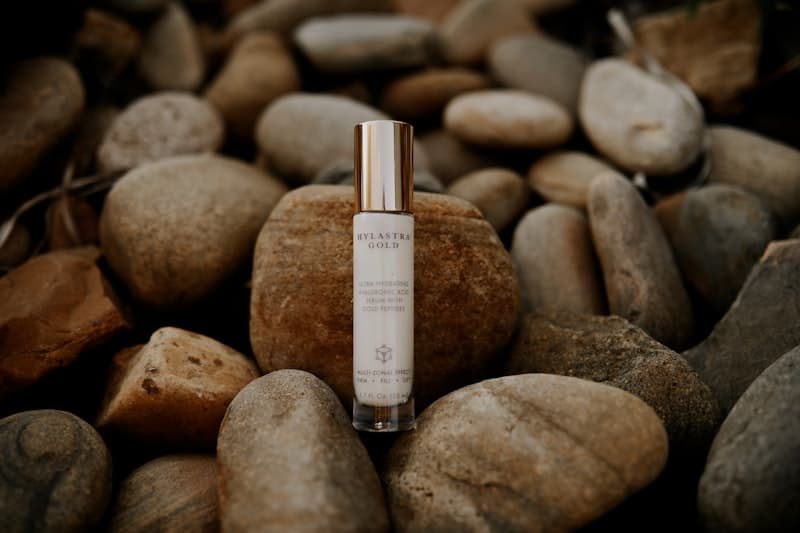
This is where things get nuanced. The question of collagen and vitamin C together skin results is a reasonable one — does taking both improve skin more than collagen alone? The theoretical case is strong. The clinical evidence, though, is less definitive than supplement companies would have you believe.
What the Research Shows
Most of the skin trials for collagen peptides tested collagen supplementation alone — typically a few grams per day over 8 to 12 weeks. A 2023 systematic review and meta-analysis of 26 randomized controlled trials in 1,721 participants found that hydrolyzed collagen significantly improved skin hydration and elasticity versus placebo, with the most favorable results after eight or more weeks. The collagen-only approach works, and it works well.
Studies that combined oral collagen peptides with oral vitamin C do exist, but the ones specifically designed to compare collagen alone versus collagen plus vitamin C head-to-head in a large, well-controlled randomized trial are surprisingly limited. What we have are mostly small studies, open-label trials, or research funded by supplement companies with a clear interest in showing a synergy. That does not mean the combination is useless. Far from it. It just means the evidence for an additive or "supercharged" effect from taking both orally at the same time is not as strong as the marketing suggests.
Vitamin C's Independent Skin Benefits
Vitamin C does three things for skin that are well-supported by research:
- Collagen synthesis cofactor — As we have covered, it is required for your body to produce new collagen. This applies to skin collagen just as much as joint or bone collagen.
- Antioxidant protection — It neutralizes oxidative stress and helps protect against UV-driven photoaging, which drives a significant portion of collagen breakdown in skin over time.
- Melanin inhibition — It inhibits tyrosinase, the main enzyme that converts tyrosine into melanin, which is why topical vitamin C serums are popular for brightening and evening out skin tone.
These are real, documented effects. But they are independent benefits of vitamin C — not evidence that vitamin C "helps absorb" collagen or that combining them creates a multiplied effect.
Topical vs. Oral — Different Paths, Complementary Results
One thing dermatologists seem to agree on is that topical vitamin C (serums applied directly to the skin) and oral collagen peptides work through different pathways and complement each other nicely. Topical vitamin C delivers antioxidant and antiaging effects directly to skin and supports local collagen biosynthesis. Oral collagen provides building blocks systemically throughout the body. Neither one is "better" — they address different pieces of the same puzzle.
My honest take: taking collagen and vitamin C together will not hurt, and the theory behind it makes sense. But the evidence for a dramatic, synergistic skin effect from combining them orally is not as rock-solid as you might expect given how confidently brands promote the combination.
For another nutrient that supports skin health through a completely different pathway, see our Omega-3 Fish Oil Benefits Guide — omega-3s support the skin barrier and reduce inflammation, which complements what collagen and vitamin C each do independently.
Best Way to Take Collagen Supplements — Morning or Night?

This question comes up almost as often as the vitamin C one, and the answer is refreshingly simple: research has not found a meaningful difference between morning and evening dosing.
What actually matters? Consistency. Taking collagen every single day matters far more than what time the clock reads when you do it.
Empty Stomach vs. With Food
Some practitioners suggest taking collagen on an empty stomach for better absorption. The reasoning is that other proteins and amino acids from food might compete for uptake in the digestive tract. It is a logical theory, but the clinical trials that showed positive results did not control for this. Participants took collagen at different times, with and without food, and the benefits showed up regardless.
So take it however fits your life. If taking it on an empty stomach works for your routine, great. If you prefer it mixed into a smoothie or stirred into soup, that works too. The science does not favor one approach over the other.
What About Timing With Vitamin C?
Since we have been talking about vitamin C, let me address this directly: you do not need to take vitamin C and collagen at the same time. Vitamin C is water-soluble and maintained in body tissues when intake is adequate, so your cells draw on that circulating pool whenever they synthesize collagen — they do not need the vitamin C and collagen peptides to arrive in the same meal. Whether you have vitamin C at breakfast and collagen at dinner, or both in your morning smoothie, the end result is effectively the same.
Practical Recommendations
| Scenario | Recommendation |
|---|---|
| Morning coffee drinker | Add collagen peptides to your coffee — they are tasteless and dissolve easily in hot liquids |
| Smoothie for breakfast | Blend collagen into your morning smoothie — the fruit provides natural vitamin C too |
| Evening routine person | Stir collagen into herbal tea or warm milk before bed |
| Gym-goer | Add collagen to your post-workout protein shake — consistency matters most |
| On-the-go | Keep individual collagen stick packs in your bag and mix with water whenever you remember |
For tips on how to think about combining supplements for complementary effects, see our Ashwagandha + Magnesium Sleep Stack Guide — it covers the principles of supplement stacking in detail.
We cover collagen dosing in more detail in our Collagen Peptides Benefits Guide, including specific doses for different goals like skin health, joint relief, and bone density.
FAQ — Common Questions About Vitamin C and Collagen
Does vitamin C help absorb collagen supplements?
No. Collagen peptides are hydrolyzed — pre-digested into small peptides that your body absorbs efficiently on their own, with or without vitamin C. Hydrolyzed collagen shows assimilation around 80% with good intestinal absorption. Vitamin C's role is in collagen synthesis (building new collagen), not absorption (taking it in from your digestive system). The question does vitamin C help collagen absorption supplements is one of the most common supplement myths — and it is easy to see why, given the marketing around "collagen plus vitamin C" products makes it sound like absorption is the benefit.
Do I need to take vitamin C with collagen powder?
Not at the same time, no. Your body absorbs collagen powder just fine without it. However, you do need adequate vitamin C in your overall diet for your body to synthesize new collagen effectively. One serving of vitamin C-rich food per day is sufficient — an orange, half a bell pepper, or a cup of strawberries.
What happens if I take collagen without vitamin C?
The collagen peptides will be absorbed normally — your body handles that part just fine. However, if your overall vitamin C intake is very low (which is rare in modern diets), your body may not efficiently use those absorbed amino acids to build new collagen. For most people eating a normal diet with some fruits and vegetables, this is not a concern.
Should I buy collagen supplements with added vitamin C?
It is not necessary. Many brands add vitamin C as a marketing feature, but if you eat fruits or vegetables regularly, you already get enough from food alone. A standalone, high-quality collagen peptide powder without added vitamin C is often better value. Spend the savings on a higher dose or a better-sourced product — that will make a bigger difference than the added vitamin C.
Can vitamin C and collagen improve my skin together?
Both nutrients independently support skin health. Collagen peptides improve skin elasticity and hydration — this has been shown in a meta-analysis of 26 randomized controlled trials. Vitamin C supports collagen synthesis and protects against UV damage. Taking both is reasonable, but the evidence for a "supercharged" synergistic effect from combining them orally is still limited.
How much vitamin C do I need for collagen production?
The RDA is 75mg for women and 90mg for men per day. This is easily met by one orange (~70mg), half a red bell pepper (~95mg), or a cup of strawberries (~85mg). Smokers need an additional 35mg per day. Megadosing with 1,000mg or more does not further enhance collagen synthesis — once tissues are saturated, absorption decreases and excess vitamin C is excreted in the urine. Save your money.
Does topical vitamin C serum work better than oral for skin?
They work through different pathways, and neither is "better." Topical vitamin C serum delivers the antioxidant directly to skin cells and can stimulate local collagen production in the dermis. Oral collagen peptides provide building blocks systemically throughout your entire body. Many dermatologists recommend both for skin support. They complement each other rather than competing.
References
- Murad S, et al. Regulation of collagen biosynthesis by ascorbic acid: a review — Yale Journal of Biology and Medicine, 1985. (Vitamin C is an essential cofactor for lysyl hydroxylase and prolyl hydroxylase in collagen synthesis.)
- León-López A, et al. Hydrolyzed Collagen—Sources and Applications — Molecules, 2019. (Hydrolyzed collagen shows high assimilation, about 80%, and good intestinal absorption.)
- Skov K, et al. Absorption of bioactive peptides following collagen hydrolysate intake: a randomized, double-blind crossover study in healthy individuals — Frontiers in Nutrition, 2024. (Collagen di- and tripeptides appear in the human bloodstream after intake.)
- Pu SY, et al. Effects of Oral Collagen for Skin Anti-Aging: A Systematic Review and Meta-Analysis — Nutrients, 2023. (26 RCTs, 1,721 participants; hydrolyzed collagen significantly improved skin hydration and elasticity.)
- Al-Niaimi F, Chiang NYZ. Topical Vitamin C and the Skin: Mechanisms of Action and Clinical Applications — The Journal of Clinical and Aesthetic Dermatology, 2017. (Vitamin C is a collagen-synthesis cofactor, a potent antioxidant/photoprotectant, and a tyrosinase inhibitor.)
- Vitamin C — The Nutrition Source — Harvard T.H. Chan School of Public Health. (RDA 90 mg men / 75 mg women, +35 mg for smokers; water-soluble with excess excreted in urine; scurvy results from loss of collagen.)
The Bottom Line
If you take one thing away from this article, let it be these five points:
-
Vitamin C does not help you absorb collagen. Hydrolyzed collagen peptides are absorbed efficiently (assimilation around 80%) on their own. Your digestive system does not need vitamin C for this step.
-
Vitamin C is essential for collagen synthesis. The enzymes that build new collagen — prolyl hydroxylase and lysyl hydroxylase — simply cannot function without it. This has been understood since the days of scurvy on 18th-century sailing ships.
-
You probably already get enough vitamin C from food. The RDA is small (75-90mg/day). One orange covers it. You do not need a special collagen-plus-vitamin-C product.
-
Timing does not matter. With adequate intake your body maintains a circulating pool of vitamin C. Take your collagen whenever it fits your routine, and eat vitamin C-rich foods at whatever time you want. They do not need to be simultaneous.
-
What actually matters: A quality collagen peptide supplement, a balanced diet that includes vitamin C, and taking it consistently every day. That is the formula.
No expensive combination supplements required. No precise timing schedules to memorize. Just consistent daily collagen and a reasonably healthy diet.
Did you always assume vitamin C was needed for collagen absorption? You are not alone — it is one of the most widespread supplement myths out there. Drop a comment if this changed how you think about your collagen routine.
You might also like:
- Collagen Peptides Benefits: What Science Actually Says (Complete 2026 Guide) — the full deep dive on everything collagen can do for you
- Ashwagandha + Magnesium Sleep Stack Guide — how to think about combining supplements for better results
This article is for informational purposes only and does not constitute medical advice. Always consult a qualified healthcare professional before starting any supplement, especially if you are pregnant, nursing, taking medication, or have a chronic health condition.
Why Ashwagandha Makes You Tired, Lethargic, or Emotionally Flat — and What to Do
Next →Can You Absorb Magnesium Through Skin From Epsom Salt? (Science-Backed 2026)


