Robot Vacuum vs Stick Vacuum: Which One Should You Actually Buy? (2026 Guide)
Robot vacuum vs stick vacuum — which fits your home? Compare suction, battery, smart features, pet hair cleanup, and price in this 2026 guide.
Robot Vacuum vs Stick Vacuum: Which One Should You Actually Buy? (2026 Guide)
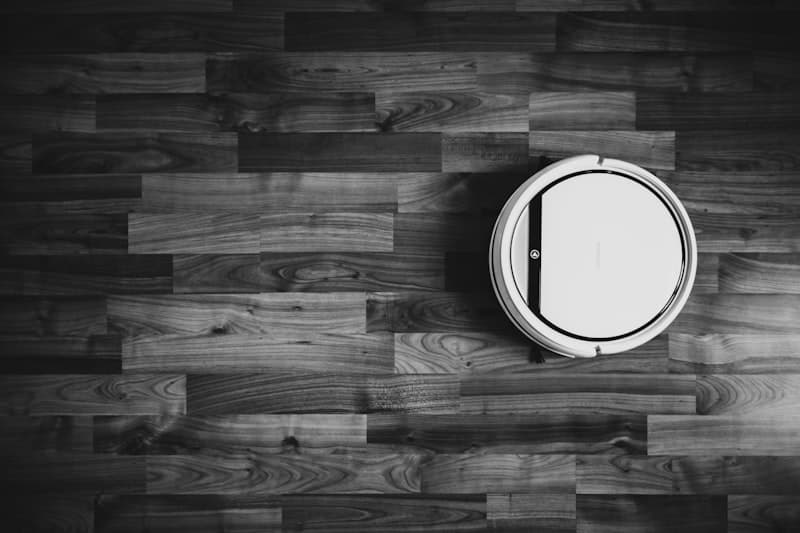
You have seen the ads. A sleek little disc gliding across a spotless floor while its owner relaxes on the couch. Robot vacuums look like the future of cleaning. But you already own a stick vacuum — or you are thinking about getting one — and you wonder: do I really need a robot to do what I can do myself in ten minutes? The robot vacuum vs stick vacuum debate is one of the most common questions in home cleaning right now.
It is a fair question. As of 2026, independent testing sites like RTINGS evaluate over 110 vacuum models in their labs. The robot vacuum market has exploded — what once felt like a novelty gadget now accounts for a rapidly growing share of all vacuum cleaner sales worldwide. Major brands like iRobot, Roborock, Dyson, Shark, Samsung, and Ecovacs release new models every year, each promising smarter navigation and stronger suction.
Yet the internet is split. Some reviewers call robot vacuums "a cleaning revolution." Others — including plenty of real users on Reddit — insist that a stick vacuum is still the more practical choice for most homes. The truth is, most comparison posts lean heavily on product specs and skip the stuff that actually matters: your home layout, your flooring, whether you have pets, and honestly, how much you enjoy (or hate) vacuuming.
I compared these two cleaning approaches head-to-head — suction power, battery life, cleaning coverage, noise levels, smart features, pet hair performance, and real-world maintenance. What I found is that neither one is universally better. The right choice depends entirely on your situation.
This guide is part of our home care comparison series. We have already covered air quality management (air purifier vs humidifier) and moisture and laundry management (dehumidifier vs clothes dryer). This time, we are tackling the third pillar of home care: floor cleaning — specifically, robot vacuum vs stick vacuum.
Quick Answer — Are Robot Vacuums Worth It?
Are robot vacuums worth it? Yes — for the right home. Robot vacuums excel at maintaining clean floors daily with zero effort, making them ideal for busy households, pet owners, and anyone who hates vacuuming. But they cannot handle stairs, deep carpet cleaning, or targeted spot cleaning as well as a stick vacuum. Most homes benefit from owning both.
Here is the short version:
| Robot Vacuum | Stick Vacuum | |
|---|---|---|
| How it works | Autonomous — cleans on schedule | Manual — you control it |
| Suction power | 2,000–11,000 Pa (lower to mid) | 20–300 AW (higher) |
| Cleaning coverage | Flat floors only (no stairs) | Everywhere — floors, stairs, ceilings, car |
| Battery life | 90–180 min per charge | 20–60 min per charge |
| Noise level | 50–70 dB (quieter) | 65–85 dB (louder) |
| Smart features | LiDAR/camera mapping, app control, scheduling | Limited or none |
| Pet hair | Good for daily maintenance | Better for deep cleaning |
| Maintenance | Empty bin, clean brushes, replace filters | Empty bin, wash filters, check brush roll |
| Stairs | Cannot clean | Excellent |
| Price range | $150–$1,500 | $80–$700 |
| Best for | Daily maintenance, busy lifestyles, pet hair | Deep cleaning, stairs, spot cleaning, versatility |
| Not ideal for | Stairs, deep carpet pile, cluttered floors | Hands-free operation, scheduled cleaning |
The key takeaway: a robot vacuum handles the 80% of routine floor cleaning automatically. A stick vacuum handles the 20% that requires precision and power. If you want to skip the rest of this article, that single sentence is the answer.
How Robot Vacuums Work — The Autonomous Cleaning Evolution
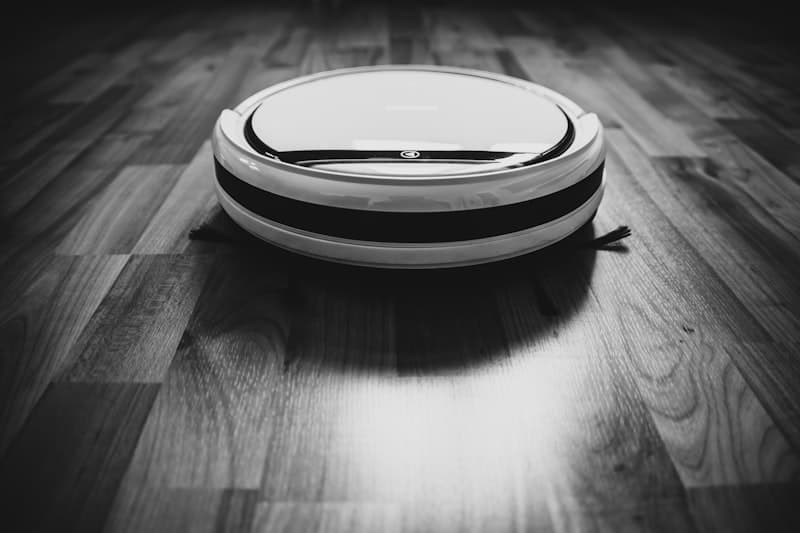
A robot vacuum does not just randomly bounce off walls. Modern models use sophisticated navigation systems to map your home, plan efficient cleaning paths, and return to their charging station when done. Here is how the technology works.
Navigation is the brain. There are three main types:
- LiDAR (Light Detection and Ranging): This is the gold standard. A small laser turret on top of the vacuum spins rapidly, scanning the room and creating a precise floor plan. LiDAR works in the dark, maps multiple rooms accurately, and enables features like no-go zones and room-specific cleaning. Brands like Roborock and Samsung's Bespoke Jet Bot AI rely on LiDAR in their premium models.
- Camera-based mapping (vSLAM): Instead of lasers, these robots use onboard cameras to recognize landmarks and build a visual map. iRobot's higher-end Roomba models use this approach. It works well in well-lit spaces but can struggle in dark rooms.
- Gyroscope and bumper sensors: Found in budget models, these robots use inertial sensors and physical bumpers to navigate. They work, but they miss spots more often and cannot create accurate maps of your home.
Suction power in robot vacuums is measured in Pascals (Pa). Most models range from 2,000 Pa on the low end to 11,000 Pa on high-end models. For context, 5,000 Pa is generally sufficient for hard floors and low-pile carpet. Anything above 8,000 Pa starts to compete with manual vacuums for surface-level debris, though it still falls short of the deep-cleaning power of a stick vacuum.
What robot vacuums do well:
- Scheduled cleaning: Set it to run every day at 10 AM, and it just happens. You come home to clean floors.
- Zone cleaning: Tell the app to clean only the kitchen, or to go over a high-traffic area twice.
- No-go zones: Draw virtual boundaries to keep the robot away from pet bowls, cables, or delicate furniture.
- Self-emptying: Premium models dock at a base station that sucks debris from the robot's bin into a sealed bag. You go 30 to 60 days without touching dirt.
- Mopping attachments: Many 2026 models include a water tank and mop pad for light wet cleaning on hard floors.
Where robot vacuums fall short:
- Stairs: They simply cannot climb them. If your home has multiple levels, you need a manual vacuum for the stairs.
- Deep carpet pile: Thick carpets and shag rugs trap the robot's wheels or overwhelm its suction. It works on flat carpets but struggles on plush ones.
- Cluttered floors: Shoes, cables, socks, and toys can trap the robot. You need to prep the floor before each run — which somewhat defeats the purpose of "automatic" cleaning.
- Edges and corners: Side brushes help, but no robot cleans edges as thoroughly as a person with a stick vacuum nozzle.
The bottom line on robot vacuums: they are exceptional at maintaining clean floors with minimal effort. They are not great at deep cleaning, detail work, or multi-level homes.
How Stick Vacuums Work — The Versatile Manual Powerhouse
A stick vacuum is straightforward: a powerful motor generates suction, air flows through a brush roll and nozzle, debris passes through a filter, and everything ends up in a dustbin. No maps, no apps, no AI. You point, you push, and the dirt comes up.
The cordless stick vacuum has become the dominant form factor. Dyson's V series, Shark's Stratos line, Samsung's Bespoke Jet, Tineco's Pure One, and Miele's Triflex HX2 all compete in this space. Lithium-ion and lithium-polymer batteries have gotten good enough that you no longer need to be tethered to a wall outlet for decent suction.
Suction power in stick vacuums is measured in Air Watts (AW). Typical ranges go from about 20 AW in budget models up to 300 AW in premium ones. Generally, 150 AW or higher is what you want for effective carpet cleaning. Note that Pa and AW measure different things — Pa measures pressure differential, while AW accounts for both suction and airflow. This means you cannot directly compare the Pa rating of a robot vacuum with the AW rating of a stick vacuum. What you can say is that stick vacuums, in practice, deliver noticeably stronger cleaning performance on most surfaces.
What makes stick vacuums great:
- Versatility: This is the stick vacuum's superpower. Floors, stairs, ceiling cobwebs, car interiors, sofa cushions — attach the right tool and clean anything. Most models convert from stick to handheld in seconds.
- Precision: You control exactly where the vacuum goes. Spot spills, edges along baseboards, corners behind furniture — you handle them directly.
- Deep cleaning on all carpet types: The motorized brush roll agitates carpet fibers and pulls out embedded dirt, pet hair, and allergens that a robot vacuum leaves behind.
- Attachments: Crevice tools, upholstery brushes, motorized mini-brushes for pet hair on furniture — these accessories extend the stick vacuum's usefulness far beyond floors.
Where stick vacuums fall short:
- Manual effort required: You have to physically vacuum. There is no scheduling it or outsourcing it to a robot.
- Limited battery runtime: 20 to 60 minutes per charge is typical. For larger homes, you may need to recharge mid-cleaning.
- Noise: At 65 to 85 dB, stick vacuums are significantly louder than robot vacuums. Running one at midnight is not neighbor-friendly.
- No automation: If you forget to vacuum, the dirt stays. There is no "set it and forget it" option.
The stick vacuum is the tool you reach for when you need power, precision, and flexibility. It does not automate anything, but it cleans just about everything.
Head-to-Head Comparison — Robot Vacuum vs Stick Vacuum
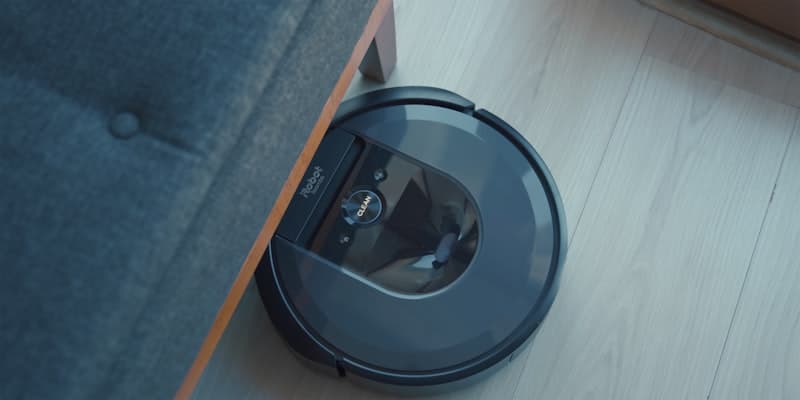
Let us put them side by side across every metric that matters.
| Feature | Robot Vacuum | Stick Vacuum |
|---|---|---|
| Suction power | 2,000–11,000 Pa | 20–300 AW (generally stronger) |
| Cleaning method | Autonomous, scheduled | Manual, on-demand |
| Floor types | Hardwood, tile, low-pile carpet | All floor types including high-pile carpet |
| Stairs | Cannot navigate | Excellent |
| Edge/corner cleaning | Moderate (side brush helps) | Excellent (precise manual control) |
| Pet hair | Good daily maintenance | Superior deep cleaning |
| Battery runtime | 90–180 minutes | 20–60 minutes |
| Noise level | 50–70 dB (can run overnight) | 65–85 dB (daytime use) |
| Smart features | App control, mapping, scheduling, AI avoidance | Basic or none |
| Maintenance | Bin emptying, brush cleaning, filter replacement | Bin emptying, filter washing, brush roll cleaning |
| Upfront cost | $150–$1,500 | $80–$700 |
| Long-term cost | Filter/brush replacement, self-emptying bags | Filter replacement, eventual battery swap |
| Best home type | Apartments, open floor plans, busy households | Homes with stairs, varied flooring, deep cleaning needs |
| Time investment | Setup time only (runs automatically) | 10–30 min per cleaning session |
Suction power: Stick vacuums win on raw cleaning force. A high-end Dyson or Shark pushing 250+ AW will out-clean even the best robot vacuum on carpets and upholstery. Robot vacuums compensate by cleaning more frequently — daily passes add up.
Coverage: Robot vacuums cover flat, open floors well. Stick vacuums cover everything — floors, stairs, furniture, car interiors, ceiling corners. If you have stairs, a stick vacuum is not optional; it is essential.
Convenience: Robot vacuums win by a mile. Press a button (or set a schedule) and walk away. Stick vacuums require you to actually do the work.
Smart features: This is not even close. Robot vacuums offer mapping, scheduling, zone cleaning, obstacle avoidance, and smart home integration. Stick vacuums might have a battery indicator and an auto-power mode. Two different worlds.
Price: A good stick vacuum costs $150 to $400. A good robot vacuum costs $300 to $800. Premium options in both categories push past $1,000. On a strict budget, a stick vacuum gives you more cleaning power per dollar.
When people ask "Dyson vs Roomba — which is better?" they are really asking about two different categories. Dyson represents the manual stick vacuum philosophy: maximum power and versatility. Roomba (iRobot) represents the autonomous cleaning philosophy: set it and forget it. Neither brand's approach is inherently better — they solve different problems.
Carpet vs Hardwood — Which Vacuum Performs Better on Your Floors?

Your flooring makes a huge difference in which vacuum works better. Let me break it down.
Hardwood Floors
Robot vacuum: Excellent fit. Hardwood is smooth, flat, and easy for robot vacuums to navigate. Daily automated cleaning prevents dust and sand particles from scratching the finish — this is where a robot vacuum genuinely protects your investment in hardwood flooring. Models with soft rubber brush rolls are especially gentle on wood surfaces.
Stick vacuum: Also effective. Strong suction pulls dust from crevices between boards. Use a soft roller attachment designed for hard floors to avoid scratching. The advantage is precision around furniture legs and baseboards.
Winner on hardwood: Robot vacuum (for maintenance), stick vacuum (for detail work). Both perform well, but the robot's daily schedule keeps floors consistently cleaner.
Carpet
Robot vacuum: Works well on low-pile and medium-pile carpet. Many 2026 models automatically detect carpet and boost suction. However, on high-pile, shag, or plush carpets, robots can struggle — wheels get caught, suction is insufficient, and the brush roll tangles in long fibers.
Stick vacuum: The clear winner on all carpet types. A motorized brush roll agitates carpet fibers, pulling out embedded dirt, pet hair, and allergens that a robot leaves behind. If your home has significant carpeted areas, a stick vacuum is the more effective tool.
Winner on carpet: Stick vacuum, especially for medium-to-high pile.
Tile
Robot vacuum: Handles tile well. The smooth surface is ideal for robot navigation, and suction is more than enough for surface dust and crumbs. The limitation is grout lines — robot vacuums cannot dig into grout crevices.
Stick vacuum: Equally effective on tile, with the added benefit of precision cleaning along grout lines using crevice attachments.
Winner on tile: Tie. Both perform well.
Mixed Flooring
Most homes have a mix — hardwood in the living room, carpet in bedrooms, tile in kitchens and bathrooms. High-end robot vacuums with LiDAR mapping can detect floor type transitions and adjust suction automatically. With a stick vacuum, you switch modes manually.
For mixed flooring homes, the combination approach works best: the robot handles daily surface maintenance across all floor types, and the stick vacuum comes out once a week for a thorough deep clean.
Pet Hair Performance — Which Vacuum Wins for Pet Owners?

If you share your home with a dog or cat, pet hair is probably the single biggest factor in your vacuum decision. Here is how the two compare.
Robot vacuum for pet hair:
The biggest advantage is frequency. A robot vacuum running every day means pet hair never piles up. It sweeps up shed hair before it embeds into carpet fibers or drifts under furniture. Many pet owners set the robot to run while they are at work, so the dog or cat is not stressed by the noise.
Models with rubber brush rolls (instead of bristle brushes) are better at preventing hair tangles. Self-emptying bases are a game-changer for pet owners — without one, you will be emptying the small robot dustbin daily because pet hair fills it fast.
The downside: robot vacuums cannot clean pet hair from sofas, cat trees, car upholstery, or the stairs where your golden retriever likes to nap. They also struggle with heavy shedding season fur accumulations on thick carpet.
Stick vacuum for pet hair:
Stick vacuums are the deep-cleaning champions. The combination of strong suction and motorized brush rolls pulls embedded pet hair out of carpet, upholstery, and car seats. Attachments like motorized mini-brushes are specifically designed for pet hair on furniture and stairs.
The downside is obvious: you have to do it yourself. And when you are tired after work, the motivation to vacuum up dog hair for 15 minutes is low. That is how pet hair accumulates.
My recommendation for pet owners: Use both. Let the robot vacuum run daily to keep loose hair under control. Use the stick vacuum once or twice a week for deep cleaning — carpets, furniture, stairs, and the car. This combo reduces pet hair to a manageable level without turning cleaning into a second job.
If you can only pick one, consider your tolerance for pet hair. If "no visible hair on the floor" is your standard, the robot vacuum's daily schedule wins. If "deep-clean everything once a week" is more your style, the stick vacuum is the better single tool.
Smart Features & Navigation — What Can a Robot Vacuum Really Do?

This is where robot vacuums separate themselves from every other cleaning tool. A stick vacuum is a motor, a filter, and a tube. A robot vacuum is a small computer that happens to clean your floors.
Mapping Technology
Robot vacuums create digital maps of your home. The accuracy depends on the navigation system:
- LiDAR mapping is the most precise. It creates exact floor plans with room boundaries, furniture outlines, and charging station location. You can label rooms ("kitchen," "living room") and direct the robot to clean specific areas. LiDAR works in complete darkness.
- Camera-based mapping (vSLAM) captures visual landmarks to build a map. It works well in well-lit homes but can lose accuracy in dark rooms.
- Gyroscope mapping provides rough estimates. It is functional but imprecise — expect missed spots and inefficient paths.
Premium 2026 models even support multi-floor mapping, storing separate maps for different levels of your home.
Obstacle Avoidance
This has improved dramatically. Top-tier robot vacuums now use 3D structured light sensors combined with AI processors to identify and avoid obstacles in real time. Cables, socks, children's toys, and even pet waste — the vacuum detects them and steers around them. Lower-end models still rely on physical bumpers, which means they push objects around before changing direction.
Self-Emptying: Is It Worth the Extra Cost?
A self-emptying robot vacuum docks at a base station that uses a powerful motor to suck debris from the robot's small bin into a larger sealed bag. You replace the bag every 30 to 60 days instead of emptying the bin after every run.
The self-emptying feature typically adds $200 to $400 to the price. Is it worth it? For pet owners and allergy sufferers, absolutely. For everyone else, it depends on how much you hate touching a dustbin. If you run the robot daily, emptying the bin every single day gets old fast. The self-emptying base eliminates that chore entirely.
Mopping Combo: Is It Worth It?
Many 2026 robot vacuums offer a mopping attachment — a small water tank and a mop pad that drags behind the vacuum on hard floors. It provides a light, surface-level wipe. It removes fresh dust and light stains from hard floors.
But it is not a replacement for actual mopping. It will not scrub dried-on spills, remove grout stains, or deep-clean any surface. Think of it as a dusting step for your floors — nice to have, but not transformative.
App Control and Smart Home Integration
Nearly all mid-range and premium robot vacuums connect to your phone via Wi-Fi or Bluetooth. The app lets you start or stop cleaning, set schedules, view the map, define no-go zones, and check cleaning history. Most models also integrate with Alexa, Google Home, and Samsung SmartThings, so you can start cleaning with a voice command.
Stick vacuums, by contrast, have essentially no smart features. A few premium models have LED displays showing battery level and suction mode. That is about it. The stick vacuum is a tool you pick up and use — no connectivity required.
Noise, Maintenance & Long-Term Costs
Noise Comparison
This matters more than people realize. If you work from home, have a sleeping baby, or live in an apartment with thin walls, noise is a deciding factor.
- Robot vacuums: 50 to 70 dB. On the lower end, that is comparable to a quiet conversation. You can run a robot vacuum while you are in the next room and barely notice it. Some models have a "quiet mode" that drops below 55 dB.
- Stick vacuums: 65 to 85 dB. On high power, that approaches the noise level of a blender. Stick vacuums are daytime tools. Running one at 10 PM is going to annoy someone.
For context, a traditional upright vacuum typically operates at 70 to 90 dB — even louder than a stick vacuum.
Maintenance Comparison
Both types need regular upkeep, but the tasks differ.
Robot vacuum maintenance:
- Empty the dustbin after every few runs (or let the self-emptying base handle it)
- Clean the main brush and side brushes weekly — hair tangles are the biggest issue
- Replace filters every 3 to 6 months
- Wipe sensors and camera lenses monthly
- Clear obstacles from the floor before scheduled runs
Stick vacuum maintenance:
- Empty the dustbin after each use
- Wash or replace filters every 1 to 3 months (many stick vacuums have washable filters)
- Remove hair and string from the brush roll regularly
- Check joints and attachments for blockages
Long-Term Cost Breakdown
Robot vacuum:
- Upfront: $150 to $1,500
- Annual filter and brush replacements: $20 to $60
- Self-emptying bags (if applicable): $15 to $30 per year
- Battery replacement (every 2 to 3 years): $50 to $80
- Expected lifespan: 3 to 5 years
Stick vacuum:
- Upfront: $80 to $700
- Annual filter replacements: $15 to $40
- Battery replacement (every 2 to 3 years): $50 to $100
- Expected lifespan: 5 to 8 years (longer with battery swap)
Stick vacuums last longer overall. Robot vacuums have more moving parts, more sensors, and more software — all of which can fail. A $500 robot vacuum might need replacing in 4 years, while a $300 stick vacuum could last 7 years with a battery swap.
Which Should You Choose? Home Type & Lifestyle Recommendation

There is no universal winner. The right choice depends on where you live, what your floors look like, and how you spend your days. Here is a straightforward guide.
| Your Situation | Best Choice | Why |
|---|---|---|
| Studio / 1-bedroom apartment | Robot vacuum | Small space, daily auto-clean keeps it spotless, stick vacuum is overkill |
| 2–3 bedroom apartment | Robot vacuum + stick vacuum (combo) | Robot for daily maintenance, stick for weekly deep cleaning and spot cleanup |
| Single-family home with stairs | Stick vacuum (primary) + robot vacuum (supplement) | Robot cannot do stairs — stick is essential. Robot handles daily floor maintenance |
| Home with mostly hardwood/tile | Robot vacuum | Robot excels on hard floors, daily auto-cleaning prevents dust buildup |
| Home with thick carpet | Stick vacuum | Stronger suction and motorized brush roll for deep carpet cleaning |
| Pet owners | Robot vacuum (daily) + stick vacuum (deep clean) | Robot keeps pet hair under control daily, stick handles deep cleaning and furniture |
| Busy professionals | Robot vacuum | Set-it-and-forget-it — come home to clean floors every day |
| Budget-conscious ($200 or less) | Stick vacuum | Lower upfront cost, more versatile per dollar, no ongoing bag costs |
| Allergy sufferers | Both (robot daily + stick weekly deep clean) | Daily robot cleaning reduces allergens; stick with HEPA handles deep dust and upholstery |
| Cluttered home / kids' toys everywhere | Stick vacuum | Robot gets stuck on clutter — stick gives you full control |
Still not sure? Ask yourself one question: do you vacuum because you want to, or because you have to?
If vacuuming feels like a chore you want to minimize, get a robot vacuum. It handles the routine so you do not have to think about it.
If you are particular about cleaning — you want every corner spotless, every carpet fiber deep-cleaned — a stick vacuum gives you the control to do it right.
And if your budget allows, the combo is genuinely the best of both worlds.
Can You Use Both? — The Robot + Stick Combo Strategy
A lot of people treat this as an either-or decision. It does not have to be. In fact, when you look at the robot vacuum vs stick vacuum question practically, the most satisfied vacuum owners I have talked to use both — and the setup makes perfect sense when you think about it.
Daily maintenance = robot vacuum. It runs every day on a schedule, picking up surface dust, crumbs, and pet hair from all your flat floors. You do nothing. It docks, charges, and does it again the next day. This keeps your floors at a consistently clean baseline.
Weekly deep cleaning = stick vacuum. Once or twice a week, you spend 15 to 30 minutes going deeper. Hit the stairs. Run the motorized brush over the carpets. Clean the sofa cushions. Vacuum the car. Get into corners and edges the robot misses. This is your detail pass.
The cost is reasonable. A mid-range robot vacuum ($300 to $500) plus a mid-range stick vacuum ($150 to $300) totals $450 to $800. That is less than a single premium robot vacuum with all the bells and whistles — and you get far more cleaning coverage.
Think of it this way: a robot vacuum without a stick vacuum means stairs, furniture, and deep carpet go uncleaned. A stick vacuum without a robot vacuum means you are doing all the daily floor maintenance yourself. Together, they cover everything.
For a complete home care routine, clean floors are just one part of the picture. Our air purifier vs humidifier guide covers indoor air quality management — because clean air and clean floors work together to create a healthier home. And our dehumidifier vs clothes dryer guide handles the moisture and laundry side of home maintenance. Together, these three guides cover the three pillars of home care: air, moisture, and floors.
Frequently Asked Questions
Are robot vacuums worth the money?
Yes, if you value time and convenience. A robot vacuum in the $300 to $600 range pays for itself in the time you save not vacuuming manually. It keeps floors clean on autopilot, which is especially valuable if you have pets, kids, or a busy schedule. However, if your home has multiple levels, lots of thick carpet, or cluttered floors, the value drops — you will still need a manual vacuum for those areas.
Can a robot vacuum replace a stick vacuum?
Not completely. A robot vacuum handles about 80% of routine floor cleaning — flat surfaces, daily dust, and pet hair. But it cannot clean stairs, sofa cushions, car interiors, ceiling corners, or do deep spot cleaning. The most realistic setup is a robot vacuum handling daily maintenance and a stick vacuum covering the remaining 20%. If you can only own one, a stick vacuum is the more versatile tool.
Do robot vacuums work well on carpet?
They work well on low-pile and flat carpets. Most 2026 models detect carpet and automatically increase suction. However, on high-pile, shag, or plush carpets, robot vacuums struggle — the wheels can get stuck, and the suction is not strong enough to pull embedded dirt from deep fibers. If your home has significant high-pile carpet, a stick vacuum with a motorized brush roll will deliver much better results.
Which is better for pet hair: robot vacuum or stick vacuum?
Each one handles a different part of the problem. A robot vacuum running daily prevents pet hair from accumulating on floors — it grabs loose hair before it embeds into carpet or drifts under furniture. A stick vacuum provides deeper cleaning — pulling embedded hair from carpets, furniture, stairs, and car seats. Pet owners get the best results using both: daily robot runs for maintenance, weekly stick vacuum sessions for deep cleaning. A self-emptying robot vacuum is especially helpful for pet hair, since the small dustbin fills up quickly with fur.
Is a self-emptying robot vacuum worth it?
It depends on your tolerance for maintenance. A self-emptying base adds $200 to $400 to the price but lets you go 30 to 60 days without touching the dustbin. For pet owners, allergy sufferers, or anyone who runs the robot daily, this feature removes the most annoying part of robot vacuum ownership — emptying a full bin every single day. If you only run the robot occasionally, save the money and empty the bin manually.
Is a robot vacuum mopping combo worth it?
For homes with mostly hard floors, yes — with realistic expectations. The mopping function provides a light surface wipe, not a deep scrub. It removes fresh dust and light stains from hardwood and tile, which is a step above dry vacuuming alone. It will not replace manual mopping for tough stains, grout cleaning, or sanitization. Think of it as a bonus feature that keeps hard floors looking cleaner between proper mopping sessions.
Dyson vs Roomba — which is better?
They are not directly comparable because they belong to different categories. Dyson is the leader in stick vacuums — known for powerful suction, innovative design, and versatility across surfaces. Roomba (by iRobot) is the leader in robot vacuums — known for autonomous cleaning, smart navigation, and hands-free operation. The better question is: do you want a powerful tool you control manually (Dyson-style), or an automated cleaner that works on its own (Roomba-style)? Many homes benefit from having one of each.
How long do robot vacuums last?
The average lifespan is 3 to 5 years. The battery typically starts losing capacity after 2 to 3 years of regular use, but replacement batteries are available for $50 to $80. Routine maintenance — cleaning brushes, replacing filters, and keeping sensors clear — extends the life significantly. Premium models priced above $500 tend to last longer due to better build quality and ongoing software updates. For comparison, a good stick vacuum typically lasts 5 to 8 years with a battery replacement along the way.
The Bottom Line
Robot vacuum vs stick vacuum — here is the honest answer.
They are not competitors. They are different tools for different jobs.
A robot vacuum is your daily floor maintenance crew. It runs on schedule, keeps flat surfaces clean, and saves you time. It is perfect for busy people, pet owners, and anyone who wants cleaner floors without thinking about it.
A stick vacuum is your deep-cleaning specialist. It handles stairs, carpets, furniture, cars, and everything the robot cannot reach. It is more powerful, more versatile, and lasts longer.
Most homes are best served by owning both. The robot handles the 80% of routine cleaning automatically. The stick vacuum covers the 20% that requires precision and power. Together, they cost less than a single premium vacuum and deliver far more complete cleaning coverage.
This guide is part of our home care series. For clean air, see our air purifier vs humidifier comparison. For moisture and laundry management, check our dehumidifier vs clothes dryer guide. Clean air, controlled humidity, and clean floors — those three pillars cover most of what a healthy, comfortable home needs.
Do you use a robot vacuum, a stick vacuum, or both? Has your robot vacuum actually replaced your manual vacuuming — or is it just a fancy dust sweeper? Drop a comment below, I read every one.
Related Articles:
Epsom Salt Bath vs Ice Bath: Which Is Better for Muscle Recovery? (Science-Backed 2026 Guide)
Next →Sleep Mask vs Blackout Curtains: Which Actually Blocks More Light for Better Sleep? (2026 Guide)