Cold Plunge vs Sauna: Science-Backed Benefits, Risks & How to Choose (2026 Guide)
Cold plunge vs sauna — which is better for recovery and longevity? Compare benefits, risks, and contrast therapy with this science-backed 2026 guide.
Cold Plunge vs Sauna: Science-Backed Benefits, Risks & How to Choose (2026 Guide)

You have seen the viral ice bath videos. You have heard about the Finnish sauna longevity studies. But when it comes to your own recovery routine, which one actually delivers? The cold plunge vs sauna debate keeps coming up -- and the answer is harder than it looks.
It is a fair question. The cold plunge tub market hit roughly $366 million in 2024 and is projected to surpass $530 million by 2033. Meanwhile, a 2015 study published in JAMA Internal Medicine tracked over 2,300 Finnish men for two decades and found that those who used the sauna four to seven times per week had dramatically lower rates of cardiovascular death and all-cause mortality. Both modalities have real science behind them. Both have limits. And the internet is full of people overselling one while ignoring the other.
I have spent a lot of time going through the clinical research on cold plunge vs sauna benefits -- the neurotransmitter data, the heat shock protein studies, the longevity cohorts, and the practical protocols that actually work. What I found is that cold and heat are not really competitors. They work through completely different biological mechanisms, and for many people, the smartest move is using both. This guide covers the cold plunge dopamine and norepinephrine research, the sauna longevity data, a practical contrast therapy protocol, and a goal-based framework so you can figure out what fits your situation -- whether that is faster recovery, better sleep, reduced inflammation, or long-term health.
What Happens to Your Body in a Cold Plunge
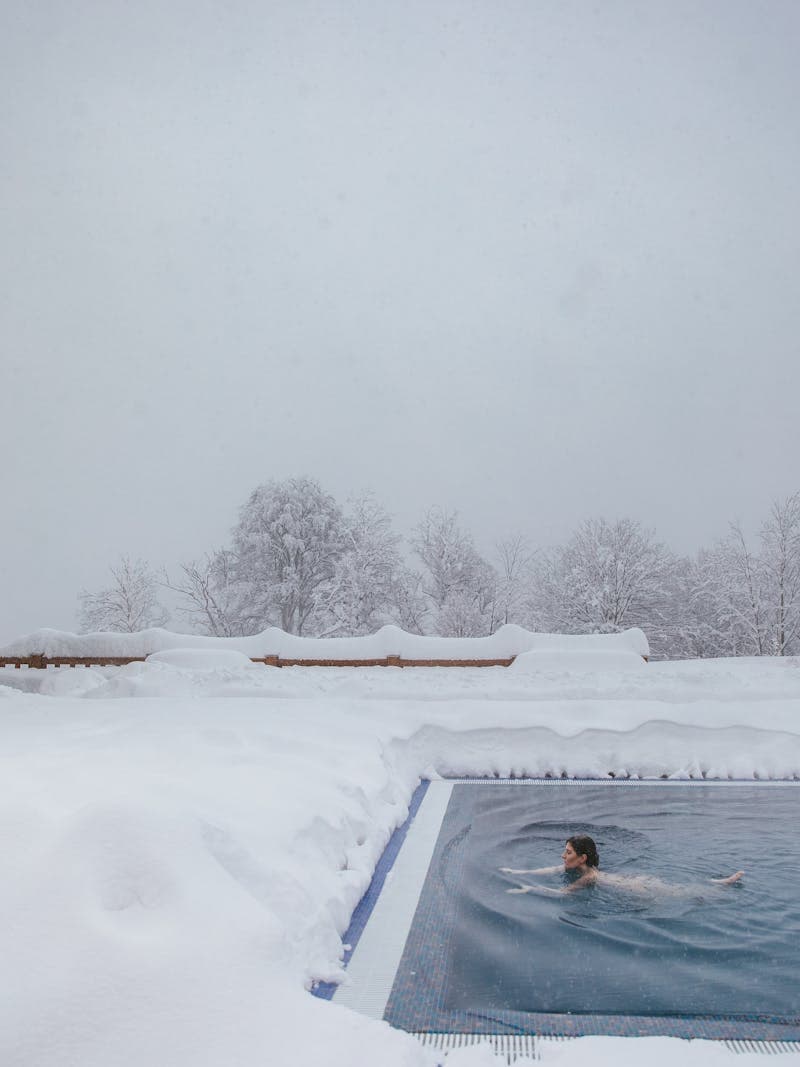
The moment you step into cold water, your body launches an immediate stress response. Your breathing gets shallow, your heart rate spikes, and every instinct tells you to get out. It is uncomfortable -- sometimes intensely so. But that discomfort is the mechanism. Here is what the research shows is happening under the surface.
The Neurotransmitter Surge
Cold water immersion triggers a release of two neurochemicals that change how you feel and perform. A frequently cited physiology study (Šrámek et al., European Journal of Applied Physiology, 2000) found that one hour of head-out immersion in 57°F (14°C) water increased plasma dopamine concentrations by about 250% and noradrenaline (norepinephrine) by about 530% above baseline. Norepinephrine sharpens attention, boosts alertness, and plays a direct role in energy metabolism. It is worth keeping this in perspective: that study used just 10 young men in cool (not ice-cold) water for a full hour, so the exact numbers should not be treated as a fixed dose-response you will reproduce in a 2-minute plunge.
This combination of cold plunge dopamine and norepinephrine effects is likely part of why people report feeling so dialed in after an ice bath. There is measurable neurochemistry behind it -- though how much of the "post-plunge high" is neurochemical versus the sense of accomplishment from doing something hard is still an open question.
Energy Expenditure and Brown Fat
Cold exposure forces your body to generate heat to survive, which ramps up caloric expenditure. Part of this happens through the activation of brown adipose tissue -- a metabolically active type of fat that burns energy specifically to produce warmth. A systematic review and meta-analysis (Life, 2022) confirmed that acute cold exposure increases both energy expenditure and brown adipose tissue activity in humans. That said, I will be honest: the weight-loss claims around cold plunges tend to be overstated in popular media. The acute bump in calorie burn is modest, and you are not going to ice-bath your way to a six-pack.
Muscle Recovery
This is where cold plunge benefits for recovery get genuinely interesting -- and where nuance matters most.
Cold water causes vasoconstriction, which narrows blood vessels and reduces blood flow to the muscles. That sounds counterproductive, but it actually limits the spread of tissue damage and tamps down acute inflammation. The practical result: less delayed-onset muscle soreness (DOMS) and faster perceived recovery after hard training.
When you get out and warm up, blood rushes back into the tissues, delivering fresh oxygen and nutrients. This "reflow" effect is part of what makes the cold-then-warm cycle so effective for athletes.
One important caveat if you lift: If your primary goal is building muscle size, timing matters a lot. A landmark 12-week trial (Roberts et al., The Journal of Physiology, 2015) found that regular post-exercise cold water immersion attenuated acute anabolic signalling and blunted long-term gains in muscle mass and type II fiber size compared with active recovery. A later study (Fyfe et al., Journal of Applied Physiology, 2019) similarly found that cold water immersion attenuated muscle fiber hypertrophy after whole-body resistance training -- though, notably, strength gains were not impaired in either study. The practical takeaway: if you are training for hypertrophy, wait at least a few hours after your workout before doing a cold plunge, or save it for rest days entirely.
Sleep
Cold exposure has been linked to improvements in slow-wave sleep -- the deep sleep stage that is critical for memory consolidation and tissue repair. One crossover study in endurance runners (Frontiers in Sports and Active Living, 2021) found that whole-body cold water immersion increased the proportion of slow-wave sleep in the first part of the night and reduced nighttime arousals, although the overall sleep evidence is still mixed. The mechanism likely involves the post-plunge drop in core body temperature, which aligns with the natural cooling signal your body uses to initiate sleep. If you pair this with a mineral that supports sleep quality and muscle relaxation, you can meaningfully improve your overnight recovery.
What Happens to Your Body in a Sauna
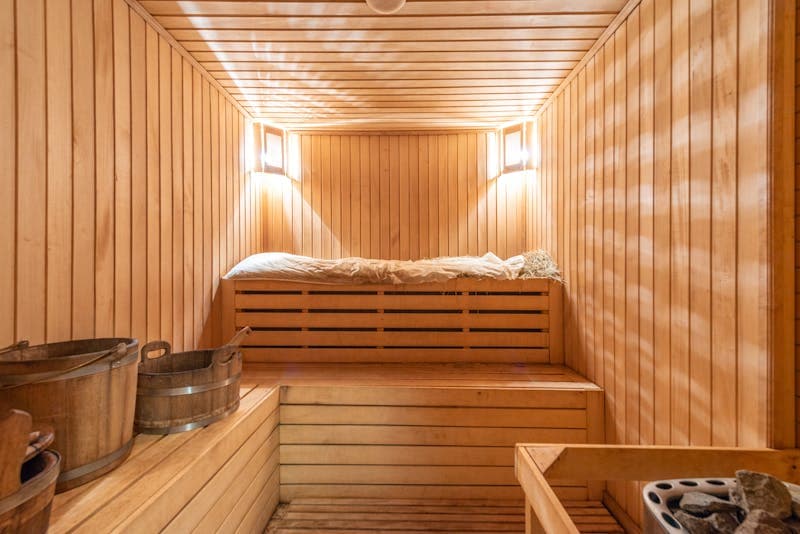
Sauna works through the opposite end of the temperature spectrum -- and that is exactly the point. Instead of triggering vasoconstriction and a fight-or-flight response, heat induces vasodilation, deep relaxation, and a cascade of protective cellular responses. The research here, particularly from Finnish longitudinal studies, is some of the strongest in all of lifestyle medicine.
Heat Shock Proteins (HSPs)
When your core body temperature rises in a sauna, your cells produce heat shock proteins -- molecular chaperones that repair misfolded or damaged proteins, protect cells from stress, and support immune function. A study using passive heat exposure at 163°F (73°C) for 30 minutes (Iguchi et al., Journal of Athletic Training, 2012) found that extracellular HSP72 levels rose by about 49% above baseline. Regular heat exposure appears to compound this kind of cellular-stress response over time, though the long-term clinical significance of sauna-induced HSP changes in humans is still being worked out.
The practical implications of heat shock proteins from sauna use are significant. HSP production is linked to better immune surveillance, reduced cellular aging, and improved muscle preservation -- something that becomes increasingly relevant as you get older and natural protein turnover slows down.
Cardiovascular Health and Longevity
This is where sauna benefits for longevity science get really compelling. The 2015 JAMA Internal Medicine study (Laukkanen et al.) is the most cited here. Researchers followed 2,315 Finnish men (aged 42-60) for a median of 20.7 years and found dose-response relationships between sauna frequency and risk of sudden cardiac death, with men using the sauna more often compared against those using it just once per week:
- Two to three times per week: adjusted hazard ratio of 0.78 for sudden cardiac death (95% CI, 0.57-1.07)
- Four to seven times per week: adjusted hazard ratio of 0.37 for sudden cardiac death (95% CI, 0.18-0.75) -- roughly a 63% lower relative risk
That is a striking dose-response signal. One important caveat: this is observational data from a single cohort of middle-aged Finnish men, so it shows association, not proof of cause, and may not generalize to everyone. Frequent sauna users may also simply be healthier or more active to begin with.
A study in the Journal of Human Hypertension (Laukkanen et al., 2018) reinforced the picture: a single 30-minute sauna session lowered blood pressure and increased arterial compliance in adults who had at least one cardiovascular risk factor. The proposed mechanism involves repeated vasodilation under heat stress, which over time may improve arterial flexibility and support the vascular endothelium -- the protective inner lining of your blood vessels.
Immune Function
Repeated heat exposure appears to train the immune system in a way that is analogous to exercise adaptation. The combination of HSP production, improved circulation, and mild controlled stress acts as a form of physiological conditioning. Your body gets better at mounting immune responses when it actually encounters threats.
Muscle Relaxation and Sleep
High heat reduces muscle tension and relieves stiffness -- something anyone who has sat in a sauna after a hard training day can confirm without needing a citation. But the sleep angle deserves separate attention. After a sauna session, your core body temperature drops naturally as you cool down. That declining temperature curve is one of the strongest physiological signals for sleep onset. Used in the evening, sauna can improve both how quickly you fall asleep and how deeply you sleep through the night.
Cold Plunge vs Sauna for Inflammation -- Which Works Better?
This is one of the most common questions I come across, and the answer depends entirely on what type of inflammation you are dealing with. Cold and heat attack the problem through fundamentally different pathways, and understanding which tool to reach for -- and when -- is the difference between effective recovery and wasted effort.
Cold Plunge: Best for Acute Inflammation
When you take a cold plunge, vasoconstriction immediately reduces blood flow to inflamed tissues. This slows metabolic activity in the area, limits the spread of swelling, and dampens the acute inflammatory cascade. If you just finished a punishing leg session or tweaked something during training, cold is the right call. The relief is noticeable within minutes.
The mechanism is straightforward: less blood flow means less fluid accumulation, less pressure on nerve endings, and less pain. For athletes dealing with DOMS or acute soft-tissue injuries, cold water immersion is well-established therapy with decades of clinical support.
Sauna: Best for Chronic Inflammation
Heat operates on a completely different timescale. The ~49% increase in heat shock proteins from regular sauna use drives cellular repair at a fundamental level. HSPs identify and fix damaged proteins, modulate immune responses, and reduce the kind of low-grade chronic inflammation that is linked to cardiovascular disease, metabolic syndrome, and accelerated aging.
If you are already incorporating an anti-inflammatory supplement with complementary benefits into your routine, sauna amplifies the effect by working through an entirely separate biological pathway. Omega-3s reduce inflammation via specialized pro-resolving mediators. Sauna reduces inflammation via heat shock proteins and improved circulation. Different inputs, complementary outputs.
Side-by-Side Comparison
| Factor | Cold Plunge | Sauna |
|---|---|---|
| Inflammation Type | Acute (post-exercise, injury) | Chronic (cellular, long-term) |
| Mechanism | Vasoconstriction, reduced metabolic activity | Heat shock proteins, cellular repair |
| Onset | Immediate | Cumulative (weeks of regular use) |
| Best For | Athletes, acute recovery | Long-term health, chronic inflammation |
The bottom line on cold plunge vs sauna for inflammation: acute calls for cold. Chronic responds better to heat. And if you want the benefits of both -- that brings us to contrast therapy.
How to Combine Both -- The Contrast Therapy Protocol
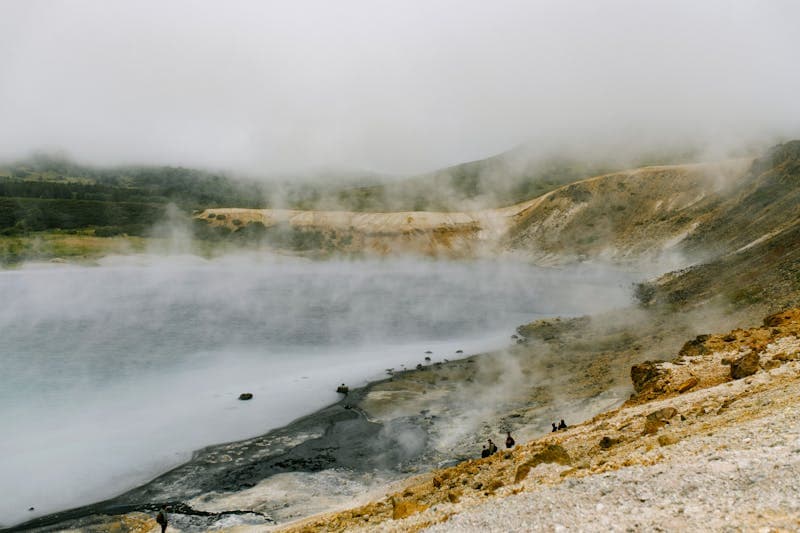
Contrast therapy -- alternating between heat and cold exposure -- is not new. Physical therapists have used it for decades. But the growing body of research and the 2026 neurowellness movement have pushed it back into the spotlight as one of the most accessible forms of nervous system training available. Nervous system regulation has emerged as a top wellness priority this year, and contrast therapy is arguably the most practical way to train that system without expensive technology.
How It Works
When you move from hot to cold, your blood vessels rapidly switch between dilation and constriction. This creates a pumping effect -- sometimes called the "vascular pump" -- that is thought to enhance circulation, help clear metabolic waste products, and deliver fresh nutrients to recovering tissues. A 2025 randomized controlled trial on martial arts athletes (Frontiers in Physiology) found that water-immersion contrast therapy increased pressure pain thresholds and maximum isometric strength and reduced muscle stiffness, with measurable benefits appearing as early as five minutes post-treatment.
Beyond the physical recovery, the hot-cold alternation trains your autonomic nervous system to shift between sympathetic activation (the fight-or-flight state) and parasympathetic recovery (rest-and-digest). Over time, this builds what researchers call stress resilience -- your capacity to handle physiological and psychological stress without overreacting. Think of it as reps for your nervous system.
This autonomic training effect is also why contrast therapy pairs well with an adaptogen that helps regulate cortisol. The contrast therapy trains the nervous system hardware. The adaptogen supports the hormonal software. Different layers, same goal.
The Protocol
Here is a practical contrast therapy sauna and ice bath routine that works for most people:
- Start in the sauna: 5-10 minutes at 175-195°F (80-90°C)
- Move to the cold plunge: 1-2 minutes at 50-60°F (10-15°C)
- Repeat: 3-4 total rounds
- End based on your goal: finish with cold if you want alertness and energy, or finish with heat if you want relaxation and better sleep
- Frequency: 2-3 sessions per week
The whole thing takes 30-45 minutes. Not a huge time investment for a protocol that touches recovery, cardiovascular health, inflammation, and nervous system resilience in a single session.
A Note on Safety
If you have diabetes, cardiovascular disease, uncontrolled hypertension, or Raynaud's phenomenon, talk to your doctor before trying contrast therapy. The rapid vascular changes can be risky for people with compromised circulatory systems. This is not a disclaimer for liability -- it is genuinely important.
Beginner's Guide -- How Long, How Cold, How Often
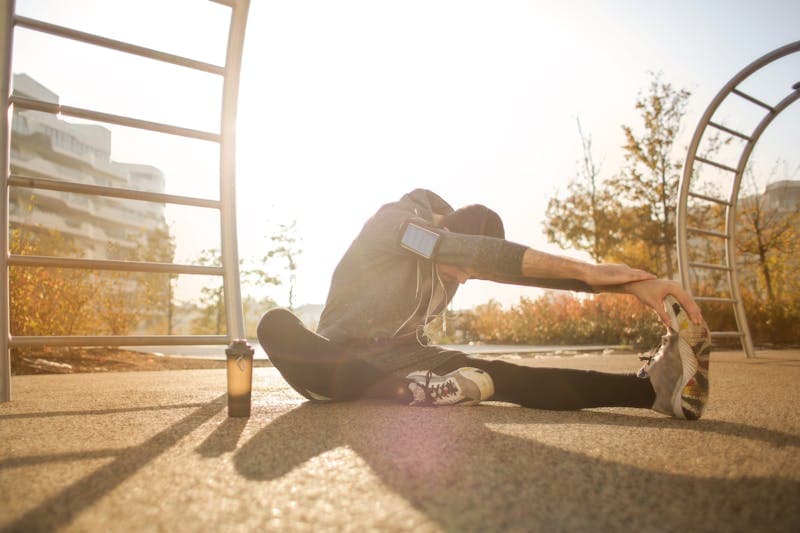
If you are new to either practice, start conservatively. Both cold plunges and saunas involve real physiological stress, and jumping straight to extreme protocols is how people end up with bad experiences -- or worse, genuine safety issues.
Cold Plunge Protocol for Beginners
Temperature: Start at 55-60°F (13-15°C). This is cold enough to trigger the dopamine and norepinephrine response without being dangerously intense. As you adapt over several weeks, you can gradually work toward 50°F (10°C) and below. Never go below 39°F (4°C). The risk of hypothermia and cold shock response at those temperatures is serious and not worth it for marginal additional benefit.
Duration: How long to stay in an ice bath as a beginner? Start with 1-3 minutes. I know that sounds short, but it is genuinely enough to get the neurochemical benefits. Over time, you can extend sessions toward 5-6 minutes. Going beyond 10-15 minutes offers diminishing returns for most people.
Frequency: How often should you cold plunge per week? The protocol popularized by Andrew Huberman recommends accumulating roughly 11 minutes of total cold exposure per week, split across 2-4 sessions. That means sessions of about 2-3 minutes each, done three to four times per week. You do not need daily plunges to see results.
Getting started without equipment: If you do not have access to a cold plunge tub, start with cold showers. Spend the last 30-60 seconds of your shower under the coldest setting. It is not identical to full-body immersion, but it builds cold tolerance and still triggers a meaningful norepinephrine release.
Sauna Protocol for Beginners
Temperature: For a traditional Finnish sauna, aim for 175-195°F (80-90°C). If you are using an infrared sauna, the effective range is lower -- typically 120-150°F (49-65°C) -- because infrared heat penetrates tissue more directly rather than heating the ambient air.
Duration: 15-20 minutes per session. The Finnish studies that showed the biggest longevity benefits involved sessions of at least 19-20 minutes.
Frequency: The JAMA study showed a clear dose-response relationship, with the strongest mortality benefits at 4-7 sessions per week. If that feels like a lot, start with 3 sessions per week and adjust upward based on how your body responds.
Quick Reference Table
| Parameter | Cold Plunge | Sauna |
|---|---|---|
| Beginner Temperature | 55-60°F (13-15°C) | 175-195°F (80-90°C) |
| Beginner Duration | 1-3 minutes | 15-20 minutes |
| Weekly Frequency | 2-4 sessions (total ~11 min) | 3-7 sessions |
| Danger Zone | Below 39°F (4°C) | -- |
Safety Considerations
A few things to take seriously:
- Hypothermia and cold shock are real risks with cold plunges, especially at lower temperatures or longer durations. If you are new to it, do not plunge alone.
- Dehydration is the primary sauna risk. You can lose a surprising amount of fluid through sweat in 20 minutes. Drink water before, during, and after every session.
- Medical contraindications: Cardiovascular disease, Raynaud's phenomenon, uncontrolled blood pressure, and diabetes all warrant a conversation with your doctor before starting either practice.
- Hypertrophy timing: If you are lifting for muscle growth, space your cold plunge at least 4 hours after your resistance training -- or use it exclusively on rest days. Pairing your recovery with a well-researched performance and recovery supplement can support both training adaptation and recovery without the interference effect.
Which Should You Choose? Goal-Based Recommendation
This is the section most people skip ahead to -- and honestly, if you are short on time, this table gives you the answer. When comparing cold plunge vs sauna benefits for your specific goals, here is what the evidence supports:
| Goal | Best Choice | Why |
|---|---|---|
| Post-workout acute recovery | Cold Plunge | Vasoconstriction reduces DOMS and acute inflammation fast |
| Longevity / cardiovascular health | Sauna | JAMA data: up to 63% reduced risk of sudden cardiac death at 4-7x/week |
| Mental clarity and energy | Cold Plunge | Dopamine +250%, norepinephrine +530% -- effects last hours |
| Muscle relaxation / stress relief | Sauna | Reduces muscle tension, activates parasympathetic nervous system |
| Total recovery optimization | Contrast Therapy | Combines vascular pump, neurochemical boost, and cellular repair |
| Sleep (evening routine) | Sauna | Post-session temperature drop triggers sleep onset |
| Sleep (morning/afternoon) | Cold Plunge | Increases slow-wave deep sleep later that night |
| Chronic inflammation | Both | HSPs from heat + vasoconstriction from cold = complementary pathways |
| Emotional resilience | Contrast Therapy | Trains autonomic nervous system switching under controlled stress |
There is no wrong answer here -- but there is a best-fit answer for your goals. And for most people serious about building the best post workout recovery routine in 2026, the ideal setup involves both modalities in some form.
On a budget or limited access? You do not need a $5,000 cold plunge tub or a fancy gym membership. A hot shower followed by a cold shower -- alternating temperatures every 1-2 minutes for 3-4 rounds -- gives you a simplified version of contrast therapy that still triggers the vascular pumping effect and some degree of autonomic training. It is obviously not as intense as a proper sauna-to-ice-bath setup, but it is free and you can do it every single day.
References
- Association Between Sauna Bathing and Fatal Cardiovascular and All-Cause Mortality Events — Laukkanen T, Khan H, Zaccardi F, Laukkanen JA. JAMA Internal Medicine, 2015
- Human physiological responses to immersion into water of different temperatures — Šrámek P, et al. European Journal of Applied Physiology, 2000
- Post-exercise cold water immersion attenuates acute anabolic signalling and long-term adaptations in muscle to strength training — Roberts LA, et al. The Journal of Physiology, 2015
- Cold water immersion attenuates anabolic signaling and skeletal muscle fiber hypertrophy, but not strength gain, following whole-body resistance training — Fyfe JJ, et al. Journal of Applied Physiology, 2019
- Heat Stress and Cardiovascular, Hormonal, and Heat Shock Proteins in Humans — Iguchi M, et al. Journal of Athletic Training, 2012
- Acute effects of sauna bathing on cardiovascular function — Laukkanen JA, et al. Journal of Human Hypertension, 2018
- Effect of Acute Cold Exposure on Energy Metabolism and Activity of Brown Adipose Tissue in Humans: A Systematic Review and Meta-Analysis — Life, 2022
- Effect of the Depth of Cold Water Immersion on Sleep Architecture and Recovery Among Well-Trained Male Endurance Runners — Frontiers in Sports and Active Living, 2021
- Influence of contrast compression therapy and water immersion contrast therapy on biomechanical parameters of the forearm muscles in martial arts athletes — Frontiers in Physiology, 2025
Final Takeaway
Cold plunge and sauna are not competing tools. They are complementary ones.
Cold gives you the immediate reset -- a flood of dopamine and norepinephrine, acute inflammation control, and a jolt of mental clarity that lasts for hours. Heat gives you the long game -- heat shock proteins for cellular repair, cardiovascular protection backed by 20 years of longitudinal data, and deep muscular relaxation.
Used together through contrast therapy, they create something greater than either one alone: a vascular pumping effect that accelerates recovery, autonomic nervous system training that builds stress resilience, and a protocol that addresses both acute and chronic inflammation simultaneously.
The science on both is strong and getting stronger. Start with whichever feels more accessible -- a cold shower or a gym sauna -- and build from there. Consistency matters far more than intensity, especially in the first few weeks.
If you are building out a broader recovery stack, our guides on omega-3 for anti-inflammatory support, magnesium for sleep and muscle relaxation, and ashwagandha for stress management cover supplements that work through entirely different biological pathways -- and pair well with a cold plunge and sauna routine.
Know someone debating between a cold plunge tub and a home sauna? Share this guide with them.
Cold Plunge Benefits: What Science Actually Says (Complete 2026 Guide)
Next →Collagen Peptides Benefits: What Science Actually Says (Complete 2026 Guide)
Related Posts

Epsom Salt Bath vs Ice Bath: Which Is Better for Muscle Recovery? (Science-Backed 2026 Guide)
Cold Plunge Benefits: What Science Actually Says (Complete 2026 Guide)