Red Light Therapy vs Near-Infrared: Which Wavelength Actually Works Better? (2026 Guide)
Red light vs near-infrared -- which wavelength works for skin, recovery, and pain? Compare penetration depth, benefits, and devices in this 2026 guide.
Red Light Therapy vs Near-Infrared: Which Wavelength Actually Works Better? (2026 Guide)

You are shopping for a red light therapy panel. The first one says "660nm Red Light." The next one advertises "630nm + 660nm + 830nm + 850nm." Another just says "full spectrum." The prices range from $80 to $900, and you cannot tell if the more expensive ones actually do more or if you are paying for marketing. If this sounds familiar, you are dealing with one of the most confusing product categories in home wellness.
The global red light therapy device market surpassed $1.2 billion in 2025 and is growing at over 15% per year. Walk into any wellness clinic, sports recovery center, or dermatology office and you will find red light devices. But most people buying these devices -- and honestly, most people writing about them -- cannot clearly explain the difference between red light (630-700nm) and near-infrared (800-900nm). These are not the same thing. They penetrate your tissue at different depths, target different structures, and produce measurably different outcomes.
I have read through the photobiomodulation research -- over 5,000 published papers at this point, including landmark studies from Harvard Medical School and NASA -- to figure out what actually separates these two wavelengths, which one is better for specific goals like skin health, muscle recovery, and pain relief, and how to pick a device that delivers real results instead of just glowing lights. This guide breaks all of that down with the research to back it up.
Quick Answer: Red light (630-700nm) penetrates 1-5mm and is most effective for skin-level concerns like collagen production, wrinkles, and wound healing. Near-infrared (800-900nm) penetrates 5-50mm and reaches deep muscle, joint, and connective tissue, making it better for muscle recovery and joint pain. Most people benefit most from a combination device that delivers both wavelengths simultaneously.
Quick Answer -- Red Light vs Near-Infrared at a Glance
The single most important difference between red light therapy and near-infrared comes down to how deep the light reaches into your body.
Think of it like this: red light is surface paint. It does its best work on the outer layers -- your skin, the upper dermis, hair follicles. Near-infrared is a deep-penetrating primer. It passes through the surface and deposits energy in muscle, tendon, joint, and bone tissue. They both use the same fundamental mechanism (photobiomodulation), but they act on different structures because of how far each wavelength can travel through tissue.
Here is the side-by-side:
| Red Light (RLT) | Near-Infrared (NIR) | |
|---|---|---|
| Wavelength range | 630-700nm | 800-900nm |
| Penetration depth | 1-5mm (skin to mid-dermis) | 5-50mm (muscle, tendon, joint) |
| Primary target | Skin, collagen, hair follicles, surface capillaries | Muscle tissue, joints, tendons, deep inflammation |
| Visible to the eye? | Yes -- bright red glow | Mostly invisible (faint glow on some devices) |
| Best for | Anti-aging, skin health, acne, hair growth, wound healing | Muscle recovery, joint pain, deep tissue healing, performance |
| Device price range | $50-$500 | $100-$1,000+ |
| Ideal user | Skincare-focused, mild wellness, face treatments | Athletes, chronic pain, deep recovery needs |
| Session length | 10-15 minutes per area | 15-20 minutes per area |
The reason this distinction matters: if you buy a red-light-only device expecting it to fix your knee pain, you will probably be disappointed. The 660nm wavelength simply does not reach the joint capsule. Conversely, if you buy a near-infrared device expecting it to smooth your wrinkles, the NIR wavelength bypasses the dermis where collagen synthesis happens and deposits its energy deeper -- not useless, but not the most efficient choice for that specific goal.
What Is Red Light Therapy and How Does It Work?

Both red light and near-infrared therapy operate on the same biological principle: photobiomodulation (PBM). Before we get into the specifics of each wavelength, understanding how PBM works makes everything else click into place.
The Science of Photobiomodulation (PBM)
Photobiomodulation is exactly what it sounds like: using light (photo) to change (modulate) biological processes (bio). The concept dates back to 1967, when Hungarian physician Endre Mester discovered that low-level ruby laser light stimulated hair growth and wound healing in shaved mice. He was not trying to do that -- he was actually testing whether laser light caused cancer (it did not). That accidental finding launched an entire field of research.
The mechanism works like this. The leading hypothesis is that specific wavelengths of light are absorbed by a protein in your mitochondria called cytochrome c oxidase (CCO) -- the last enzyme in the electron transport chain that drives ATP production. When CCO absorbs photons from red or near-infrared light, it is thought to dissociate inhibitory nitric oxide, restore electron transport, and kick mitochondrial respiration into a higher gear (Mechanisms and Mitochondrial Redox Signaling in Photobiomodulation, Photochemistry and Photobiology, 2018). It is worth being honest that this mechanism is still debated -- some researchers argue the CCO photoacceptor model has not been conclusively demonstrated in vivo. The downstream effects most consistently reported are:
- More ATP production. ATP (adenosine triphosphate) is the energy currency of every cell in your body. Studies on isolated mitochondria have found that red-to-near-infrared light increased the proton electrochemical potential and ATP synthesis (Mechanisms of Low Level Light Therapy, Hamblin & Demidova, Proc. SPIE, 2006).
- Reduced oxidative stress. Under normal conditions, stressed or damaged cells produce excess reactive oxygen species (ROS), which damages cellular structures. PBM appears to modulate this process, reducing harmful oxidative stress while allowing beneficial signaling ROS to persist.
- NF-kB pathway modulation. NF-kB is a master regulator of inflammation. A review of the anti-inflammatory effects of PBM found that, in activated inflammatory cells, treatment reduced markers such as TNF-alpha and COX-2 (Mechanisms and applications of the anti-inflammatory effects of photobiomodulation, AIMS Biophysics, 2017).
The research base has grown substantially, with thousands of peer-reviewed papers and many randomized controlled trials. NASA-funded SBIR contracts between 1995 and 2003 supported early research into LED-based therapy for wound healing (NASA Research Illuminates Medical Uses of Light, NASA Spinoff). The science is not fringe -- it is an active research area, though the specific applications and optimal dosing parameters are still being refined and results across studies are inconsistent.
One important point: PBM has a biphasic dose response, sometimes likened to the Arndt-Schulz curve. Too little light does nothing. Too much light can actually reverse the benefit and inhibit cellular function (Biphasic Dose Response in Low Level Light Therapy -- An Update, Dose-Response, 2011). The sweet spot matters, and we will cover dosing guidelines later in this guide.
Red Light Wavelengths (630nm, 660nm)
Red light therapy uses wavelengths in the 630-700nm range. The two most common wavelengths you will see on device specifications are:
630nm -- This wavelength targets the upper layers of the dermis. Red light in this range is thought to stimulate fibroblasts, the cells responsible for producing collagen and elastin, and it is the most common wavelength marketed for anti-aging and skin rejuvenation. A controlled trial using red and near-infrared light reported significantly increased intradermal collagen density and reduced skin roughness after 30 sessions (Wunsch & Matuschka, Photomedicine and Laser Surgery, 2014).
660nm -- Slightly longer and penetrating a fraction deeper, 660nm hits the mid-dermis. It has been studied for reducing inflammation in superficial tissue, improving local blood circulation, and stimulating hair growth. A 16-week, multicenter, randomized, double-blind, sham-controlled trial using a 655nm helmet device found that low-level light therapy significantly increased hair density compared to a sham device (Medicine (Baltimore), 2020).
Both wavelengths penetrate approximately 1-5mm into tissue. That is enough to reach the epidermis and dermis -- the layers where collagen, elastin, and hair follicles live -- but not enough to reach deep muscle or joint tissue in any meaningful way.
What Is Near-Infrared Therapy and How Does It Work?

Near-infrared (NIR) light occupies the 800-900nm range on the electromagnetic spectrum. It follows the same photobiomodulation mechanism as red light -- same mitochondrial target, same ATP boost, same anti-inflammatory cascade. The critical difference is penetration depth.
Near-Infrared Wavelengths (810nm, 830nm, 850nm)
810nm -- This wavelength has attracted research attention for brain health, because 810nm light can penetrate the skull and reach cortical tissue. Early pilot work suggested transcranial LED treatment might improve cognitive function in traumatic brain injury, but this evidence is preliminary and the field is still awaiting larger controlled trials -- treat any "brain optimization" marketing claims with skepticism.
830nm -- This is a commonly used wavelength for muscle recovery and athletic performance. A review of photobiomodulation in human muscle tissue concluded that light delivered before exercise can increase sports performance and reduce muscle-damage markers such as creatine kinase (Ferraresi et al., Journal of Biophotonics, 2016). The 830nm wavelength penetrates deep enough to reach muscle bellies and their surrounding fascia.
850nm -- The deepest-penetrating of the three common NIR wavelengths, 850nm is primarily used for pain relief and joint inflammation. Reviews of photobiomodulation for knee osteoarthritis report reductions in pain and improvements in WOMAC function scores, though the authors caution that results are inconsistent across studies because of heterogeneous light parameters (Frontiers in Cell and Developmental Biology, 2023). The wavelength reaches joint capsules, tendons, and ligaments -- structures that red light cannot meaningfully access.
Collectively, NIR wavelengths penetrate 5-50mm into tissue, depending on the specific wavelength, the power density of the device, and the tissue type being treated. That is ten to one hundred times deeper than red light.
Why Penetration Depth Matters
This is the single most important concept in the red light therapy vs near-infrared comparison, and it is worth spending a moment on.
When light hits your skin, it does one of three things: it reflects off the surface, it gets absorbed by tissue, or it scatters. The longer the wavelength (moving from red toward NIR), the less scattering occurs and the deeper the light travels before its energy is fully absorbed.
Red light deposits most of its energy in the first 1-5mm of tissue. That is great if you want to stimulate collagen in the dermis or reduce surface-level inflammation. But if your target is a deep muscle group, an inflamed joint, or a tendon sheath sitting beneath several centimeters of skin and subcutaneous fat, red light runs out of energy before it gets there.
Near-infrared light, because of its longer wavelength, scatters less and travels further. It passes through the skin and dermis with relatively little energy loss, then deposits its photonic energy in the deeper structures -- muscle fibers, joint capsules, tendons, ligaments, and even bone.
A practical analogy: red light is like a flashlight in fog. It illuminates brightly but the light dissipates quickly. NIR is more like a focused laser pointer. The energy travels further before it spreads out and fades.
Red Light vs Near-Infrared -- Complete Comparison Table

If you want the full picture on the red light therapy vs near infrared question, this table covers everything that matters:
| Factor | Red Light (630-700nm) | Near-Infrared (800-900nm) |
|---|---|---|
| Wavelength range | 630-700nm | 800-900nm |
| Penetration depth | 1-5mm | 5-50mm |
| Primary target tissue | Epidermis, dermis, hair follicles | Muscle, tendon, joint, ligament, bone |
| Top benefits | Collagen production, wrinkle reduction, acne, wound healing, hair growth | Muscle recovery, joint pain relief, deep inflammation reduction, performance enhancement |
| ATP production boost | Yes -- via CCO absorption | Yes -- via CCO absorption |
| Visible to naked eye | Yes -- bright red glow | Mostly invisible (faint red glow possible) |
| Best device price | $50-$300 (face masks, small panels) | $150-$1,000+ (full-body panels) |
| Ideal user | Skincare, anti-aging, mild wellness | Athletes, chronic pain, deep recovery |
| Recommended session time | 10-15 minutes per area | 15-20 minutes per area |
| Recommended frequency | 3-5 times per week | 3-5 times per week |
| Safety profile | Well-established, FDA-cleared for several indications | Well-established, FDA-cleared for pain relief |
| Main limitation | Cannot reach deep tissue | Not the optimal choice for surface skin concerns |
A few points worth expanding on.
Same mechanism, different depth. Both red light and NIR work through the same photobiomodulation pathway -- they are absorbed by cytochrome c oxidase in the mitochondria and increase ATP production. The difference is not in how they work but in where they work. Red light delivers its energy in the top few millimeters. NIR delivers its energy deeper.
Visibility is a practical difference. Red light devices glow brightly -- you can see exactly where the light is hitting. NIR wavelengths are largely invisible. Many combination devices have a mix of visible red LEDs and "dark" NIR LEDs, which can look like some of the lights are not working. They are. You just cannot see 850nm light with your eyes.
Most commercial devices combine both. This is important for understanding the market. The majority of red light therapy panels sold today include both RLT and NIR wavelengths. Manufacturers include both because the evidence supports combination treatment for full-body wellness. If your device lists wavelengths like "630nm + 660nm + 830nm + 850nm," you are getting both red light and NIR in the same session.
Red Light Therapy Benefits for Skin -- What the Research Shows
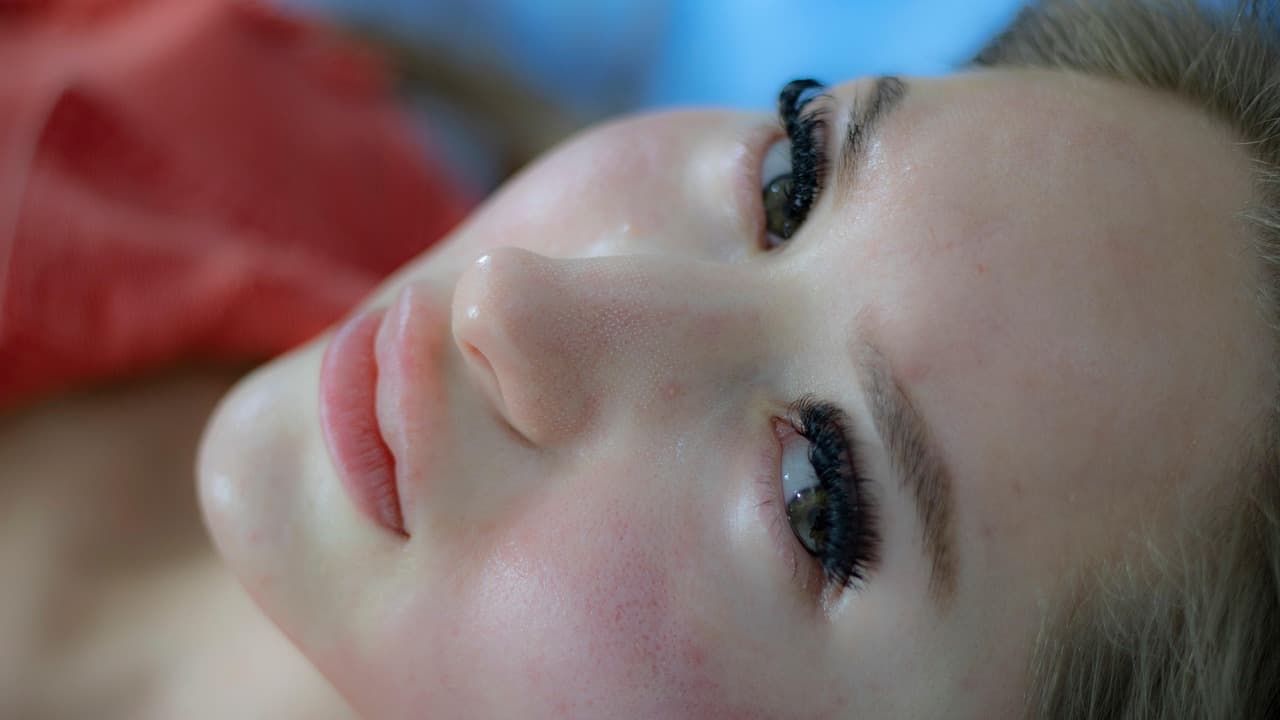
Of all the red light therapy benefits researchers have studied, skin health is the most extensively documented. The evidence base is strong enough that the FDA has cleared red light devices for several dermatological indications. This is where RLT clearly outperforms NIR -- the shallower penetration depth is exactly what skin-level treatment needs.
Collagen Production and Anti-Aging
The anti-aging effects of red light therapy come from its ability to stimulate fibroblasts -- the cells in your dermis that produce collagen and elastin. As we age, fibroblast activity naturally declines, leading to thinner skin, loss of elasticity, and the formation of wrinkles. Red light reverses that decline by delivering energy directly to these cells.
A controlled trial treated 136 volunteers with red and near-infrared LED light and used ultrasound to measure intradermal collagen density before and after treatment. The treated group showed significantly improved skin complexion, reduced skin roughness, and increased collagen density compared with controls (Wunsch & Matuschka, Photomedicine and Laser Surgery, 2014).
More recent randomized work has also documented objective wrinkle reduction: a split-face randomized controlled trial found that 660nm red photobiomodulation reduced periocular wrinkle volume by roughly 30% (Photobiomodulation, Photomedicine, and Laser Surgery, 2023). The changes are real and measurable but modest, and they accumulate slowly over weeks of consistent use.
For people searching for red light therapy before and after results, the clinical data supports real, measurable improvements in skin texture and wrinkle depth. The changes are not dramatic enough to replace cosmetic procedures like laser resurfacing or injectables, but they are genuine and they accumulate over time with consistent use.
Acne, Wound Healing, and Hair Growth
Beyond anti-aging, red light has demonstrated benefits across several other skin conditions:
Acne. Red light helps reduce the inflammation associated with active acne lesions, and the strongest evidence is for combining it with blue light. A review of light-based acne therapies reported that blue-red light combinations reduced inflammatory lesions by roughly 69-77%, with blue light (around 415nm) targeting Cutibacterium acnes porphyrins and red light penetrating deeper to exert anti-inflammatory effects (Light-based therapies in acne treatment, Indian Dermatology Online Journal, 2015). Many LED masks use this red-blue combination.
Wound healing. This is one of the earliest applications of photobiomodulation. Red light is thought to accelerate wound closure by stimulating cellular proliferation and angiogenesis. A systematic review and meta-analysis of low-level laser therapy in skin wounds found significantly greater wound-size reduction, faster healing, and lower pain scores compared with controls (Cureus, 2024).
Hair growth. The evidence for red light and hair restoration is comparatively strong. A systematic review and meta-analysis of double-blind randomized controlled trials found that low-level laser therapy significantly increased hair density versus sham in androgenetic alopecia (Comparative effectiveness of low-level laser therapy for adult androgenic alopecia, PubMed, 2019). The FDA has cleared several low-level laser/LED devices for treating androgenetic alopecia.
If you are building a skincare routine that goes beyond topical products, red light therapy addresses skin health at the cellular level in a way that creams and serums simply cannot. Think of it as feeding your skin cells the specific wavelength of energy they need to produce more collagen and repair damage.
Near-Infrared for Muscle Recovery and Pain Relief

This is where NIR separates itself from red light. The deeper penetration makes NIR the clear choice for anyone dealing with muscle soreness, joint pain, or sports recovery needs. While red light therapy for muscle recovery gets a lot of marketing attention, the wavelength that actually reaches deep muscle tissue is near-infrared.
Muscle Recovery After Exercise
NIR light reaches muscle tissue directly. When your muscles are damaged from intense exercise -- whether that is microtears from resistance training or metabolic stress from endurance work -- NIR delivers photonic energy to the muscle cells' mitochondria, accelerating ATP production and fueling the cellular repair process.
A review of photobiomodulation in human muscle tissue concluded that light delivered to muscles before exercise (and, to a lesser extent, after) can increase sports performance, delay fatigue, and reduce post-exercise creatine kinase, a blood marker of muscle damage (Ferraresi et al., Journal of Biophotonics, 2016).
For delayed-onset muscle soreness (DOMS) specifically, the evidence is weaker than marketing suggests. A systematic review and meta-analysis of 15 trials concluded that low-level phototherapy "may not have substantial effect" on exercise-induced muscle injury and pain, with the only modest positive finding being reduced creatine kinase when light was applied before exercise (Lasers in Medical Science, 2016). In short: pre-exercise treatment shows the most promise, but you should not expect dramatic soreness relief.
If you are already using mechanical recovery tools like those covered in our foam roller vs massage gun comparison, NIR therapy addresses recovery from a completely different angle. Foam rollers and massage guns work on mechanical tissue restrictions. NIR works on cellular energy production and inflammation. The mechanisms do not overlap, so the benefits stack.
Joint Pain and Chronic Inflammation
When comparing red vs near-infrared for pain relief, NIR has a clear edge for chronic joint conditions. The reason is straightforward: joint tissue sits beneath layers of skin, subcutaneous fat, and muscle. Red light cannot reach it. NIR can.
Reviews of photobiomodulation for knee osteoarthritis report reductions in pain (often measured with the Visual Analog Scale) and improvements in knee function (measured with the WOMAC index), with some evidence that benefits persist after the treatment period. Importantly, the authors stress that results are inconsistent across trials and depend heavily on the light parameters used (Frontiers in Cell and Developmental Biology, 2023). A recent randomized controlled trial similarly found significant pain and WOMAC improvements in the PBM group versus sham (PubMed, 2025).
The deep penetration of NIR wavelengths is what makes them plausible for joint and connective-tissue targets, allowing the light to reach paraspinal muscles, fascia, and joint capsules -- structures red light cannot reach. That said, optimal dosing for back and joint pain is still not well established, so treat any guarantee of relief with caution.
For managing inflammation more broadly, NIR therapy pairs well with other anti-inflammatory approaches. Our cold plunge vs sauna comparison covers how thermal therapy reduces inflammation through heat shock proteins and vasoconstriction. NIR reduces inflammation through a completely different pathway -- cellular energy modulation. Using NIR alongside thermal recovery methods addresses inflammation from multiple angles, and the mechanisms complement rather than compete with each other.
If you are dealing with chronic pain and looking at nutrition as well, our anti-inflammatory foods guide covers dietary strategies that work alongside physical therapies like NIR.
Red Light Therapy Dosage -- How Long and How Often?
One of the most searched questions in this space, and for good reason. Dosing with light therapy is less intuitive than taking a pill. You need to consider session length, distance from the device, frequency, and total energy delivered.
Recommended Session Length
The general guideline is 10-20 minutes per treatment area, at a distance of 6-12 inches from the device. But the specifics depend on what you are trying to accomplish:
| Goal | Session Time | Distance from Device | Frequency |
|---|---|---|---|
| Skin health / anti-aging | 10-15 minutes | 6-8 inches | 3-5 times per week |
| Muscle recovery | 15-20 minutes | 6-12 inches | 3-5 times per week |
| Pain relief | 15-20 minutes | 6-12 inches | 4-7 times per week |
| General wellness | 10-15 minutes | 8-12 inches | 3-4 times per week |
Most clinical studies use treatment times in the 10-20 minute range per session. Going longer than 20 minutes on a single area does not necessarily produce better results, and the biphasic dose response applies here too -- too much light can actually reduce the therapeutic effect.
How Long Before You See Results?
This varies significantly based on the goal:
Skin effects (collagen, wrinkles, tone): 4-8 weeks of consistent use. Collagen synthesis operates on a slow cycle. Your body does not produce new collagen overnight. Studies that measured collagen density changes typically ran for 8-12 weeks before detecting statistically meaningful differences. If you are using red light for skin, give it at least two months before judging the results.
Muscle recovery: Immediate to 2 weeks. The acute effects of NIR on muscle soreness and recovery can be felt after the first few sessions. The pre-exercise performance enhancement effects show up within the first week of use in most studies.
Pain relief: 2-4 weeks. Chronic pain responds gradually to photobiomodulation. The studies showing the strongest pain relief results generally ran for 3-4 weeks or longer. Consistency is critical here -- using NIR once and expecting permanent pain relief is not realistic.
The research protocols that produced the most meaningful results all shared one thing in common: consistency over a minimum of 4-12 weeks. Occasional use might feel good in the moment, but the cellular-level changes that produce lasting benefits require regular sessions over an extended period.
Common Dosage Mistakes
Three errors I see repeatedly:
Going too long. More light is not better. The biphasic dose response is well-documented in PBM research. Exceeding the optimal dose actually inhibits the cellular mechanisms you are trying to stimulate. If your device recommends 15 minutes, doing 45 minutes is not three times as effective -- it may be less effective than 15 minutes.
Wrong distance. Energy density drops off fast with distance. At 6 inches from a quality panel, you might receive 100-150 mW/cm2 (milliwatts per square centimeter). At 18 inches, that drops to roughly 15-25 mW/cm2. If you sit too far away, you are not getting a therapeutic dose. Too close, and you may exceed the optimal dose. Follow your device manufacturer's distance recommendations.
Inconsistent use. One 30-minute session per week is less effective than five 10-minute sessions. The research on photobiomodulation consistently shows that regular, repeated exposure produces better results than sporadic longer sessions. Find a routine you can stick with and prioritize consistency over intensity.
Red Light Therapy at Home -- Choosing the Right Device

The device you choose matters more than most people realize. A weak device with poor output is just an expensive nightlight. Here is how to navigate the options for finding the best red light therapy device for your home setup.
Device Types -- Panel vs Handheld vs Mask
| Device Type | Coverage Area | Power Output | Price Range | Best For |
|---|---|---|---|---|
| Full-body panel | Large (torso, back, legs) | Highest ($150-$1,000+) | $200-$1,000+ | Full-body recovery, athletes, maximum coverage |
| Mid-size panel | Medium (face, neck, shoulder, knee) | High | $150-$400 | Targeted areas, good balance of power and price |
| Handheld/wand | Small (spot treatment) | Moderate | $50-$200 | Travel, specific trouble spots, beginners |
| Face mask | Face only | Low to moderate | $50-$300 | Skincare, anti-aging, convenient daily use |
Full-body panels are what you see in professional recovery clinics. They cover a large area and deliver the highest power output, which means shorter session times. The downside is cost and space -- a full-body panel takes up significant wall or floor space.
Handheld devices are great for targeting specific areas like a sore knee, a painful shoulder, or an elbow tendon. They are also the most travel-friendly option. The limitation is that treating large areas (like your entire back) takes forever with a handheld.
Face masks have exploded in popularity for skincare. They deliver red light (and sometimes near-infrared) directly to the face in a convenient wearable format. For anti-aging and skin health specifically, they are a solid choice. Just do not expect a face mask to help with your knee pain.
What to Look for in a Red Light Therapy Device
| Criteria | What to Check |
|---|---|
| Wavelengths | Look for 630nm + 660nm (red light) AND 830nm + 850nm (near-infrared) for combination treatment |
| Irradiance (power output) | At least 100 mW/cm2 measured at 6 inches from the device. Some manufacturers overstate this -- look for independent testing data |
| FDA clearance | At minimum, FDA-cleared as a Class II medical device. This is not the same as FDA approval, but it means the device has been reviewed for safety |
| EMF levels | Low electromagnetic field emissions. Reputable manufacturers publish EMF testing data |
| Timer function | Built-in timer so you do not have to watch a clock |
| Warranty | Minimum 1 year. Quality panels should come with 2-3 year warranties |
| Modality switch | Ability to switch between red light only, NIR only, or both simultaneously |
The irradiance specification is the one most people overlook and the one that matters most. A device can have the correct wavelengths but if its power output is too low, the energy delivered to your tissue falls below the therapeutic threshold. Look for manufacturers who provide independently verified irradiance measurements, not just their own internal testing numbers.
RLT Only vs RLT+NIR Combo Devices
This is the practical decision most buyers face.
Most devices on the market are combination units that deliver both red light and near-infrared simultaneously. This is because the evidence supports combination treatment for most general wellness applications. You get the surface-level skin benefits of red light plus the deep tissue benefits of NIR in a single session.
When RLT-only makes sense: If your only goal is facial skincare or anti-aging, a red-light-only device (especially a face mask) is sufficient. You do not need near-infrared to reach the dermis -- red light penetrates that far. RLT-only devices are also generally cheaper and simpler.
When RLT+NIR combo is the better choice: If you want to address muscle recovery, joint pain, or full-body wellness alongside skin health, a combination device is the way to go. The price difference between RLT-only and RLT+NIR combo devices has narrowed considerably, and having both wavelengths available gives you more treatment options.
Price breakdown: RLT-only devices typically run $50-$300. RLT+NIR combination devices start around $150 and go up to $1,000+ for full-body panels with high irradiance output.
Which Should You Choose? Goal-Based Recommendation

Forget the wavelength debate for a moment. What are you actually trying to fix? Match the tool to the goal:
| Goal | Best Choice | Why |
|---|---|---|
| Skin health / anti-aging | Red Light (630-660nm) | Penetrates to dermis, stimulates fibroblasts, boosts collagen production |
| Muscle recovery | Near-Infrared (830-850nm) | Reaches deep muscle tissue, accelerates ATP-driven cellular repair |
| Joint pain relief | Near-Infrared (830-850nm) | Penetrates to joint capsules and surrounding connective tissue |
| Hair growth | Red Light (660nm) | Stimulates hair follicle cells at the scalp surface level |
| Full-body wellness | RLT+NIR Combo | Covers surface and deep tissue simultaneously |
| Sports performance | Near-Infrared (830-850nm) | Pre-exercise treatment delays fatigue and reduces muscle damage markers |
| Wound healing | Red Light (660nm) | Stimulates cellular proliferation and angiogenesis in surface tissue |
| General home wellness | RLT+NIR Combo | Multi-purpose, covers the widest range of potential benefits |
On a budget or unsure where to start? A mid-size RLT+NIR combination panel in the $150-$300 range gives you the most versatility. You can use the red light mode for skin and the NIR mode for deep tissue recovery. If you find yourself consistently using only one wavelength, you will know where to invest next.
If you are already using other recovery tools, NIR therapy fits naturally into most routines. Our epsom salt bath vs ice bath comparison covers thermal recovery methods that complement NIR's cellular-level effects. And if you are looking at the supplement side of recovery, our guide to magnesium for muscle recovery and sleep covers a mineral that works through yet another pathway to support the same goals.
For stress management alongside physical recovery, adaptogen supplements for stress and recovery can complement the physical benefits of light therapy with hormonal support.
Frequently Asked Questions
Is near-infrared better than red light therapy?
Neither is universally better. Red light excels at surface-level concerns -- skin health, collagen production, wound healing, and hair growth. Near-infrared excels at deep tissue concerns -- muscle recovery, joint pain, and deep inflammation. Many devices combine both wavelengths, and for most people, combination treatment gives the broadest range of benefits. The "best" choice depends entirely on what you are trying to accomplish.
Can you see near-infrared light?
Most NIR light (800-900nm) is invisible to the human eye. The upper limit of human vision is approximately 750nm, and NIR wavelengths fall above that threshold. Some NIR devices emit a faint red glow alongside the invisible NIR output, which can make it look like some of the LEDs are brighter than others. On combination panels, you will typically see the red LEDs (630nm, 660nm) glowing brightly and the NIR LEDs (830nm, 850nm) appearing dark or very dim. The NIR LEDs are working -- you just cannot see them.
How long does it take to see results from red light therapy?
It depends on what you are treating. Skin benefits like improved texture and reduced wrinkles typically appear after 4-8 weeks of consistent use, reflecting the time your body needs to synthesize new collagen. Muscle recovery effects can be felt immediately or within the first few sessions. Pain relief from chronic conditions like osteoarthritis generally takes 2-4 weeks of regular treatment. The clinical protocols that produced the strongest results across all categories ran for a minimum of 4-12 weeks.
Can I use red light therapy every day?
Daily use is generally safe for most people. Most clinical protocols use 3-5 sessions per week, but studies using daily 10-15 minute sessions have reported good tolerability with no adverse effects. The key is keeping each session within the recommended time range for your device and not treating the same area multiple times in one day. More is not better with photobiomodulation -- exceeding the optimal dose can reduce or reverse the therapeutic effect.
Does red light therapy work through clothing?
No. Both red light and NIR need direct skin exposure to deliver meaningful energy to your tissue. Clothing blocks or significantly attenuates the light, reducing the energy that reaches your cells to well below therapeutic levels. Expose the treatment area directly to the device. Thin, sheer, or mesh fabrics still block enough light to make the treatment ineffective.
Is red light therapy safe for eyes?
Most FDA-cleared devices are safe for general use, but you should not stare directly into the LEDs. The concentrated light can be uncomfortable and potentially harmful with prolonged direct exposure. Protective eyewear is recommended during full-face or full-body panel sessions, especially when using devices with high irradiance output. The 810nm NIR wavelength is currently being studied for potential retinal health benefits, but this research is preliminary and should only be pursued under medical supervision.
Red light therapy vs infrared sauna -- what is the difference?
These are fundamentally different therapies. An infrared sauna uses far-infrared wavelengths (typically 3,000-100,000nm) to heat your body from the outside in, inducing sweating, elevated heart rate, and cardiovascular stress similar to moderate exercise. Red light therapy and NIR therapy use specific wavelengths (630-850nm) that are not felt as heat. Instead, they target cellular energy production directly through photobiomodulation without significantly raising your core body temperature. They work through entirely different mechanisms and can be complementary. Our cold plunge vs sauna comparison goes deeper into heat-based recovery if you want to explore that side of the equation.
What is the best red light therapy device in 2026?
There is no single "best" device -- it depends on your budget, goals, and treatment area. For most people starting out, a mid-size RLT+NIR combination panel ($150-$400) from a reputable manufacturer with verified irradiance data, FDA clearance, and at least a 1-year warranty is the smartest investment. Look for devices that specify their wavelengths (630nm, 660nm, 830nm, 850nm), publish independent irradiance measurements, and offer a mode switch between red, NIR, and combination treatment. Avoid devices that do not list specific wavelengths or power output specifications.
References
- Mechanisms and Mitochondrial Redox Signaling in Photobiomodulation -- Photochemistry and Photobiology, 2018
- Mechanisms of Low Level Light Therapy (Hamblin & Demidova) -- Proc. SPIE / photobiology.info, 2006
- Mechanisms and applications of the anti-inflammatory effects of photobiomodulation -- AIMS Biophysics, 2017
- Biphasic Dose Response in Low Level Light Therapy -- An Update -- Dose-Response, 2011
- NASA Research Illuminates Medical Uses of Light -- NASA Spinoff
- Wunsch & Matuschka, A Controlled Trial of Red and Near-Infrared Light for Wrinkles and Intradermal Collagen Density -- Photomedicine and Laser Surgery, 2014
- Photobiomodulation Reduces Periocular Wrinkle Volume by 30%: A Randomized Controlled Trial -- Photobiomodulation, Photomedicine, and Laser Surgery, 2023
- Light-based therapies in acne treatment -- Indian Dermatology Online Journal, 2015
- The Effects of Low-Level Laser Therapy on Wound Healing and Pain Management in Skin Wounds: A Systematic Review and Meta-Analysis -- Cureus, 2024
- Low-level light therapy using a helmet-type device for androgenetic alopecia: a randomized, double-blind, sham-controlled trial -- Medicine (Baltimore), 2020
- Comparative effectiveness of low-level laser therapy for adult androgenic alopecia: a systematic review and meta-analysis of RCTs -- Lasers in Medical Science, 2019
- Ferraresi et al., Photobiomodulation in human muscle tissue: an advantage in sports performance? -- Journal of Biophotonics, 2016
- Effect of low-level phototherapy on delayed onset muscle soreness: a systematic review and meta-analysis -- Lasers in Medical Science, 2016
- Current advances of photobiomodulation therapy in treating knee osteoarthritis -- Frontiers in Cell and Developmental Biology, 2023
- Effect of Photobiomodulation (Low-Level Laser Therapy) in Patients With Knee Osteoarthritis: A Randomized Controlled Trial -- Lasers in Medical Science, 2025
Final Takeaway
Red light and near-infrared are not the same thing, and understanding the difference is what separates a worthwhile purchase from an expensive decoration.
They share the same underlying mechanism -- photobiomodulation -- and both increase cellular energy production, reduce inflammation, and support tissue repair. But they deliver those benefits at different depths. Red light (630-700nm) works in the top 1-5mm, making it the right tool for skin health, collagen, and surface-level concerns. Near-infrared (800-900nm) penetrates 5-50mm, reaching muscle, tendon, and joint tissue where red light cannot go.
If your priority is skincare and anti-aging, red light is sufficient. If your priority is muscle recovery or joint pain, NIR is the better choice. For most people, a combination device that delivers both wavelengths is the most practical and versatile option. Whatever you choose, consistency over 4-12 weeks is what produces the results documented in the research. A device you use three times a week for two months will outperform a more expensive device you use twice and forget about.
Are you currently using a red light therapy device? Drop a comment below and share what wavelengths it uses, what you are treating, and whether you have noticed a difference. Real user experiences help everyone make better decisions.
Related guides:
- Heat and cold for recovery: Cold plunge vs sauna benefits comparison
- Mechanical recovery tools: Foam roller vs massage gun for recovery
- Thermal recovery methods: Epsom salt bath vs ice bath
- Muscle and sleep support: Magnesium for muscle recovery and sleep
- Stress and recovery supplements: Adaptogen supplements for stress and recovery
- Fighting inflammation through food: Anti-inflammatory foods guide
This article is for informational purposes only and is not intended as medical advice. Consult your healthcare provider before starting red light therapy, especially if you have photosensitivity disorders, are pregnant, take photosensitizing medications, or have a history of eye conditions. If you experience discomfort, skin irritation, or vision changes during treatment, stop immediately and consult a healthcare professional.
Matcha vs Coffee: Which Is Healthier? Caffeine, L-Theanine, Antioxidants & Energy Compared (2026 Guide)
Next →Resistance Bands vs Free Weights: Which Builds More Muscle? (Science-Backed 2026 Guide)