Does Collagen Break a Fast? It Depends on Your Goal (Autophagy, Insulin, Weight Loss, Gut Rest)
Does collagen break a fast? It depends on your goal. A matrix for autophagy, insulin, weight loss, and gut rest — with the studies and Reddit threads.
Does Collagen Break a Fast? It Depends on Your Goal (Autophagy, Insulin, Weight Loss, Gut Rest)
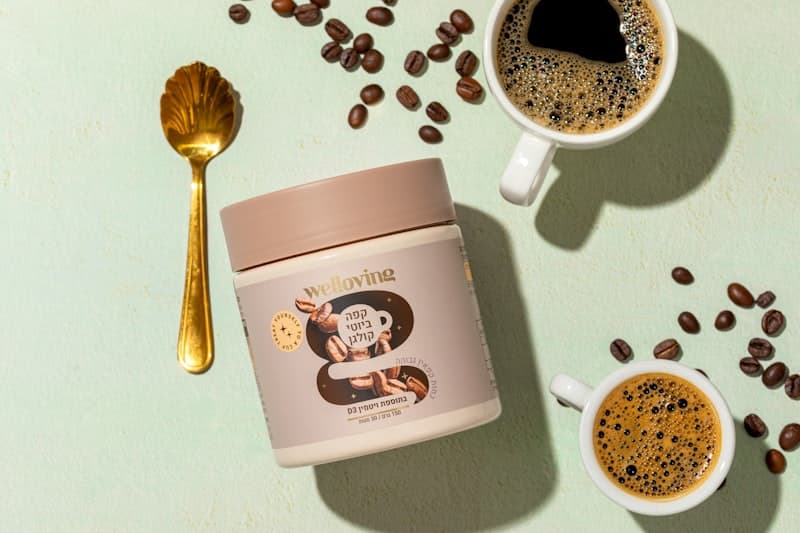
Almost every week, someone posts the same question in r/intermittentfasting, r/fasting, and r/ketogains: "I put a scoop of Vital Proteins collagen in my black coffee this morning — did I just break my fast?" The replies never agree. One camp says the calories are too tiny to matter. Another says any amino acid kills autophagy. A third says the real question isn't "does collagen break a fast" — it's "what are you fasting for?"
That third camp is right, and it's the framing this article uses. The reason no single answer exists is that fasting itself is defined differently depending on your goal. Weight-loss fasting runs on energy balance. Autophagy fasting runs on suppressing a nutrient-sensing pathway called mTORC1. Insulin-reduction fasting runs on keeping glucose and insulin flat. Gut-rest fasting runs on keeping digestive secretions quiet. One scoop of collagen — roughly 10 g of protein and 35–40 kcal — is harmless under one of those definitions and decisive under another.
Here's what this article gives you: (1) a goal-by-goal decision matrix that answers the question in one glance, (2) a catalog of how the Reddit factions actually argue, (3) a check on the popular "Dr. Fung says 50 calories is fine" convention, and (4) how to pick the closest thing to a genuinely "fast-safe" collagen.
The 10-second answer
| If your fast is for… | Collagen in the window? |
|---|---|
| Autophagy | ❌ Avoid — protein activates mTORC1 and suppresses autophagy |
| Insulin resistance / ketosis | ⚠️ Gray zone — small but real insulin response; measure if sensitive |
| Weight loss | ✅ Generally fine — 35–40 kcal is "dirty fasting" and may help adherence |
| Gut rest | ❌ Avoid — protein triggers digestive secretions, defeating the purpose |
The rest of the article unpacks the "why" behind each verdict.
Why "Does Collagen Break a Fast?" Has No Single Answer
"Fasting" looks like one behavior — not eating — but biologically it's four different things wearing the same outfit. Each goal has its own threshold for what counts as "breaking" it:
- Weight loss cares about energy balance across the day. A 35-kcal scoop barely moves the needle.
- Insulin reduction cares about anything that triggers insulin or incretin (GLP-1, GIP) release. Protein does this, even with zero carbs.
- Autophagy cares about the mTORC1 nutrient-sensing pathway. Amino acids — any amino acids, including the glycine and proline that dominate collagen — flip mTORC1 back on and pause autophagy (PMC5869864, PMC4580722).
- Gut rest cares about minimizing gastric acid, pancreatic enzymes, and bile. Protein digestion is a direct trigger.
So when someone asks "does collagen break a fast," the only honest reply is another question: which of those four fasts are you running? If you want the broader science on what collagen does and doesn't do — its benefits, mechanisms, and full amino acid profile — the collagen peptides benefits guide covers that. This article stays narrowly on the fasting-window question.
The Collagen Nutrition Snapshot — What's Actually in One Scoop?
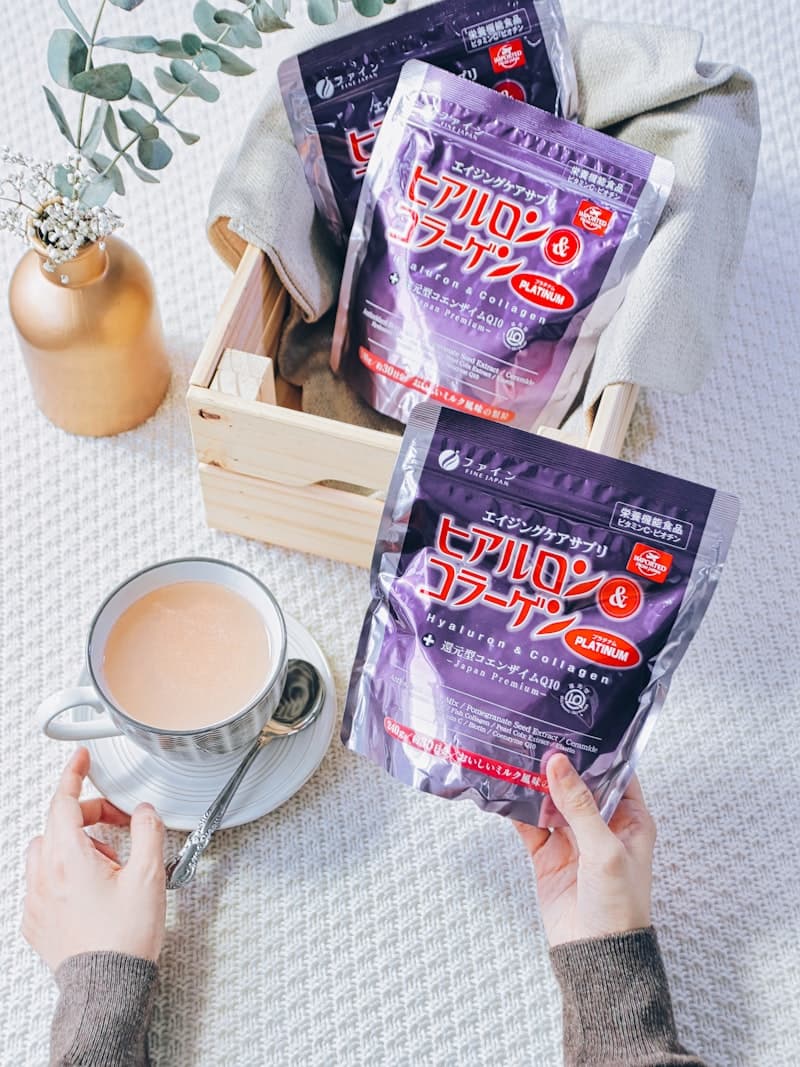
Before judging whether collagen breaks a fast, it helps to know what you're actually putting in the cup. Here's the snapshot for one scoop (~10 g) of plain hydrolyzed collagen peptides — the kind sold by Vital Proteins, Amandean, Naked Nutrition, and similar brands.
| Per ~10 g scoop (plain hydrolyzed peptides) | Typical value |
|---|---|
| Calories | ~35–40 kcal |
| Protein | ~9–10 g |
| Carbohydrates | ~0 g |
| Sugar | ~0 g |
| Fat | ~0 g |
| Glycine | ~22–33% of amino acids |
| Proline | ~12–15% |
| Hydroxyproline | ~10–12% |
| Essential amino acids | ~14% (tryptophan is essentially absent) |
A few things are worth flagging. First, collagen is an incomplete protein — it's nearly devoid of tryptophan and low in overall essential amino acids, which matters if you're relying on it as your main protein source (PMC6566836). Its amino acid mix is unusual: glycine, proline, and hydroxyproline together make up roughly half of the total, in an approximate 3:1:1 ratio (PubMed 28929384).
Second, and this is the part most fasting guides skip: the calories are zero-carb, but the insulin response is not zero. Pure protein stimulates insulin — that's well established — and glycine specifically has been shown to produce a modest insulin response in older metabolic research, mediated partly by gut hormone signaling (PubMed 12450897). At the same time, glycine supplementation improved insulin sensitivity in an animal model of insulin resistance (PMC5841105) — though that's a rat study, not a human one. That nuance — same amino acid, different effects depending on context — is exactly why the insulin/ketosis row of the matrix below is a "gray zone" rather than a clean yes or no.
Note: the numbers above are for plain hydrolyzed peptides. Many "collagen creamer" products add MCT oil, coconut milk powder, flavors, sweeteners, or maltodextrin — those change the picture significantly. How to read the label is covered later.
The Decision Matrix — Does Collagen Break Your Fast by Goal?

This is the core of the article. Read the row that matches your reason for fasting.
| Fasting goal | Collagen in the window? | Why (primary-source basis) | Practical call |
|---|---|---|---|
| Autophagy | ❌ Breaks it | Protein/amino acids activate mTORC1, which suppresses autophagy initiation (PMC5869864, PMC4580722) | Keep the window water, black coffee, plain tea only. Move collagen to the eating window. |
| Insulin resistance / ketosis | ⚠️ Gray zone | Pure protein triggers insulin and incretin responses, though smaller than carbs (ajcn glycine study). Glycine has mixed effects (PMC5841105, PubMed 12450897) | Try a small amount (≤5 g). If you track glucose or ketones, check before and after. |
| Weight loss | ✅ Generally fine | Energy balance dominates; 35–40 kcal is negligible in the day's total | One scoop in coffee is a reasonable "dirty fasting" choice if it keeps you on plan. |
| Gut rest | ❌ Breaks it | Protein intake stimulates gastric acid, enzymes, and bile — the opposite of rest (AJP Gastrointestinal) | Water, black coffee, plain tea only. Collagen in the eating window. |
Autophagy Goal — Why Even a Little Protein Is a Problem
Autophagy is the cell's internal recycling process, and its master brake is mTORC1. When mTORC1 is active — which happens within minutes of amino acids showing up in the cell — it phosphorylates the autophagy-initiation machinery (ULK1, Atg13) and shuts the process down (PMC5869864; Frontiers in Cell and Developmental Biology, 2021). Leucine is the most potent trigger, but no individual amino acid is silent on this pathway — glycine and proline included.
So if autophagy is the point of your fast, protein of any kind — including collagen — is off the table during the window. That part is straightforward.
What's less straightforward, and worth being honest about: we don't actually know the precise hour-by-hour autophagy timeline in humans. Most of what gets repeated online ("autophagy starts at 16 hours," "deep autophagy at 48 hours") comes from animal data or surrogate markers, and a registered clinical trial on fasting-induced autophagy in humans explicitly flags this as a knowledge gap (ClinicalTrials.gov NCT04842864). One animal study that directly measured intestinal autophagy across fasting durations — in broiler chickens, fasted 12 to 72 hours — saw autophagy markers rise across that window (PMC8388447). It's a useful directional signal, not a human timeline. What that means practically: if you're only doing a 12–14 hour overnight fast, the autophagy "loss" from one scoop of collagen is probably modest simply because the fast itself is modest. For longer, autophagy-focused fasts, it's a clear reason to keep the window clean.
Insulin & Ketosis Goal — The Gray Zone
This is where it gets genuinely ambiguous. Plain collagen peptides have zero carbohydrates, so there's no glucose spike to worry about. But protein itself stimulates insulin and the incretin hormones (GLP-1, GIP) — that's been shown repeatedly with whey and other proteins (whey premeal study; protein & incretin responses). A 10 g dose of collagen is much smaller than a protein shake, but the mechanism doesn't switch off just because the dose is smaller.
The glycine wrinkle: glycine — collagen's dominant amino acid — has been shown to improve insulin sensitivity in an animal supplementation study (PMC5841105), while older human work found it produces a modest acute insulin release (PubMed 12450897). That sounds contradictory, but it isn't really — acute insulin secretion and chronic insulin sensitivity are different things, and the sensitivity finding comes from rats, not people. What it does mean is you can't safely generalize "glycine is safe" to "collagen is safe for ketosis." Collagen is a mix of ~19 amino acids, not pure glycine.
For ketosis specifically, classic ketogenic diets deliberately cap protein (around 1 g/kg body weight) because excess protein can be gluconeogenic and pull people out of deep ketosis (PMC9312449; Harvard Nutrition Source). A single scoop is a small fraction of that ceiling, but if you're chasing therapeutic ketosis and measuring with a ketone meter, the only honest answer is: test it on yourself. If you're also trying to align collagen timing with training, the collagen before or after workout guide walks through how those two windows interact.
Weight Loss Goal — Why "Dirty Fasting" Usually Works
For weight loss, the dominant variable is total energy intake across the day and week. Against that, 35–40 kcal from one collagen scoop is noise — it's about 2% of a 2,000-kcal day. What the scoop can do is help you actually stick to the fasting window. A lot of people find that plain black coffee with a scoop of collagen is enough to take the edge off morning hunger, which is the difference between making it to noon and breaking the fast on a pastry at 10 a.m.
This is the core of "dirty fasting" — deliberately allowing a small amount of calories during the window in exchange for better adherence and appetite control. For weight-loss goals, the trade is usually a good one. The one failure mode to watch for: if collagen in coffee stimulates your appetite and leads to overeating later, it's working against you, not for you. Self-monitoring beats any rule.
Gut Rest Goal — Why Collagen Defeats the Purpose
Gut rest is the least-discussed fasting goal, and it has the cleanest answer. The point of a gut-rest fast is to give the digestive system a break — minimal gastric acid secretion, minimal pancreatic enzymes, minimal bile. Protein intake is a direct signal to secrete all of the above. Reviews of fasting physiology describe the fasting window as a defined period of "gut rest" that improves microbiota diversity and barrier function (American Journal of Physiology — Gastrointestinal and Liver Physiology; PMC10894978). Putting protein — any protein — into that window restarts the secretory machinery and removes the rest.
You'll sometimes see the claim that collagen's glutamine content is "good for gut barrier repair." That's a real finding, but it applies to collagen consumed in the eating window as part of overall nutrition — not to sneaking it into a fast meant to rest the gut. If gut rest is your goal, keep the window to water, black coffee (small amount), and plain tea.
What Reddit Actually Argues — The Three Factions

Wading through the recurring threads on r/intermittentfasting, r/fasting, and r/ketogains, the arguments sort into three repeating positions. This table is a pattern classification, not a quote of any individual user — and forums are not primary medical sources.
| Faction | Core claim | Where it shows up | Where it lands |
|---|---|---|---|
| The calorie minimalists | 35–40 kcal won't break a fast; Dr. Fung allows it | r/intermittentfasting, r/ketogains | Mostly weight-loss fasters |
| The strict autophagy camp | Any protein activates mTOR and kills autophagy; water and black coffee only | r/fasting, parts of r/intermittentfasting | Autophagy and extended fasters |
| The goal-conditional camp | There's no universal answer — it depends on autophagy vs. insulin vs. weight vs. gut | Across all three subreddits, usually the more upvoted nuanced replies | This article's framing |
A few subreddit-specific nuances:
- r/intermittentfasting is the most relaxed about "dirty fasting." Vital Proteins in morning coffee is an established routine for many regulars, and you'll often see the "just don't overthink 40 calories" reply.
- r/fasting skews toward longer fasts (24+ hours), so the strict position dominates. "Collagen = broken fast" gets stated as fact more often here.
- r/ketogains blends ketosis maintenance with training. The recurring experiment is small amounts of collagen plus MCT oil in coffee — a modified "bulletproof" variant — with people reporting back on ketone readings.
Example threads where these patterns play out include r/intermittentfasting discussions on collagen during fasting hours, r/fasting threads like "Will taking collagen break autophagy?" and "Does this collagen break my fast?" — but again, treat these as community debate, not evidence.
The Dr. Fung Convention Check — "50 Calories Won't Break a Fast" Is Half Right

Dr. Jason Fung's widely-circulated guideline — that under roughly 50 calories won't break a fast — gets quoted constantly in these threads. The problem isn't that he's wrong. The problem is the context gets stripped out when the guideline travels.
Fung's clinical focus is obesity and type 2 diabetes, where the goals are weight loss and insulin reduction. Under those goals, his rule is internally consistent: a scoop of collagen (35–40 kcal) won't meaningfully change daily energy balance and its insulin effect is small relative to a typical meal. He's right for his frame.
What the convention doesn't survive is being carried over to autophagy or gut-rest fasting. Those goals aren't governed by a calorie threshold at all. They're governed by mTORC1 activation (for autophagy) and digestive secretions (for gut rest) — and 35 kcal of pure protein flips both of those switches just as hard as 350 kcal would. So the verdict isn't "Fung is wrong." It's "Fung's rule is goal-specific, and if your goal isn't the one he was optimizing for, you need a different rule." The primary-source physiology on mTORC1 and autophagy (PMC5869864; PMC4580722) is the final authority here, not any single clinician's summary.
How to Pick the Closest Thing to a "Fast-Safe" Collagen

If you've decided that for your goal collagen stays in the eating window, the choice of product doesn't matter much — any plain peptides will do. But if you're in the gray zone (insulin/ketosis) or doing dirty fasting for weight loss, product choice does matter, and the "fast-safe" candidates share a few traits:
What you want:
- One ingredient: hydrolyzed collagen peptides (bovine, marine, or both). Nothing else.
- Zero carbs, zero sugar, zero fat on the nutrition panel.
- No flavors, no sweeteners, no "creamers."
What to avoid on the label:
- Maltodextrin, dextrose, fructose — actual carbs that will spike insulin and clearly break a fast.
- Stevia, erythritol, monk fruit — the insulin-response data on non-nutritive sweeteners is genuinely mixed; if you're being strict, skip them.
- Flavors and "collagen creamer" blends — these usually combine MCT/coconut powder with collagen and are a different product entirely.
- Added vitamins in a "beauty blend" — fine nutritionally, but a sign it's not a single-ingredient product.
A three-step label check:
- Serving size — usually 10–20 g. Know what you're actually consuming.
- Ingredient list — it should be one line: "hydrolyzed collagen peptides" (or "collagen hydrolysate").
- Nutrition panel — carbs, sugar, and fat should all read 0 g.
Plain peptides lines from brands like Vital Proteins, Amandean, and Naked Nutrition are commonly cited as single-ingredient examples — not as endorsements, but as the kind of product that fits. If absorption is on your mind, the vitamin C and collagen absorption article untangles the common synthesis-vs-absorption confusion. And if you're stacking it with creatine and wondering how that interacts with your fasting protocol, the collagen and creatine together guide covers it.
FAQ — Quick Answers to Common Fasting + Collagen Questions
Does collagen in black coffee break a fast? Depends on the goal. For weight loss, generally no — 35–40 kcal is negligible. For autophagy or gut rest, yes — the protein activates mTORC1 and triggers digestive secretions. For insulin/ketosis goals, it's a gray zone worth testing.
Does one scoop of collagen stop autophagy? The protein in collagen activates mTORC1, which suppresses autophagy initiation (PMC5869864). If autophagy is your goal, keep the window protein-free.
Does collagen raise insulin while fasting? Pure peptides have zero carbs, so there's no glucose spike. But 10 g of protein does produce a small insulin and incretin response (ajcn glycine study). If you're tracking ketones or are insulin-resistant, measure your own response.
What is "dirty fasting"? Allowing a small number of calories (commonly under ~50 kcal) during the fasting window to improve adherence, while still keeping most of the appetite and rhythm benefits. Popular with weight-loss fasters; not appropriate for autophagy or gut-rest goals.
Dr. Fung says collagen doesn't break a fast — why do others disagree? His framework is weight loss and insulin reduction, where 35–40 kcal genuinely doesn't matter much. Autophagy and gut-rest fasting use different biological thresholds (mTORC1 activation and digestive secretion), which is why the same scoop can be fine under one definition and a clear break under another.
How is collagen different from MCT oil or butter (bulletproof coffee)? That's outside this article's scope, but the short version: pure fat activates mTORC1 far less than protein does and is more ketosis-friendly. Collagen is protein, so its fasting profile is biologically different — you can't swap one for the other and expect the same result.
Which collagen product is safest for fasting? Plain hydrolyzed collagen peptides with a single ingredient, zero carbs, and no sweeteners or flavors. See the label-reading steps above.
The Takeaway
Three lines to walk away with:
- "Does collagen break a fast" has no single answer — your fasting goal is what decides it. The same 10 g scoop is a non-event for weight loss and a clear break for autophagy and gut rest.
- The matrix, not the thread, is your guide. Autophagy and gut rest: keep collagen out of the window. Insulin and ketosis: it's a gray zone — test on yourself. Weight loss: generally fine, and may actually help you stick to the window.
- The "50 calories is fine" rule is goal-specific, not universal. It works for weight loss and insulin goals and breaks down the moment autophagy or gut rest becomes the point.
If you're dealing with diabetes, are pregnant or breastfeeding, or take medications that affect blood sugar, talk to a clinician before changing how you fast — the physiology in this article is general and isn't a substitute for individualized advice.
Which fasting goal brought you here — autophagy, insulin resistance, weight loss, or gut rest? Your answer determines whether that morning scoop belongs in your coffee or in your first meal, and the comments are open if you want to think it through.
References
- Rabanal-Ruiz Y, Otten EG, Korolchuk VI. mTORC1 as the main gateway to autophagy. Essays in Biochemistry (PMC5869864). https://pmc.ncbi.nlm.nih.gov/articles/PMC5869864/
- Efeyan A, Comb WC, Sabatini DM. Regulation of autophagy by amino acids and MTOR-dependent signaling. Nature Reviews Molecular Cell Biology (PMC4580722). https://pmc.ncbi.nlm.nih.gov/articles/PMC4580722/
- Deleyto-Seldas N, Efeyan A. The mTOR–Autophagy Axis and the Control of Metabolism. Frontiers in Cell and Developmental Biology (2021). https://www.frontiersin.org/journals/cell-and-developmental-biology/articles/10.3389/fcell.2021.655731/full
- Wang Y, et al. Impact of different durations of fasting on intestinal autophagy and serum metabolome — broiler chicken model, 12–72 h fast (PMC8388447). https://pmc.ncbi.nlm.nih.gov/articles/PMC8388447/
- Time Course for Fasting-induced Autophagy in Humans — registered clinical trial noting limited human data (ClinicalTrials.gov NCT04842864). https://clinicaltrials.gov/study/NCT04842864
- Gannon MC, Nuttall JA, Nuttall FQ. The metabolic response to ingested glycine — modest acute insulin response in healthy subjects. American Journal of Clinical Nutrition (2002); also indexed as PubMed 12450897. https://pubmed.ncbi.nlm.nih.gov/12450897/ · https://ajcn.nutrition.org/article/S0002-9165(23)06062-8/fulltext
- El-Hafidi M, et al. Glycine increases insulin sensitivity and glutathione biosynthesis — rat model of sucrose-induced insulin resistance (PMC5841105). https://pmc.ncbi.nlm.nih.gov/articles/PMC5841105/
- Effects of protein on glycemic and incretin responses and gastric emptying. American Journal of Clinical Nutrition (S0002-9165(23)27656-X). https://ajcn.nutrition.org/article/S0002-9165(23)27656-X/fulltext
- Whey protein premeal lowers postprandial glucose concentrations. American Journal of Clinical Nutrition (S0002-9165(23)48905-8). https://ajcn.nutrition.org/article/S0002-9165(23)48905-8/fulltext
- McGaugh E, Barthel B. A review of ketogenic diet and lifestyle — classic keto caps protein at ~1 g/kg (PMC9312449). https://pmc.ncbi.nlm.nih.gov/articles/PMC9312449/
- Diet Review: Ketogenic Diet for Weight Loss. Harvard T.H. Chan School of Public Health, Nutrition Source. https://nutritionsource.hsph.harvard.edu/healthy-weight/diet-reviews/ketogenic-diet/
- Cienfuegos S, et al. Recent advances and health implications of dietary fasting regimens — describes the fasting window as a period of "gut rest." American Journal of Physiology — Gastrointestinal and Liver Physiology (PMID 33729005). https://journals.physiology.org/doi/full/10.1152/ajpgi.00475.2020
- Paukkonen I, et al. The impact of intermittent fasting on gut microbiota: a systematic review of human studies (PMC10894978). https://pmc.ncbi.nlm.nih.gov/articles/PMC10894978/
- Significant amounts of functional collagen peptides can be structurally characterized — low indispensable amino acid profile (PMC6566836). https://pmc.ncbi.nlm.nih.gov/articles/PMC6566836/
- Li P, Wu G. Roles of dietary glycine, proline, and hydroxyproline in collagen synthesis and animal growth — glycine, proline, hydroxyproline ≈ 57% of collagen amino acids. Amino Acids (2018; PubMed 28929384). https://pubmed.ncbi.nlm.nih.gov/28929384/
Ashwagandha Vivid Dreams: Why It Happens, When It's Normal, and When to Worry
Next →KSM-66 vs Sensoril Ashwagandha: Which Extract for Sleep vs Anxiety?


