Matcha vs Coffee: Which Is Healthier? Caffeine, L-Theanine, Antioxidants & Energy Compared (2026 Guide)
Matcha vs coffee — which is healthier? Compare caffeine, L-theanine, antioxidants, anxiety effects, digestion, and energy in this science-based 2026 guide.
Matcha vs Coffee: Which Is Healthier? Caffeine, L-Theanine, Antioxidants & Energy Compared (2026 Guide)
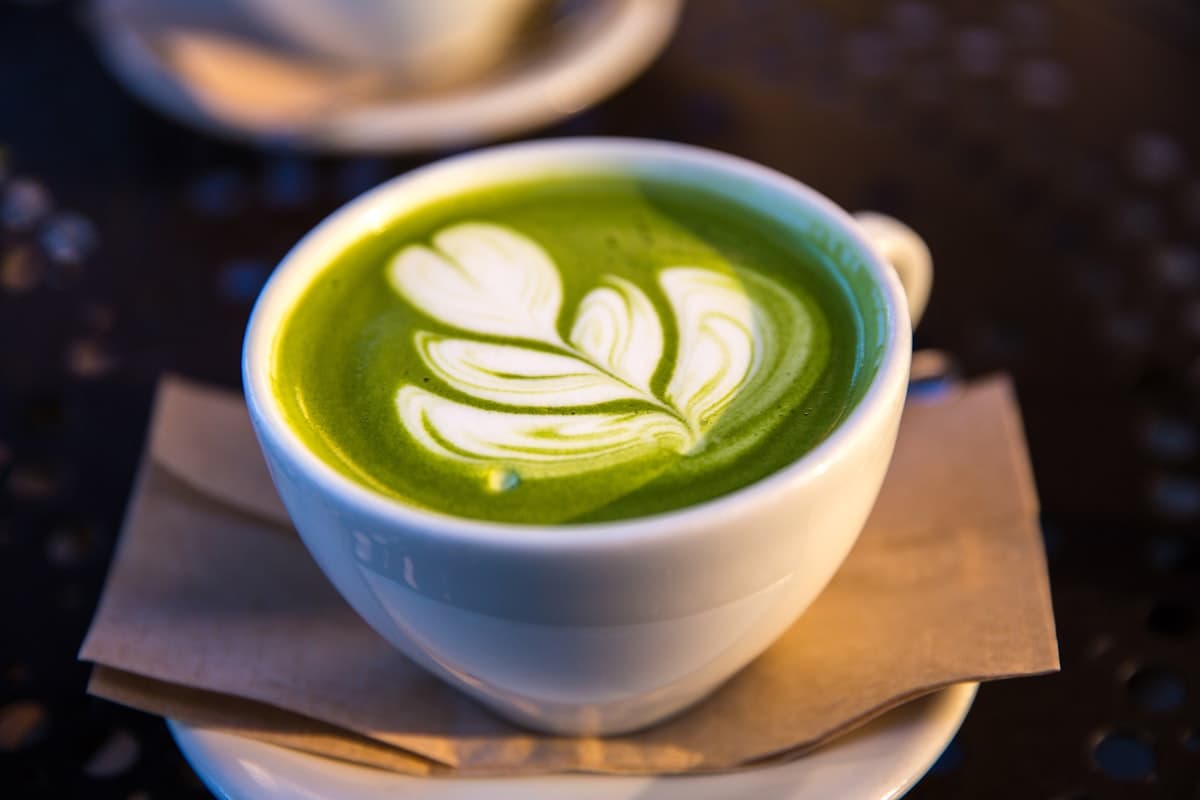
Walk into any cafe in 2026 and you will see it right there on the menu: matcha latte, right next to the cappuccino. Scroll through social media and matcha recipes are everywhere — whisked, iced, blended with oat milk, turned into smoothies. Google Trends data shows matcha searches climbing steadily since 2020, and the global matcha market has blown past $4 billion, growing at roughly 8% per year. For thousands of years, though, coffee has been the drink that wakes the world up. It is the morning ritual for over a billion people. So is matcha actually better, or is it just trendy?
Most comparison articles stop at caffeine numbers and call it a day. But the matcha vs coffee question cannot be answered with a single metric. The real differences run deeper: how the caffeine is released in your body, how L-theanine changes the experience, what kind of antioxidants you are getting, how each drink affects your stomach, your stress levels, and your sleep. I spent time going through the published research — the L-theanine studies, the EGCG literature, the cortisol data, the FDA caffeine guidelines — and what I found is that neither drink is universally better. They deliver energy in fundamentally different ways, and the right choice depends on what you are doing and how your body responds to caffeine.
This guide is part of our Nutrition series. We have already covered carbs in our brown rice vs white rice comparison, protein in our plant protein vs whey protein guide, healthy fats in our avocado oil vs olive oil guide, and inflammation-fighting foods in our anti-inflammatory foods guide. Now we are tackling caffeinated beverages — the drinks that fuel millions of mornings.
Quick Answer — Is Matcha Better Than Coffee?
Both provide caffeine and genuine health benefits, but they deliver energy in very different ways. Coffee gives you a fast, powerful jolt that peaks quickly. Matcha provides a smoother, longer-lasting "calm alertness" thanks to L-theanine, an amino acid that modulates how your body processes caffeine. Matcha also delivers more antioxidants per serving in the form of EGCG. Coffee provides more total caffeine and is better studied for exercise performance.
Think of it this way: coffee is a sprint. Matcha is a marathon. One hits hard and fades fast. The other builds gradually and sustains you for hours. Neither is wrong — they just serve different purposes.
| Matcha | Coffee | |
|---|---|---|
| Best for | Calm, sustained focus; anxiety management; afternoon energy | Quick morning alertness; pre-workout energy; maximum caffeine |
| Caffeine (8oz) | 60–80mg | 80–100mg |
| Energy duration | 3–6 hours (gradual) | 30min–2 hours peak, then crash |
| Key active compound | L-theanine + EGCG | Chlorogenic acid |
| Antioxidants | Very high (EGCG catechins) | High (chlorogenic acid, polyphenols) |
| Acidity | Low (more alkaline) | Higher (pH 4.5–5.5) |
| Anxiety impact | May reduce anxiety | May increase anxiety in sensitive people |
| Taste | Earthy, vegetal, umami | Bitter, rich, roasted |
If that table answered your question, great. But the science behind those numbers — how L-theanine changes caffeine metabolism, why the antioxidant types matter, how each drink affects your gut and your stress hormones — is worth understanding. Let me walk you through it.
What Makes Matcha and Coffee Different? (Source, Processing, and Active Compounds)

Before we compare nutrition labels and caffeine curves, you need to understand that matcha and coffee are fundamentally different beverages. One is a suspension — you consume the entire leaf. The other is an infusion — you steep something in water and drink the extract. That distinction matters more than most people realize.
How Each Drink Is Made
Matcha starts with tea plants (Camellia sinensis, the same species as green tea) that are covered with shade cloths for 20 or more days before harvest. This shading forces the plants to produce more chlorophyll and amino acids, especially L-theanine, while reducing bitter tannins. After harvest, the leaves are steamed to prevent oxidation, dried, and then stone-ground into an extremely fine powder. When you drink matcha, you are consuming the entire tea leaf dissolved in water — not just an extract.
Matcha comes in two main grades:
- Ceremonial grade: The highest quality. Made from the youngest leaves, stone-ground slowly to preserve flavor and nutrients. Vibrant green, smooth flavor, meant to be whisked with hot water and drunk plain. More expensive but worth it if you drink it straight.
- Culinary grade: Made from older leaves, ground more quickly. Slightly more bitter, less vibrant color. Designed for lattes, smoothies, baking, and cooking. More affordable and perfectly fine for everyday use.
Coffee comes from the seeds (beans) of the Coffea plant. The beans are harvested from coffee cherries, dried and processed, then roasted at high temperatures. Roasting develops the complex flavors and aromas most people associate with coffee, but it also breaks down some heat-sensitive compounds. The roasted beans are then ground and brewed with hot water, producing an infusion — you drink the water extract and discard the grounds.
The key difference: matcha is a suspension (leaf + water), coffee is an infusion (water extract of beans). This is why matcha delivers more fiber, chlorophyll, and intact amino acids per serving than coffee — you are literally eating a plant in powdered form.
Active Compounds — What Is Actually in Your Cup
Here is what you are actually consuming when you drink each:
Matcha's key compounds:
- Caffeine (roughly 60–80mg per 8oz cup): Lower than coffee, but the story does not end there — more on this in the caffeine section.
- L-theanine (roughly 30–50mg per serving): This is matcha's secret weapon. An amino acid that crosses the blood-brain barrier and increases alpha brain wave activity, producing a state of relaxed alertness. It also slows the absorption of caffeine, smoothing out the energy curve. This is the single biggest difference between matcha and coffee, and we will get into the research shortly. When people ask about the matcha vs coffee for energy question, L-theanine is the main reason the answer is not straightforward.
- EGCG (epigallocatechin gallate): The most potent of the catechin antioxidants. One serving of matcha delivers roughly the EGCG content of 10 cups of regular steeped green tea, because you are consuming the whole leaf rather than just an infusion.
- Chlorophyll, vitamin A, vitamin C, vitamin E: Trace but meaningful amounts, a benefit of consuming whole leaf material.
- Minerals: Potassium, magnesium, calcium in small amounts.
Coffee's key compounds:
- Caffeine (roughly 80–100mg per 8oz cup): The primary active ingredient. Absorbed quickly, peaks in 30–60 minutes, delivers a strong stimulant effect.
- Chlorogenic acid: A phenolic compound with antioxidant and anti-inflammatory properties. Also helps regulate blood sugar. This is coffee's main antioxidant, and it is one of the biggest sources of dietary antioxidants in the Western diet.
- Trigonelline: A compound with antibacterial properties that may help regulate blood sugar. Partially breaks down during roasting into niacin (vitamin B3).
- Vitamins and minerals: Small amounts of vitamin B2 (riboflavin), vitamin B5 (pantothenic acid), manganese, and potassium.
| Compound | Matcha (8oz) | Coffee (8oz) |
|---|---|---|
| Caffeine | 60–80mg | 80–100mg |
| L-theanine | 30–50mg | None |
| Primary antioxidant | EGCG (catechin) | Chlorogenic acid (phenolic acid) |
| Chlorophyll | Present | None |
| Vitamin B2 | Trace | ~11% DV |
| Vitamin B5 | Trace | ~6% DV |
| Potassium | Small amount | ~116mg |
| pH | ~6–7 (near neutral) | ~4.5–5.5 (acidic) |
Two things jump out from this table. First, matcha is the only one that contains L-theanine — and that changes everything about how the caffeine feels. Second, the antioxidant types are completely different. Matcha gives you catechins (EGCG), coffee gives you phenolic acids (chlorogenic acid). Both are beneficial, but through different mechanisms.
Matcha vs Coffee Caffeine — How the Energy Hit Differs
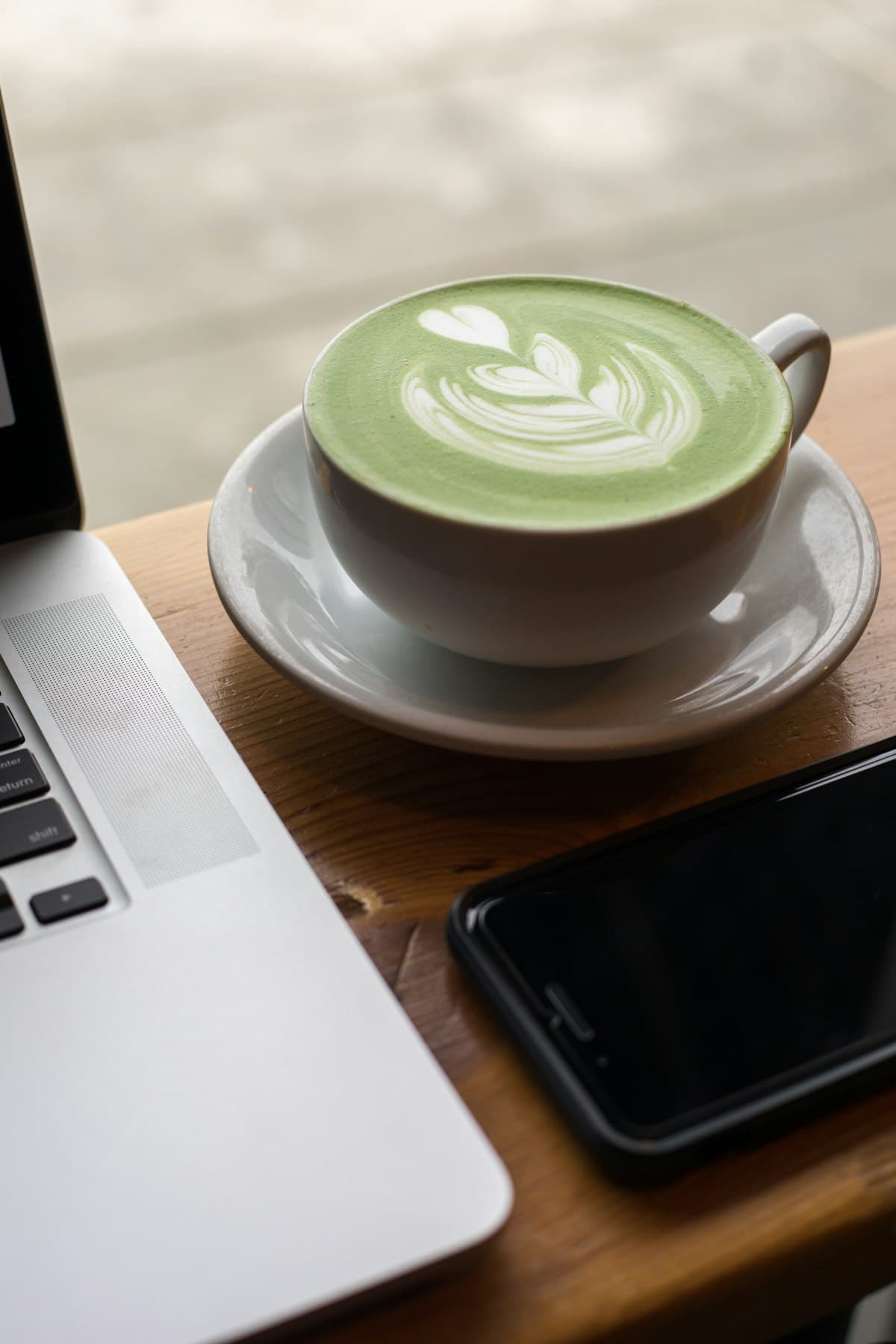
This is where the matcha vs coffee caffeine comparison gets interesting, because raw caffeine numbers only tell part of the story. Yes, coffee has more caffeine. But matcha's caffeine behaves differently in your body, and the difference is dramatic.
Caffeine Content at a Glance
Here is how the numbers stack up across common preparations:
| Drink | Caffeine (approx.) |
|---|---|
| Matcha (1 serving / 2g powder, 8oz water) | 60–80mg |
| Matcha latte (12oz, cafe standard) | 70–120mg |
| Drip coffee (8oz) | 80–100mg |
| Cold brew (8oz) | 100–200mg |
| Espresso (1 shot) | 60–80mg |
| Coffee latte (12oz) | 120–150mg |
Coffee generally wins on raw caffeine. A standard 8oz cup of drip coffee contains 80–100mg compared to matcha's 60–80mg. But if you look at those numbers and conclude that coffee simply provides "more energy," you are missing the most important part of the story.
Why Matcha's Energy Lasts Longer (The L-Theanine Effect)
This is the key difference, and it is backed by solid research.
When you drink coffee, caffeine floods your bloodstream quickly. Blood caffeine levels typically peak within 30 to 60 minutes. You feel alert, energized, sometimes jittery. Then, as the caffeine wears off, your brain's adenosine receptors — which caffeine was blocking — suddenly unblock. Adenosine rushes back in, and you crash. This is the classic caffeine crash: fatigue, brain fog, irritability.
Matcha works differently. The L-theanine in matcha binds to caffeine molecules and slows their absorption into your bloodstream. Instead of a sharp spike and a sharp drop, you get a gradual rise and a gentle, extended plateau. Energy from matcha typically lasts 3 to 6 hours, compared to coffee's 1 to 3 hours before the crash sets in.
The mechanism is reasonably well studied, though it is worth noting that most trials used isolated L-theanine and caffeine supplements rather than brewed matcha, so the real-world effect may be more modest. A study by Nobre and colleagues published in the Asia Pacific Journal of Clinical Nutrition (2008) found that L-theanine increases activity in the alpha frequency band of the brain, indicating relaxation without drowsiness. Alpha waves are associated with a state of relaxed alertness — you are awake, focused, and calm, without the edginess that high caffeine doses can produce. A separate study by Owen and colleagues in Nutritional Neuroscience (2008) found that the combination of L-theanine and caffeine improved cognitive performance — specifically accuracy on attention-switching tasks and self-reported alertness — more than caffeine alone, and a 2008 EEG study in the Journal of Nutrition (Kelly et al.) showed the pairing improved attention-task performance and altered alpha-band brain activity.
Think of it this way: coffee is an elevator. It takes you up fast, and it drops you fast. Matcha is an escalator. It is slower to start, but it carries you steadily for much longer.
The Crash Factor
The caffeine crash is not imaginary. When caffeine blocks adenosine receptors, your body keeps producing adenosine — it just cannot bind. Once the caffeine clears, all that accumulated adenosine floods your receptors at once. The result is a sudden wave of drowsiness and mental fatigue.
Matcha largely avoids this because L-theanine modulates the caffeine release. The adenosine never fully gets shut out, so there is no massive rebound when the caffeine wears off. Most people report little to no crash with matcha, even when the total caffeine dose is similar to a cup of coffee.
The practical takeaway: if you need explosive energy for a workout or an immediate wake-up call, coffee is the better tool. If you need to stay sharp and focused for a long study session or a full afternoon of deep work, matcha is usually the better choice. We covered this same principle from the exercise angle in our pre-workout vs coffee guide — different caffeine sources serve different purposes.
Matcha vs Coffee Antioxidants — ORAC, EGCG, and Polyphenols Compared
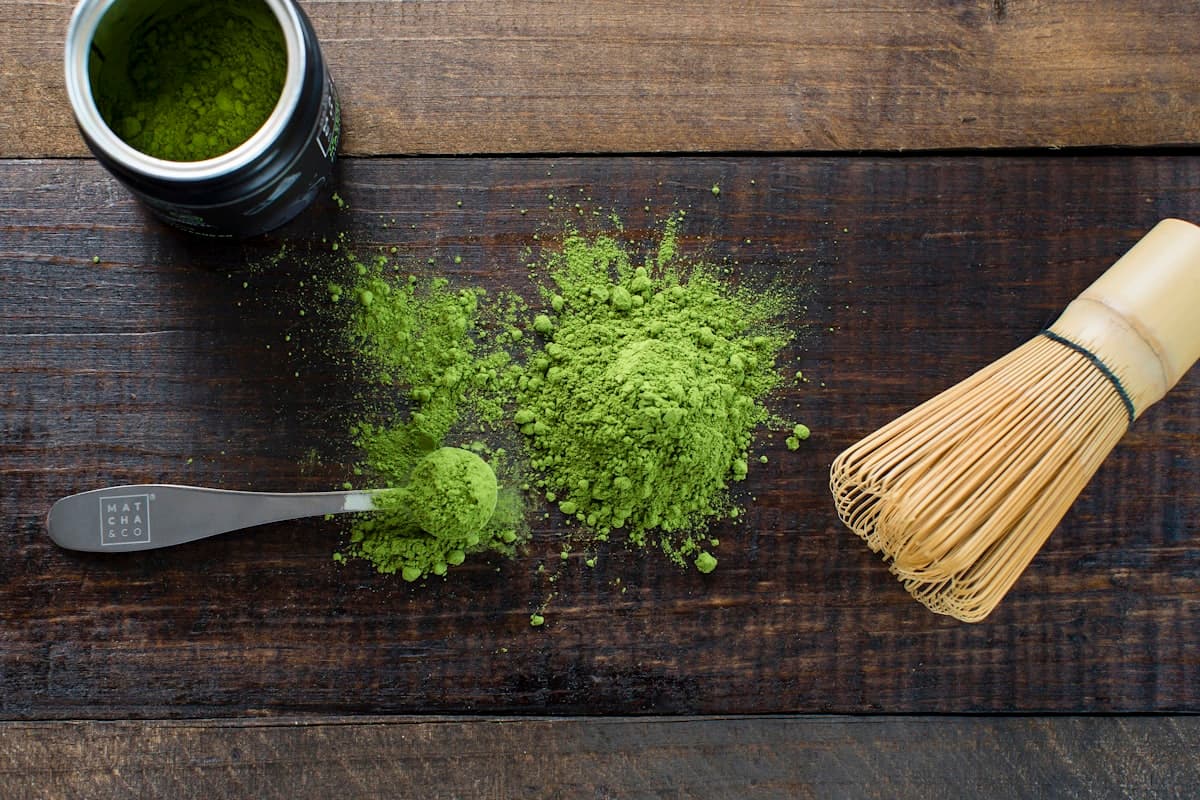
Both matcha and coffee are loaded with antioxidants, but the types are completely different and they work through different mechanisms. Understanding this distinction helps you choose the right one for your health goals.
Matcha's EGCG: The Catechin Powerhouse
EGCG (epigallocatechin gallate) is the most abundant and most studied catechin in green tea — and matcha delivers it in concentrated form. Because matcha is made from whole ground tea leaves rather than a water infusion, one serving contains roughly three times more EGCG than a cup of regular green tea.
The research on EGCG is substantial. A controlled human trial by Dulloo and colleagues in the American Journal of Clinical Nutrition (1999) found that a green tea extract rich in EGCG and caffeine increased 24-hour energy expenditure and fat oxidation beyond what caffeine alone could explain. EGCG works by neutralizing free radicals — unstable molecules that damage cells through oxidative stress — and by modulating signaling pathways involved in inflammation and cell growth.
Matcha's antioxidant capacity is high relative to most beverages, though specific equivalency claims (for example, comparisons to "10 blueberries" or "10 cups of green tea") circulate widely online without consistent laboratory backing and should be treated as rough marketing approximations rather than precise figures. What is well established is that, because matcha is whole ground leaf rather than an infusion, a serving delivers substantially more catechins than a typical cup of steeped green tea.
Coffee's Chlorogenic Acid: The Western Diet's Antioxidant Backbone
Coffee might not get as much credit for its antioxidants, but it should. Chlorogenic acid is a phenolic compound with anti-inflammatory and blood sugar-regulating properties. Coffee is widely cited as one of the largest contributors of dietary antioxidants in the Western diet — not because it has the highest concentration of any single antioxidant, but because people drink so much of it.
Chlorogenic acid has been shown to reduce glucose absorption in the digestive tract and improve insulin sensitivity. It also has anti-inflammatory effects that complement its antioxidant activity.
The Bottom Line on Antioxidants
Both drinks are excellent antioxidant sources. They just deliver different types:
- Matcha gives you catechins (primarily EGCG) — powerful against oxidative stress, with additional metabolic and fat-oxidation benefits.
- Coffee gives you phenolic acids (primarily chlorogenic acid) — strong anti-inflammatory and blood sugar-regulating properties, plus the benefit of being consumed in large volumes by most regular drinkers.
If maximizing total antioxidant intake is your goal, matcha delivers more per serving. But regularly consuming both gives you a broader spectrum of antioxidant protection than either one alone.
For a full breakdown of foods that fight inflammation through their antioxidant content, check out our anti-inflammatory foods guide.
Matcha vs Coffee for Anxiety, Stress, and Calm Focus
This section covers one of the most important — and most overlooked — differences between matcha and coffee. If you have ever felt jittery, anxious, or on edge after your second or third cup of coffee, this is for you.
How Coffee Can Trigger Anxiety
Caffeine blocks adenosine receptors, which is what keeps you awake. But blocking adenosine also has downstream effects. It triggers the release of cortisol (your body's primary stress hormone) and epinephrine (adrenaline). For some people, especially at doses above 200mg, this produces genuine anxiety symptoms: racing heart, nervousness, restlessness, trembling hands.
The sensitivity is highly individual. Variations in the ADORA2A gene affect how strongly your body reacts to caffeine's anxiety-inducing effects. Some people can drink four cups of coffee and feel fine. Others get jittery after one. A study by Childs and colleagues in Neuropsychopharmacology (2008) found that individuals carrying a specific ADORA2A variant (rs5751876) reported significantly greater anxiety after a 150mg dose of caffeine than other genotypes, helping explain why the same cup of coffee leaves one person calm and another on edge.
If you have ever felt like your morning coffee made you more stressed rather than more productive, you are not imagining it. The cortisol response is real, and for some people it outweighs the cognitive benefits of caffeine.
How Matcha Reduces Stress
This is where L-theanine earns its reputation. L-theanine does not just slow caffeine absorption — it actively promotes relaxation. It increases GABA (gamma-aminobutyric acid) levels in the brain, a neurotransmitter that reduces neuronal excitability and produces a calming effect. Simultaneously, it boosts alpha brain wave activity, which is associated with a wakeful but relaxed mental state.
A study by Unno and colleagues published in Heliyon (2019) specifically tested matcha — not just isolated L-theanine, but actual matcha consumption — in students facing the stress of pharmacy practice. The researchers found that participants who consumed test-matcha (with a low caffeine-and-EGCG to theanine-and-arginine ratio) showed significantly lower salivary alpha-amylase (sAA) activity, a physiological stress marker, than a placebo group. Notably, the effect depended on the compound ratio: matcha higher in caffeine and EGCG did not produce the same calming effect.
This dual action — caffeine for alertness plus L-theanine for calm — is what people mean when they describe matcha's effect as "calm alertness" or "zen energy." You get the focus without the frazzle.
Practical Implications
If you are prone to anxiety, stress, or caffeine sensitivity, matcha is almost always the better choice. The L-theanine takes the edge off the caffeine while preserving (and possibly enhancing) the cognitive benefits.
On the other hand, if you are someone who thrives on coffee's intense stimulation — you enjoy the surge, you do not get jittery, and it helps you power through demanding tasks — there is no reason to switch. Coffee works well for people whose nervous systems handle high caffeine doses without anxiety.
Situational guide: important presentation, job interview, or stressful day ahead? Reach for matcha. Hiking, running, or heavy lifting session? Coffee's stronger jolt may be exactly what you need.
Matcha vs Coffee for Digestion and Stomach Health
The matcha vs coffee question matters for your stomach too. If you have ever gotten heartburn after your morning coffee — especially on an empty stomach — this comparison is directly relevant.
Acidity and Acid Reflux
Coffee is acidic. Its pH typically ranges from 4.5 to 5.5, depending on the roast and brewing method. When you drink coffee, especially black coffee on an empty stomach, it stimulates gastric acid secretion in your stomach. For people with gastroesophageal reflux disease (GERD) or a sensitive stomach, this can trigger heartburn, acid reflux, and that uncomfortable burning sensation.
Dark roasts tend to be slightly less acidic than light roasts, and cold brew is less acidic than hot-brewed coffee. But all coffee is more acidic than matcha.
Matcha is significantly less acidic — closer to neutral on the pH scale. It is gentler on the stomach lining and does not provoke the same gastric acid response. If you have ever had to choose between your morning coffee and your stomach's comfort, switching to matcha might solve that problem.
For people dealing with the matcha vs coffee stomach issue — GERD, acid reflux, or general sensitivity — matcha is almost always the safer morning beverage.
Gut Health and Prebiotics
There is emerging research suggesting that the catechins in matcha may support the growth of beneficial gut bacteria. A review in Nutrients (2019) summarizing studies on tea catechins and the gut microbiota notes that green tea and its catechins tend to increase potentially beneficial genera such as Bifidobacterium and Lactobacillus while suppressing some pathogenic groups. This research is still early and largely based on small or in vitro studies, so it is best viewed as promising rather than proven.
Coffee's chlorogenic acid also appears to have a positive effect on the gut microbiome, though through a different mechanism. The polyphenols in coffee act as prebiotics, feeding beneficial bacteria. The caveat is that excessive coffee consumption — particularly on an empty stomach — can overstimulate bowel movements and cause diarrhea in some people due to its acidity and caffeine content.
Bottom line: both drinks can support gut health in moderate amounts. If you have a sensitive stomach or reflux issues, matcha is the clearly gentler option.
Matcha vs Coffee for Weight Loss, Energy, and Special Diets

Weight Loss and Metabolism
Both drinks can support weight management, but through different mechanisms.
Coffee has the more direct metabolic effect. A classic study by Dulloo and colleagues in the American Journal of Clinical Nutrition (1989) found that caffeine increased resting metabolic rate by 3–4% over a few hours and raised daytime energy expenditure by 8–11% when taken repeatedly. It also stimulates fat oxidation, especially during exercise. This is part of why many pre-workout supplements and fat burners are built around caffeine. That said, the real-world weight-loss effect of these modest metabolic bumps is small, and the body partially adapts to habitual caffeine over time.
Matcha may support fat loss through EGCG. The Dulloo American Journal of Clinical Nutrition (1999) trial showed that a green tea extract rich in EGCG and caffeine increased 24-hour fat oxidation more than caffeine alone. The honest caveat: those trials used concentrated extracts, and the catechin dose in a typical cup or two of matcha is lower, so the metabolic effect of drinking matcha is likely smaller than supplement studies suggest.
The calorie comparison is straightforward: both are essentially zero-calorie beverages when consumed plain. A cup of black coffee has 2–5 calories. A traditional matcha (powder whisked with hot water) has roughly 3–5 calories. Where the calories add up is in the latte versions — more on that below.
The honest truth: neither drink is going to cause dramatic weight loss on its own. But both can support a calorie-controlled diet and exercise program. Pick whichever one you will drink consistently without adding sugar.
Before a Workout
For exercise performance, coffee generally has the edge. The higher caffeine dose provides a stronger ergogenic effect — improved power output, reduced perceived exertion, increased fat oxidation during exercise. The International Society of Sports Nutrition's 2021 position stand on caffeine concludes that caffeine can acutely improve many aspects of exercise performance, typically at doses of 3–6 mg per kilogram of body weight.
Matcha can work as a pre-workout, especially for moderate-intensity sessions. In the matcha vs coffee for weight loss and exercise context, the combination of caffeine and EGCG may actually enhance fat oxidation during exercise compared to caffeine alone, according to some studies. But for high-intensity training — heavy lifts, sprint intervals, competitive sports — coffee's higher caffeine content gives a more powerful and immediate boost.
If you want to get into the details of caffeine and exercise performance, our pre-workout vs coffee guide covers the science in depth.
For Studying and Deep Focus
This is an area where matcha may have an edge, although the evidence comes mostly from supplement trials rather than brewed matcha. The L-theanine + caffeine combination has been shown to improve aspects of sustained attention and accuracy. The Owen et al. Nutritional Neuroscience (2008) study found that the L-theanine/caffeine combination improved accuracy on attention-switching tasks and reduced susceptibility to distraction compared to placebo.
Coffee is great for short bursts of intense focus, but the crash after 2–3 hours can leave you worse off than where you started, especially during a long study session or a full day of deep work. Matcha's smooth, extended energy curve is better suited for marathon focus sessions.
Exam prep, thesis writing, all-day coding session? Matcha. Quick burst of energy before a 30-minute task? Coffee.
Matcha Latte vs Coffee Latte
Both are cafe staples in 2026, and both are delicious. But they are not nutritionally identical.
Matcha latte: Matcha powder whisked with steamed milk or plant milk. Creamy, earthy, slightly sweet. Caffeine content varies widely — roughly 70–120mg at most cafes, depending on how much powder they use. The milk adds protein, calcium, and calories (roughly 120–200 kcal for a 12oz latte with whole milk). You also get the EGCG antioxidants from the matcha.
Coffee latte: Espresso shots with steamed milk. Rich, bold, familiar. Caffeine content is typically 120–150mg for a 12oz latte. Similar calorie count from the milk. You get chlorogenic acid antioxidants from the coffee.
The nutritional difference between the two lattes is mostly in the caffeine source and antioxidant type — the milk component is essentially the same. For the healthiest version of either, use unsweetened plant milk. Our almond milk vs oat milk guide breaks down which plant milk works best for your goals.
Diet-Based Recommendations
| Diet / Goal | Best Choice | Why |
|---|---|---|
| Weight management | Black coffee or matcha | Both are zero-calorie, both promote fat oxidation |
| Anxiety management | Matcha | L-theanine's calming effect reduces caffeine jitters |
| Pre-workout energy | Coffee | Higher caffeine for stronger ergogenic effect |
| Long study / focus sessions | Matcha | Sustained energy without crash |
| Acid reflux / GERD | Matcha | Less acidic, gentler on stomach |
| Keto | Black coffee or matcha | Both 0–5 calories, zero carbs |
| Caffeine-sensitive individuals | Matcha | Lower caffeine + L-theanine buffer |
| Maximum energy output | Coffee | Higher total caffeine |
Can You Drink Matcha and Coffee Together? (And Other Practical Questions)
Can you drink both in the same day? Yes, but watch your total caffeine. One cup of matcha (~70mg) plus one cup of coffee (~95mg) puts you at roughly 165mg — well within the FDA's guidance of 400mg per day as an amount not generally associated with negative effects for healthy adults. The different absorption rates mean you may feel a layered effect rather than a double jolt, but some people find the combination overstimulating.
Switching from coffee to matcha? Do it gradually. Going cold turkey from several cups of coffee can trigger withdrawal symptoms — headaches, fatigue, irritability — within 12–24 hours. A reasonable transition: Week 1, replace one coffee with matcha. Week 2, replace another. By Week 3, you can be matcha-dominant if that is your goal.
Best timing strategy: Morning = coffee for that fast, powerful wake-up. Afternoon = matcha for sustained focus without wrecking your sleep. This is the approach that gets the best of both worlds. Caffeine's half-life is roughly 5–6 hours, so a 2pm coffee can still be affecting your brain at 8pm. Matcha's lower caffeine and gentler release make it a better afternoon choice.
Matcha vs Coffee — Complete Comparison Table

Here is the full matcha vs coffee breakdown in one place:
| Feature | Matcha | Coffee |
|---|---|---|
| Caffeine per 8oz | 60–80mg | 80–100mg |
| Energy duration | 3–6 hours (gradual) | 30min–2 hours (sharp peak) |
| L-theanine | 30–50mg per serving | None |
| Primary antioxidant | EGCG (catechin) | Chlorogenic acid (phenolic acid) |
| ORAC score | Higher | Lower |
| pH / acidity | ~6–7 (near neutral) | ~4.5–5.5 (acidic) |
| Calories (plain) | 3–5 kcal | 2–5 kcal |
| Anxiety effect | May reduce | May increase |
| Stomach friendliness | Gentle | Can irritate (especially on empty stomach) |
| Sleep disruption | Moderate (lower caffeine) | Higher (more caffeine, sharper peak) |
| Taste | Earthy, vegetal, umami | Bitter, rich, roasted |
| Preparation time | 2–3 minutes (whisk) | 2–10 minutes (brew method dependent) |
| Cost per cup (home) | $0.50–$1.30 | $0.20–$1.00 |
| Cost per cup (cafe) | $4–$7 | $3–$6 |
| Caffeine crash | Minimal or none | Common after 2–3 hours |
A few notes on cost: matcha powder has a higher upfront price ($15–$40 for a 30g tin of ceremonial grade), but each tin makes 15–30 servings. Coffee is cheaper per cup when brewed at home, but premium beans and cafe drinks close the gap quickly. Over a year, the cost difference is small enough that it should not be the deciding factor.
Which Should You Choose? (Purpose-Based Recommendations)

There is no single winner — but there is a clear winner for your specific situation.
| Your Purpose | Best Choice | Why |
|---|---|---|
| Fast morning wake-up | Coffee | Higher caffeine, 30-minute peak |
| Long study / deep focus | Matcha | L-theanine sustains calm alertness for hours |
| Pre-workout energy | Coffee | Stronger ergogenic effect, more caffeine |
| Anxiety / stress management | Matcha | L-theanine reduces cortisol and promotes calm |
| Acid reflux / sensitive stomach | Matcha | Less acidic, gentler on digestion |
| Maximum antioxidant intake | Matcha | Higher ORAC score, EGCG catechins |
| Weight management | Both | Both promote fat oxidation through different mechanisms |
| Afternoon / evening drink | Matcha | Less likely to disrupt sleep |
| Caffeine-sensitive people | Matcha | Lower caffeine + L-theanine buffer |
| Maximum energy burst | Coffee | Higher total caffeine content |
| Overall recommendation | Use both strategically | Coffee in the morning, matcha in the afternoon |
My Practical Take
The best strategy is not picking one over the other — it is using both at the right times. Coffee in the morning for that fast, powerful wake-up. Matcha after lunch for sustained afternoon focus that will not keep you up at midnight. You get the best of both drinks and minimize the downsides of each.
If you can only choose one, matcha is the more versatile daily driver — the sustained energy, lower anxiety, gentler digestion, and higher antioxidant content make it a strong all-around choice. But if you exercise hard, love the taste of coffee, and do not struggle with anxiety or acid reflux, there is no reason to give up your morning cup.
Beyond what you drink, your overall diet matters more than any single beverage choice. For cooking, our avocado oil vs olive oil comparison helps you pick the right fat. For protein, our plant protein vs whey protein guide covers the science behind both options. And for reducing chronic inflammation — which both matcha and coffee can help with — our anti-inflammatory foods guide is worth a read.
Frequently Asked Questions
Is matcha better than coffee?
Neither is universally better. The matcha vs coffee debate really comes down to what you need in the moment. Matcha provides a smoother, longer-lasting energy boost with less anxiety thanks to L-theanine, plus more antioxidants per serving in the form of EGCG. Coffee delivers a stronger, faster caffeine hit that is better for workouts and immediate alertness, backed by decades of research. The better choice depends on your situation: calm, sustained focus? Matcha. Powerful, fast jolt? Coffee. Many people benefit from using both at different times of day.
How much caffeine is in matcha vs coffee?
A standard 8oz cup of brewed coffee contains roughly 80–100mg of caffeine. An 8oz cup of matcha made with 2g of powder contains about 60–80mg. Coffee has more caffeine per serving, but matcha's L-theanine slows the release, making the energy last 3–6 hours compared to coffee's 1–3 hour peak followed by a crash. The raw numbers do not tell the full story — how the caffeine is delivered matters as much as how much you get.
Can you drink matcha and coffee together?
Yes, in moderation. One cup of each totals roughly 150–180mg of caffeine, well within the FDA's recommended daily limit of 400mg for healthy adults. However, the different absorption rates — coffee hits fast, matcha releases slowly — can create a somewhat unpredictable stimulation pattern. Most people do better choosing one or the other at a time rather than stacking both in the same sitting.
Is matcha better than coffee for anxiety?
For people prone to anxiety, yes, matcha is generally the better choice. Coffee's caffeine can increase cortisol and epinephrine, triggering jitteriness and nervousness — especially at doses above 200mg and in people with ADORA2A gene variants that increase caffeine sensitivity. Matcha's L-theanine increases alpha brain waves, promoting a calm, focused state. Research by Unno et al. in Heliyon (2019) showed that actual matcha consumption significantly reduced salivary alpha-amylase, a physiological stress marker, in students under stress.
Is matcha or coffee better for weight loss?
Both support fat oxidation through different mechanisms. In the matcha vs coffee comparison for weight loss, coffee's higher caffeine content can transiently raise metabolic rate by roughly 3–11% (Dulloo et al., 1989) and increase fat burning during exercise. Matcha's EGCG also promotes fat oxidation in supplement trials, though the effect from drinking matcha is likely modest. Both are essentially zero-calorie when consumed black or with water alone. The difference is small enough that either works — pick the one you will drink consistently without adding sugar.
Is matcha easier on the stomach than coffee?
Generally, yes. Coffee is acidic (pH 4.5–5.5) and stimulates stomach acid production, which can trigger heartburn and acid reflux, especially on an empty stomach. Matcha is significantly less acidic — closer to neutral pH — and is gentler on the digestive tract. If you have GERD, acid reflux, or general stomach sensitivity, matcha is usually the safer morning beverage. That said, some people find the tannins in matcha mildly irritating on an entirely empty stomach, so having a small bite of food first can help.
Which has more antioxidants, matcha or coffee?
Matcha has a higher ORAC (Oxygen Radical Absorbance Capacity) score and delivers more antioxidants per serving, primarily in the form of EGCG catechins. Because you consume the whole tea leaf rather than just an infusion, matcha concentrates the antioxidant content. Coffee is also genuinely antioxidant-rich — its chlorogenic acid is one of the largest sources of dietary antioxidants in the Western diet, simply because so many people drink it daily. They contain different types of antioxidants (matcha = catechins, coffee = phenolic acids), so both are valuable. For maximum antioxidant diversity, consuming both is ideal.
Is a matcha latte healthier than a coffee latte?
It depends on what you mean by "healthier." A matcha latte provides EGCG antioxidants and L-theanine for calm, sustained focus. A coffee latte provides more caffeine for alertness and chlorogenic acid antioxidants. Both contain similar calories from the milk — roughly 120–200 kcal depending on size and milk type. Choose matcha latte for a calmer energy experience with added antioxidants. Choose coffee latte for a stronger wake-up. For the healthiest version of either, skip the added sugar and use unsweetened plant milk — our almond milk vs oat milk guide can help you pick the right one.
References
- Nobre AC, Rao A, Owen GN. L-theanine, a natural constituent in tea, and its effect on mental state. Asia Pacific Journal of Clinical Nutrition, 2008.
- Kelly SP, Gomez-Ramirez M, Montesi JL, Foxe JJ. L-theanine and caffeine in combination affect human cognition as evidenced by oscillatory alpha-band activity and attention task performance. Journal of Nutrition, 2008.
- Owen GN, Parnell H, De Bruin EA, Rycroft JA. The combined effects of L-theanine and caffeine on cognitive performance and mood. Nutritional Neuroscience, 2008.
- Dulloo AG, Geissler CA, Horton T, Collins A, Miller DS. Normal caffeine consumption: influence on thermogenesis and daily energy expenditure in lean and postobese human volunteers. American Journal of Clinical Nutrition, 1989.
- Dulloo AG, Duret C, Rohrer D, et al. Efficacy of a green tea extract rich in catechin polyphenols and caffeine in increasing 24-h energy expenditure and fat oxidation in humans. American Journal of Clinical Nutrition, 1999.
- Childs E, Hohoff C, Deckert J, et al. Association between ADORA2A and DRD2 polymorphisms and caffeine-induced anxiety. Neuropsychopharmacology, 2008.
- Unno K, Furushima D, Hamamoto S, et al. Stress-reducing effect of cookies containing matcha green tea: essential ratio among theanine, arginine, caffeine and epigallocatechin gallate. Heliyon, 2019.
- Liu Z, Bruins ME, de Bruijn WJC, Vincken JP. Interactions of tea catechins with intestinal microbiota and their implication for human health. Nutrients, 2019.
- Guest NS, VanDusseldorp TA, Nelson MT, et al. International Society of Sports Nutrition position stand: caffeine and exercise performance. Journal of the International Society of Sports Nutrition, 2021.
- U.S. Food and Drug Administration. Spilling the Beans: How Much Caffeine is Too Much?. FDA Consumer Updates.
The Bottom Line
Matcha and coffee are not rivals. They are complementary drinks that each excel in different situations.
Coffee is the king of fast, powerful stimulation. Higher caffeine, quick absorption, strong ergogenic effect for exercise, and more scientific research behind it than almost any other beverage on earth. If you need to wake up fast, train hard, or push through a physically demanding task, coffee delivers.
Matcha is the master of sustained, calm energy. L-theanine smooths out the caffeine experience, eliminating the crash and the jitters. EGCG provides concentrated antioxidant power. The lower acidity is gentler on your stomach. And the 3–6 hour energy curve is perfect for long focus sessions, afternoon productivity, and anyone who finds coffee's spike-and-crash pattern disruptive.
The best strategy is the one that uses both strategically. Coffee in the morning. Matcha after lunch. That combination gives you the explosive wake-up of coffee when you need it most, and the smooth, sustained focus of matcha for the rest of your day — without wrecking your sleep or your stomach.
Do you drink matcha, coffee, or both? Drop a comment — I read every one.
Related guides:
- Cook with the right fat: Avocado oil vs olive oil compared
- Fuel your workouts: Pre-workout vs coffee — which works better?
- Fight inflammation: Anti-inflammatory foods backed by science
- Pick your protein: Plant protein vs whey protein
- Choose your grain: Brown rice vs white rice
- Pick your plant milk: Almond milk vs oat milk
This article is for informational purposes only and is not intended as medical advice. Always consult a qualified healthcare professional before making changes to your diet, especially if you are pregnant, nursing, have cardiovascular conditions, or are sensitive to caffeine. The FDA recommends a maximum of 400mg of caffeine per day for most adults, and no more than 200mg per day during pregnancy.
Infrared Sauna Blanket vs Traditional Sauna: The Complete Science-Based Comparison (2026)
Next →Red Light Therapy vs Near-Infrared: Which Wavelength Actually Works Better? (2026 Guide)
Related Posts

Almond Milk vs Oat Milk: Which Is Healthier? Nutrition, Taste & Environmental Impact (2026 Guide)

Brown Rice vs White Rice: Which Is Actually Healthier? What Science Says (2026 Guide)
