Side Sleeper vs Back Sleeper: Which Is Actually Better for You? (Science-Backed 2026)
Side sleeper vs back sleeper — which is healthier? Compare spinal alignment, back pain, sleep apnea, wrinkles, and digestion in this science-backed guide.
Side Sleeper vs Back Sleeper: Which Is Actually Better for You? (Science-Backed 2026)

You have probably been sleeping the same way since you were a kid without ever thinking much about it. Maybe you curl up on your side like a comma, or maybe you lie flat on your back like you are posing for a chalk outline. Either way, you spend roughly a third of your life in that position — and it turns out that the way you sleep affects a lot more than how comfortable you feel.
According to the National Sleep Foundation's Sleep in America poll, about 60% of adults are side sleepers, roughly 15% sleep on their backs, and another 15% sleep on their stomachs. The rest shift around too much to pin down. That is a lot of people spending six to nine hours a night in a posture they never consciously chose.
Here is the part that gets overlooked: your sleep position influences your spinal alignment, your breathing, your digestion, your skin, and — according to recent neuroscience — even how efficiently your brain clears out metabolic waste during the night. People will spend thousands on a mattress and hours researching magnesium for sleep vs melatonin supplements, but they never stop to ask whether the way they are lying down is working for or against them. In this side sleeper vs back sleeper comparison, I lay out what the evidence actually shows.
I have gone through the sleep medicine research, the spine biomechanics studies, and the clinical guidelines from organizations like the American Academy of Sleep Medicine and the American College of Obstetricians and Gynecologists. What follows is an honest, evidence-based comparison of side sleeping vs back sleeping — the benefits, the risks, and which one makes more sense for your specific situation.
Quick Answer — Side Sleeper or Back Sleeper?
Let me give you the bottom line before we get into the details.
Is it better to sleep on your side or your back? Neither side sleeping nor back sleeping is universally better. Side sleeping is better for brain waste clearance through the glymphatic system, reducing acid reflux, and supporting a healthy pregnancy. Back sleeping is better for spinal alignment and reducing facial wrinkles. The best position depends on your specific health concerns — and that is what the rest of this guide will help you figure out.
If you are wondering whether is sleeping on your back better than your side, the honest answer is that it depends entirely on what your body needs. The side sleeper vs back sleeper debate does not have a single winner, but it does have a winner for each individual — and the details below will help you find yours.
| Side Sleeping | Back Sleeping | |
|---|---|---|
| Spinal alignment | Good with proper pillow support | Excellent — neutral spine position |
| Snoring / Sleep apnea | Better — airway stays open | Worse — tongue and soft palate collapse |
| Acid reflux (GERD) | Better — especially left side | Worse — gravity works against you |
| Wrinkle risk | Higher — cheek compression | Lower — no facial pressure |
| Brain health | Better — glymphatic clearance | Less research support |
| Hip / shoulder pain | Possible pressure points | Less pressure on joints |
| Pregnancy | Recommended (left side) | Not recommended in 3rd trimester |
| Best pillow type | Thick, firm (cervical pillow) | Thin, contour (or none) |
| Best mattress | Medium-soft to medium | Medium to medium-firm |
If you just needed that snapshot, you are good to go. But if you want to understand why each of these comparisons holds up — and where the science is less certain than you might think — the sections below break it all down.
What Happens to Your Body When You Sleep on Your Side (The Science)

Side sleeping is the most common sleep position by a wide margin, and the side sleeper vs back sleeper research has gotten considerably stronger over the past decade. From brain health to digestion to pregnancy outcomes, curling up on your side has some genuinely surprising benefits — along with a few drawbacks worth knowing about.
The Glymphatic System — How Side Sleeping Clears Brain Waste
This is probably the most fascinating discovery in sleep science in recent years, and it does not get nearly enough attention outside of research circles.
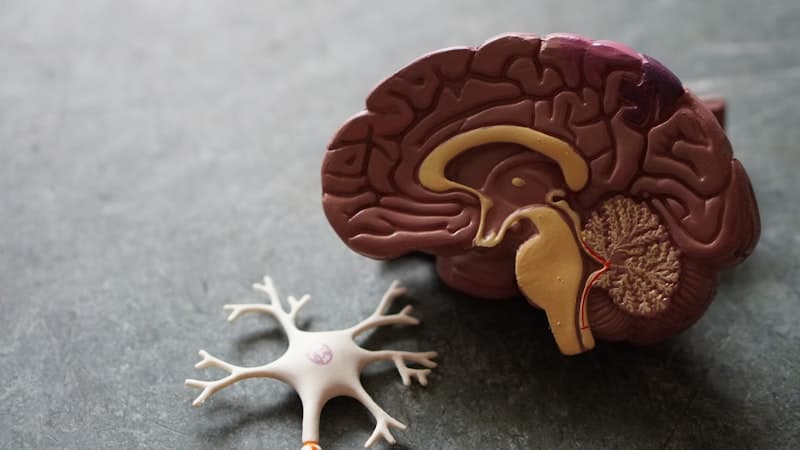
In 2012, a team at the University of Rochester Medical Center led by Dr. Jeffrey Iliff published a landmark paper in Science Translational Medicine identifying what they called the glymphatic system — a waste clearance pathway in the brain that uses cerebrospinal fluid (CSF) to flush out metabolic byproducts. Think of it as your brain's dishwasher, running mostly while you sleep.
Three years later, a related team published a follow-up study in The Journal of Neuroscience that tested how body posture affects this clearance process. They used dynamic contrast MRI to track glymphatic transport in rodents in three positions: lateral (side), supine (back), and prone (stomach). The lateral position — side sleeping — showed significantly more efficient glymphatic transport than either of the other two positions.
Why does this matter? The glymphatic system clears out amyloid-beta and tau proteins — the same misfolded proteins that accumulate in Alzheimer's disease. When this clearance system does not work efficiently, those proteins build up over time. The researchers noted that many neurodegenerative diseases are associated with disturbed sleep, and the impaired clearance of these waste products may be a contributing factor.
To be clear: no one is claiming that side sleeping prevents Alzheimer's. The research is still primarily based on animal models, and human studies are ongoing. But the side sleeping benefits science here is compelling enough that sleep researchers are paying serious attention. If your brain cleans house more efficiently when you sleep on your side, that is a meaningful finding — especially given that most of us spend 25-plus years of our lives asleep.
Acid Reflux and Digestion — Why Left Side Sleeping Wins
If you have ever woken up with that burning sensation in your chest, your sleep position might be part of the problem — and the solution.
A 2023 systematic review and meta-analysis found that sleeping on your left side (the left lateral decubitus position) significantly reduces esophageal acid exposure and reflux episodes compared to sleeping on your right side or on your back. The reason comes down to anatomy. Your stomach sits on the left side of your body, and when you lie on your left side, the junction between your stomach and esophagus sits above the level of gastric acid. Gravity keeps the acid where it belongs. Sleeping on your right side does the opposite — it positions the esophageal sphincter below the acid pool, making reflux more likely.
This is not a small effect. Studies using overnight pH monitoring have found that acid exposure time in the esophagus is substantially lower when participants sleep on their left side compared to their right. Gastroenterology guidance increasingly lists left-side sleeping as a behavioral modification for GERD patients, right alongside dietary changes and medication.
There is also a digestion efficiency angle. Your small intestine finishes digesting food through wave-like muscle contractions called peristalsis. When you sleep on your left side, gravity assists the natural movement of waste from the ascending colon (right side) across to the descending colon (left side). It is a subtle effect, but it adds up over months and years of nightly repetition.
The takeaway: if reflux or digestion is a concern, left-side sleeping is clearly superior to both right-side and back sleeping. The side sleeping vs back sleeping for digestion question is not even close on this one.
Pregnancy — Why Doctors Recommend Left Side Sleeping
The American College of Obstetricians and Gynecologists (ACOG) recommends that pregnant women sleep on their side — specifically the left side — especially during the second and third trimesters.
The reason involves a major blood vessel called the inferior vena cava (IVC), which runs along the right side of your spine. When a pregnant woman lies flat on her back, the weight of the growing uterus compresses this vessel, reducing blood flow back to the heart and potentially decreasing blood flow to the fetus. Left-side sleeping takes that pressure off entirely.
A large case-control study published in BJOG examined women's going-to-sleep positions during late pregnancy and found a statistically significant association between back sleeping and increased risk of late stillbirth (a roughly 2.3-fold increased risk after 28 weeks compared with left-side sleeping). The absolute risk remained low — this is not something to panic over — but the association was consistent enough across studies that ACOG updated its guidance to explicitly recommend side sleeping.
If you are pregnant and have been a lifelong back sleeper, this can feel like unwelcome news. The good news is that you do not have to be perfectly on your side all night. A body pillow behind your back can prevent you from rolling fully onto your back, and even a slight tilt counts. The goal is to avoid lying flat on your back for extended periods, not to maintain a rigid posture.
Potential Downsides of Side Sleeping
Side sleeping is not without problems. Here are the main ones the research identifies:
Shoulder and hip pain. When you sleep on your side, your body weight concentrates on your bottom shoulder and hip. Over the course of a night, that sustained pressure can cause pain — especially on a firm mattress. "Side sleeper hip pain" is one of the most common complaints in sleep medicine clinics, and it is particularly prevalent among older adults and people with arthritis. A mattress topper or a slightly softer mattress can help distribute that pressure more evenly. A knee pillow between your legs also helps align your pelvis and reduce the strain.
Wrinkles. This one catches people off guard. When you press your cheek against a pillow for six to eight hours, the mechanical compression creates temporary lines in your skin. Over years and decades, those temporary lines can become permanent. A 2016 review in the Aesthetic Surgery Journal documented the phenomenon of "sleep wrinkles" — facial distortion caused by compression, shear, and stress forces in lateral and prone sleep positions. The American Academy of Dermatology has noted that back sleeping is the best position for minimizing these wrinkles, while side sleeping accelerates their formation. Silk or satin pillowcases can reduce friction, but they do not eliminate the compression itself.
Arm numbness. If you have ever woken up with a dead arm, you know exactly what this is. When your arm gets trapped under your body or your pillow compresses a nerve, the result is temporary numbness or tingling. It is harmless in the moment, but chronically compressed nerves can become irritated over time. A body pillow can help by giving your top arm something to rest on instead of tucking it underneath you.
Breast sagging. You may have seen claims that side sleeping contributes to breast sagging (ptosis) over time. The theory is that gravity pulls breast tissue downward and sideways when you sleep on your side. In reality, the evidence here is thin. Breast sagging is primarily driven by genetics, age, breast size, pregnancy, and weight fluctuations. Sleep position may play a minor role, but no clinical study has demonstrated a meaningful causal link. File this one under "possible but not proven."
What Happens to Your Body When You Sleep on Your Back (The Science)

Back sleeping is less common than side sleeping, but it has some distinct advantages — particularly for your spine and your skin. It also carries one very significant risk that disqualifies it for a surprising number of people. Understanding the back sleeping benefits and risks together is essential before deciding whether this position is right for you.
Spinal Alignment — Why Back Sleeping Is Posture-Perfect
This is where back sleeping genuinely excels. When you lie flat on your back with the right pillow height, your head, neck, and spine rest in what biomechanics researchers call a "neutral spine" position — meaning your cervical spine (neck), thoracic spine (mid-back), and lumbar spine (lower back) all maintain their natural curves without excessive flexion or extension.
A 2025 systematic review in Musculoskeletal Care found that the supine (back) position supports spinal alignment and is associated with lower low-back-pain prevalence, while prone (stomach) sleeping increases risk through lumbar strain. Side sleeping can also achieve good alignment, but it requires more careful pillow selection — you need enough height to fill the gap between your ear and the mattress.
For people dealing with lower back pain, the "side sleeper vs back sleeper back pain" question is a common one, and the answer depends on your setup. Back sleeping with a thin pillow under your knees reduces the lumbar lordosis (the inward curve of your lower back) and takes pressure off the lumbar discs. It is one of the simplest and most effective positional modifications for chronic low back pain. Side sleeping with a pillow between your knees achieves a similar effect — it prevents your top leg from pulling your spine into rotation.
The bottom line: if spinal alignment is your top priority, back sleeping has a slight edge. But with the right pillow configuration, side sleeping can get you very close to the same result.
Fewer Wrinkles — The Skin Benefit of Back Sleeping
This is the vanity angle, and it is more scientifically grounded than you might expect.
When you sleep on your back, nothing presses against your face. No pillow squishing your cheek. No sheet creasing your forehead. No sustained compression on any part of your facial skin. That means no mechanical stress creating sleep lines — those temporary creases that, over time, can become permanent wrinkles.
The American Academy of Dermatology has informally recommended back sleeping as a strategy for minimizing sleep-related wrinkles. The Aesthetic Surgery Journal review noted above describes how sleep-position-dependent facial lines arise from the compression that side sleepers and stomach sleepers experience but back sleepers avoid. The lines appear in predictable locations — the nasolabial folds, the lateral cheeks, and the forehead — depending on which side you favor. The sleeping position and wrinkles connection is straightforward: more facial compression means more lines, and back sleeping eliminates that compression entirely.
Can you offset the wrinkle risk of side sleeping without switching positions? To some degree, yes. Silk or satin pillowcases reduce friction. Sleeping on your back for even part of the night gives your skin a break from compression. And skincare products that support collagen production (retinoids, vitamin C) can help your skin resist the mechanical stress. But the most reliable strategy remains the simplest one: keep your face off the pillow.
Sleep Apnea and Snoring — The Biggest Risk of Back Sleeping
Here is the catch. And it is a big one.
When you lie on your back, gravity pulls your tongue and soft palate (the soft tissue at the back of your throat) downward. In some people, this partial collapse of the upper airway causes snoring. In others, it causes something far more serious: obstructive sleep apnea (OSA).
OSA is characterized by repeated episodes of complete or partial airway obstruction during sleep. Each episode triggers a brief arousal — your brain wakes you up just enough to reopen the airway. Most people have no memory of these arousals, but they fragment sleep relentlessly. The result is daytime fatigue, morning headaches, difficulty concentrating, and over time, increased risk of cardiovascular disease, stroke, and metabolic problems.
The relationship between supine (back) sleeping and OSA is well-established in the sleep medicine literature. A review of the literature in Sleep & Breathing reports that roughly half of OSA patients have position-dependent disease — meaning they experience significantly more, and more severe, breathing events in the supine position than in the lateral position. This is sometimes called "position-dependent OSA" or "supine OSA," and it accounts for a substantial portion of mild-to-moderate sleep apnea cases.
The American Academy of Sleep Medicine (AASM) recognizes positional therapy — the practice of keeping patients off their backs during sleep — as a valid treatment strategy for supine-dominant OSA. For some patients, simply switching from back sleeping to side sleeping reduces their apnea-hypopnea index (AHI) by 50% or more. That is a dramatic improvement from a behavioral change that costs nothing.
Even if you do not have diagnosed sleep apnea, back sleeping can worsen ordinary snoring. If your partner has ever elbowed you and told you to roll over, they were giving you sound medical advice. The "best sleeping position for sleep apnea" is unequivocally side sleeping — and it is not close.
One important note: If you use a CPAP machine, your sleep position still matters. For patients whose events are concentrated in the supine position, positional measures can meaningfully change the picture. A 2010 study in the Journal of Clinical Sleep Medicine found that in patients with positional OSA, positional therapy was actually equivalent to CPAP at normalizing the apnea-hypopnea index to fewer than five events per hour — underscoring how much sleeping position alone affects breathing in these patients.
Potential Downsides of Back Sleeping
Beyond sleep apnea and snoring — which are the major concerns — back sleeping has a couple of other drawbacks:
Lower back pain on a soft mattress. If your mattress is too soft, your hips and lower back sink into it, exaggerating the lumbar curve and putting strain on your lower back muscles and discs. This is the most common complaint among back sleepers who wake up stiff. A medium to medium-firm mattress, combined with a thin pillow under the knees, solves this for most people.
Acid reflux. Back sleeping is the worst position for GERD because it puts your esophagus at the same level as your stomach. Without gravity working in your favor, acid can flow backward more easily. If you have reflux and must sleep on your back — for whatever reason — a wedge pillow that elevates your upper body by 6 to 8 inches can help. But left-side sleeping remains the better option.
Side Sleeper vs Back Sleeper — Complete Head-to-Head Comparison
If you want to skip ahead to what matters for your specific situation, this table breaks down every major health concern and declares a winner based on the current evidence.
| Health Concern | Winner | Why |
|---|---|---|
| Lower back pain | Back sleeping (with knee pillow) | Neutral spine alignment with minimal muscular effort. Side sleeping with a knee pillow also works well. |
| Sleep apnea / snoring | Side sleeping | Gravity keeps the airway open. Back sleeping causes tongue and soft palate to collapse, blocking airflow. |
| Acid reflux (GERD) | Side sleeping (left) | Gravity keeps stomach acid where it belongs. Left side specifically maintains LES pressure. Back sleeping is the worst position for reflux. |
| Wrinkle prevention | Back sleeping | Zero facial compression means no sleep lines. Side sleeping creates sustained pressure on one cheek. |
| Hip pain | Back sleeping | Body weight is distributed evenly. Side sleeping concentrates pressure on the bottom hip joint. |
| Pregnancy (2nd/3rd trimester) | Side sleeping (left) | ACOG recommendation. Prevents IVC compression and optimizes fetal blood flow. Back sleeping is specifically advised against. |
| Brain waste clearance | Side sleeping | The glymphatic system operates most efficiently in the lateral position, clearing amyloid-beta and tau proteins. |
| Shoulder pain | Back sleeping | No body weight resting on the shoulder joint. Side sleepers often develop pressure-related shoulder discomfort. |
| Neck pain | Depends | Back sleeping with a thin contour pillow works best for some. Side sleeping with a proper cervical pillow works best for others. Pillow choice matters as much as position. |
| Digestion overall | Side sleeping (left) | Stomach anatomy and gravity favor left-side sleeping for both acid control and intestinal motility. |
A few things jump out from this comparison. Side sleeping wins in more categories, but the margins vary — and the categories where back sleeping wins (spinal alignment, wrinkles, joint pain) are significant. The reasonable conclusion is that neither position dominates. In the side sleeper vs back sleeper matchup, the right answer depends entirely on what your body needs.
What About Stomach Sleeping?
Before we move on, a quick word about the third option. About 15% of adults sleep on their stomachs, and most sleep specialists wish they did not.
The problems with stomach sleeping are structural. To breathe, you have to turn your head to one side. That rotation puts sustained torque on your cervical spine — the seven vertebrae in your neck — for hours at a time. Over weeks, months, and years, that chronic asymmetric strain contributes to neck pain, tension headaches, and reduced cervical range of motion.
At the same time, your midsection sinks into the mattress, creating an exaggerated arch in your lower back. Your lumbar spine goes into hyperextension, compressing the facet joints and loading the posterior discs. It is essentially the opposite of the neutral spine position that back sleeping achieves so naturally.
In the stomach sleeping vs side sleeping comparison, side sleeping wins on essentially every health metric — airway patency, spinal alignment, digestion, and joint stress. Stomach sleeping does have the advantage of keeping the airway slightly more open than back sleeping for some people, which is why a small number of snorers instinctively default to it. But the cost to your neck and lower back is hard to justify.
If you cannot sleep any other way, here are damage-control tips:
- Use a very thin pillow, or no pillow at all. This minimizes the cervical rotation angle.
- Place a flat pillow under your pelvis to reduce the lumbar arch.
- Try gradually transitioning to side sleeping using a body pillow for support. Most stomach sleepers can make the switch within a few weeks with consistent effort.
Pillow and Mattress Guide for Your Sleep Position
Your sleep position is only half the equation. The wrong pillow or mattress can undermine even the "correct" posture. In the side sleeper vs back sleeper discussion, the right accessories are not optional — they are integral. Here is what the ergonomics research supports for each position.
Best Pillows for Side Sleepers
Side sleepers need a thick, firm pillow that fills the space between the ear and the mattress. If your pillow is too thin, your head drops toward the bed, bending your cervical spine out of alignment. If it is too thick, your head tilts upward. Both create strain.
The goal is simple: keep your head in line with your spine, as if you were standing up straight.
Recommended types:
- Memory foam cervical pillows — these have a contoured shape that cradles the neck while supporting the head. They maintain their shape throughout the night better than down or polyester fills.
- Latex pillows — firmer and more responsive than memory foam. They do not sink as much, which some side sleepers prefer.
- Body pillows — a long pillow that runs the length of your body gives your top arm and leg something to rest on, preventing the shoulder and hip compression issues mentioned earlier.
When you are shopping for the best pillow for side sleepers, focus on loft height and firmness. The pillow needs to be tall enough to bridge the gap between your ear and the mattress — typically 4 to 6 inches — and firm enough that it does not compress to half its height under your head. Memory foam and latex perform best here.
The knee pillow is non-negotiable. A pillow between your knees keeps your pelvis aligned and prevents your top leg from rotating your lumbar spine. If you are a side sleeper with lower back pain and you are not using a knee pillow, start there before you change anything else. This single modification makes a noticeable difference for most people.
Price range for quality pillows: $30 to $150. You do not need the most expensive option, but avoid the bargain-bin $8 special — it will flatten within a month and offer zero support.
Best Pillows for Back Sleepers
Back sleepers need less loft. A thick pillow pushes your chin toward your chest, which flexes your cervical spine forward and creates tension in the neck muscles. What you want is a thin pillow with a gentle contour that supports the natural curve of your neck without elevating your head too far.
Recommended types:
- Shaped memory foam pillows — the contour supports the cervical curve while the lower profile keeps your head from being propped up too high.
- Thin down or down-alternative pillows — soft and low-profile. Good for people who find memory foam too firm.
The under-knee pillow is also important for back sleepers. Placing a thin pillow under your knees reduces the lumbar curve and takes pressure off your lower back. It is a small change with outsized benefits, especially for anyone dealing with chronic lumbar pain.
Price range: $25 to $120.
Best Mattress Types by Position
Your mattress is the foundation. A pillow can only do so much if the surface beneath you is working against your alignment.
For side sleepers: Medium-soft to medium firmness. Your shoulders and hips need to sink into the mattress slightly so that your spine stays straight. If the mattress is too firm, your midsection gaps while your shoulders and hips take all the pressure. Memory foam, latex, and hybrid mattresses tend to work best because they contour to the body's curves.
For back sleepers: Medium to medium-firm. You want enough support to keep your lumbar spine from collapsing, but enough cushion that your lower back does not arch painfully. Hybrid mattresses, innerspring with a comfort layer, and medium-firm memory foam are solid choices. Pillow-top mattresses can work, but be careful — if the top layer is too plush, your hips sink and your alignment goes sideways.
Price range for quality mattresses: $500 to $3,000+. I am not going to recommend specific brands because the right choice depends on your body weight, sleep habits, and personal preference. What I will say is that the science supports spending enough to get proper support — a worn-out, sagging mattress will undermine any sleep position.
Which Sleep Position Should You Choose? (Goal-Based Recommendation)

Enough with the general comparison. Here is a decision framework based on what you are actually dealing with:
If you have lower back pain — Back sleeping with a pillow under your knees is your best bet for maintaining a neutral spine. Side sleeping with a knee pillow is a close second. The pillow configuration matters as much as the position itself.
If you snore or have sleep apnea — Side sleeping, no contest. Gravity keeps your airway open. If your partner notices that you snore only on your back, you likely have at least some degree of supine-dependent airway obstruction. Talk to your doctor about a sleep study if you have not already had one.
If you have acid reflux — Left side sleeping. This is one of the clearest recommendations in the entire guide. The anatomy is unambiguous, and the research consistently supports it.
If you are worried about wrinkles — Back sleeping. No facial compression means no sleep lines. Combine it with a silk pillowcase and a good skincare routine, and you are doing about as much as you can from a sleep posture standpoint.
If you are pregnant — Left side sleeping, especially in the second and third trimesters. This is an ACOG recommendation, not a suggestion. If you wake up on your back, do not stress — just roll back to your side.
If you are a generally healthy adult with no specific issues — Your personal comfort should be the deciding factor. The glymphatic system research gives side sleeping a slight edge in terms of long-term brain health, but the evidence is not strong enough to justify forcing yourself into a position that feels unnatural. Sleep quality matters more than sleep position, and a position you hate will compromise your sleep quality.
If you have neck pain — This one is tricky because the pillow matters more than the position. Back sleepers do best with a thin contour pillow. Side sleepers do best with a cervical pillow that fills the ear-to-mattress gap. If your neck hurts regardless of position, the pillow is likely the problem — not the posture.
No matter which side of the side sleeper vs back sleeper debate you land on, remember that the pillow and mattress matter as much as the position itself. The right accessories can compensate for a less-than-ideal posture; the wrong ones can sabotage even the perfect position.
Can You Train Yourself to Change Sleep Positions?

The short answer is yes, but it takes effort and consistency. You are rewiring a habit that has been reinforced over tens of thousands of nights.
Research on positional therapy for sleep apnea patients shows that people can learn to avoid the supine position with the right tools and enough time — and the same applies to anyone trying to shift their side sleeper vs back sleeper preference. The 2010 Journal of Clinical Sleep Medicine study noted earlier demonstrated that positional therapy — using physical barriers or devices to keep patients off their backs — was effective as a standalone treatment for many patients with supine-dominant OSA. The same principles apply to anyone trying to switch positions.
Here is what works:
- Body pillow. This is the single most effective tool for maintaining side sleeping. A full-length body pillow behind your back prevents you from rolling onto your back, and hugging it in front gives your top arm and leg a resting place. It creates a physical barrier and makes side sleeping more comfortable simultaneously.
- Knee pillow. For side sleeping, a pillow between your knees stabilizes your pelvis and makes the position feel more secure. Without it, your top leg tends to slide forward, pulling your spine into rotation and making the position feel less sustainable.
- Wedge pillow. If you need to elevate your upper body — for GERD, for example — a wedge pillow under your torso is more effective than propping yourself up with regular pillows, which tend to shift during the night.
- Tennis ball technique. This sounds ridiculous, but it has research backing. Sew a tennis ball into the back of your sleep shirt. When you roll onto your back, the discomfort makes you reflexively return to your side. It is a low-tech form of positional therapy that sleep clinics actually recommend for supine-dependent OSA patients. You can also buy commercial position therapy devices that serve the same function with less discomfort.
- Mattress matters. If your mattress is too firm for side sleeping or too soft for back sleeping, the position you are trying to switch to will feel wrong regardless of your effort. Make sure your sleep surface supports the position you are aiming for.
Timeline: Most sleep researchers say it takes two to four weeks of consistent effort to shift your default sleep position. The first week is the hardest — you will likely wake up in your old position multiple times. By week three, the new position starts to feel more natural.
The key insight: Do not chase a "perfect" position. Chase the position that addresses your specific concern while still allowing you to actually sleep. If you force yourself into a posture that leaves you tossing and turning, you have defeated the purpose. Sleep quality always comes first.
Frequently Asked Questions

Is it better to sleep on your side or your back?
There is no single right answer. Side sleeping has the edge for brain waste clearance (glymphatic system), acid reflux, pregnancy, and sleep apnea. Back sleeping has the edge for spinal alignment, wrinkle prevention, and joint pain. The "better" position depends on which health factors matter most to you. For most people, the best sleep position is the one that lets them sleep soundly through the night.
Can sleeping on your side cause wrinkles?
Yes. Sustained facial compression against a pillow creates sleep lines — temporary creases that, over years of repetition, can become permanent wrinkles. The effect is most pronounced on the side you favor. Silk or satin pillowcases reduce friction but do not eliminate the compression. Back sleeping is the only way to completely avoid sleep-related facial wrinkles.
What is the healthiest sleeping position?
There is no universally healthiest position — it depends on your health profile. Most sleep specialists give a slight overall edge to side sleeping because of the glymphatic clearance research, the digestive benefits, and the fact that it avoids the airway collapse risks of back sleeping. But for a healthy person with no reflux, no apnea, and no pregnancy concerns, back sleeping is equally valid.
Is back sleeping bad for sleep apnea?
Yes, and this is one of the clearest recommendations in sleep medicine. Back sleeping (the supine position) allows gravity to pull the tongue and soft palate backward, narrowing or obstructing the airway. For people with obstructive sleep apnea — even mild cases — sleeping on the side significantly reduces the frequency and severity of breathing events. If you have OSA and your doctor has not discussed positional therapy with you, bring it up at your next appointment.
What is the best sleeping position for lower back pain?
Either back sleeping with a pillow under your knees or side sleeping with a pillow between your knees. Both configurations keep the lumbar spine in a neutral position and reduce disc pressure. This is one of the areas where the side sleeper vs back sleeper question has a genuinely balanced answer. Back sleeping has a slight mechanical advantage because weight is distributed more evenly, but many people with back pain find side sleeping more comfortable. The pillow placement is what really makes the difference — without it, both positions can aggravate lumbar pain.
Should side sleepers use a pillow between their knees?
Yes. A knee pillow keeps your pelvis aligned and prevents your top leg from rotating your lumbar spine out of neutral. If you are a side sleeper and you wake up with lower back pain, this is the first intervention to try. It costs about $15 to $30 and requires zero effort beyond placing it between your knees when you get into bed. It is one of the highest-return sleep modifications you can make.
Can your sleeping position cause hip pain?
Yes, especially if you are a side sleeper on a firm mattress. When you sleep on your side, your bottom hip bears a concentrated portion of your body weight for hours. Over time, this pressure can irritate the bursa (fluid-filled sacs that cushion the hip joint) and contribute to trochanteric bursitis or general hip soreness. A softer mattress or a mattress topper can distribute the pressure more evenly. If the pain persists, see a physical therapist — it may be a biomechanical issue that sleep position alone cannot fix.
Is stomach sleeping really that bad for you?
Most sleep specialists strongly advise against it. The cervical rotation required to breathe puts sustained torque on your neck, and the way your midsection sinks creates lumbar hyperextension. These are not theoretical risks — they are consistent, predictable consequences of the position. If you must sleep on your stomach, use a very thin pillow (or none) and place a flat pillow under your pelvis. But the better move is to gradually transition to side sleeping, which avoids both of these problems entirely.
References
- Lee H, Xie L, Yu M, et al. The Effect of Body Posture on Brain Glymphatic Transport. The Journal of Neuroscience. 2015.
- Simadibrata DM, Lesmana E, Pratama MIA, et al. Left lateral decubitus sleeping position is associated with improved gastroesophageal reflux disease symptoms: A systematic review and meta-analysis. World Journal of Clinical Cases. 2023.
- Heazell AEP, Li M, Budd J, et al. Association between maternal sleep practices and late stillbirth – findings from a stillbirth case-control study. BJOG: An International Journal of Obstetrics and Gynaecology. 2017.
- Anson G, Kane MAC, Lambros V. Sleep Wrinkles: Facial Aging and Facial Distortion During Sleep. Aesthetic Surgery Journal. 2016.
- Saini Y, Rai A, Sen S. Relationship Between Sleep Posture and Low Back Pain: A Systematic Review. Musculoskeletal Care. 2025.
- Ravesloot MJL, van Maanen JP, Dun L, de Vries N. The undervalued potential of positional therapy in position-dependent snoring and obstructive sleep apnea—a review of the literature. Sleep & Breathing. 2012.
- Permut I, Diaz-Abad M, Chatila W, et al. Comparison of Positional Therapy to CPAP in Patients with Positional Obstructive Sleep Apnea. Journal of Clinical Sleep Medicine. 2010.
The Bottom Line
There is no winner in the side sleeper vs back sleeper debate. But there is a winner for you — and it depends on what your body needs.
Side sleeping is the better choice if you care about brain health, digestion, acid reflux, or if you are pregnant. It keeps your airway open and your glymphatic system humming. Most people already sleep on their side, and the science supports that instinct.
Back sleeping is the better choice if spinal alignment, wrinkle prevention, or joint pain are your priorities. It gives your body the most even weight distribution and keeps your face off the pillow. Just be aware of the airway risk — if you snore or suspect sleep apnea, back sleeping is the wrong call.
The pillow and mattress matter as much as the position itself. A knee pillow for side sleeping. An under-knee pillow for back sleeping. The right mattress firmness for your posture. These are not optional accessories — they are integral parts of the system. Get them wrong, and even the "correct" position will cause problems.
If you are optimizing your sleep from every angle, do not forget the chemistry side of the equation. I broke down the evidence on magnesium for sleep vs melatonin in a separate guide — because sleep position and sleep supplements are two different levers, and pulling both is more effective than pulling either one alone. And if muscle tension is part of what keeps you up at night, the foam roller vs massage gun comparison covers mechanical recovery tools that can help your body settle into whatever position you choose.
Which position do you sleep in — and have you ever tried switching? Let me know in the comments.
If this helped you understand your sleep posture better, share it with someone who complains about back pain or snoring. They might just need to roll over.
You might also like:
- Magnesium for Sleep vs Melatonin: Which Actually Works? (2026 Guide)
- Cold Plunge vs Sauna: Which Is Better for Recovery? (2026 Guide)
- Foam Roller vs Massage Gun: Which Is Better for Recovery?
This article is for informational purposes only and does not constitute medical advice, diagnosis, or treatment. If you have chronic pain, sleep apnea, or are pregnant, consult your doctor before making significant changes to your sleep routine.
Plant Protein vs Whey Protein: Which Is Actually Better? (Science-Backed 2026)
Next →Foam Roller vs Massage Gun: Which Is Better for Recovery? (Science-Backed 2026)